Get the Popular Science daily newsletter💡
Breakthroughs, discoveries, and DIY tips sent six days a week.
It’s the longest river in the world, full of unique creatures , weaving and winding 3,700 miles across lush rainforests and three countries. The vital Amazon River is a lifeline for flora and fauna alike. The mighty river is celebrated in a new book, AMAZON: A River’s Journey from the Andes to the Atlantic Thomas Peschak’s expedition across the Amazon from the Andes mountains in Peru into the Atlantic Ocean in Brazil.
The journey loosely follows the Amazon’s flow and features Peschak’s photographs of the region’s biodiversity, novel wildlife behavior, and unique ecologies of rarely seen species. Take a look at some of the breathtaking images in the gallery below. (Click to expand images to full screen.)
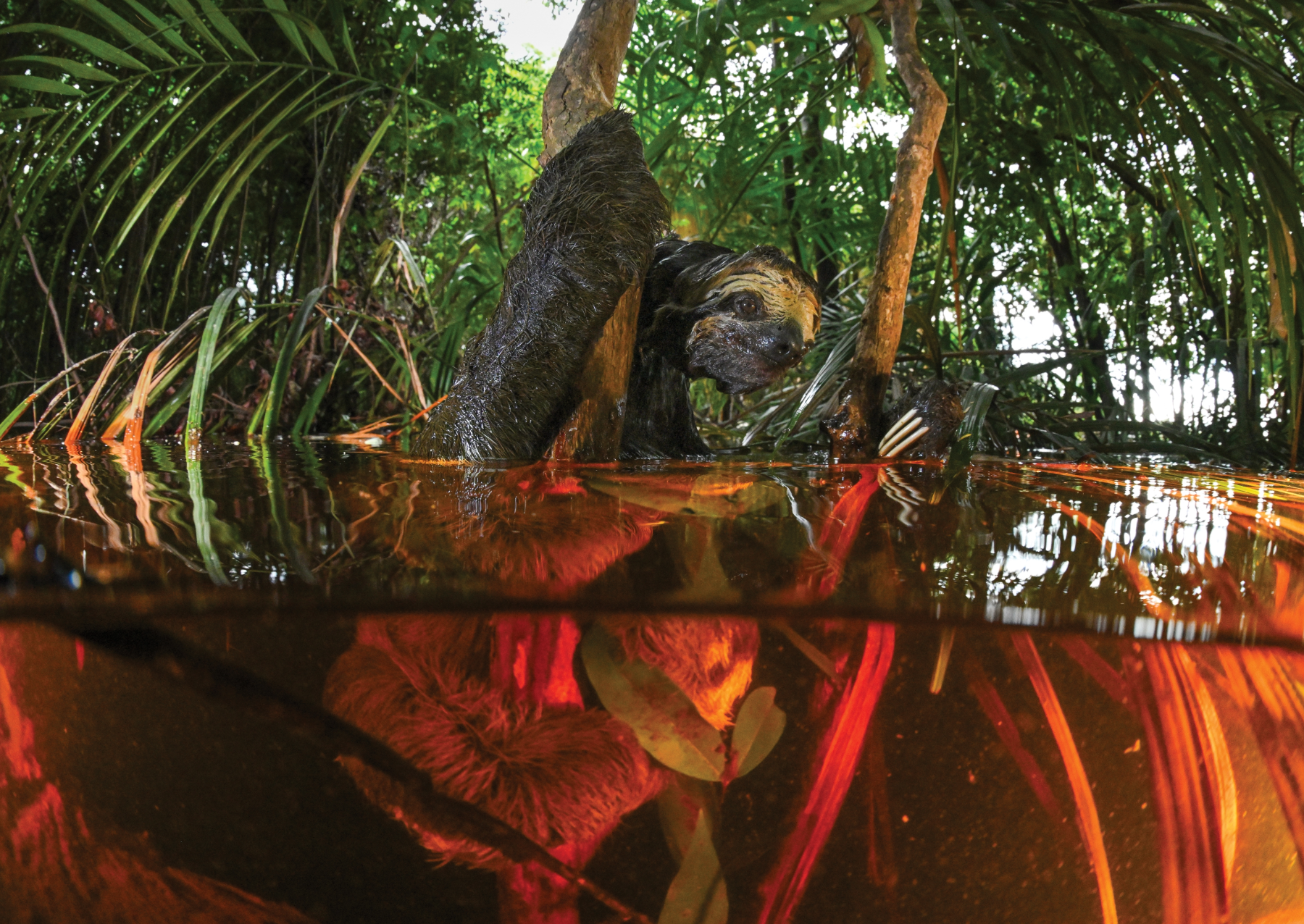
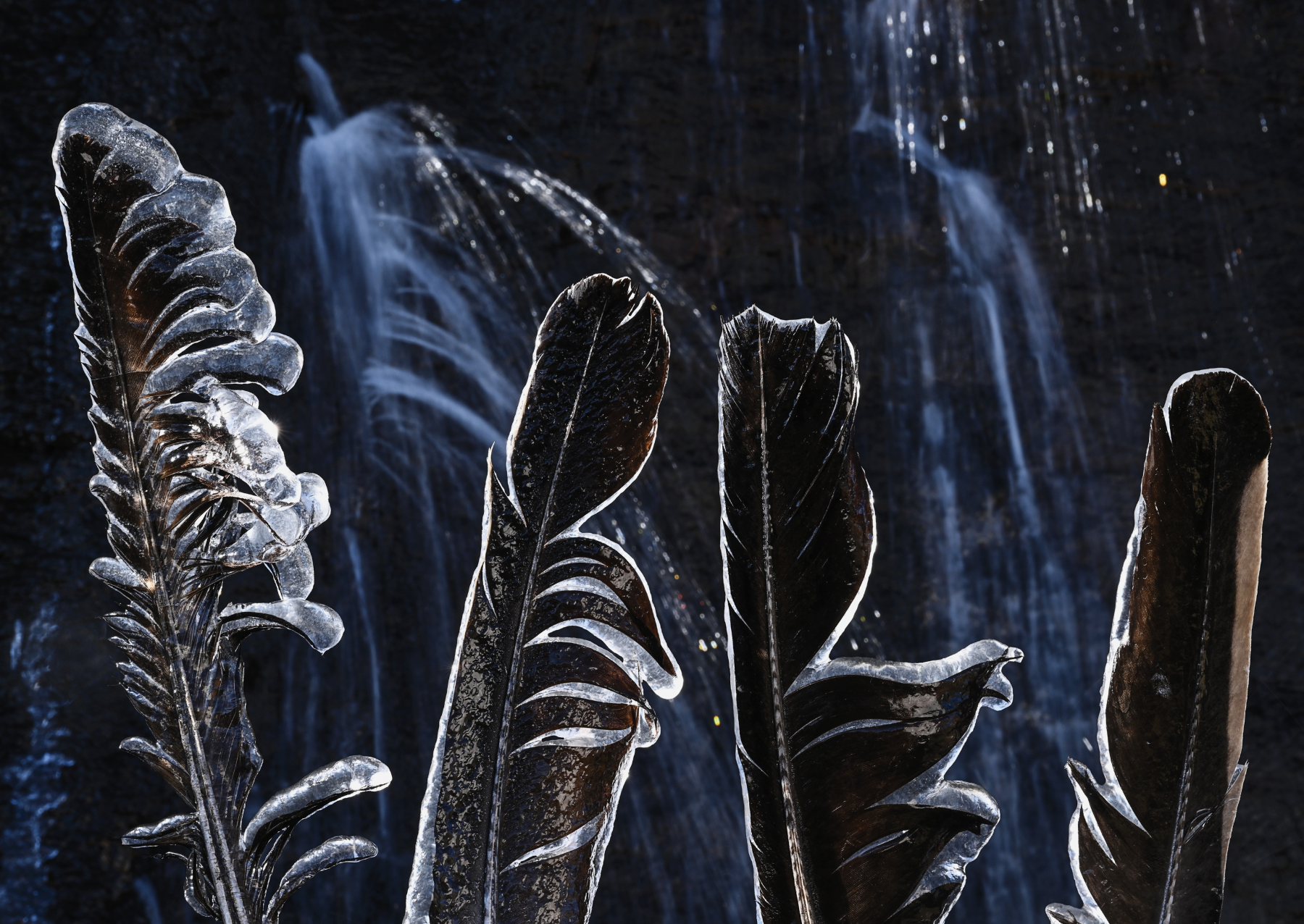
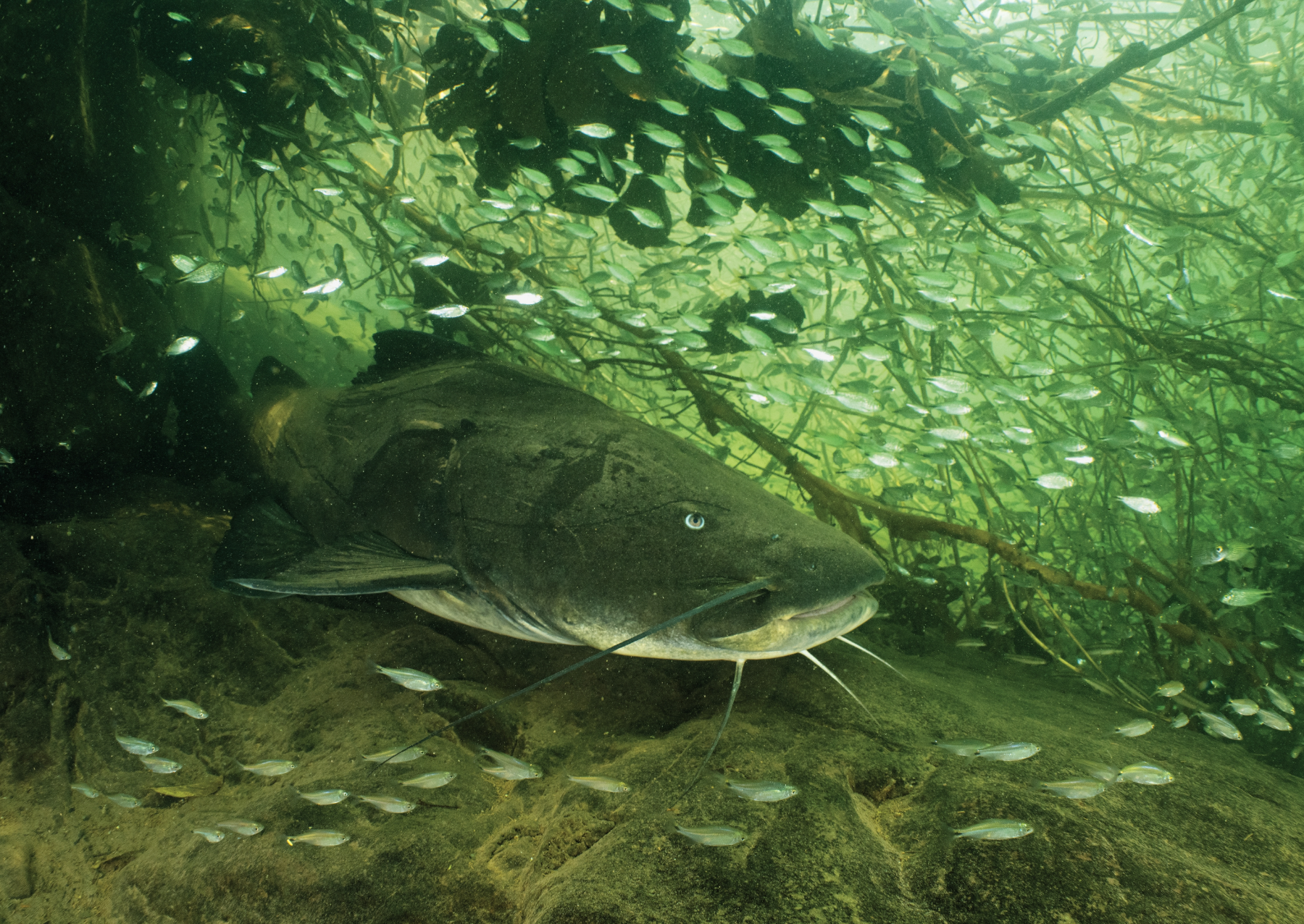
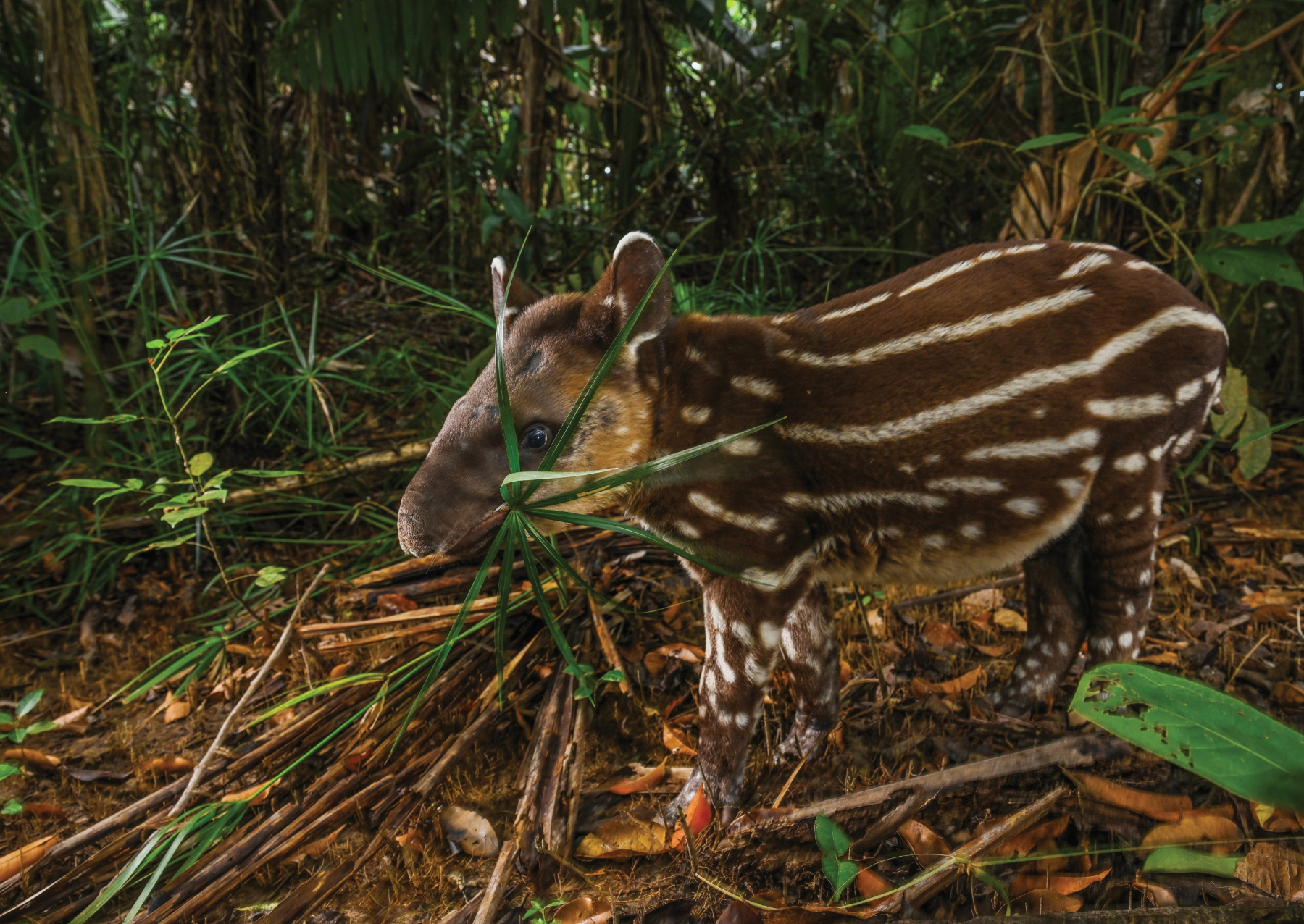
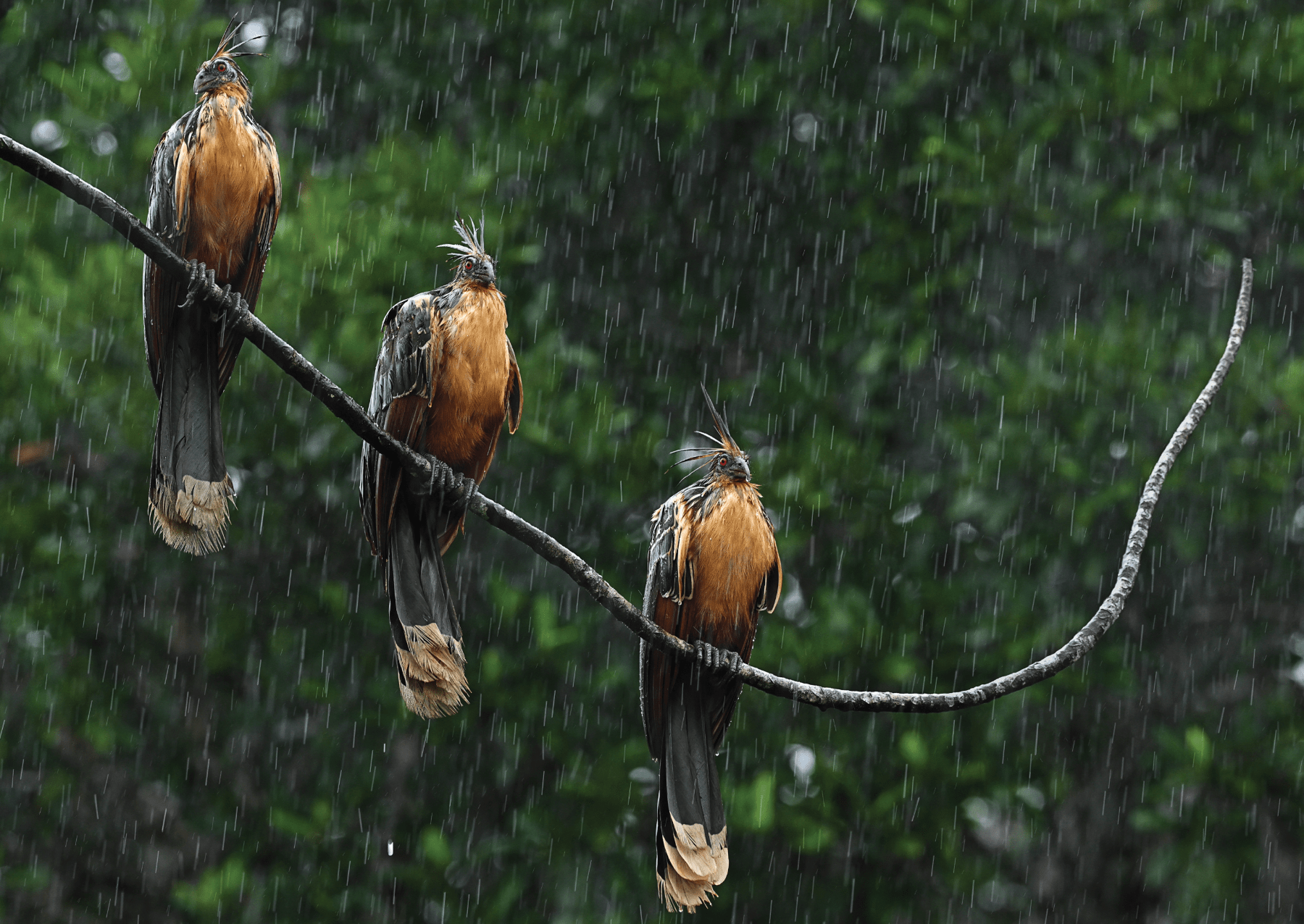
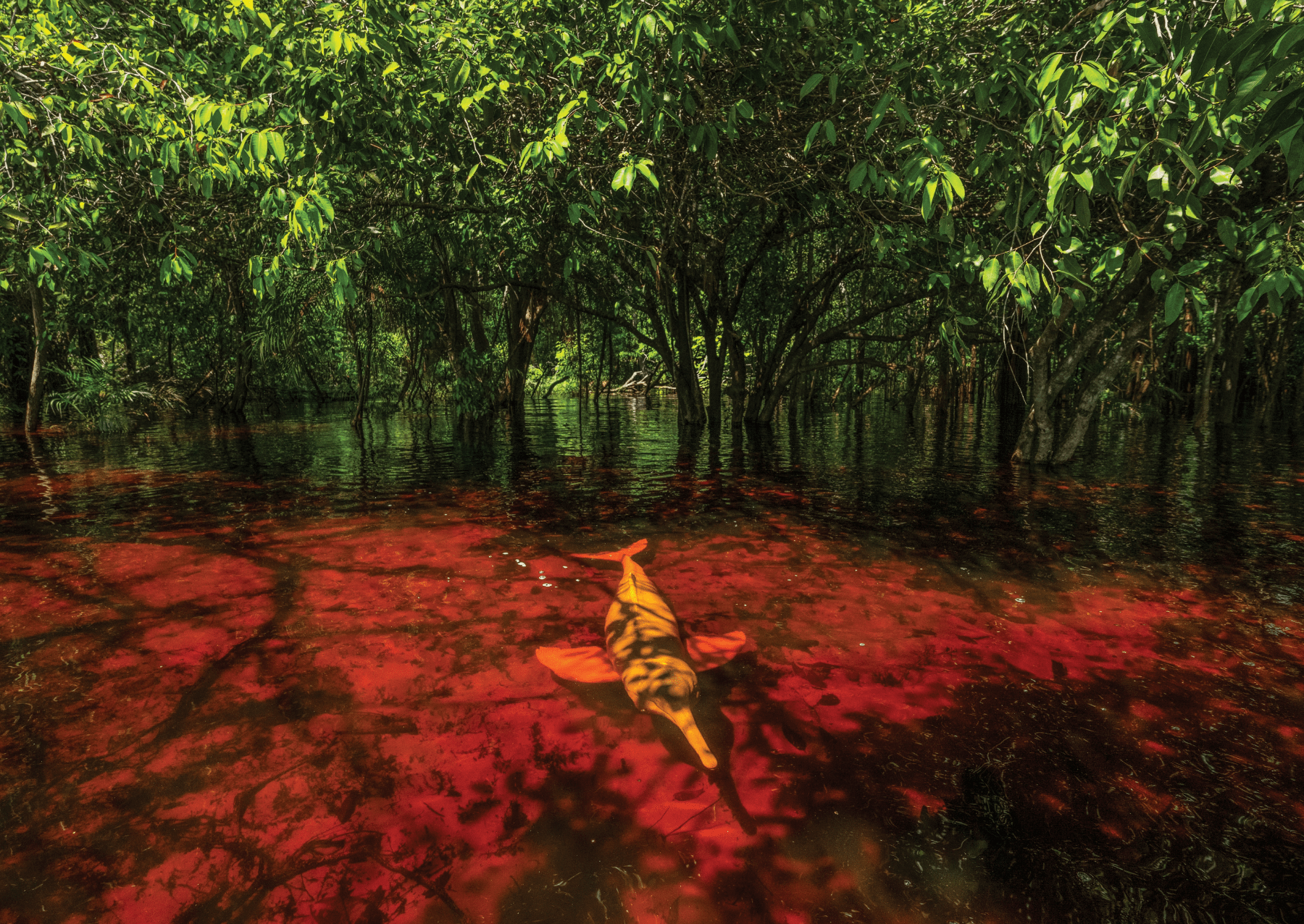
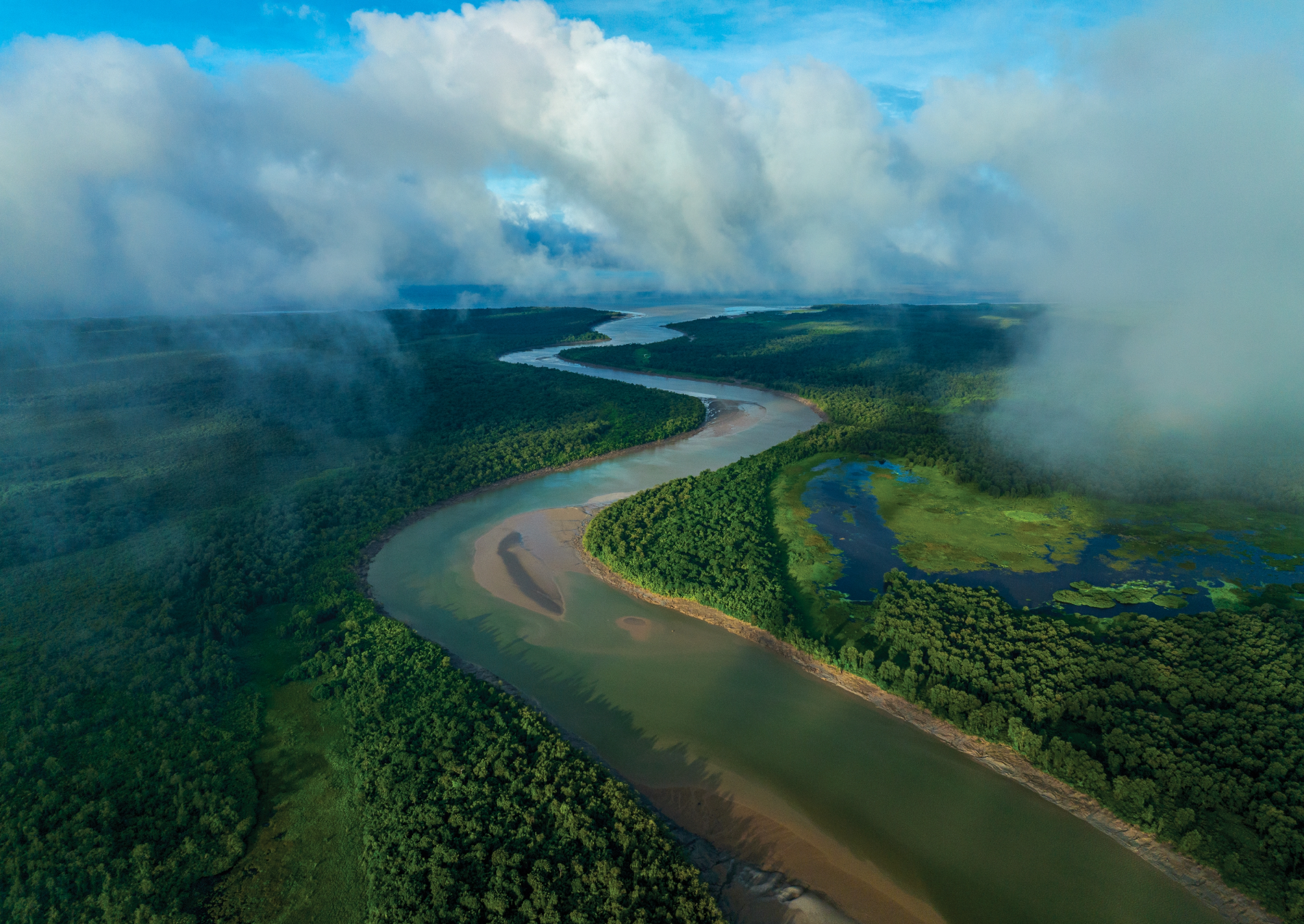
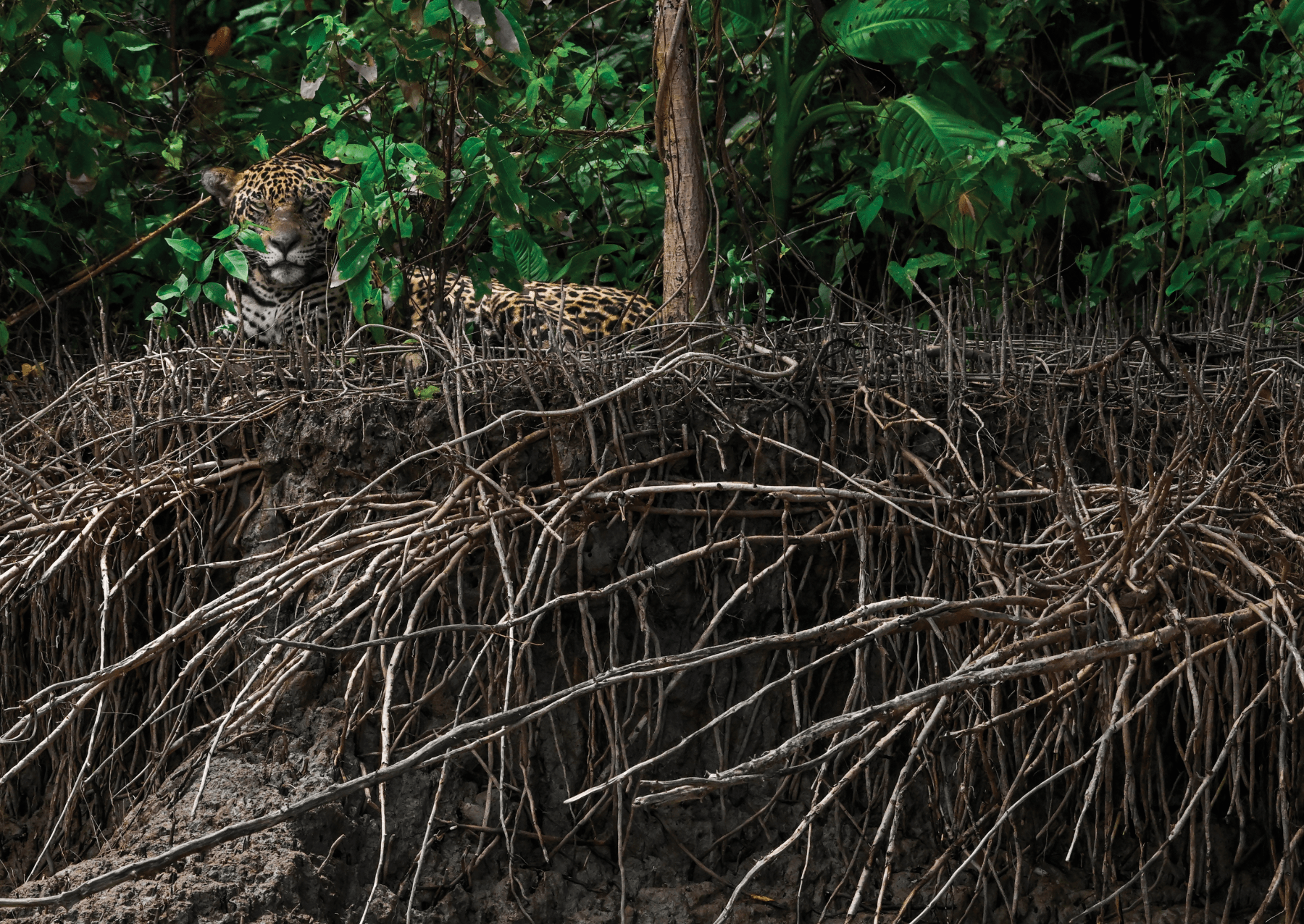
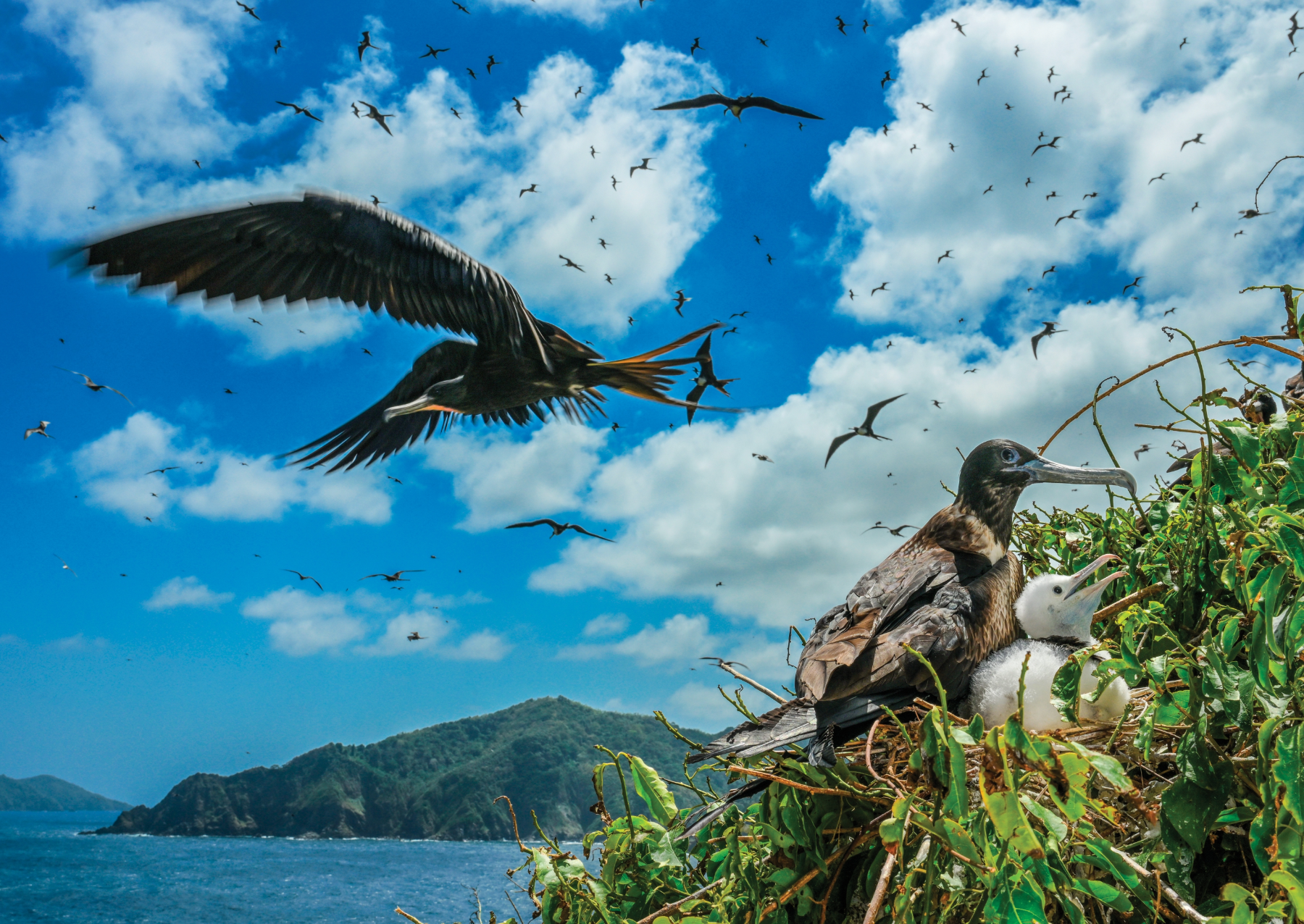
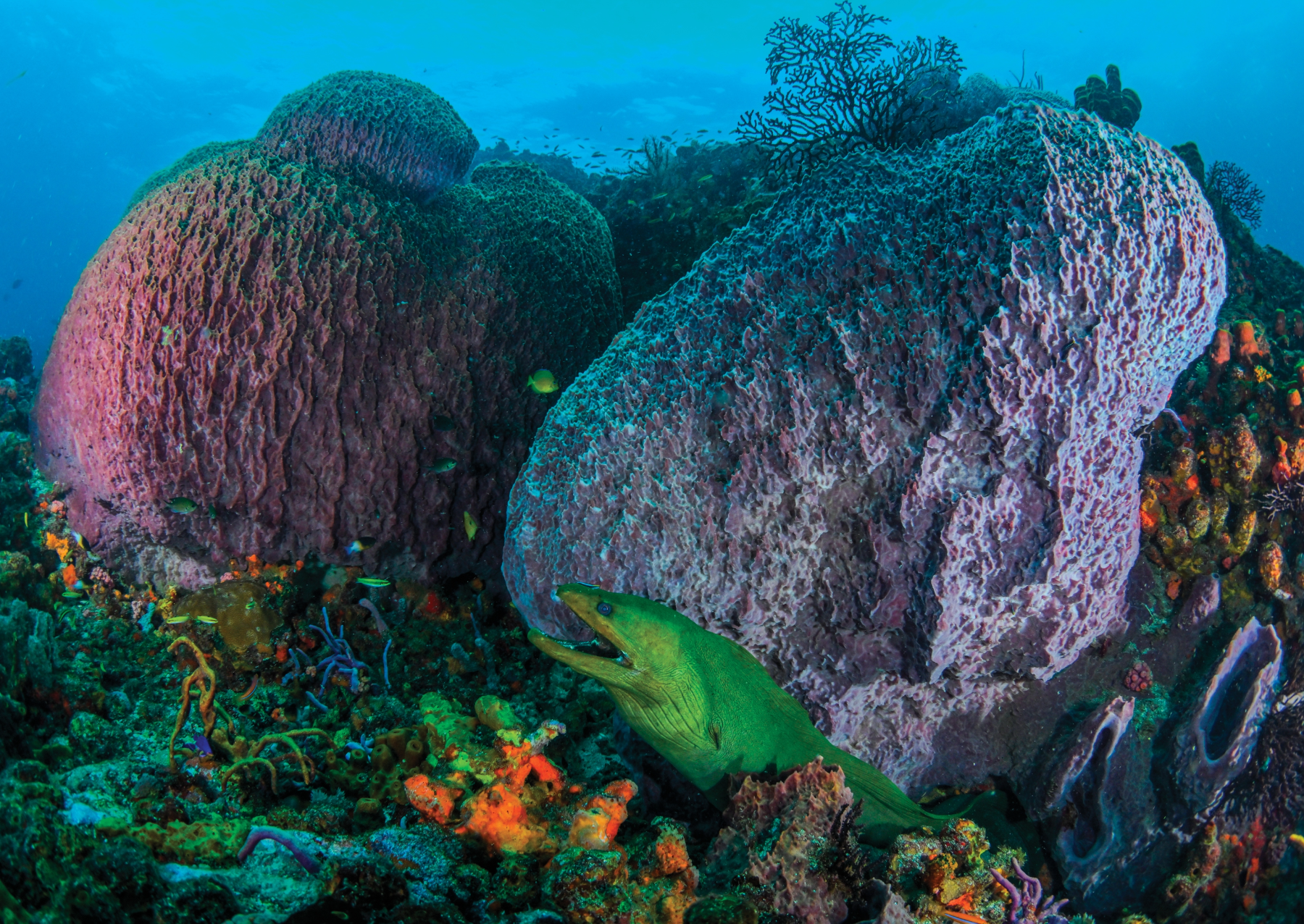
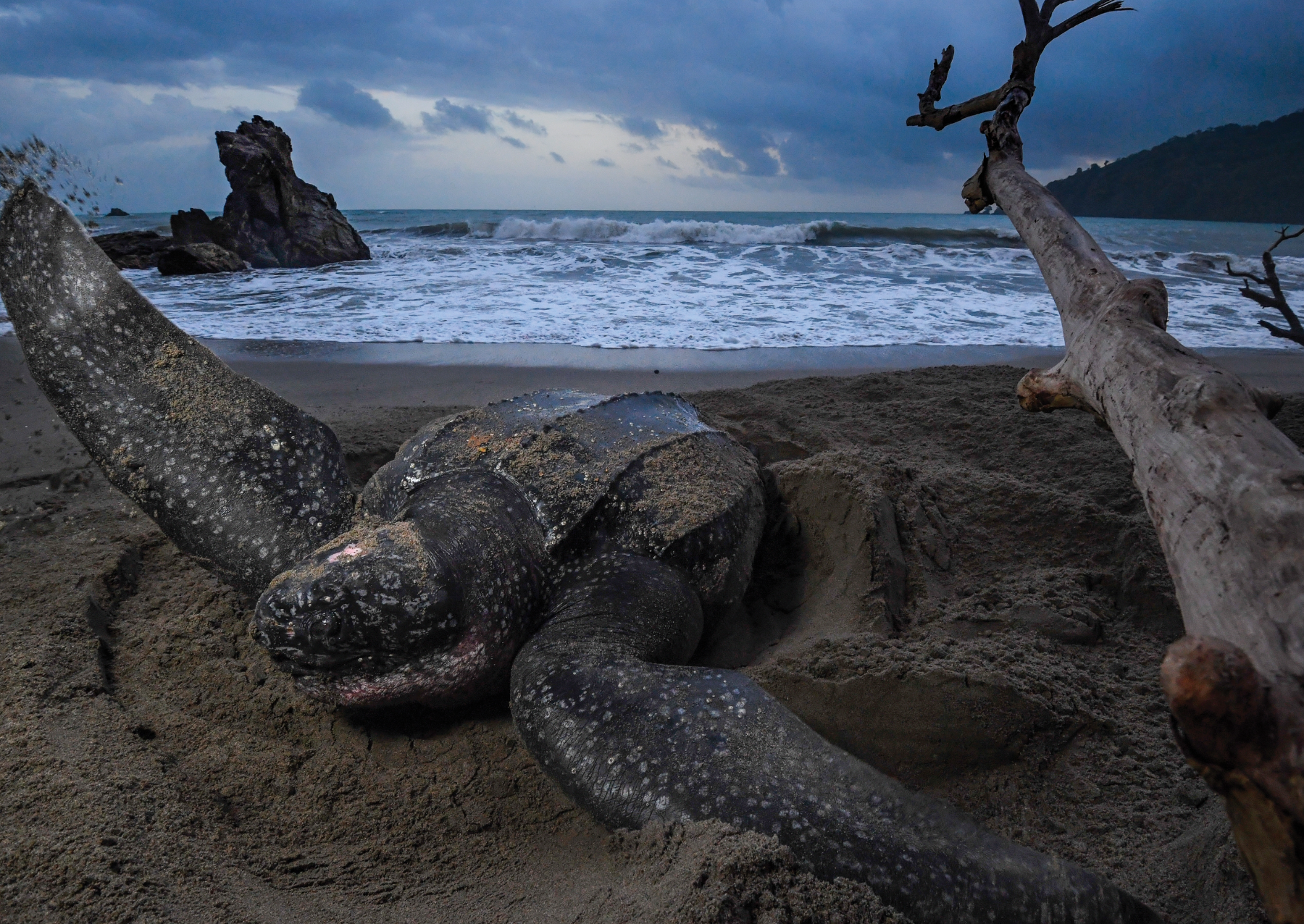
A brown-throated sloth (Bradypus variegatus ) emerges from the water after swimming through a flooded forest. Sloths might be slow climbers, but they are surprisingly strong and fast swimmers. Using their long arms as paddles, they can cover 33 feet (10 m) in less than a minute. By lowering their heart rate, they can hold their breath underwater for up to 40 minutes. Image: ©Thomas Peschak / National Geographic. In the Peruvian Andes, icy condor feathers glisten in the mists of a cliffside spring on the slopes of Nevado Mismi. While streams and tributaries coalesce from many directions to become the Amazon River, this volcanic peak is the most distant source of uninterrupted flow from the river’s mouth at the Atlantic Ocean. Image: Credit: Credit: Thomas Peschak / National Geographic. Encircled by bait fish, a maturo, or gilded catfish (Zungaro zungaro ), rests in its daytime hiding spot beneath an overhang of rock and tree branches. This fish can reach the dimensions of a refrigerator, growing almost seven feet (2 m) in length and weighing more than 150 pounds (70 kg). Credit: ©Thomas Peschak / National Geographic Adult lowland tapirs are by and large uniformly brown, but their young are born decked out in white stripes and spots that serve as camouflage against predators. The closest living relatives to tapirs are rhinos, having shared a common ancestor 50 million years ago. The tapirs’ large teeth are designed to grind up plants and seeds, while their prehensile snout is used to access leaves and fruits. Credit: Thomas Peschak / National Geographic. A trio of hoatzins (Opisthocomus hoazin ) perch over a stream by the Napo River. These birds are closely tied to water. They build their nests above rivers and lakes as a protective measure. If predators try to raid their nests, the young chicks leap into the water and swim below the surface to escape. Once it’s safe, they use their claws to climb back to their nests.Credit: Thomas Peschak / National Geographic Sunlight illuminates a pink river dolphin (Inia geoffrensis ) swimming across a flooded clearing in the Brazilian Amazon. Exquisite shadows of leaves and branches are only thrown onto the submerged forest floor when the water’s surface is calm enough and the sunlight penetrates through a gap in the forest canopy. Credit: Thomas Peschak / National Geographic. Where the Amazon River meets the Atlantic Ocean, tidal changes are sometimes ferocious. This zigzagging channel through Brazil’s Maracá Island, which sits 10 miles (16 km) offshore, can rise 30 feet (9 m) in30 seconds when the tide rushes in, forming powerful waves inside the channel. Its local name is Igarapé do Inferno (Hell Creek).Credit: ©Thomas Peschak / National Geographic. An alert jaguar (Panthera onca ) on Maracá Island sits quietly behind a mass of mangrove roots. Despite being a considerable distance from the mainland, Maracá hosts one of the highest densities of jaguars in South America. These cats are experts at surviving in mangroves and on beaches, catching their own fish and scavenging washed-up tucuxi dolphins (Sotalia fluviatilis ). Credit: ©Thomas Peschak / National Geographic. Soaring like a pterodactyl toward the St. Giles Islands, the aptly named magnificent frigate bird (Fregata magnificens ) makes long foraging trips far over the Atlantic Ocean, sometimes feeding in the productive maelstrom of the Amazon River plume. Credit: ©Thomas Peschak / National Geographic. Giant barrel sponges can grow up to six feet (1.8 m) in diameter. The largest specimens may be more than 1,000 years old, placing them among the longest-lived of all animals. These “redwoods of the ocean” dominate the seabed along the northeast coast of Tobago, where, due to higher nutrient levels and greater water turbidity, hard corals tend to be sparse. Credit: ©Thomas Peschak / National Geographic. A portion of the Amazon River plume north of the mouth runs along the so-called Amazon coast as far north as the island of Trinidad. Along the way, the sediments from the Amazon and other rivers form the beaches on which hundreds of endangered leatherback sea turtles (Dermochelys coriacea ) lay their eggs every night during the nesting season. Credit: ©Thomas Peschak / National Geographic. Images used with permission from AMAZON: A River’s Journey from the Andes to the Atlantic
2025 PopSci Best of What’s New
The 50 most important innovations of the year
Source link