Coffee research in 2025 ran the gamut from farm-level survival to consumer-side marketing trickery. Naturally, coffee also continued to be a major focus among medical researchers, with primarily good news on that front.
On the green coffee and sustainability, scientists continued to address climate change by testing low-elevation arabica hybrids and exploring leaf rust resistance, as well confirming more immediately painful realities such as pesticide exposure risks.
In brewing and quality, researchers poked at cold brew assumptions, proposed a coffee-saving pourover tweak and kept pushing data measurement forward, from smart sensors to a universal roast color curve.
The health category delivered plenty of welcome headlines regarding longevity and reduced risks for numerous diseases. Less desirable findings included microplastics in to-go coffee cups and a fascinating link between instant coffee and eye disease.
Here we present some of the most impactful coffee-focused research published in 2025.
Daily Coffee News’ 2025 Year in Review is our annual look back at the people, places and ideas that shaped coffee this year. Read the full series.
Green Coffee and Sustainability
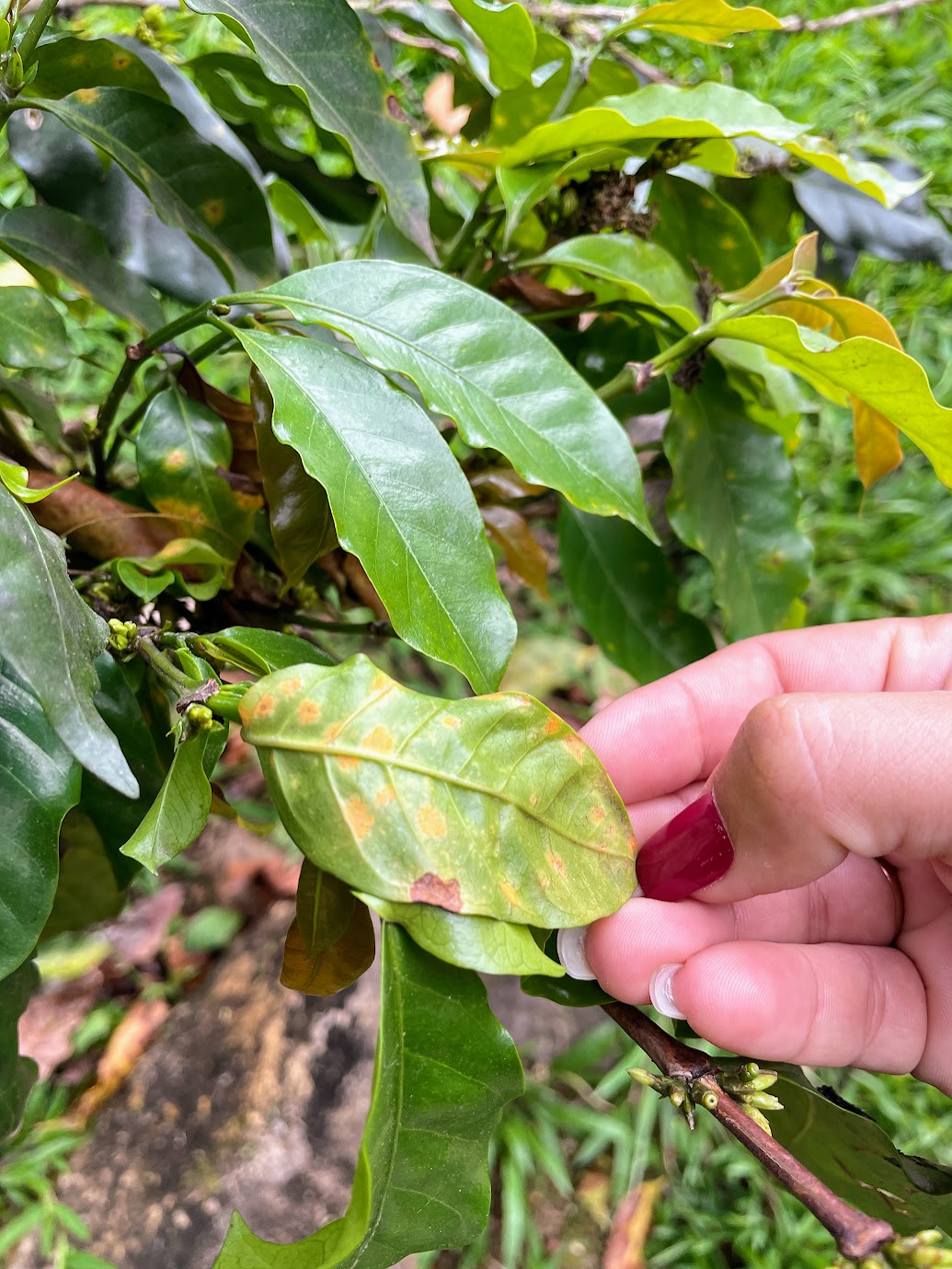
Study Confirms Coffee Rust Fungicides Toxic to Farmworkers
A new study revealed significant health risks for coffee farmworkers in southern Minas Gerais, Brazil, stemming from exposure to triazole fungicides. The chemicals are used throughout the global coffee sector to fight coffee leaf rust and other plant diseases. The study also found cause for hope, as the research team verified a computational toxicology tool that can potentially provide accurate comparisons of toxic exposure between human subjects and laboratory samples… read more
Coffee Price Volatility Harms the Mental Health of Farmers
Coffee is a drink that punctuates many of our lives. Millions of us depend on this dark liquid to start the morning, or to break up the day. It has also become quite an expensive habit. But before we baulk at paying £5 for a flat white, it’s worth thinking about the price paid by the coffee farmers who provide its base ingredient… read more
Study Says Liberica and Excelsa Are Separate Species With Implications for Cultivation
Recent genetic analysis revealed that liberica — which has historically been considered a single coffee species — may actually encompass three distinct species. The findings could carry implications for coffee conservation, breeding and farming as the coffee sector continues to be reshaped by climate change. They also help clear up some common misconceptions about the coffee types commonly known as liberica and excelsa… read more
Costa Rica Study Shows Promise for Low Elevation Arabica Hybrids in Shade
A groundbreaking multi-year study on coffee agroforestry in Costa Rica’s Caribbean lowlands revealed promising strategies to expand coffee cultivation into non-traditional regions. The implications may be globally significant, considering the increased demand for arabica coffee combined with a coffee cultivation landscape that is rapidly changing with the climate… read more
Groundbreaking Coffee Leaf Rust Study Offers Insights Into Resistance
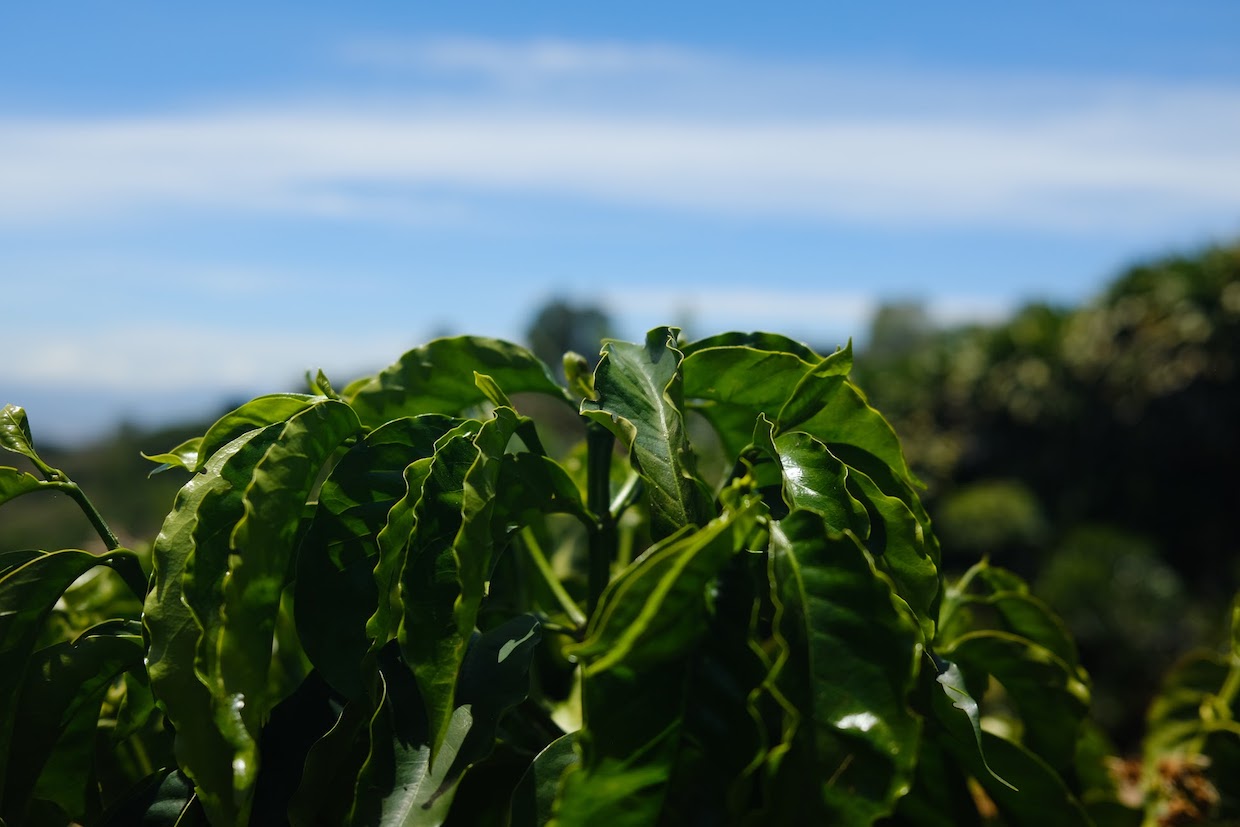
A groundbreaking effort led by Oregon-based nonprofit World Coffee Research (WCR) just delivered the most extensive real-world evaluation to date of how arabica coffee varieties stand up to their most relentless natural foe: coffee leaf rust. Published in Frontiers in Plant Science, the study analyzed the natural performance of 29 arabica coffee varieties across 23 field sites in 15 countries… read more
Daily Coffee News photo by Nick Brown.
Climate Study in Yunnan Identifies Biggest Threats to Arabica Coffee
As climate change throughout the tropics redraws the map of where the sensitive arabica species may be ideally grown, researchers in China recently set out to identify the most impactful threats over time. Drawing from 30 years of climate and coffee yield data across 29 major producing counties in China’s principal coffee-growing region, Yunnan, the study found that frost is the most damaging climate threat to coffee yields, followed by drought. Surprisingly, heat stress came in a distant third… read more
Study Suggests Farm-Level Bacterial Communities Affect Coffee Flavor
A recent study led by a team affiliated with the Smithsonian Bird Friendly coffee program suggests the bacterial community surrounding coffee plants may have a pronounced effect on coffee flavor. Published in June in Scientific Reports, the study also establishes a relationship between types of crop management systems — namely full sun or shade coffee — and the bacterial communities on coffee cherries and in the soil… read more
Pest Control Principles Meet Pure Chaos in New Coffee Farm Study
As we all sip our lovely, traceable, single-origin, impeccably processed, roasted and brewed coffees today, consider the fact that there is no-holds-barred chaotic insect warfare where the coffee was grown. Two pioneering figures in the study of coffee-growing systems — Ivette Perfecto and John Vandermeer of the University of Michigan — recently published a study that sheds new light on that farm-level chaos, while hopefully illuminating pathways forward for pesticide-free coffee farming… read more
Daily Coffee News photo by Nick Brown.
International Researchers Allege Widespread Errors in Smallholder Coffee Mapping, Offer Dataset
A new open-access dataset called Sample Earth aims to fix what its creators call a critical flaw in the global coffee and cocoa trade: maps that label current smallholder farms as forests. Launched last week by the Alliance of Bioversity International and the International Center for Tropical Agriculture (CIAT), Sample Earth is a reference dataset designed to help mapmakers stop misclassifying potentially hundreds of thousands of smallholder coffee and cacao farms as forest land… read more
Futuristic Earth Cooling Solution Not Likely to Protect Coffee, Study Finds
A radical climate-engineering solution may not be able to safeguard coffee or other climate-sensitive crops as the planet warms, according to a new study. New research published Nov. 4 in the journal Environmental Research Letters examined whether stratospheric aerosol injection (SAI) — a controversial climate-intervention technology that would involve spraying reflective particles into the upper atmosphere to cool the planet — could preserve ideal growing conditions for various high-value agricultural crops, such as coffee, wine grapes and cacao… read more
Coffee Brewing and Quality
Cold Brew Research: Temperature and Time Less Impactful Than Roast Level
Traditional full-immersion “cold” brewing may not demand as much time as it often receives for optimal sensory results, according to relatively new research from a team at the University of California, Davis. Published last August in the journal Scientific Reports, the study sheds new light on how finished “cold” brews — whether brewed cold, at room temperature or hot and then chilled — are affected by brew time, brew temperature and roast level of the coffee… read more

Physicists Propose Coffee-Saving Hack to Pourover Brewing
A recent study from a team at the University of Pennsylvania proposes a small tweak to pourover brewing that maintains optimal extraction yield and flavor while requiring less coffee. In short, the researchers suggest a higher pour with a gooseneck kettle… read more
What is a Light Roast? Researchers Outline Vision for a Universal Standard
Researchers affiliated with the UC Davis Coffee Center published groundbreaking findings that may be used by the Specialty Coffee Association to codify how coffee roasters and retailers measure and communicate roast levels. The study, published July 7 in Scientific Reports, suggests that all arabica coffees, regardless of roast profile or origin, follow a predictable “universal roasted coffee color curve” during roasting. Notably, arabica coffees from different origins roasted in vastly different ways all approximately met the same color at critical roasting milestones, such as first crack and second crack… read more
Study: Novel Smart Sensor Could be Refined for Real-Time Espresso QC
A new study from Italy introduced a novel sensor for the chemical properties of coffee. Its creators say the sensor type may have the potential to transform real-time chemical assessment and quality control in busy commercial coffee shop environments, without the need for bulkier or hyper-specialized laboratory equipment. The researchers, from the Università Campus Bio-Medico di Roma, created what they called an “intelligent electrochemical sensor,” designed to analyze a broad range of properties, beginning with moisture content and grind size, and relating it to other properties such as caffeine content, total polyphenols and antioxidant activity… read more
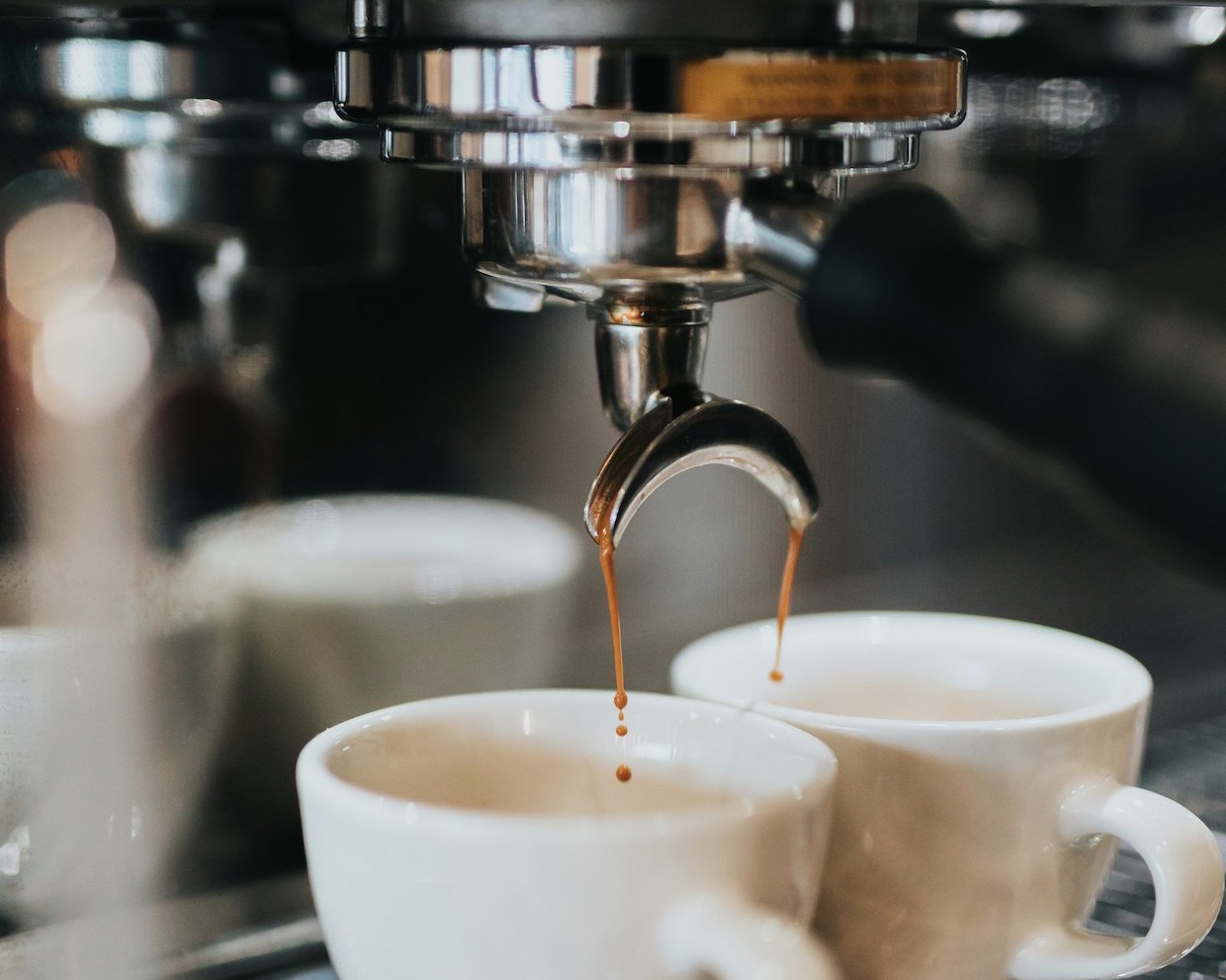
Study Adds Merit to High Elevation Coffee Quality Claims
Typically expressed as meters above sea level, the elevation of the coffee farm has long been a signature marketing point among purveyors of high-quality, traceable arabica coffees. Traditional messaging suggests that higher is better, although in many cases that may be as arbitrary as saying that a sixth birthday cake is superior to a fifth birthday cake because more fire is involved… read more
Study Suggests How Color Should be Used to Market Specialty Coffees
A new study explores how the color of coffee packaging exerts a powerful influence on consumer expectations of specialty coffee. Not only does bag color affect expectations of sensory attributes such as flavors, tastes and aromas, it also creates associations among consumers with external attributes, such as organic certification or modernity, according to the study… read more

Study With Reusable Cup Schemes: Gambling Trumps Morality
Believe it or not, humans may not be drawn to reusable cup schemes due to a sense of moral duty or good old-fashioned guilt. What’s really going to draw them in, according to a new study, is gambling. Led by researchers at the University of British Columbia (UBC) in Canada, the study suggests that probabilistic rewards — i.e. small chances to win something exciting — are more effective than offering automatic discounts for reusable cups… read more
Study Explores How Nut Milks Stack Up Against Dairy in Coffee
Milk choice has come a long way since the olden times of “third place” cafes, when maybe the most progressive shop in the neighborhood would carry soy milk alongside the gallon jugs of fully hormonized cow’s milk. Despite the subsequent boom in alternative milks, relatively little academic research has detailed the sensory and chemical differences in alt milk types when combined with coffee… read more
Health
Science Recently Delivered This Shocker: Morning Coffee Improves Mood
Scientists in the UK and Germany have officially confirmed what most coffee drinkers feel intuitively every single day: coffee in the morning puts you in a better mood. For four weeks, researchers from the University of Warwick and Bielefeld University tracked 236 young adults, pinging their phones seven times daily to ask whether they’d had any caffeine in the past 90 minutes and how they were feeling at the moment… read more

Study Finds the Best Time of Day to Drink Coffee for a Longer Life
A major new study found that people who primarily drink coffee in the morning may have a lower risk of dying prematurely — especially from heart disease — than people who sip coffee throughout the day or skip it altogether. Published in the European Heart Journal, the study examined data on more than 40,000 U.S. adults, shedding fresh light on both the amount and timing of coffee consumption and how it affects longevity… read more
30-Year Study: Women Who Drink Coffee in Midlife are Healthier in Older Age
Women who drink coffee during midlife are significantly more likely to maintain their physical and mental health as they age, according to new research from Harvard University that tracked nearly 50,000 women for three decades. The study found that women who consumed about three cups of coffee daily had the highest rates of “healthy aging” — defined as reaching age 70 without major chronic diseases — while maintaining physical function, mental health and cognitive abilities. By contrast, cola consumption was strongly linked to poorer aging outcomes… read more
Study of 46,000 U.S. Adults Says Black Coffee Fends Off Death
Drinking one to two cups of caffeinated coffee per day is linked to a lower risk of death from all causes, according to a major new observational study from a team at Tufts University. Published in The Journal of Nutrition, an Elsevier title, the research adds to a heaping pile of evidence within the past decade suggesting that coffee may help humans ward off the icy grip of death and chronic diseases late in life… read more

Study: Coffee Reduces Type 2 Diabetes Risk, But Sweeteners Mess Things Up
A major new study found that drinking coffee is consistently linked to a lower risk of developing type 2 diabetes (T2D), although the protective effect is substantially weakened with the addition of sugar or artificial sweeteners. Led by a team of researchers affiliated with the Harvard T.H. Chan School of Public Health, the study explored data from three major United States cohorts: the Nurses’ Health Study; the Nurses’ Health Study II; and the Health Professionals Follow-up Study… read more
Meta Analysis Further Suggests Coffee Reduces Type 2 Diabetes Risk
A review of scientific literature by a team in South Korea reinforces the assumption that drinking coffee significantly reduces the risk of developing type 2 diabetes (T2DM). Published June 10 in the International Journal of Molecular Sciences, the study specifically explored how bioactive compounds found in coffee may diminish diabetes risk… read more
Study of 6001 Adults Reaffirms Coffee’s Protective Effects Against Dementia
Research recently presented in the journal of the nonprofit Alzheimer’s Association provides fresh evidence that drinking coffee leads to a reduced risk of dementia. Led by a team at Zhejiang University in China, the study followed more than 6,000 older adults to explore how varying intake levels of coffee and tea affect cognitive health over time… read more
Study: Moderate Coffee Drinking May Slow Cognitive Decline in Older Adults
A new long-term study found that drinking one to three cups of coffee per day may be the sweet spot for older adults seeking to prevent cognitive decline. Published July 21 in the Journal of Alzheimer’s Disease, the longitudinal prospective cohort study followed more than 8,700 dementia-free adults aged 60 to 85.2 over a period of just over nine years, using data from the UK Biobank cohort… read more

Study Suggests Coffee Fends Off Frailty in Older Adults
A recent study from The Netherlands adds to existing evidence that coffee consumption may reduce frailty in older adults. Led by a team at Vrije Universiteit, the study drew data from the long-running Longitudinal Aging Study Amsterdam (LASA), which tracks older adults from throughout the country. It focused on older adults living in community settings… read more
Study Says Drinking Coffee While Pregnant Does Not Affect Cognitive Development of Children
A new study from a team of researchers in China suggests that coffee or tea consumption during pregnancy does not have a negative impact on the cognitive development of children. The findings even suggest that women who consistently consumed tea, particularly during the later stages of pregnancy, had children who scored higher on standardized measures of cognition and motor skills by about age three… read more
Study Confirms Caffeine Keeps the Brain Buzzing During Sleep
In a first-of-its-kind study using artificial intelligence and brainwave analysis, researchers from the University of Montreal said caffeine can make the sleeping brain more active and less restful — particularly in young adults. Published in the Springer Nature journal Communications Biology, the study analyzed the effects of a 200-milligram dose of caffeine — the equivalent of about two cups of coffee — on the overnight brain activity of 40 healthy adults… read more
Study: Drinking Coffee at Night May Cause Impulsive Behavior
A recent study from a team at the University of Texas at El Paso suggests drinking coffee at night may lead to more risky and impulsive decisions. Published Aug. 15 in the journal iScience, the findings may carry implications for shift workers, healthcare professionals, military personnel or other people who regularly consume coffee during nighttime hours to maintain alertness… read more

7-8 Daily Drinks of Coffee, Tea and Water Linked With Reduced Death Risk
New research shows that people who drank some combination of 7-8 coffee, tea and plain water drinks per day were 28% less likely to die from any cause during the study period than people who drank fewer than four drinks. Using data from the UK Biobank, the research team grouped people by total daily “drinks” of coffee, tea and plain water only. Compared with the group with under four drinks a day, the estimated risk was about 24% lower at 4–6 drinks and 28% lower at 7–8… read more
Sweeping Review Links Moderate Coffee Intake to Many Health Benefits
A sweeping new review of decades of research suggests that moderate coffee drinking is doing more good than harm across a broad range of health outcomes. Led by researchers at West Virginia University and Morgan State University in the United States, the review explored past academic studies and meta-analyses that combined account for more than 1 million participants from various world regions, including the U.S., Europe and Asia… read more
Study Suggests Coffee May Significantly Reduce Osteoporosis Risk
A recent study published in Scientific Reports suggests drinking higher amounts of coffee may significantly reduce the risk of osteoporosis, the bone-weakening disease that affects millions of older adults worldwide. The study, led by a research team affiliated with the Guangzhou University of Chinese Medicine in China, analyzed data from the (U.S.) National Health and Nutrition Examination Survey (NHANES) involving 2,863 adults… read more
Study Suggests Coffee Protects Against Atrial Fibrillation
Drinking a daily cup of caffeinated coffee was linked to a 39% lower hazard of atrial fibrillation (a-fib) recurrence in older adults recently treated for the disorder, according to a study published in the Journal of the American Medical Association (JAMA). In practical terms, for roughly every six people who kept drinking coffee instead of quitting after a-fib treatment, one extra person avoided a recurrence, according to the findings… read more
Study Finds Link Between Instant Coffee and Eye Disease Risk
A new genetics study found that drinking instant coffee may significantly increase the risk of developing dry age-related macular degeneration (AMD), a leading cause of vision loss in older adults. Published in the Wiley journal Food Science & Nutrition and led by a research team from multiple universities in China, the study found no such risk with ground coffee, decaffeinated coffee or total coffee consumption… read more
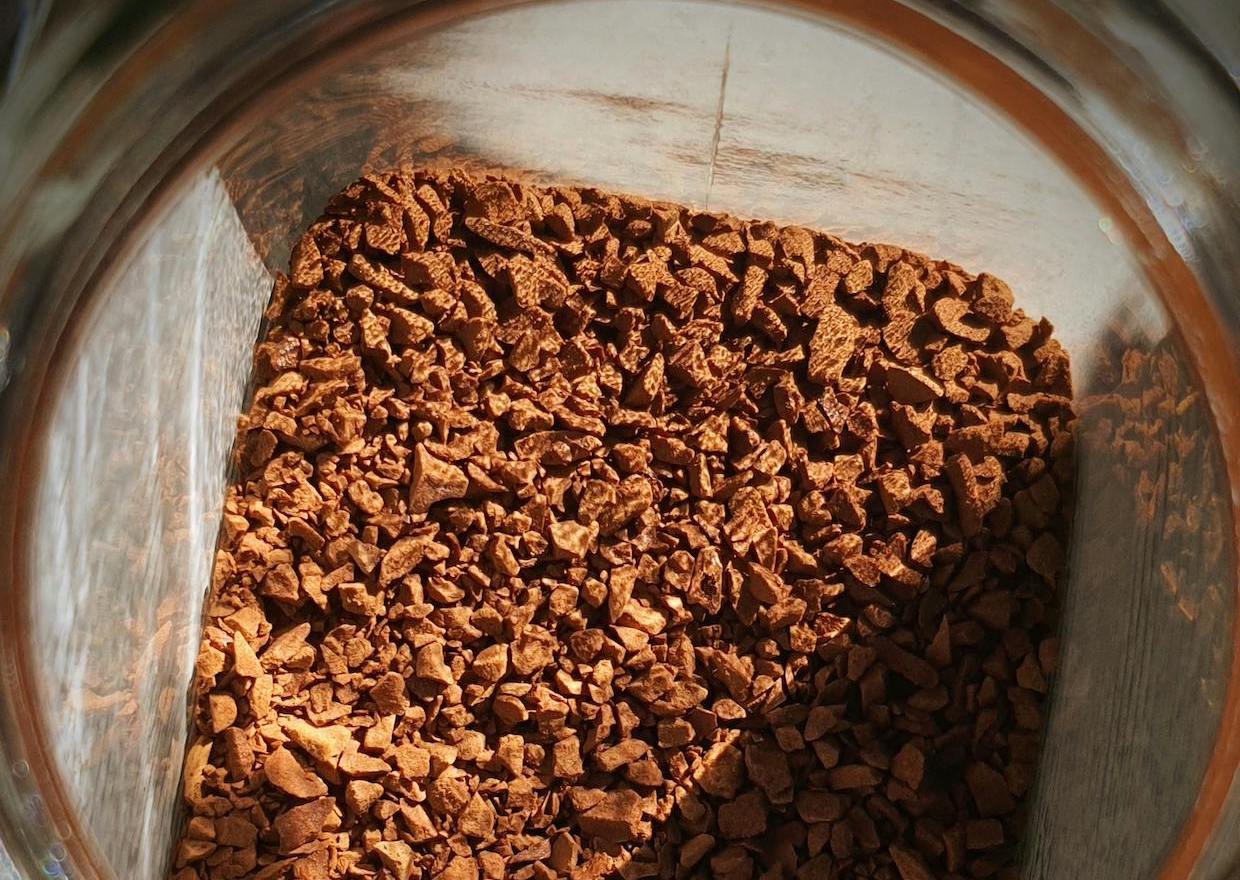
Microplastics are Elevated in Hot Coffee in To-Go Cups, Study Finds
A new study of 155 drink samples sold in the UK found that all of them contained microplastics, while hot drinks such as coffee and tea contained elevated amounts. The study suggests that hotter temperatures combined with plastic-lined to-go cups may result in the highest amount of microplastics entering the human body, based on a comparison of common drink types… read more
Study: Caffeine May Reduce Effectiveness of Some Bacterial Infection Antibiotics
A new study from researchers in Germany found that caffeine from coffee and other sources can reduce the effectiveness of certain antibiotics against harmful bacteria. Scientists at the Universities of Tübingen and Würzburg discovered that caffeine triggers a complex chain reaction in E. coli bacteria that makes them less susceptible to antibiotics like ciprofloxacin, a commonly prescribed fluoroquinolone used to treat urinary tract infections, pneumonia and many other bacterial infections… read more
UK Study Associates Very Hot Coffee and Tea With Cancer Risk
A recent study tracking nearly half a million people has delivered sobering news for people who prefer their morning brew piping hot: drinking very hot beverages may significantly increase the risk of a form of throat cancer called esophageal squamous cell carcinoma (ESCC). The research, published in the British Journal of Cancer, followed 454,796 adults through the UK Biobank for over a decade, finding that “very hot” beverages were a clear risk factor for the disease… read more
Study: Workplace Super Automatic Machines Result in More Cholesterol-Elevating Compounds
Conducted by a group of researchers from Sweden’s Uppsala University and Chalmers University of Technology, the study suggests the method of filtration in coffee brewing may have the most impact on the presence of cafestol and kahweol, naturally extracted diterpenes that are known to raise cholesterol. Numerous previous studies have already affirmed that unfiltered methods — such as “boiled coffee” or “cowboy coffee” — result in the highest levels of the two diterpenes, while filtered brew methods using paper filters result in the lowest levels… read more

Study: Polyphenol-Rich Foods Like Coffee No Doubt Reduce Metabolic Syndrome
A diet rich in foods containing polyphenols — which coffee has in spades — can dramatically reduce the risk of metabolic syndrome, a cluster of health conditions that is a major risk factor for heart disease, according to newly published research. The research team from Brazil found that consuming polyphenol-packed foods such as coffee, grapes, strawberries, acai, oranges, chocolate and wine can reduce the risk of metabolic syndrome by as much as 23%… read more