
Some games die slowly. Others are dragged behind the shed and quietly put down by the very hands meant to keep them alive. Live service titles live in a constant state of change, always evolving and always chasing something just out of reach. Sometimes that constant desire to expand sharpens the experience for the better. And sometimes, it breaks everything in a single, catastrophic swing.
This is about those wild swings. The updates that did not just miss the mark, but completely shattered the identity of the games they touched. These were not small missteps or awkward patches. These were sweeping changes that ripped out core systems, alienated loyal players, and sent entire communities into freefall. The kind of updates that make you log in, stare at the screen, and realize the game you loved is simply gone. Dead. Buried.
3. Star Wars Galaxies – “New Game Experience” Update
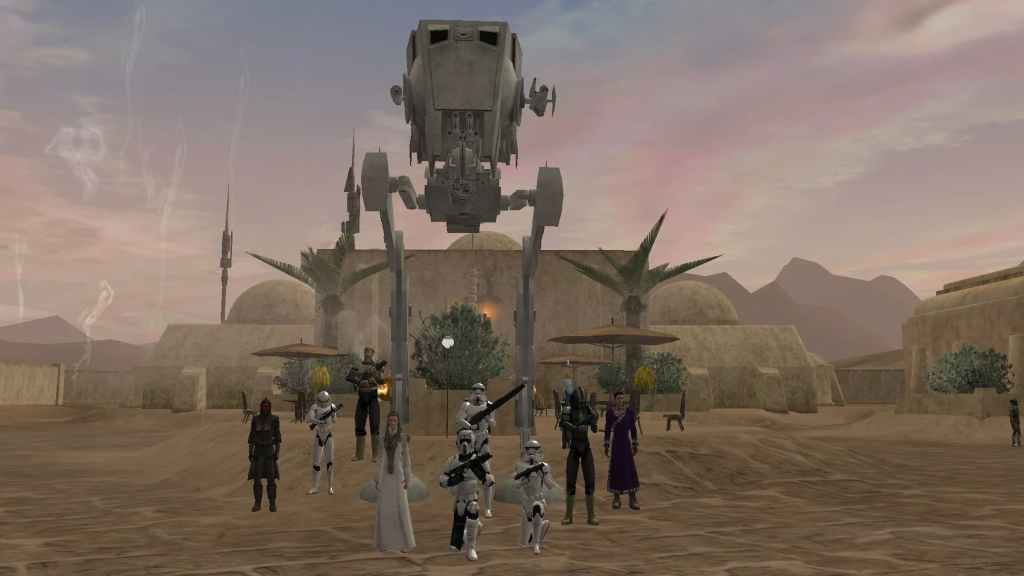
Star Wars Galaxies (SWG) was once a living, breathing sandbox where players carved out their own stories in a galaxy that felt genuinely alive. It was messy, complex, and sometimes downright confusing, but that was part of the magic. You could be a musician, a merchant, a bounty hunter, or something in between, and none of it felt forced. The game trusted players to find their own fun, which made every experience feel personal and earned. It was less a game and more a strange social organism, humming with player-driven chaos and quiet brilliance.
Then came one of the most infamous, self-destructive updates ever conceived in gaming history. The “New Game Experience”, or NGE for short, was a sweeping update meant to “modernize” the game and make it more accessible to a wider audience. In reality, Sony Online Entertainment saw World of Warcraft’s sweeping success, and tried to transform their sandbox into that. Trying to turn a sandbox MMO into a theme park MMO was a disastrous as it sounds, resulting in an update was spawned from pure greed.
The idea was simple on paper. Streamline systems, simplify progression, and make the experience feel more like other popular MMOs (WoW) at the time. It was an attempt to chase trends instead of nurturing what made the game special in the first place. Somewhere in that logic, the soul of the game was treated like optional code. It was not evolution. It was translation into something completely and utterly unrecognizable.
What followed was a collapse of identity. Entire systems were ripped out and what remained was unrecognizable. Professions, SWG’s classes, were gutted horrifically. 32 professions were streamlined down into 8 with the NGE update. The freedom that defined the game was replaced with something far more rigid and shallow. Longtime players logged in to find a completely different experience staring back at them, one that no longer respected their time or their creativity. The NGE update It erased what made SWG worth playing at all. It felt like waking up in your own home only to find the walls had been replaced overnight. Same address, completely hollow.
2. RuneScape – “Evolution of Combat” Update
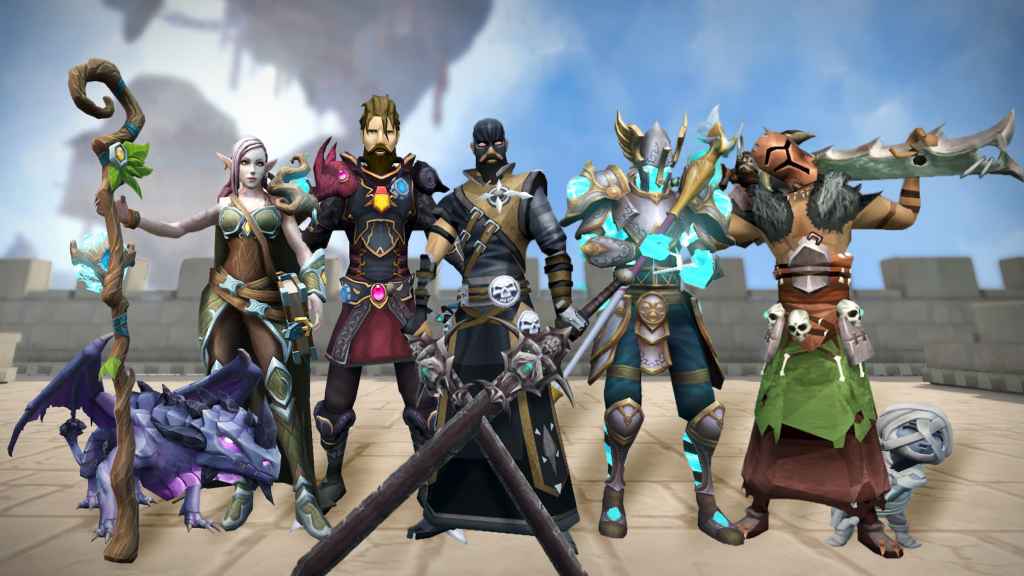
RuneScape built its legacy on simplicity that somehow never felt shallow. Its combat was slow, deliberate, and easy to understand, which allowed the rest of the game to shine. Players spent years mastering its unique flow, building accounts, and forming communities around a system that felt consistent and reliable. It was not flashy, but it worked. That’s why, today, it is one of the few MMOs that still exists.
But, in the past, there was a terrible attempt at altering the game’s core systems called the “The Evolution of Combat” update. It aimed to bring the game in line with more modern MMOs by introducing ability bars, cooldowns, and a faster, more action-oriented system. On paper, it sounded like a natural evolution. The industry was shifting toward more reactive gameplay at the time, and the developers wanted to keep up. The problem was that RuneScape was never supposed to feel like those other games. In chasing relevance, it stepped outside of itself. The update did not ask what RuneScape needed. It asked what everyone else was doing. Once again, greed took the center stage.
When the update went live, it shattered the foundation players had built over years. Combat felt alien, progression lost its familiar rhythm, and entire playstyles became obsolete overnight. The backlash was immediate and intense, splitting the community in ways that are still felt today. It was not just a change. It was a betrayal of what made the game feel like home. Old instincts became useless overnight, like trying to speak a language that had been rewritten mid-sentence. Some players adapted to the change. Many simply left. While developer Jagex never reverted this update despite, the backlash spawned a new parallel universe called Old School RuneScape, which restored the pre-Evolution of Combat gameplay, pleasing its audience and giving its play base a choice. A smart move.
1. H1Z1 – Combat Update
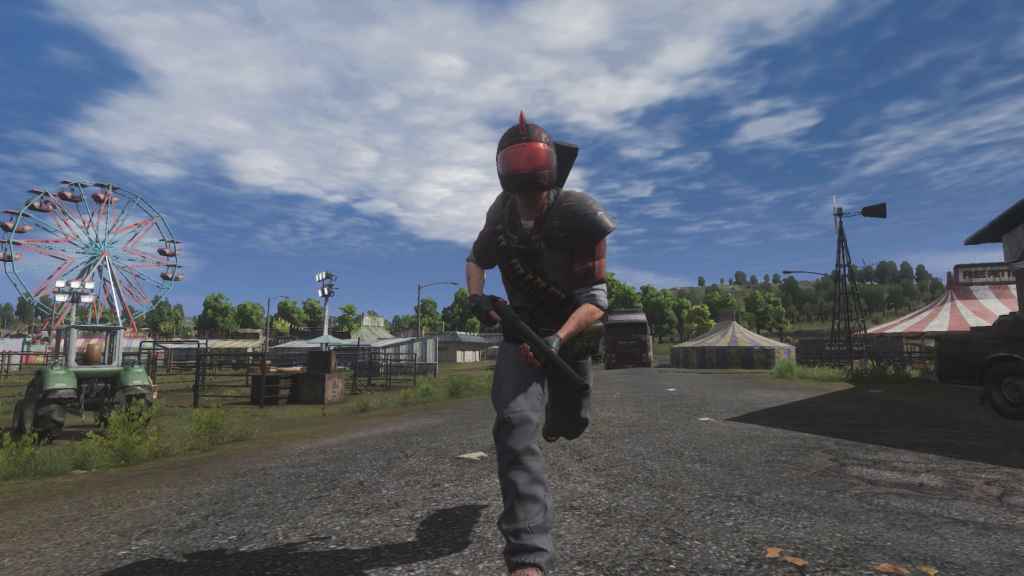
H1Z1 was one of the early kings of the battle royale boom, a scrappy, chaotic survival shooter that thrived on its rough edges. Gunfights were fast, unpredictable, and just janky enough to feel uniquely its own. It built a loyal player base that embraced its quirks, turning what could have been flaws into part of its identity. Before the genre exploded into what it is now, H1Z1 was a zombie survival title that was already there, carving out its space. When the boom really began to pick up speed, H1Z1 was right there with it, with SOE repurposing the title into one of the first high-quality battle royal titles. It was a beautiful mess that players understood instinctively.
Then came the Combat Update, a sweeping overhaul aimed at refining gunplay and making the experience feel more modern and competitive. The developers wanted cleaner mechanics, tighter shooting, and something that could stand toe-to-toe with rising competitors. Sound familiar? It was an attempt to sand down the rough edges and push the game into a more polished direction. The intent was clarity. The result was sterilization. Something vital was lost in translation.
Instead, it gutted the very feel that made H1Z1 special. Gunplay lost its identity overnight, movement felt off, and longtime players immediately rejected the changes. The community did not slowly drift away. It collapsed. Players left in droves, and the game never recovered its momentum, especially with new giants entering the space. This was not a stumble. It was a self-inflicted collapse that turned a genre pioneer into a memory. One update, and the pulse was gone.
What do you think? Leave a comment below and join the conversation now in the ComicBook Forum!