
The Nintendo GameCube is often remembered for its all-time greats. Games like Super Smash Bros. Melee, Metroid Prime, The Legend of Zelda: The Wind Waker, and Super Mario Sunshine helped define an era and remain deeply embedded in gaming culture. These titles showcased Nintendo at its most confident, blending creativity with mechanical polish in ways that still influence modern design. To this day, fans still discuss these games and celebrate them.
Yet the GameCube library ran far deeper than its most famous hits. Beneath the surface was a collection of experimental, ambitious, and sometimes strange games that never quite received the attention they deserved. Because of marketing missteps, genre confusion, or releasing alongside bigger names, these titles slipped through the cracks despite offering memorable gameplay and bold ideas. Today, these five games stand as some of the most underrated experiences on the iconic console.
5) I-Ninja

I-Ninja is one of the most overlooked 3D platformers of the early 2000s, despite being packed with creativity and mechanical variety. Developed by Argonaut Games, it blends traditional platforming with combat-heavy sections, vehicle segments, and puzzle solving in ways that constantly surprise the player. The game was overshadowed by bigger platformers at the time, but its creativity rivals many of the genre’s classics.
The game follows a small, agile ninja seeking revenge against a tyrannical sensei. While the plot is intentionally lighthearted, it provides a framework for wildly inventive level design. Each stage introduces new mechanics, from gravity-shifting puzzles to mech combat and even snowboarding segments. This constant reinvention keeps the gameplay fresh and unpredictable.
Visually, I-Ninja uses bold colors and exaggerated animations that give it a distinct personality. Environments feel playful rather than realistic, helping the game age better than many of its contemporaries. The controls are responsive, making platforming challenges feel precise rather than frustrating. For players who value variety and experimentation, I-Ninja remains a hidden gem within the GameCube’s library.
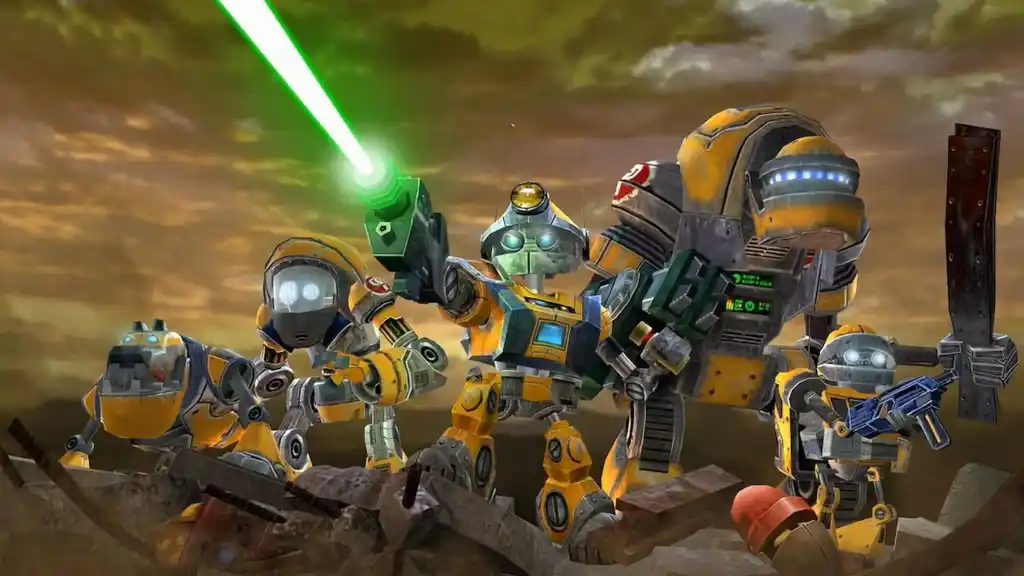
Metal Arms: Glitch in the System is a third-person action shooter that deserved far more recognition than it received. Despite strong reviews, Metal Arms struggled to stand out in a crowded market dominated by more realistic shooters. Its cartoonish aesthetic may have misled players about its depth. Today, it stands as one of the GameCube’s most polished and inventive action titles. It is set in a world ruled by hostile robots, and the game follows Glitch, a small but determined droid fighting back against a tyrannical machine army.
Gameplay is the star here. Combat blends shooting, platforming, and gadget-based mechanics seamlessly. One of the most memorable features is the ability to temporarily possess enemy robots, turning their weapons and abilities against them. This mechanic adds layers of strategy and humor to encounters, encouraging experimentation rather than brute force.
The level design is varied and imaginative, offering combat arenas, traversal challenges, and environmental puzzles. Weapons are creative, ranging from traditional blasters to bizarre devices that alter enemy behavior. The game’s pacing ensures that no mechanic overstays its welcome and keeps the player on their toes throughout their playthrough.
3) Geist
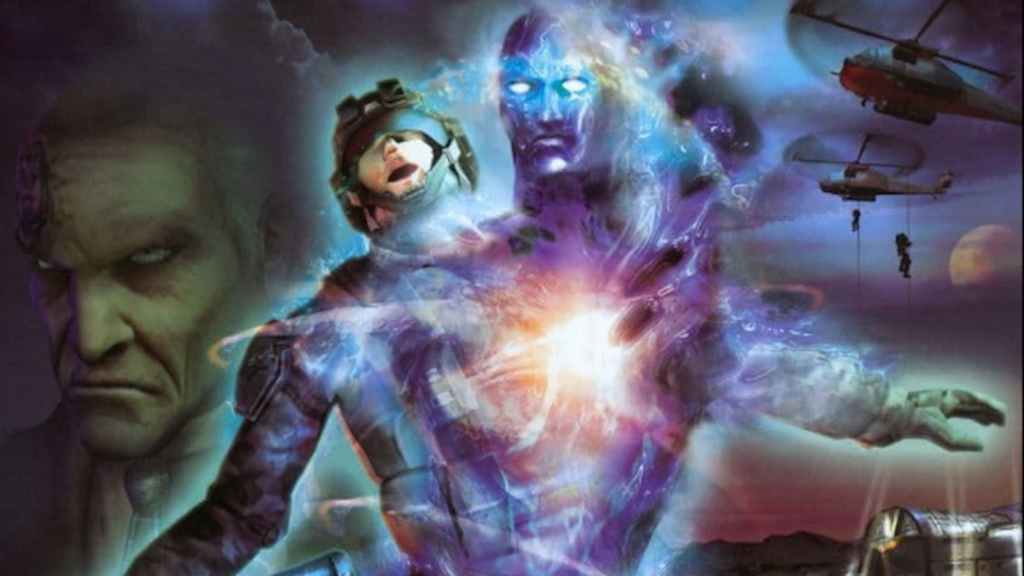
Geist remains one of the strangest and most ambitious games Nintendo ever published. Developed by n-Space, it blends first-person shooting with puzzle solving and stealth, all built around a unique possession mechanic. It was largely held back by its engine, leading it to slip through the cracks. Still, Geist stands out for its originality. Few games before or since have attempted to blend horror, action, and environmental interaction in such a bold way.
Players take on the role of a disembodied spirit trapped in a secret research facility. Instead of traditional combat, much of the gameplay revolves around possessing objects, animals, and eventually people to manipulate the environment. This leads to creative puzzles where players must think about how to scare or control enemies indirectly. One could argue that Geist set the foundation for Super Mario Odyssey on the Switch.
The tone of Geist is darker than most GameCube titles, leaning into psychological horror rather than outright violence. Environmental storytelling plays a major role, with logs and visual clues revealing disturbing experiments and hidden agendas. While combat sections exist, they are less polished than the possession mechanics, which may have limited the game’s appeal. But even so, it provided unique ways to approach encounters and remains engaging to this day.
2) Billy Hatcher and the Giant Egg
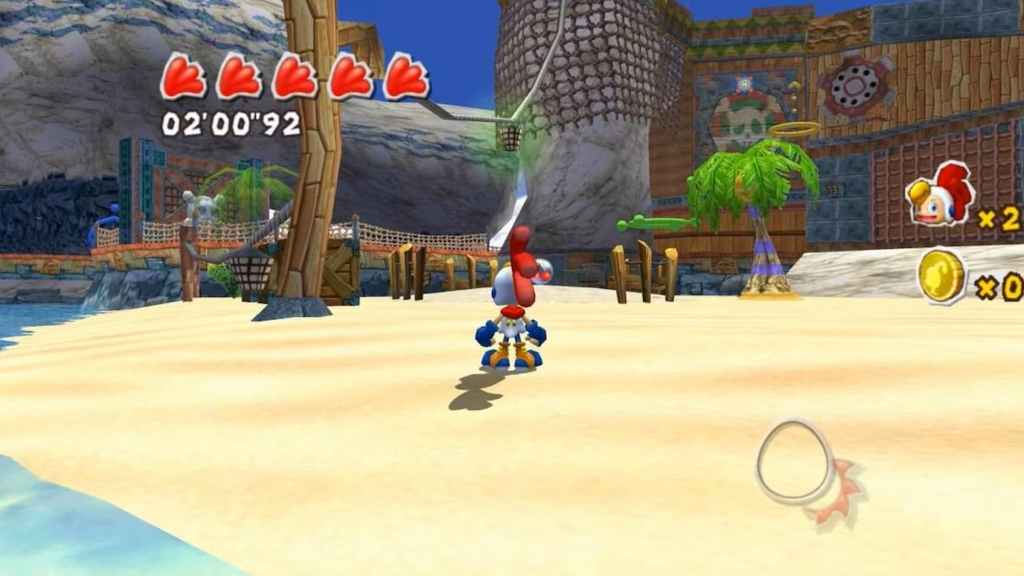
Created by Sonic Team, Billy Hatcher and the Giant Egg is a colorful and imaginative platformer that feels like a celebration of whimsy. Players control Billy, a boy transported to a fantastical world where eggs are the key to everything. The influences from Sonic are clear to see, but Sonic Team implemented a unique mechanic to make it stand out compared to the blue hedgehog.
The core gameplay revolves around rolling giant eggs through vibrant environments. Eggs are used to solve puzzles, defeat enemies, and hatch creatures that grant new abilities. This mechanic gives the game a unique rhythm, combining momentum-based movement with careful positioning. Visually, the game is bright and expressive, with exaggerated character designs and playful environments. Levels feel like storybook playgrounds, filled with secrets and alternate paths.
Despite its charm, Billy Hatcher struggled commercially. Its unconventional mechanics and lack of a recognizable mascot made it a tough sell. However, those who gave it a chance discovered a joyful and creative platformer that still feels distinct within the genre. With 3D platformers making a resurgence thanks to Astro Bot, one can’t help but wonder if Team Sonic should revisit this cult-classic title.
1) Star Fox Adventures
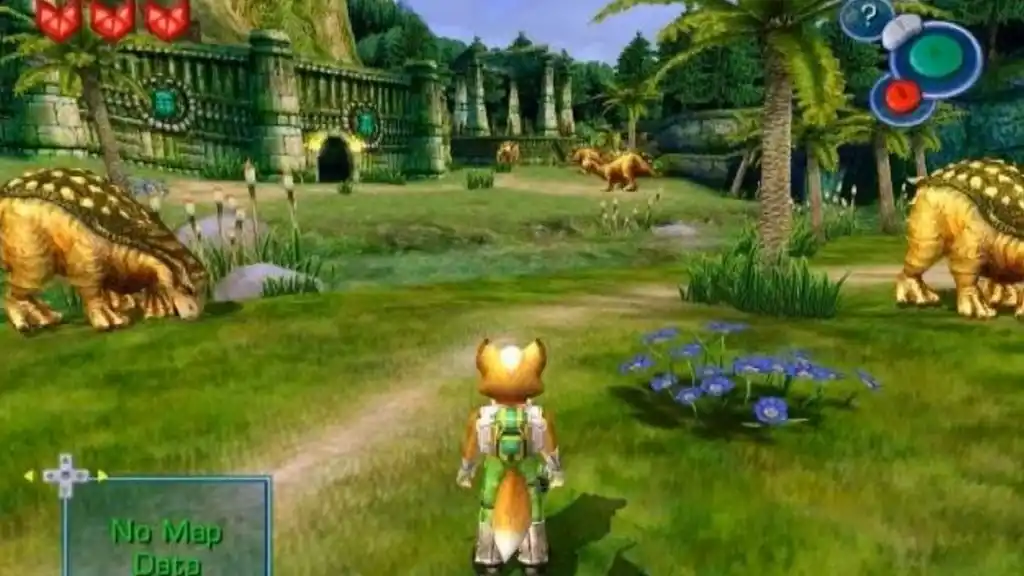
Star Fox Adventures is perhaps one of the most debated Nintendo games, yet it remains one of the GameCube’s most misunderstood games. Originally developed as an entirely new IP before being reworked into a Star Fox title, it blends action-adventure gameplay with exploration and puzzle-solving. Yet despite being an enjoyable title, it would be its name that saw it fail.
Players primarily control Fox McCloud on the mysterious planet of Dinosaur Planet, navigating dungeons, solving environmental puzzles, and engaging in melee combat. While the shift away from traditional on-rails shooting disappointed some fans, the game delivers a surprisingly rich adventure experience. Another aspect that surprised fans was the introduction of Krystal, a new character played through the prologue.
Visually, Star Fox Adventures is stunning. Its environments are lush, detailed, and atmospheric, showcasing Rare’s technical prowess. Character animations and cinematic presentation were impressive for the time, giving the game a sense of scale and immersion. However, many felt that the dinosaur planet did not fix the Star Fox universe, and so the game was criticized here.
Narratively, the game expands the Star Fox universe in unexpected ways, focusing on planetary politics and ancient threats. Its biggest flaw is its identity crisis, but taken on its own terms, Star Fox Adventures is a compelling action-adventure that deserved more appreciation than it received. Had it not been turned into a Star Fox game, it is possible it could have seen more success and been remembered more fondly.
What do you think? Leave a comment below and join the conversation now in the ComicBook Forum!