
Fantasy has produced some of Hollywood’s most enduring franchises because it rewards world-building on a scale that other genres cannot sustain. For instance, The Lord of the Rings continues expanding decades after Peter Jackson’s original trilogy concluded, with The Hunt for Gollum currently in production under the direction of Andy Serkis. In addition, Harry Potter, a franchise that generated over $9 billion theatrically across eight films, is undergoing a full-scale television reboot at HBO, with a planned seven-season adaptation covering each novel. Even a relative newcomer such as Game of Thrones has already launched two spinoffs, House of the Dragon and A Knight of the Seven Kingdoms, and continues developing additional projects that mine thousands of years of Westerosi history.
Fantasy is often built on invented languages, dynastic lineages, and cosmological mythology, which offer studios an almost unlimited supply of stories. Still, not every great fantasy film operates at the scale of a legendarium or a sprawling saga. On the contrary, some of the genre’s most emotionally devastating achievements derive their power from a defined world and a conclusion that closes every door it opened.
5) The Green Knight
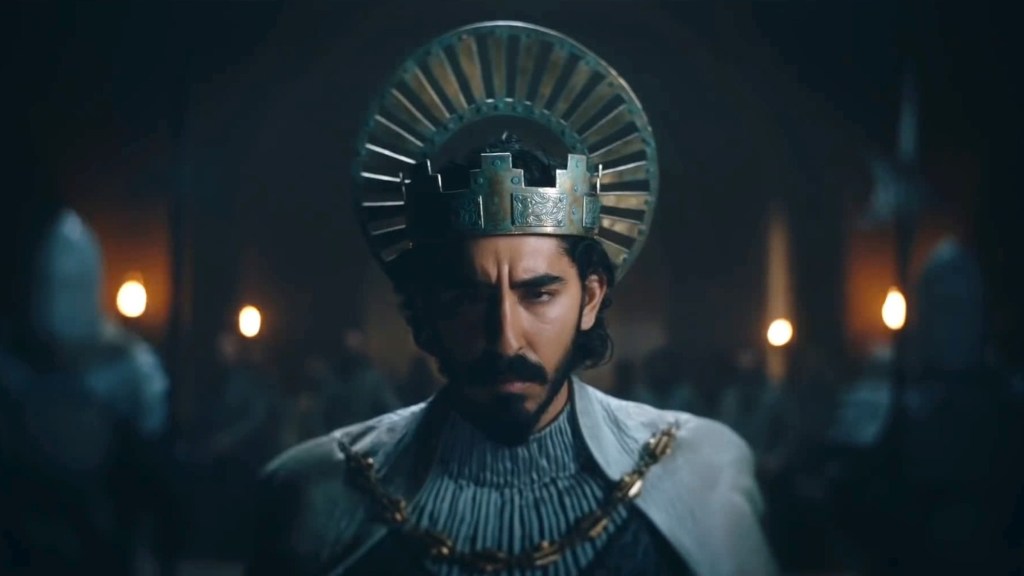
David Lowery’s adaptation of The Green Knight deliberately deconstructs the traditional heroism of Arthurian legends to deliver a slow-burning meditation on honor and mortality. The plot follows Gawain (Dev Patel), the untested nephew of King Arthur (Sean Harris), as he embarks on a doomed quest to fulfill a beheading game with a supernatural entity. Throughout his journey across a mystical landscape, Gawain repeatedly fails the standard moral tests of a knight, succumbing to fear, lust, and selfishness. The film culminates in a breathtaking sequence detailing a cowardly alternate future, before Gawain finally accepts his fate and bows his head to the axe. The production’s power lies entirely in its finality, as the ending serves as the ultimate thematic statement regarding the fleeting nature of life and the superficiality of legendary status.
4) Bridge to Terabithia
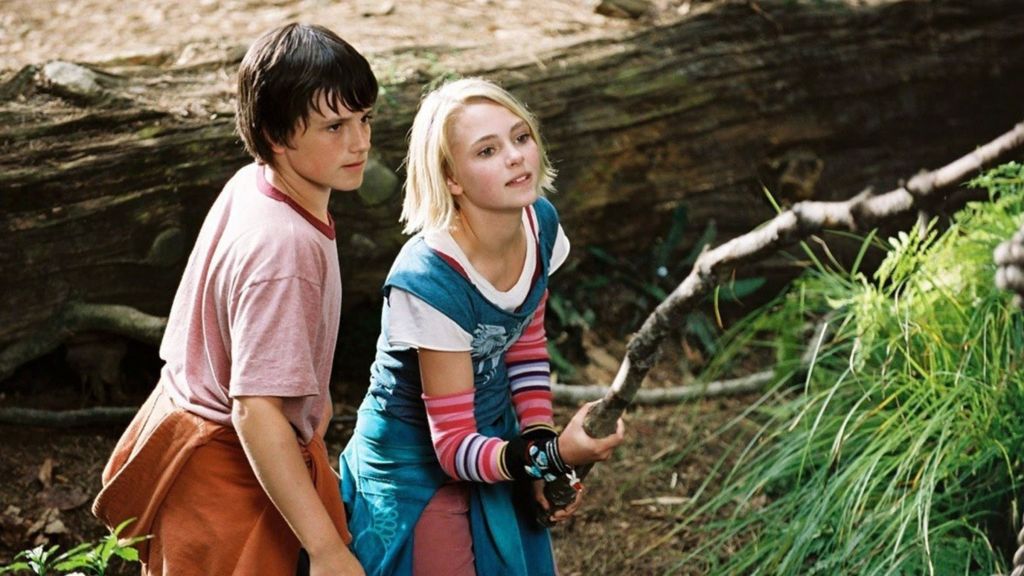
Unlike traditional portal fantasies that transport children to magical kingdoms, Bridge to Terabithia grounds its supernatural elements entirely within the imaginations of its young protagonists. The film centers on Jess Aarons (Josh Hutcherson) and Leslie Burke (AnnaSophia Robb), two outcast middle schoolers who invent the titular woodland realm as an escapist sanctuary from bullies, poverty, and difficult home lives. That means the digital creatures and fantastical landscapes they encounter are direct projections of their real-world anxieties, transforming the act of play into a vital psychological defense mechanism. Bridge to Terabithia takes a devastating turn when Leslie accidentally drowns, forcing Jess to confront grief and the sudden end of his childhood innocence. Any sequel to Bridge to Terabithia misses the point of the story, which was never about a sprawling lore, but instead about how we create stories to help us endure reality.
3) Big Fish

Tim Burton’s Big Fish utilizes the whimsical tropes of the fantasy genre to investigate the fractured dynamics between a dying father and his estranged son. The narrative follows Will Bloom (Billy Crudup) as he attempts to separate the factual history of his father, Edward Bloom (Albert Finney), from the extravagant tall tales the older man spent a lifetime spinning. These exaggerated flashbacks, featuring a younger Edward (Ewan McGregor) encountering witches, giants, and hidden utopian towns, function as colorful metaphors for the human desire to leave behind a larger-than-life legacy. The emotional climax of the production relies entirely on Will finally accepting his father’s mythmaking, culminating in a beautiful sequence where the son finishes the final fairy tale himself. This resolution provides a definitive closure to the family conflict, cementing the magical realism as a coping mechanism for mortality rather than an invitation for further world-building.
2) The Princess Bride

Rob Reiner’s The Princess Bride remains a flawless execution of the satirical fairy tale, operating entirely within the charming framework of a grandfather reading a cherished book to his sick grandson. The central romance between Buttercup (Robin Wright) and the farm boy-turned-pirate Westley (Cary Elwes) is intentionally built on exaggerated tropes, allowing the film to simultaneously poke fun at and celebrate the conventions of swashbuckling adventure. This meta-narrative structure ensures that every sword fight or giant encounter feels like a carefully curated bedtime story rather than a historical account of the fictional nation of Florin. The film even concludes with the quintessential happily ever after, rewarding its heroes with a perfect escape while reinforcing the emotional bond between the narrator and the young listener. The picture exists strictly as a perfectly packaged celebration of the oral tradition, completely ignoring the modern studio demand for sprawling mythology and deep franchise lore.
1) Pan’s Labyrinth
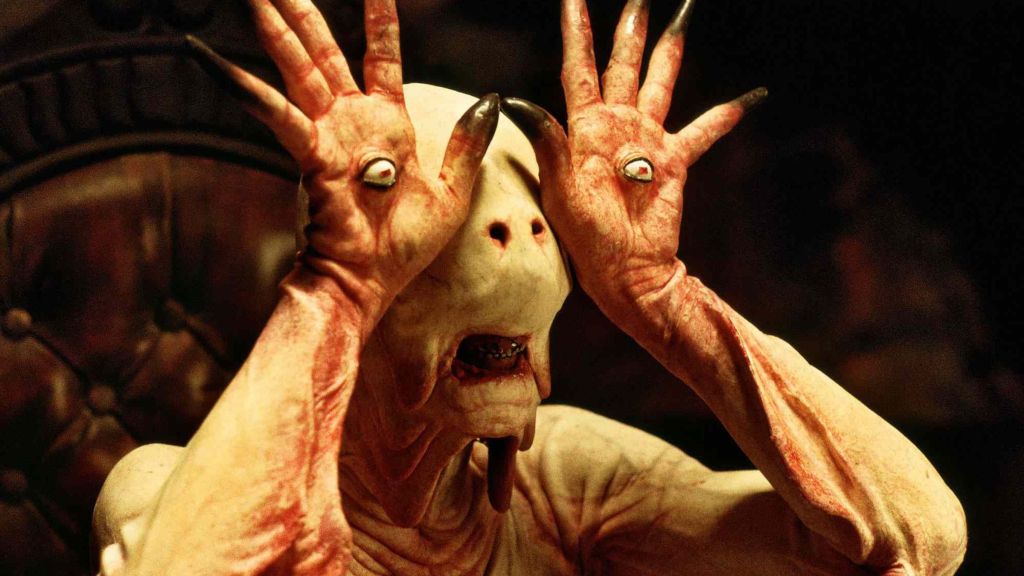
Set against the bleak backdrop of post-Civil War Spain, Guillermo del Toro’s Pan’s Labyrinth represents the absolute pinnacle of standalone fantasy filmmaking. The narrative contrasts the brutal reality of a fascist military encampment with the dark fairy tale experienced by young Ofelia (Ivana Baquero). Tasked by an enigmatic faun with completing three terrifying tasks to reclaim her title as Princess Moanna, Ofelia navigates a world filled with grotesque creatures like the child-eating Pale Man (Doug Jones). The brilliance of the film lies in its devastatingly ambiguous conclusion, which suggests that Ofelia has successfully entered her magical kingdom just as her physical body dies in the human world, an outcome that can also be just imagined by the girl. This delicate balance allows the fantasy to function simultaneously as an objective reality and a tragic psychological escape from fascist cruelty. Pan’s Labyrinth demands to be left untouched, serving as a haunting monument to the power of imagination in the face of absolute tyranny.
Which movie do you think tells the best standalone fantasy story ever? Leave a comment below and join the conversation now in the ComicBook Forum!