
One of the problems with the Marvel Cinematic Universe is that it made it all look so easy. Rather than appreciating how hard it really is to not only make one good movie, but make multiple good movies that then lead into a crossover movie that ALSO happens to be good, a lot of Hollywood thought the answer to “how to make a billion dollars” was simply “make a comic book movie universe.” As a result, a slew of adaptations and reboots have occurred over the last fifteen years in the wake of the MCU’s success, all of them with the hope that they might spur similar box office returns.
The trouble with a lot of the failures that have come in the wake of the MCU (and even the ones that preceded it) is that the bones were there. All of these adaptations could have been the bedrock for something really great, and an interconnected web of stories that is similar to what Marvel Studios has accomplished. Though something went wrong along the way in telling these stories on the big screen, the idea of maybe developing an entire franchise based on them wasn’t the problem; it was just the execution. With the right mind, any of these could really work.
7) Judge Dredd
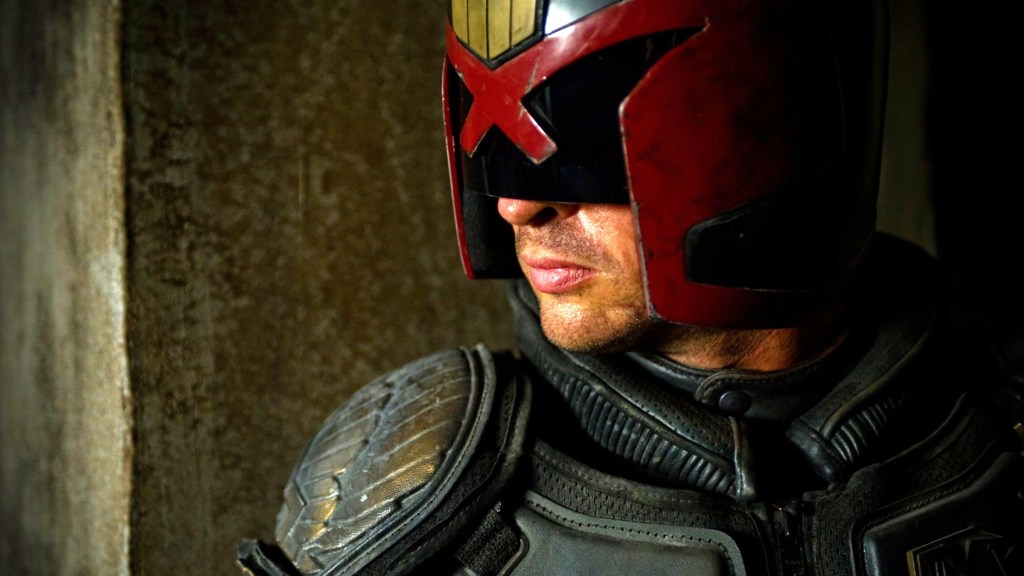
Two swings at bat with Judge Dredd have proven that this property simply may not be one for the big screen, even when done properly, like 2012’s adaptation, Dredd. Despite these lessons, there is a sci-fi world found within the pages of 2000 A.D. that should be the basis for something epic in scope on the big screen. Beyond the title character himself, we’re talking about a full roster of weirdos like the psychic Judge Anderson, a disgruntled clone of Judge Dredd himself, psychotic US Presidents like “Bad Bob,” and the apocalyptic Dark Judges. In truth, like a lot of comics, it’s a niche collective of lore, but a dense one that should make any genre fan interested.
6) Hellboy
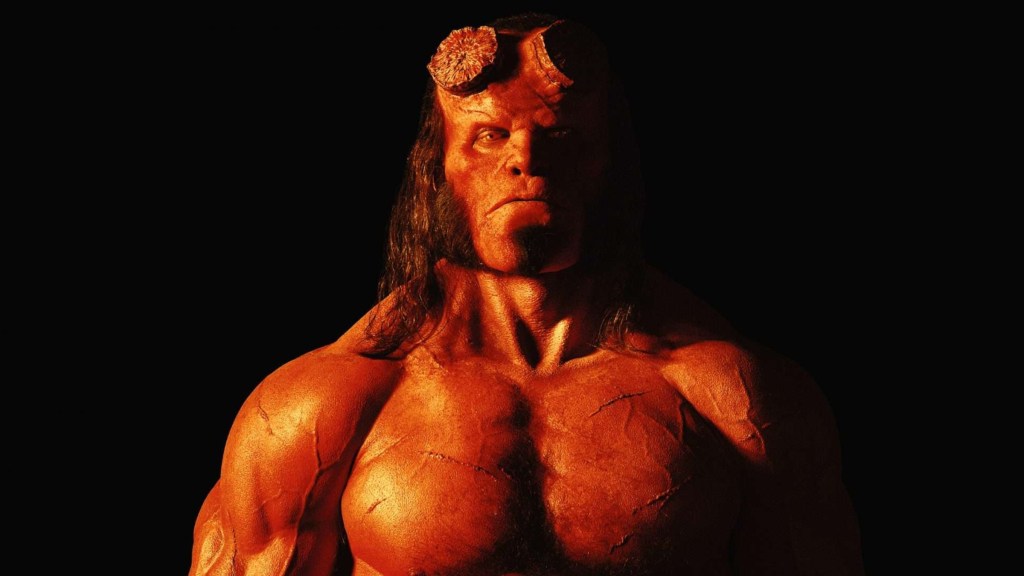
Every attempt to revive Hellboy for the big screen after Guillermo del Toro departed the series has been a mixed bag that failed to attract an audience, and it’s a crying shame. Given the density of the world created by Mike Mignola, Hellboy could be a media franchise that stands alongside Marvel and DC in its scope. Beyond Big Red himself, there are countless characters and teams that have their own stories that expand on the larger narrative, all of them distinct from each other tonally. The BPRD alone is something that should be the bedrock for a movie franchise, and that’s not even counting solo stories for Abe Sapien and spinoff characters like pulp noir hero Lobster Johnson, the folk horror of Witchfinder, the WWII set Sledgehammer 44, and the extended adventures of Frankenstein’s monster. The good news is that even if a movie and TV series can’t capture that magic, the comics are all there to enjoy.
5) Bloodshot

The real reason that Vin Diesel’s action movie failed to get off the ground wasn’t just its critical appraisal, though it does have a dismal 32% score on Rotten Tomatoes, but that the film opened on March 10, 2020, days before the United States shut down completely due to the COVID-19 pandemic. That doesn’t change the fact that the Valiant Universe could very easily become a sprawling, interconnected franchise on the big screen in the right hands. Not only could a character like Bloodshot, a near-indestructible assassin, carry his own series of movies, but he would pave the way for the likes of Ninjak (what if James Bond were also a ninja), the Eternal Warrior, Rai, Shadowman, and X-O Manowar.
Though the Valiant characters are quite niche even within comics, they’re not carbon copies of more famous counterparts, but fully realized heroes with distinct abilities and backstories. X-O Manowar, for example, is a 5th-century barbarian who bonds with an intergalactic space armor to; while The Eternal Warrior is a fighter literally chosen by planet Earth to act as its fist. That’s not even touching on the Harbinger franchise, as pure an answer to the X-Men as you can find in comics.
4) Spawn
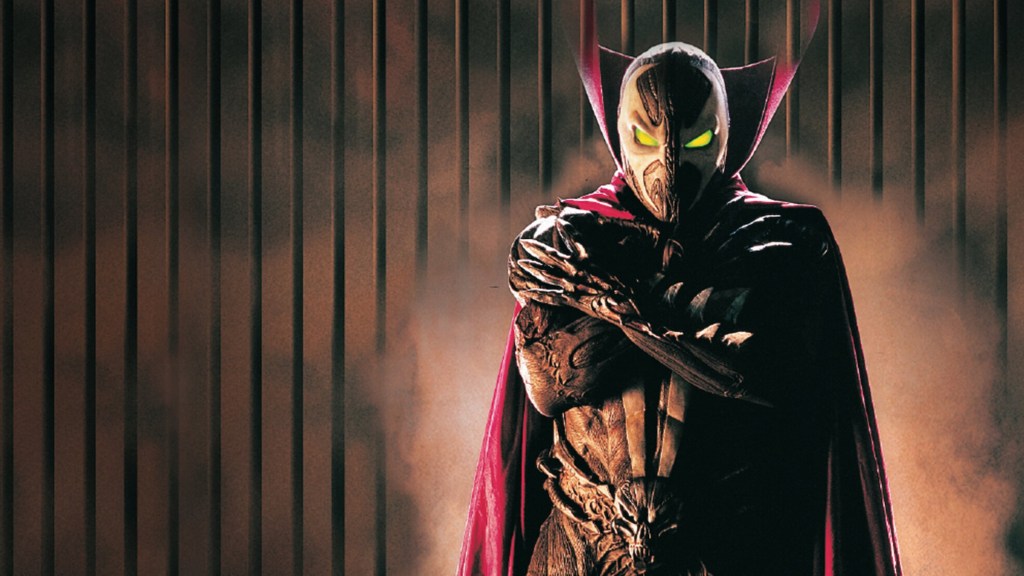
Todd McFarlane’s iconic Image Comics series has been dying for a revival ever since the 1997 feature film flopped, and it’s easy to see why. Not only has McFarlane been able to keep the series going nonstop since it began in 1992, but it has expanded in major ways. Not only is the story of Al Simmons one that can carry a franchise, along with the many supporting characters and antagonists he’s encountered, but the multiple iterations of Hellspawns from other eras are distinct enough to carry their own narratives, too, such as Gunslinger Spawn and Medieval Spawn. Though attempts to revive the property for the big screen have been underway for almost a decade now, it’s unclear how close we really are to a new live-action Spawn.
3) The Spirit
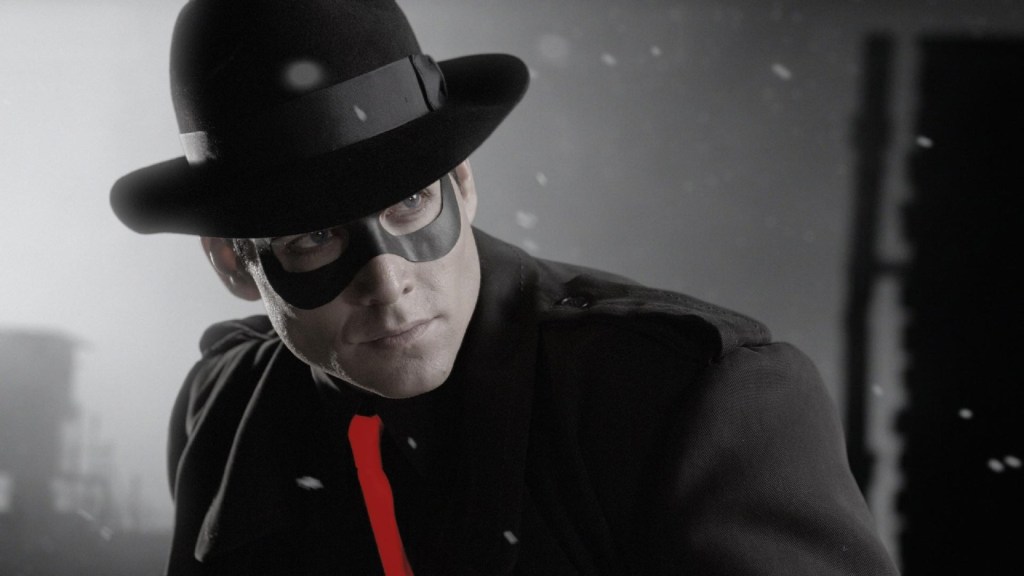
Will Eisner’s iconic comic strip series was brought to life once before with the 2008 film written and directed by Frank Miller, holding a paltry 14% on Rotten Tomatoes. The world that Eisner created was influential on the comic form as a whole, but the decades’ worth of stories are also a clear blueprint for what could be a proper film franchise. With a rotating cast of femme fatales, an antagonist that has a penchant for disguises, and an everyman hero in a grimy and gritty noir world, it’s a shame that the potential for this series will never be fully realized after the bombastic failure of the movie itself. Even if the idea of comic books and superheroes has evolved beyond a regular guy in a mask for some audiences, if done well, it could be exciting and distinct.
2) Green Lantern
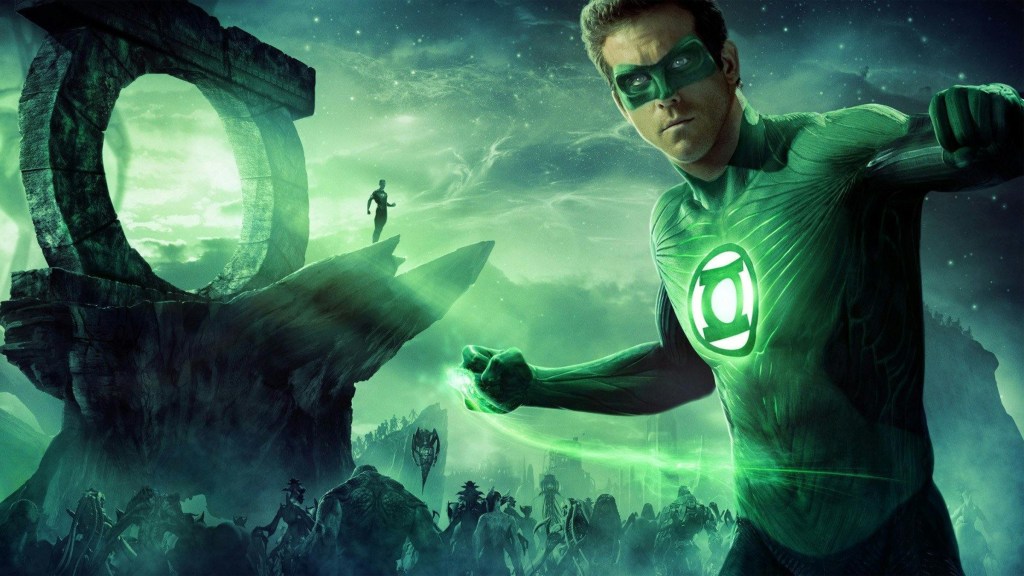
It’s easy to dogpile the 2011 superhero movie with Ryan Reynolds, even the star himself does it routinely, but the potential for Green Lantern as a film franchise was avoided by every decision made in the film. Naturally, being the first entry, it had to do a lot of heavy lifting, but what comic readers could tell from the jump is that the adaptation completely lacked the imagination that is an integral piece of Green Lantern storytelling. Beyond simply using knives and guns for its light constructs, the larger lore of the emotional spectrum in DC Comics was completely absent. All these elements, when done right, could foster a franchise that doesn’t even need the Justice League or other DC heroes. Luckily, the DCU has already proven that it knows what it’s doing with the use of Nathan Fillion as Guy Gardner in last summer’s Superman, plus the impending TV series, Lanterns.
1) Sony’s Spider-Man Villain Spinoffs
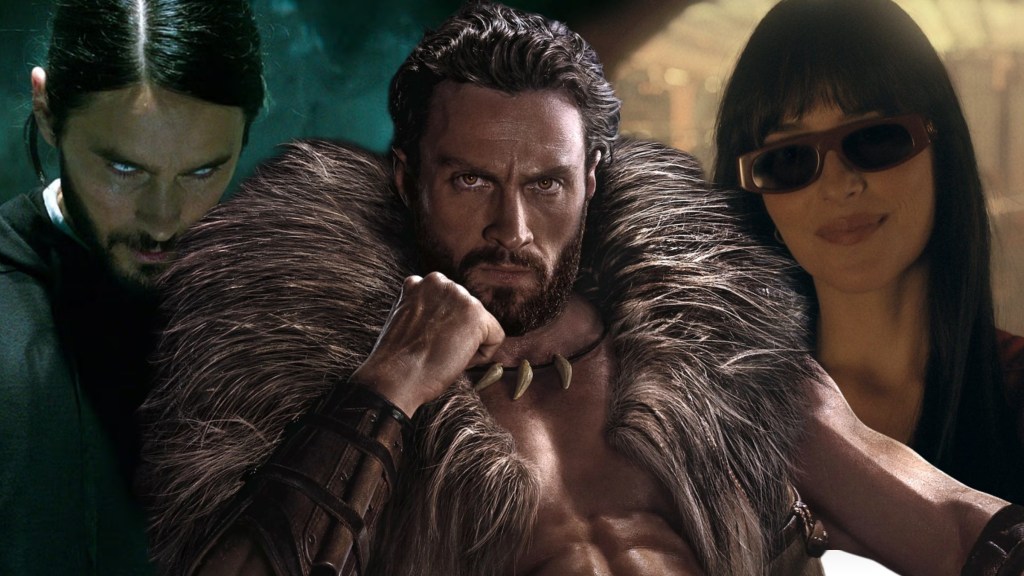
It’s easy to ridicule a studio for making a movie about Morbius the Living Vampire, a C-list (at best) character from the pages of Marvel Comics, but only because it was as terrible as predicted (and because it was released in theaters two times). The truth of the matter is that the idea behind spinoff movies about Spider-Man villains and other characters from his corner of the Marvel Universe…isn’t a bad one. The problem with Sony’s films is that they lacked any kind of cohesion or plan and depended exclusively on the name recognition and vague Marvel association in order to sell themselves to an audience.
There is also the larger problem of “how do you make these movies without mentioning Spider-Man at all,” a problem they largely danced around in vague and sometimes funny ways. It seems like, given the right talent involved and someone behind the scenes who could actually come up with an idea to tie everything together, there would be a lot of potential in something like this. Does a character like Doctor Octopus need his own solo movie explaining how he got his arms? Probably not. But could you do a heist movie where the thief happens to have four robotic arms stuck into his back? Once again, the big problem of course is that, like J. Jonah Jameson, the people demand to see pictures of Spider-Man, and not the B-level villains from his comics.