
As far as filmmakers go, few can claim to be as influential in modern cinema as Quentin Tarantino. The director’s unique style, which involves gratuitous violence, large ensemble casts, and often non-linear storytelling, is secondary to his immense love of cinema, and that usually shines through in his movies. The best of Quentin Tarantino’s movies often feature elements that cause considerable conversation among his fans, as the addition of fascinating minor details often elevates his films to contain elements of mystery. These minor touches have helped Tarantino’s work become some of the best-loved in modern cinema, and have also led to his movies becoming widely talked-about for those elements of interesting trivia or subtle moments that demand attention.
While Quentin Tarantino’s “ten movies” edict often gets considerable press about how much longer he will continue in Hollywood, by far the most talked-about element of his movies is the theories that swirl around them. From explanations for ambiguous moments to speculation on Tarantino’s occasionally meta approach to storytelling, there have been many great theories about the director’s work. Some of them are clever and wild enough that they just might be true, although others are a little more out there.
8) The Hateful Eight Is A Remake Of The Thing
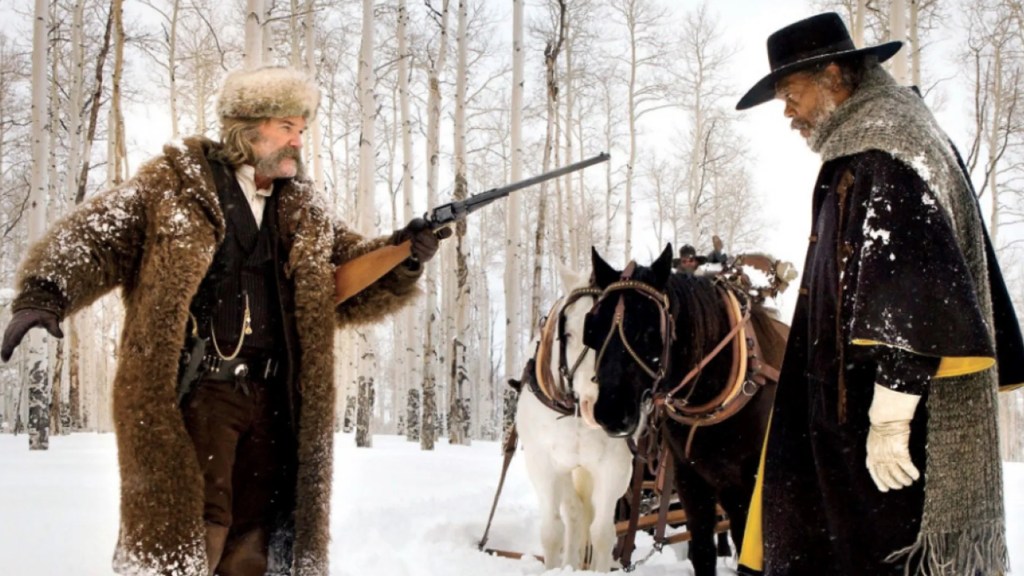
The Hateful Eight might not have made quite the same splash as other Tarantino movies, but there is a theory that it’s a secret remake of John Carpenter’s best movie, The Thing. While its Western setting takes the place of The Thing‘s sci-fi elements, the overall sense of paranoia among its cast, who are isolated in a remote, snowy location, is cited as key evidence for this theory. Add to that the similarities in the two movies’ respective endings, and the theory certainly seems possible.
7) Pulp Fiction & Reservoir Dogs Are Set On The Same Day
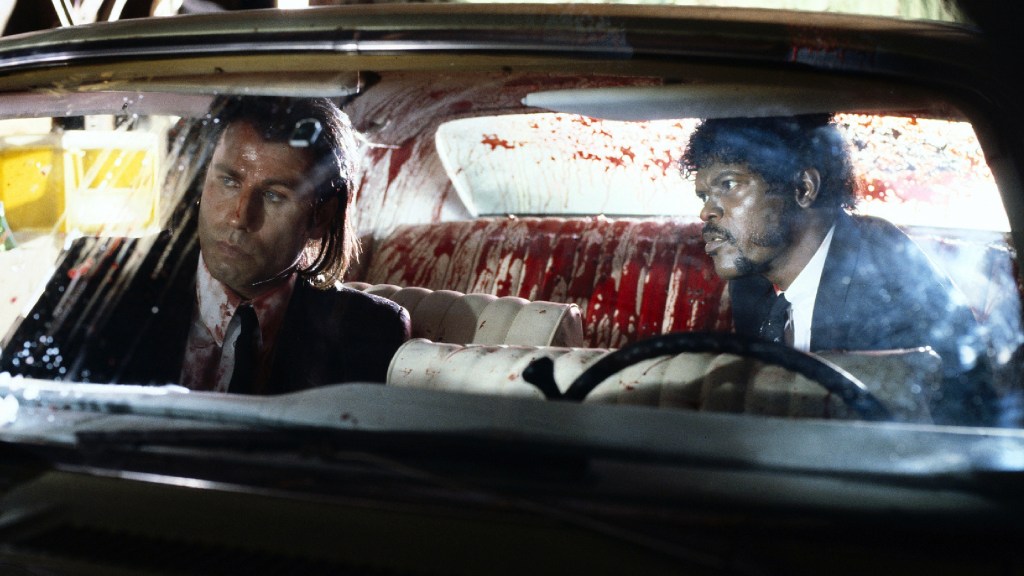
Tarantino’s movies Reservoir Dogs and Pulp Fiction are considered perfect 1990s movies, but one theory speculates that the stylistic links between the two run far deeper than they seem. The theory believes that the two movies are set on the same day, largely pointing to the scene in which Vince and Jules drive around in a blood-spattered car without being stopped by the police. The theorist asserts that this is because the police were busy dealing with Reservoir Dogs‘ heist. While it makes sense, it seems unlikely that there’s much truth in the theory.
6) Marsellus Wallace’s Briefcase Contains His Soul
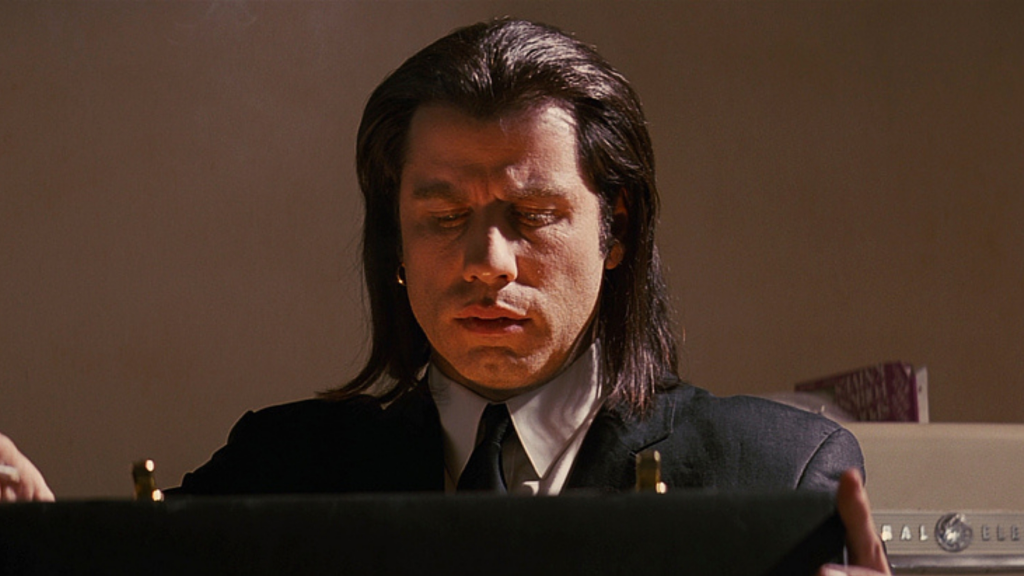
Of all the theories about the contents of the briefcase in Pulp Fiction, it containing the soul of Marsellus Wallace isn’t the most likely, but it is one of the most genius. Fans have provided a wealth of evidence to support the idea, including marks on Marsellus’ neck and his 666 tattoo, which they believe indicate his potential deal with the devil. There’s a reason it remains one of the most popular theories about the briefcase’s contents, and though it seems far-fetched, it’s a very clever notion.
5) Robert Rodriguez’s Movies Are Set In The Tarantino-Verse
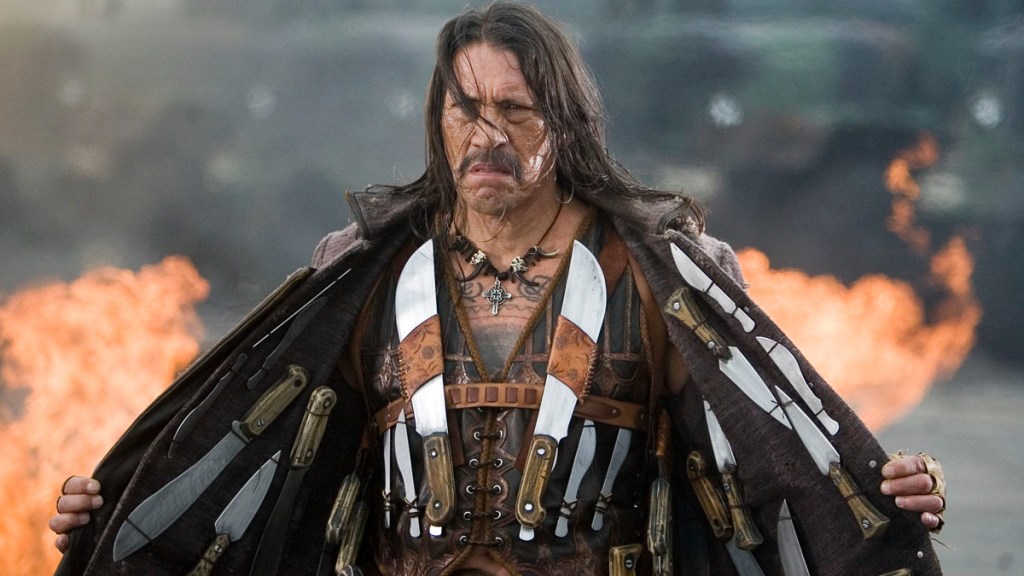
Though Robert Rodriguez’s movies don’t quite match up to Tarantino’s in terms of overall success, the two directors’ work has been linked on more than one occasion. One theory suggests that multiple Rodriguez movies, including Machete, are set in Tarantino’s fictional movie universe, alongside some of the director’s own movies-within-movies. Evidence to support this includes shared actors and props appearing in both directors’ movies, making it possible, especially considering many of their movies share a similar violent grindhouse tone.
4) The 3-Finger Gesture Wasn’t The Tell It Appeared To Be
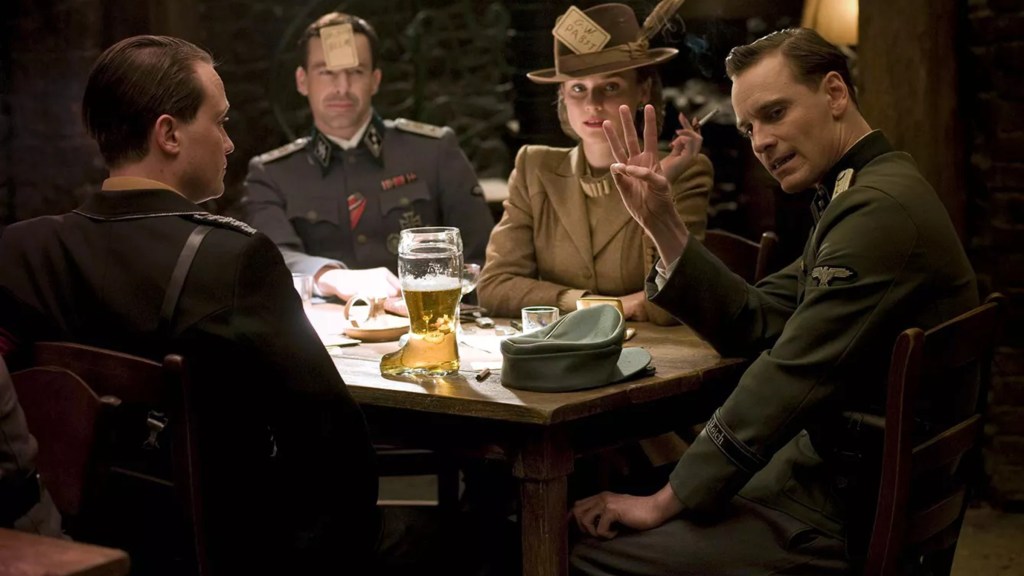
The scene in which undercover British soldier Lt. Archie Hicox reveals himself to his Nazi companions is remembered as a perfect movie scene in many ways, and the three-finger gesture has now become synonymous with subtle displays of ignorance becoming a person’s undoing. However, one theory suggests that it wasn’t the reveal it appeared to be. The theory goes that Major Hellström instantly recognized Hicox as a spy, but allowed him to further implicate himself before acting. The gesture was simply one mistake too many for Hicox, forcing Hellström’s hand. It’s almost impossible to prove, but as theories go, it’s both incredibly clever and solidly compelling.
3) Bill Doesn’t Really Die In Kill Bill Vol. 2
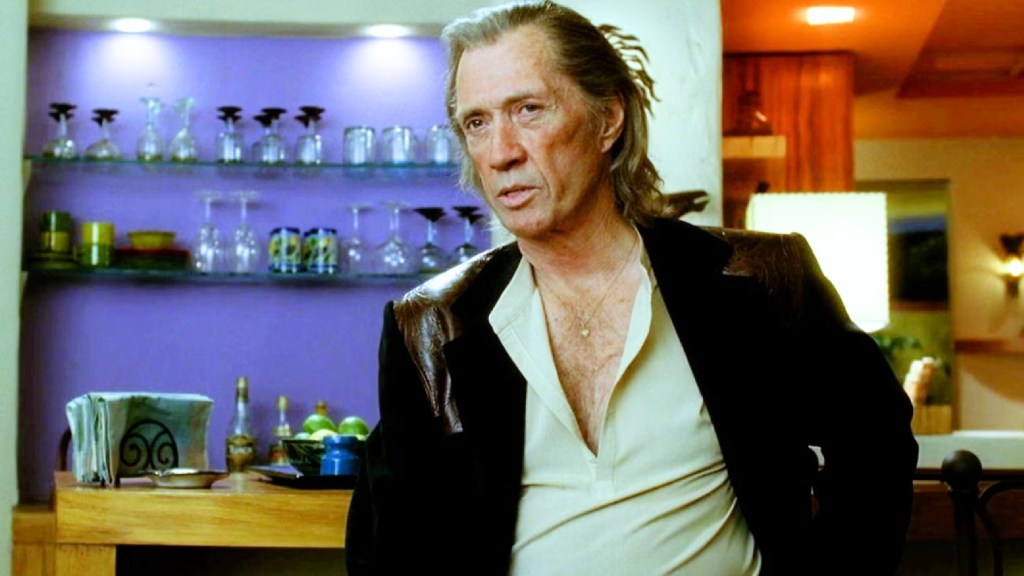
There are a number of theories about Quentin Tarantino’s Kill Bill that hold water with fans, but one of the smartest asserts that Bill doesn’t actually die in the end. Beatrix’s use of the Five Point Palm Exploding Heart Technique on Bill is theorized to have been ineffective, and Bill’s supposed death is asserted to be playacting in order to allow Beatrix to take their child from him. There are actually many small details that seem to point to this theory being true, making it one of the most plausible Tarantino theories in circulation.
2) Once Upon A Time In Hollywood’s Ending Is Cliff Booth Hallucinating
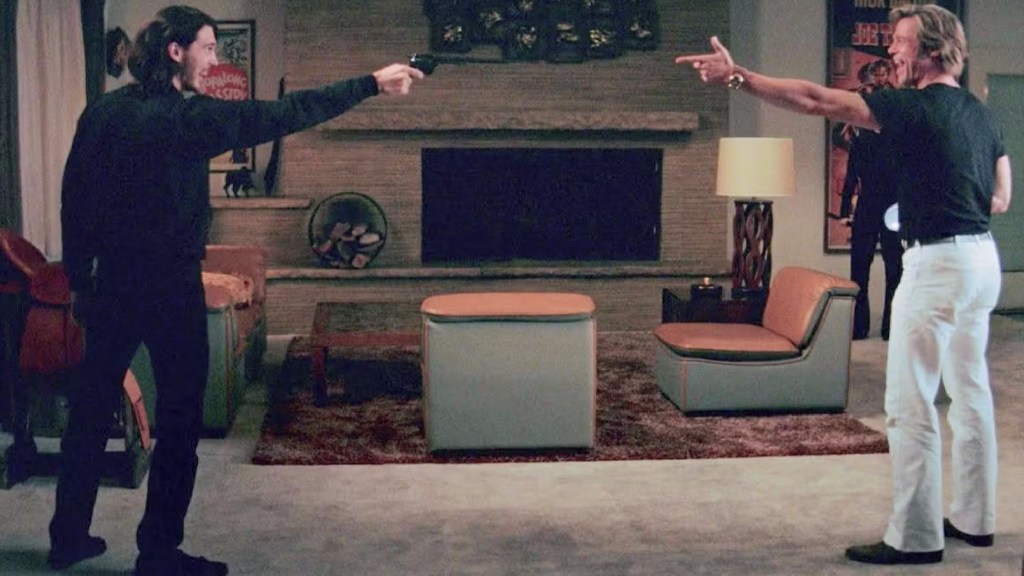
The ending of Tarantino’s Once Upon a Time in Hollywood is an incredible example of the director’s unique filmmaking traits, but one theory speculates that it isn’t entirely real. The theory points to Cliff Booth’s use of hallucinogenic drugs shortly before the final confrontation as evidence that the stuntman is an unreliable narrator. Though proving the theory is all but impossible, it does explain how the unlikely string of events seemingly all worked in Booth’s favor, including his apparent enhanced strength and reactions in the final fight with Manson’s followers.
1) Inglourious Basterds Establishes The Alternate Timeline Of Tarantino’s Universe
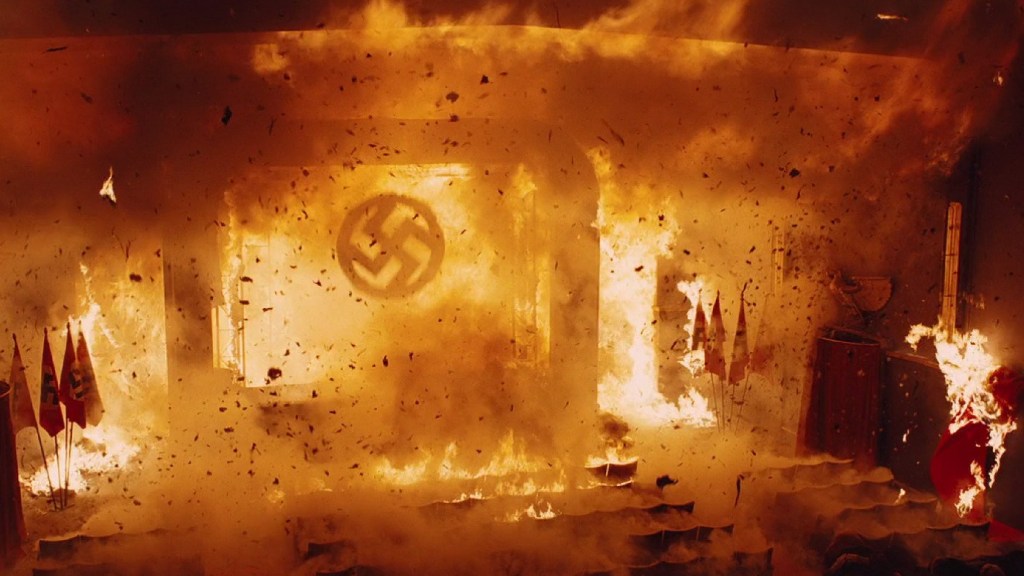
Quentin Tarantino has confirmed that he considers some of his movies to be set in a “Realer Than Real” Universe, while others are movies within movies. One clever theory explains that Inglourious Basterds‘ ending, in which World War II ends a full year earlier when Hitler meets an explosive end, establishes an alternate timeline that explains the desensitization to violence depicted in other Tarantino movies. The violent but abrupt end to the war supposedly led to a modern society less inclined to shirk away from violent acts, leading to the stories of Pulp Fiction and Reservoir Dogs. As Tarantino fan theories go, it’s logical and hard to refute, making it seem particularly convincing.
What do you think? Leave a comment below and join the conversation now in the ComicBook Forum!