
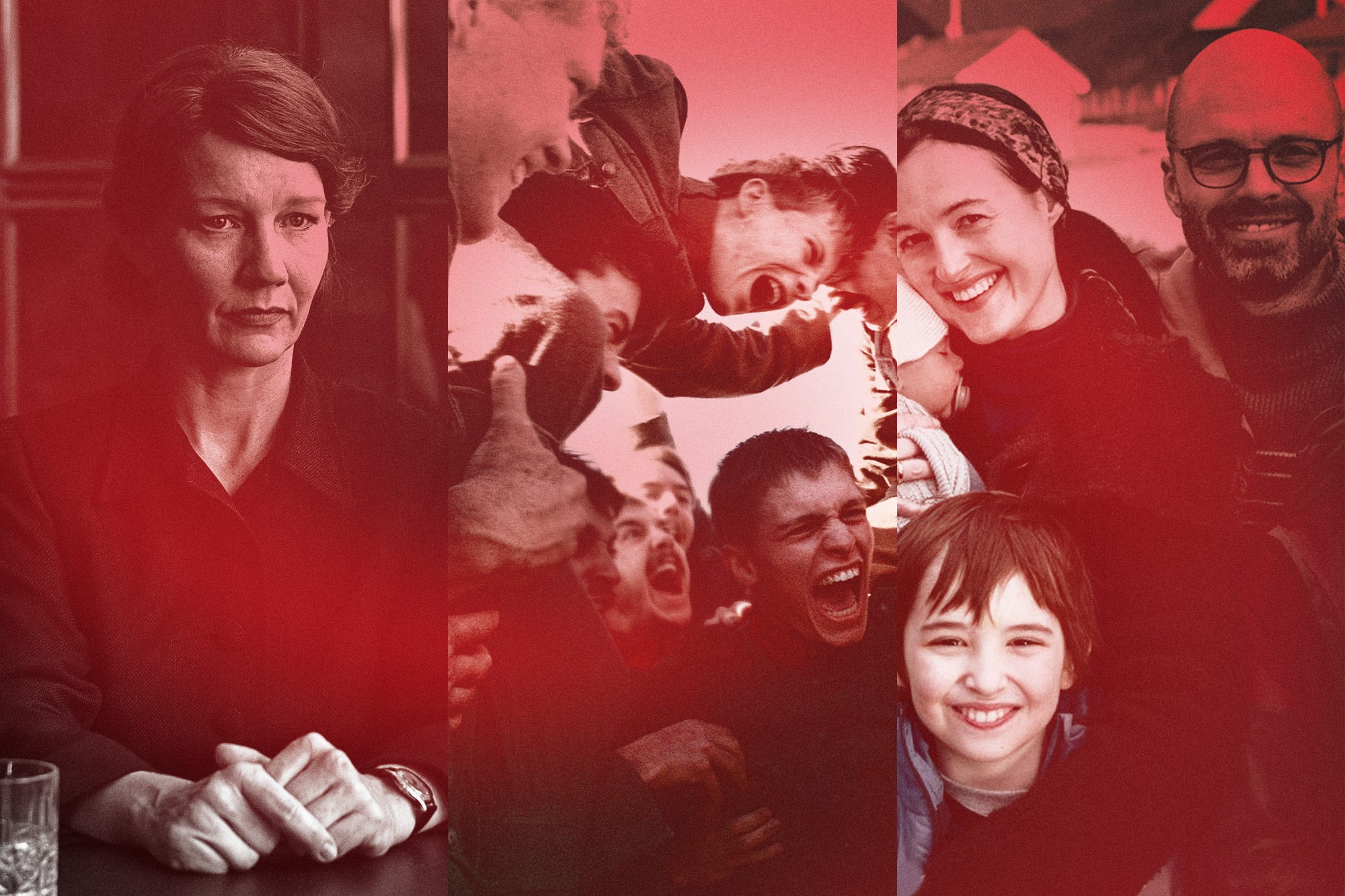
Whether you’re fully up to date on the name of every international auteur or, like me, constantly surprised by names as they emerge, the announcement of the Cannes Film Festival is a cause for celebration. Revealed this morning by festival head Thierry Frémaux, the lineup had the usual mix of long-rumored sure thing contenders and total surprises, leaning heavily on European and Asian filmmakers. For the first time since 2010, there’s just one American film in competition right now (Ira Sachs’ latest, which I’ll get into below; the hope from Frémaux himself is that James Gray’s Paper Tiger will also find its way to the competition slate shortly). Still, there are plenty of major names in the mix, from familiar stars working with acclaimed auteurs (Sebastian Stan and Cristian Mungiu, Rami Malek and Sachs) to directors whose breakthrough moments may finally have arrived.
Obviously, we don’t know yet if any of these movies will be any good! The festival itself doesn’t kick off until May 12, and every year it launches at least one film from a revered director that flops spectacularly. (Former Palme d’Or winner Julia Ducournau’s Alpha was last year’s version, if you need a reminder, and who could forget 2024’s Francis Ford Coppola boondoggle, Megalopolis.) But for now, these titles are nothing but potential, either as future arthouse favorites or, as is almost inevitable these days, Oscar contenders. Here are nine Cannes movies I’m particularly eager to hear all about.

Rami Malek won an Oscar for Bohemian Rhapsody, but this could be the musical that wins him true cinephile cred. Sachs, a revered New York-based indie filmmaker, returns to Cannes with what’s described as a “musical fantasy,” starring Malek alongside Tom Sturridge, Ebon Moss-Bachrach and Rebecca Hall (she was terrific in Sachs’ last film, the little-seen Peter Hujar’s Day). Malek plays a downtown New York artist in the 1980s-set film, “in an extraordinary moment between great illness and death when, still, all beauty and love is possible.”


We’ve already got a first-look image at this film from the Romanian director, who won the Palme d’Or in 2007 with 4 Months, 3 Weeks and 2 Days, and is working with major stars for the first time. Recent Oscar nominees Renate Reinsve and Sebastian Stan — unrecognizable with a shaved head! — star in the family drama set in Norway, about a family who moves there from Romania. (Stan, who moved to the United States from Romania as a child, will presumably have a lot of interviews ahead about returning to his roots.) Neon, which has distributed an absurd six consecutive Palme d’Or winners, snatched this one up last year.

There are no big-name stars in this sci-fi drama, but Kore-eda — who won the Palme d’Or for Shoplifters in 2018 — is the big draw here. The story has a lot of promise, too, sounding like a riff on Steven Spielberg’s A.I., in which a couple grieving the death of their son adopt a humanoid robot to replace him. Kore-eda has been critically adored for decades but has yet to have the kind of big awards season breakout that other international auteurs have enjoyed in recent years. It’s just a hunch for now, but it really feels like this could be Kore-eda’s moment. (If you can believe it, Neon has the North American rights for this one, too. Crazy, I know.)

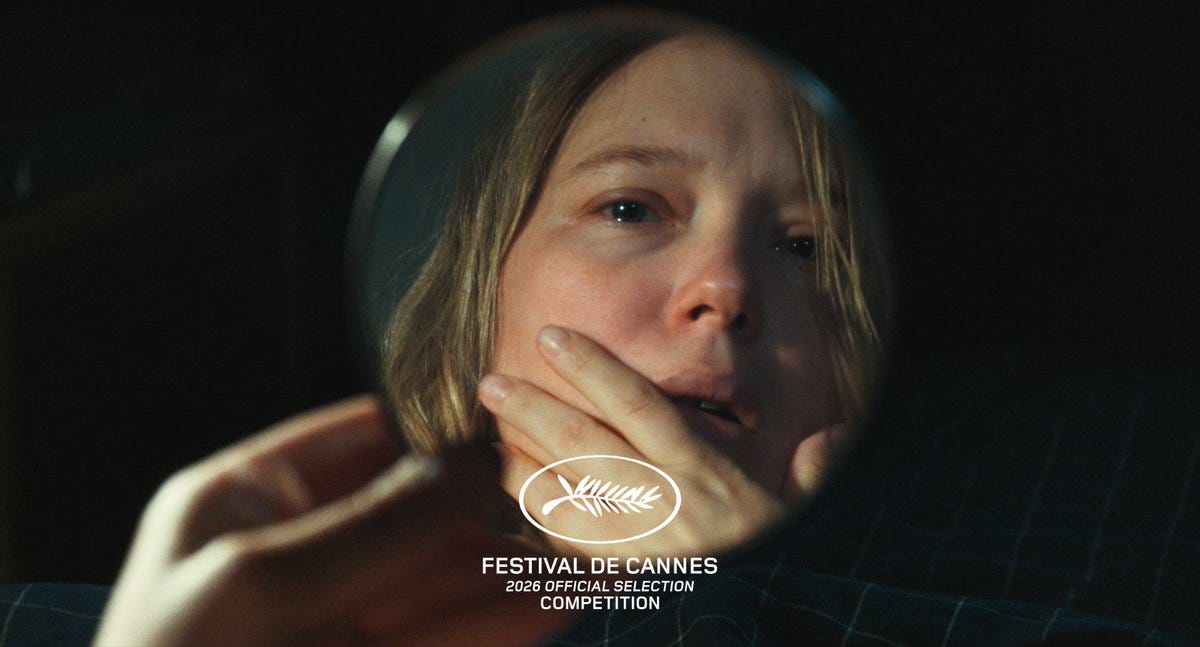
After winning the Oscar for co-writing Anatomy of a Fall with his partner, Justine Triet, Harari is stepping into the director’s chair (with Triet as a co-writer) for The Unknown. The film stars Léa Seydoux, and Harari has described it as a mixture of “realistic urban chronicle, fantasy film, investigation, melodrama and daydream.” There’s also apparently a body-swap angle! Stop me if you’ve heard this before: Neon has the North American rights.

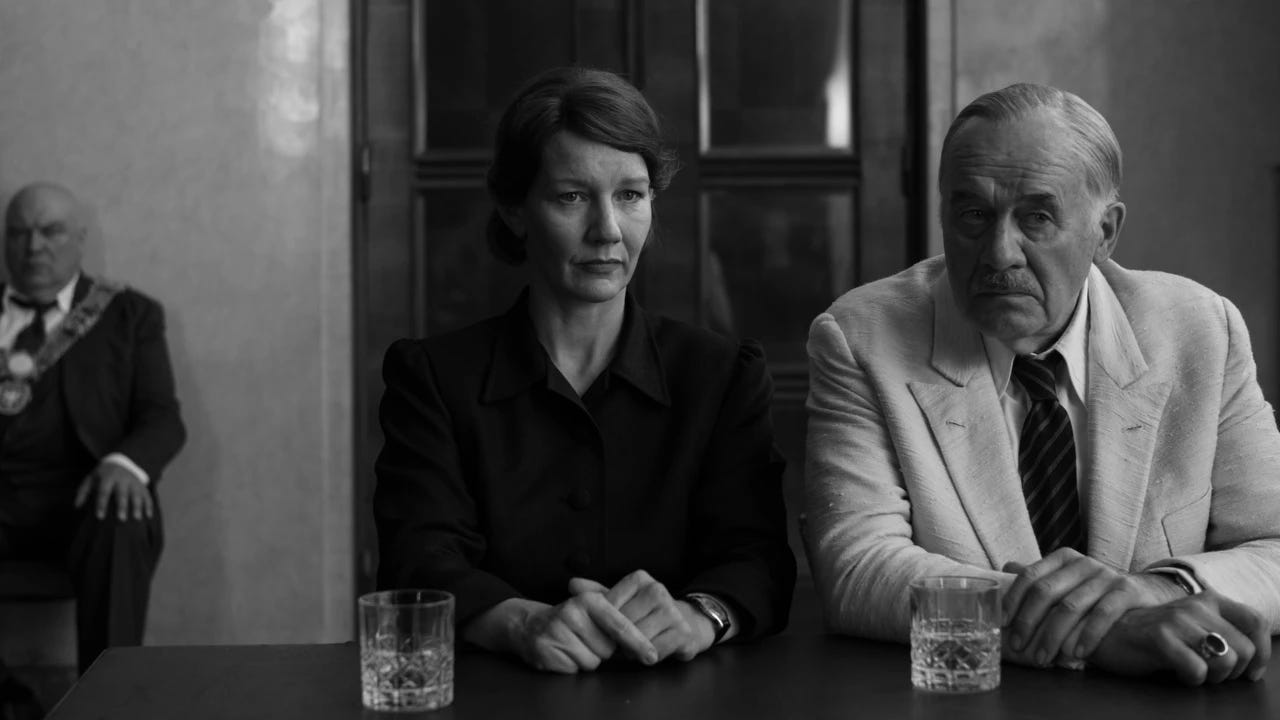
Speaking of Anatomy of a Fall: Riding high as the co-star of one of the most successful movies of the year, Sandra Hüller will return to Cannes with something completely different. Working with Pawlikowski, a best director Oscar nominee for Cold War and the director of international feature winner Ida, Hüller plays the daughter of the author Thomas Mann (played by Hanns Zischler) on a Cold War-era road trip from East to West Germany. Mubi has this one in North America (and also picked up Hüller’s Berlin winner Rose; busy year for her!).

The director duo known as “Los Javis” has long been a big deal in Spain, so well-known that they serve as judges on the Spanish versions of The Masked Singer and Drag Race, and their Madrid home has been featured in Architectural Digest. They announced their breakup as romantic partners while The Black Ball was still in production, which made national headlines, but they still intend to work together and are likely to have a major international breakthrough. The Black Ball, set across different decades and described as “exploring the interconnected lives of three gay men,” stars the single-named Spanish musician Guitarricadelafuente, plus the Oscar-winning Penélope Cruz and the legendary Glenn Close. It’s impossible to know what we’re in for with this one — exactly the joy of a proper Cannes discovery.

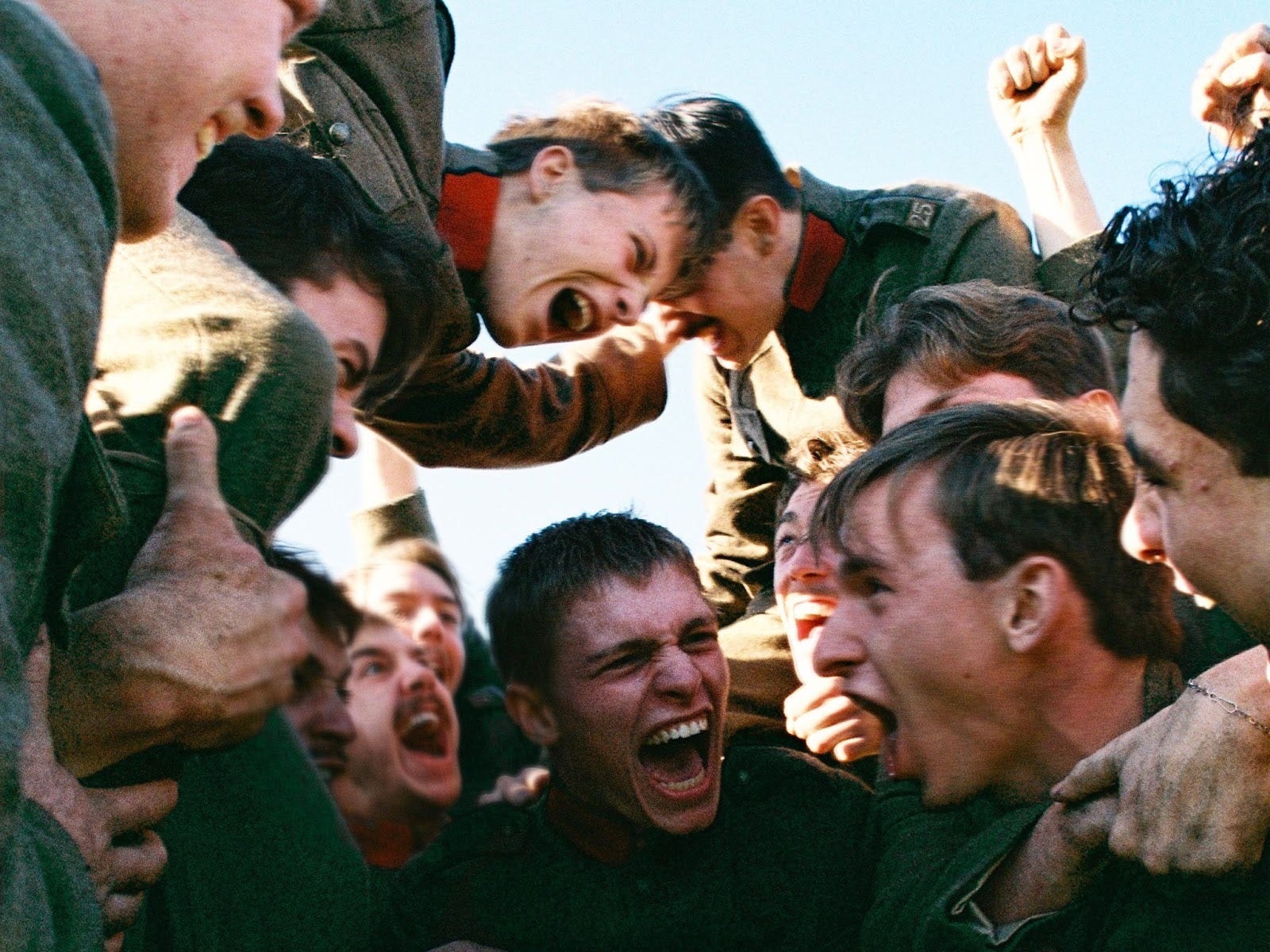
The Belgian director of Cannes hits Girl and Close returns with a World War I drama that seems a little more focused on the emotions than the bloodshed; as the logline puts it, “Pierre, a young Belgian soldier, wants to prove himself on the battlefield during the First World War. Behind the frontlines, he meets Francis, who is asked to find a way to boost morale.” Following the Cannes announcement, the film released a first-look image featuring almost entirely men’s faces, with no gun, tank or trench in sight. Given that 1917 and All Quiet on the Western Front have covered that territory extremely well in recent years, a different angle on the horrors of war sounds like exactly the right approach.

All of the other titles mentioned here are in the festival’s main competition slate and in the running for the Palme d’Or, but the Un Certain Regard sidebar section has a handful of intriguing titles as well. Schoenbrun, whose I Saw the TV Glow was a thrilling breakthrough in 2024, is back with what the film’s trailer describes as “a new kind of horror remake,” whatever that means! Hannah Einbinder and Gillian Anderson are on board, and I’m one of many people who were both spooked by I Saw the TV Glow and were ready to eagerly sit down for whatever Schoebrun made next. Their previous two films debuted at Sundance, and Cannes now feels like a well-deserved leveling up. (Camp Miasma, a Mubi release, will hit theaters this summer.)

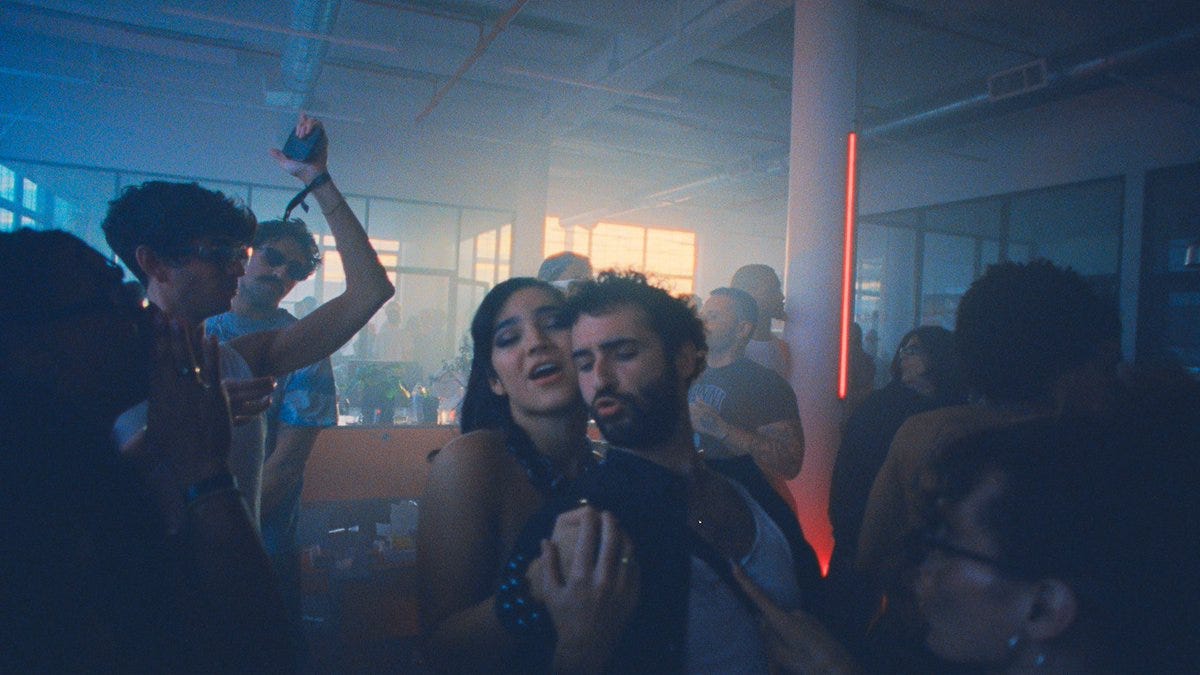
I confess I had no idea that I Love L.A. star and internet shit-stirrer Firstman had even directed a film, much less one that was headed to Cannes. Starring alongside Cara Delevingne and Diego Calva, Firstman plays “a washed-up underground party promoter whose life takes an unexpected turn when he’s forced to look after a son that he never knew he had.” It’s always hard to know what to expect from a directorial debut, but the Cannes stamp of approval suggests this one might deserve the spotlight.

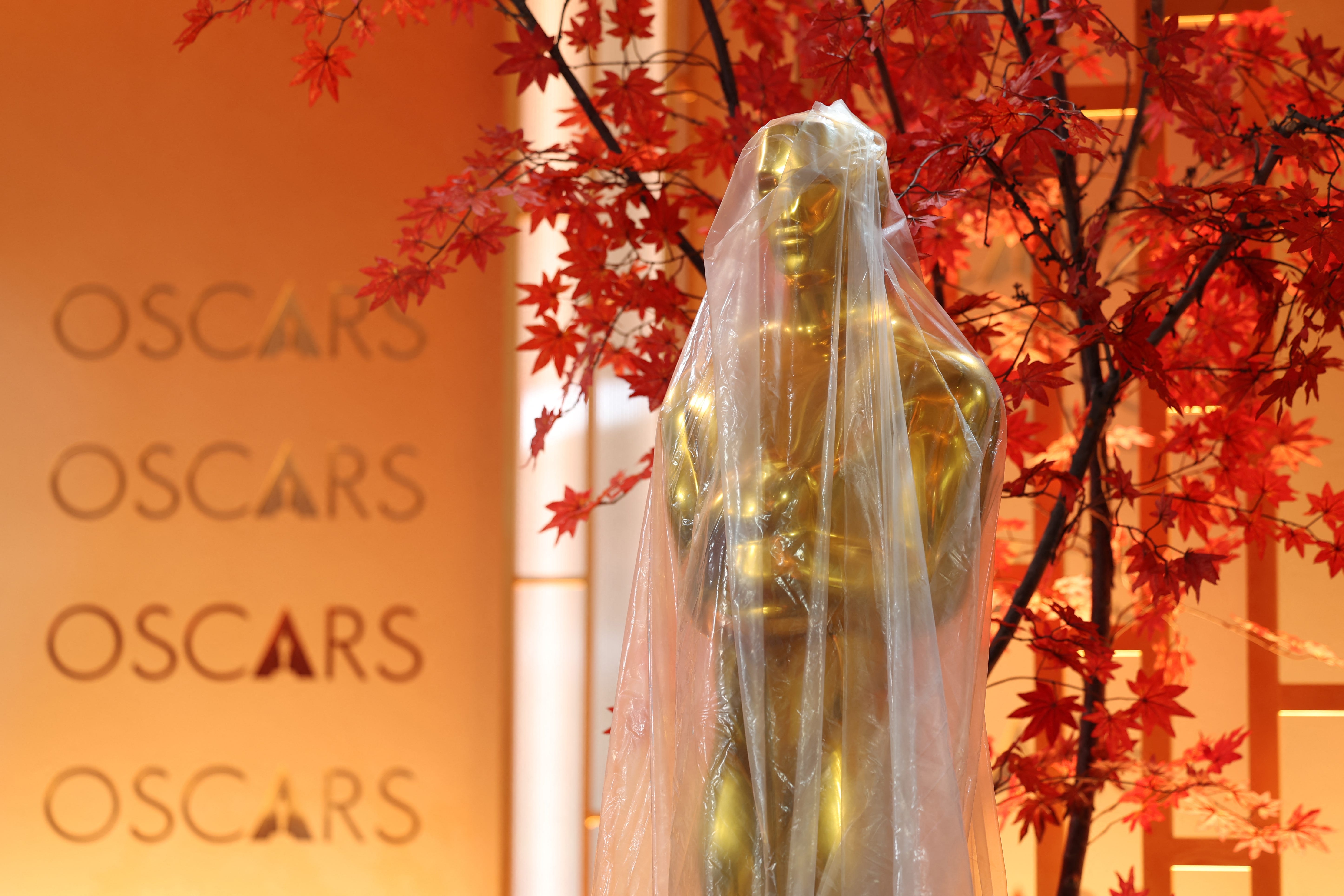
When the Academy of Motion Picture Arts and Sciences announced on Tuesday that next year’s Oscars will take place on March 14, you might have thought from the reactions that they’d canceled the thing entirely.
“What a shame,” tweeted my pal Sean Fennessey. “I’M GONNA SCREAM, THIS IS TOO LATE,” my friend Esther Zuckerman texted me.
March 14 is a day earlier than the Oscars happened this year, but there did seem to be a growing consensus in the final weeks of this season that the entire awards race had dragged on way too long. You hear this complaint every year — my colleague Richard Rushfield has been all over it, even literally today — but the complicated Jenga of precursor awards and events makes it almost impossible to tweak. You can’t start handing out awards until the movie year is over, and if you’re going to have time for the Golden Globes, Critics Choice, a slew of guild awards and fit the Super Bowl and Grammys in the TV calendar, you’re gonna wind up in late February at the earliest.
As if to prove that setting the date of the Oscars affects a whole lot of other groups, the Producers Guild followed up hours later by announcing the date for their own awards show — Saturday, Feb. 27, if you’re marking your calendar.
The Academy did us the favor of announcing the date for the 2028 Oscars, which was bumped up a bit earlier to March 5, for their last year airing on ABC. (The PGA Awards will be on Feb. 19 that year.) Among the many questions we now have about Oscar’s future on YouTube and at the Peacock Theater, we can wonder if the Oscars date might eventually move up as well.
They experimented with an earlier date in the relatively recent past, holding the 2020 Oscars on Feb. 9 — an incredibly lucky move given the global pandemic that would have disrupted the entire thing if it had happened in March. If it was an effort to boost ratings, though, it failed, with the numbers down 20 percent from the previous year. And with less time to host precursor awards shows, cocktail receptions, parties, screenings and all the other smaller satellite events around the great planet of the Oscars, the financial engine that is Oscar campaign season had no time to truly get off the ground.
Do regular people who tune in for the Oscars care at all about the economic impact of these FYC events? Of course not. But if moving the Oscars up to early February didn’t get more people to tune in back in 2020, why would we think it would make a difference now, with the viewing audience even more fractured? Awards season fatigue is real, but it may also just be inevitable. And if we could all get as excited as we did to see Michael B. Jordan win an Oscar for a movie that had been out for nearly a year, maybe the fatigue isn’t that big a problem anyway.