
January 22, 2015
ECB Announces Quantitative Easing
Faced with deflation and economic stagnation in the eurozone, the ECB announces a 1.1 trillion euro (more than $1.2 trillion) program of quantitative easing (QE) to spur inflation and growth. Under the program, the ECB will purchase 60 billion euros in financial assets, including sovereign government bonds, each month. Under ECB rules, however, Greek bonds are not eligible.
January 25, 2015
Syriza Wins Snap Elections
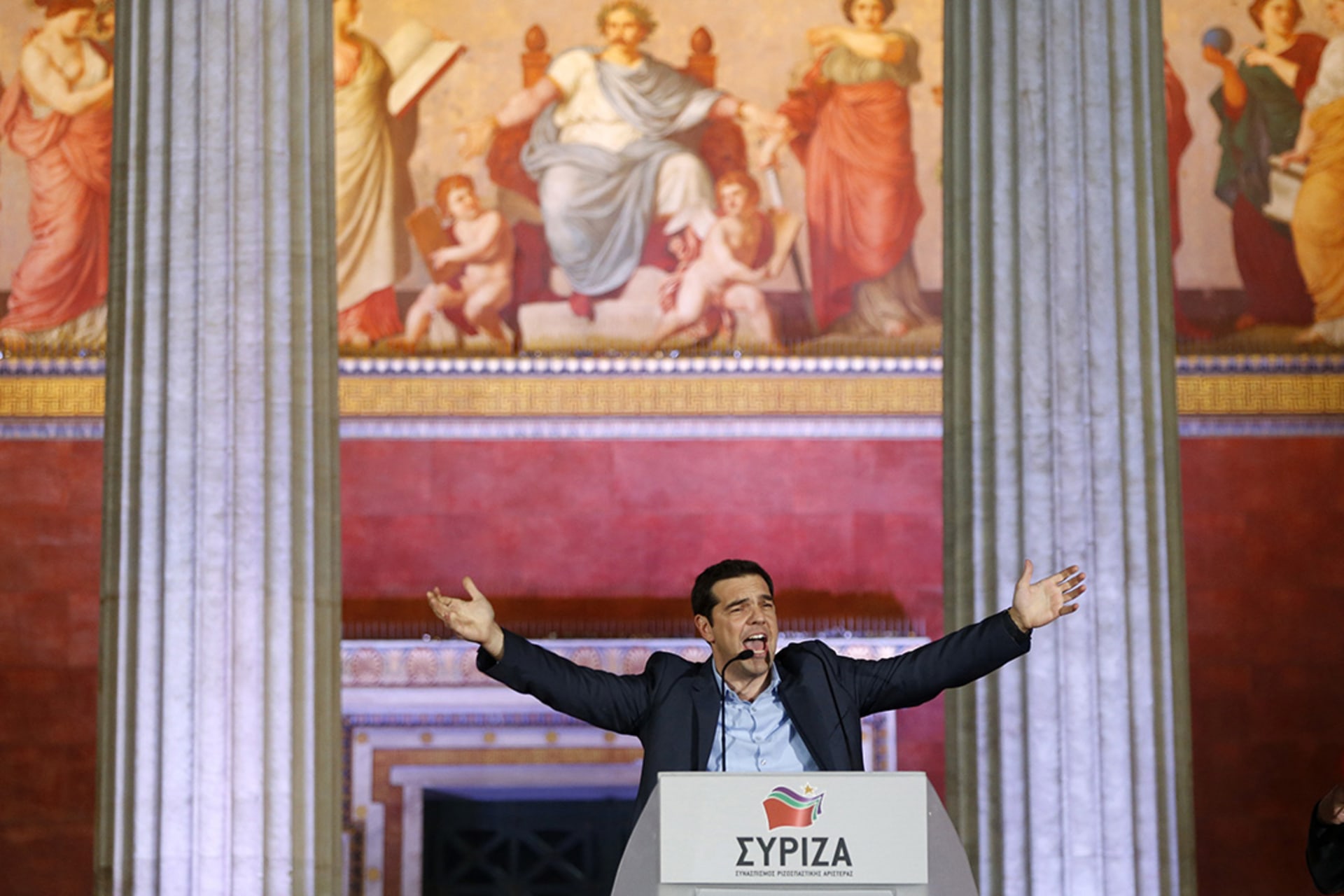
The left-wing, anti-austerity Syriza party wins a resounding victory in snap elections, breaking more than forty years of two-party rule. Incoming Prime Minister Alexis Tsipras says he will push for a renegotiation of bailout terms, debt cancellation, and renewed public sector spending—setting up a showdown with international creditors that threatens Greek default and potential exit from the monetary union.
June 30, 2015
Greek Bailout Expires
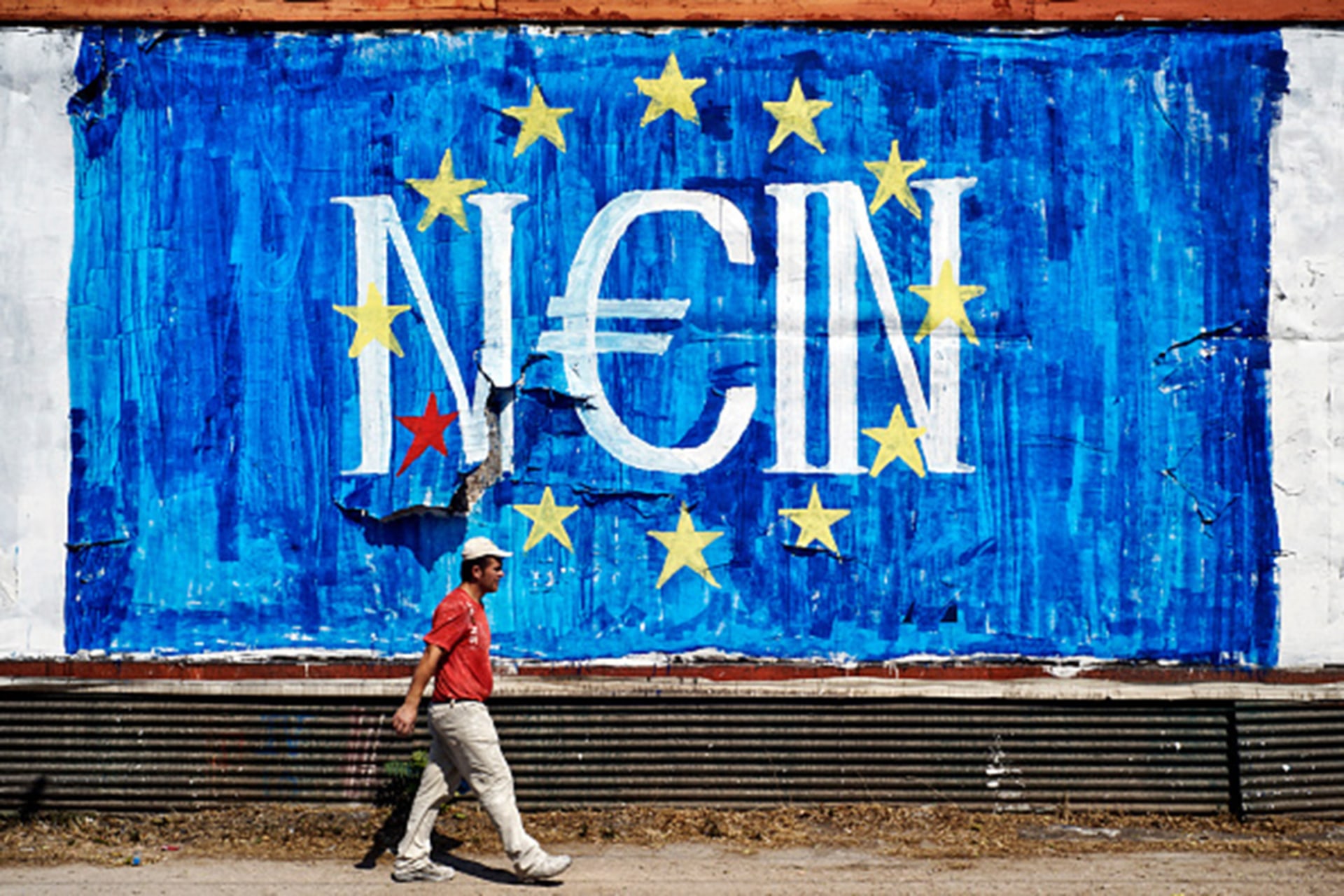
The Greek government misses its 1.6 billion euro ($1.7 billion) payment to the IMF when its bailout expires on June 30, making it the first developed country to effectively default to the Fund. Negotiations between the Syriza leadership and its official creditors fell apart days before, when Prime Minister Tsipras proposed a referendum on the EU proposals. To stem capital flight, Tsipras had previously announced emergency capital controls, limiting bank withdrawals to 60 euros ($67) per day and calling a bank holiday after the ECB capped its support.
July 16, 2015
Greek Parliament Supports New Deal
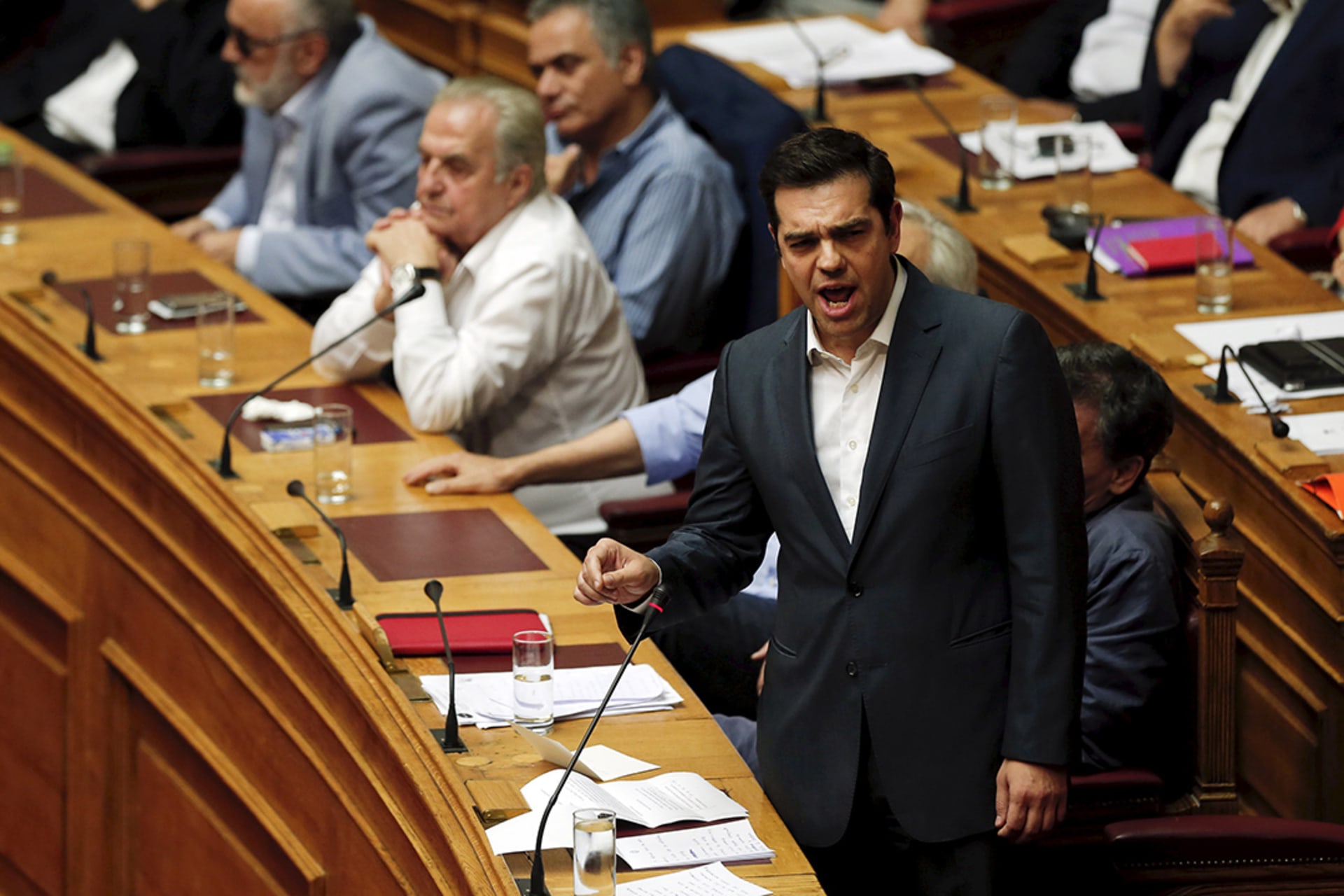
Prime Minister Tsipras bends to European creditors and presses parliament to approve new austerity measures, despite a July 5 referendum in which Greeks overwhelmingly rejected these terms. The agreement comes after a weekend of talks in which a Greek eurozone exit was only narrowly averted and opens the way to a possible third bailout program worth up to 86 billion euros ($94 billion). The ECB resumes some support for Greek banks, but the compromise splits the ruling Syriza party and sets the stage for new elections in the coming months.
August 2015
Third Bailout Approved
The Greek parliament adopts a suite of economic reforms as part of a new rescue package from the EU, the country’s third since 2010. In exchange for the 86 billion euro bailout, which is to be distributed through 2018, EU creditors require Greece to implement tax reforms, cut public spending, privatize state assets, and reform labor laws, among other measures. While the IMF participated in the previous bailouts, the organization refuses to contribute additional funds until the creditors provide Greece “significant debt relief.”