

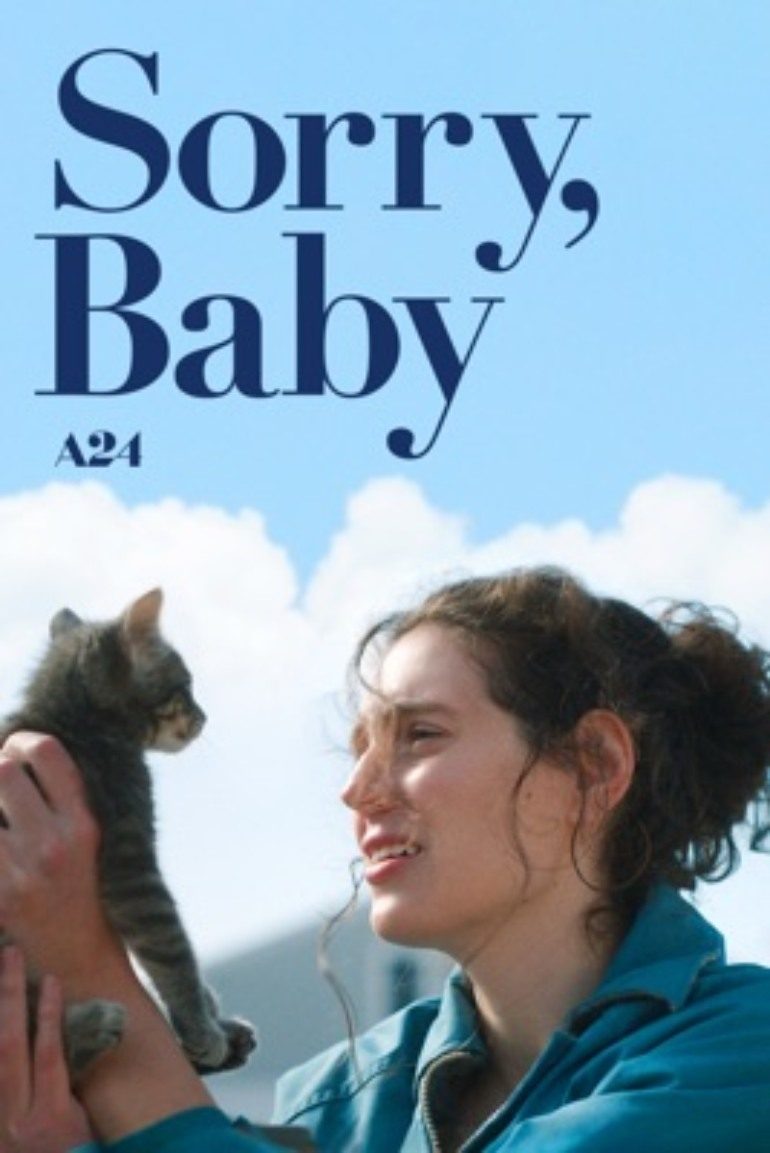
Most movies tell you exactly how to feel. The music swells, the characters cry at just the right moment, and everything important is clearly labeled for you. Grief is loud. Trauma is dramatic. You are guided step by step toward catharsis. Eva Victor’s debut film Sorry, Baby does the complete opposite, and that is what makes it hit so hard. It is quiet. It sits in uncomfortable spaces. It trusts you to notice what is happening without announcing it.
A Film That Refuses to Tell You How to Feel
Watching this film felt personal to me in a way I was not expecting. It does not treat pain like a single explosive event. Instead, it shows how trauma lingers. It becomes part of the air someone breathes. Agnes is not defined by one moment, even though “the bad thing” changed everything. She is defined by how she keeps existing afterward. How she wakes up, teaches, makes awkward conversation, and tries to function in a world that has not slowed down for her.
The pacing is slow and deliberate, and I honestly loved that about it. Scenes stretch out longer than feels comfortable. People sit in silence. Conversations drift and end without resolution. At first it almost feels like nothing is happening. But that is the point. When you are depressed or burned out or carrying something you cannot fully process, life does not move in dramatic beats. It feels stalled. Days blur together. Time passes but you do not feel different. The film captures that feeling so accurately it almost hurts.
Absence as a Powerful Choice
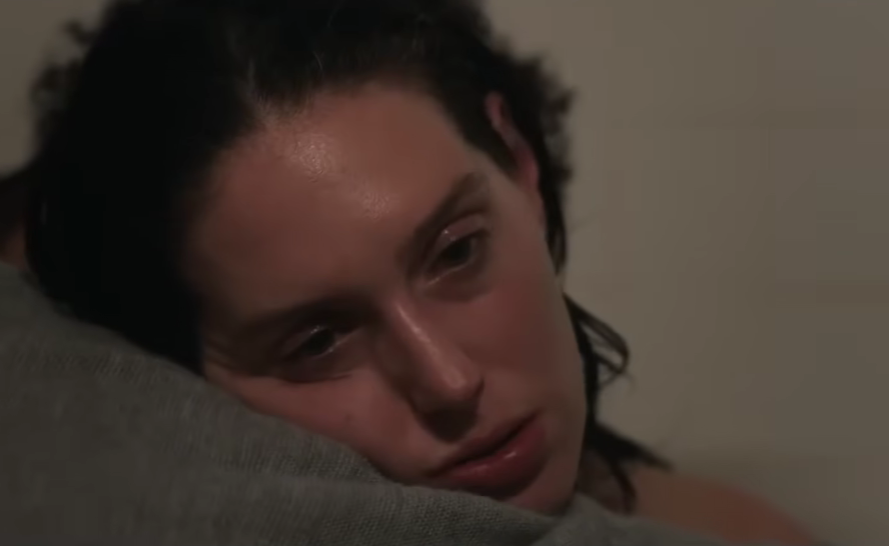
One of the most powerful choices is how the film handles the assault itself. We do not see it. Instead, the camera stays on the house as light shifts and time passes. That absence says everything. It refuses to turn trauma into something visual for us to consume. It makes the focus about what comes after. The house feels changed. The air feels heavier. By not showing the event, the film makes you sit with the aftermath instead, which is where Agnes is trapped.
Agnes as a character feels so real to me. She is a young professor, intelligent and capable, but also withdrawn and clearly exhausted. Early adulthood is supposed to be this time of momentum. You are building your career. You are figuring yourself out. You are moving forward. But what happens when something stops you in your tracks? What happens when everyone else keeps progressing and you feel frozen? That tension runs through the entire film.
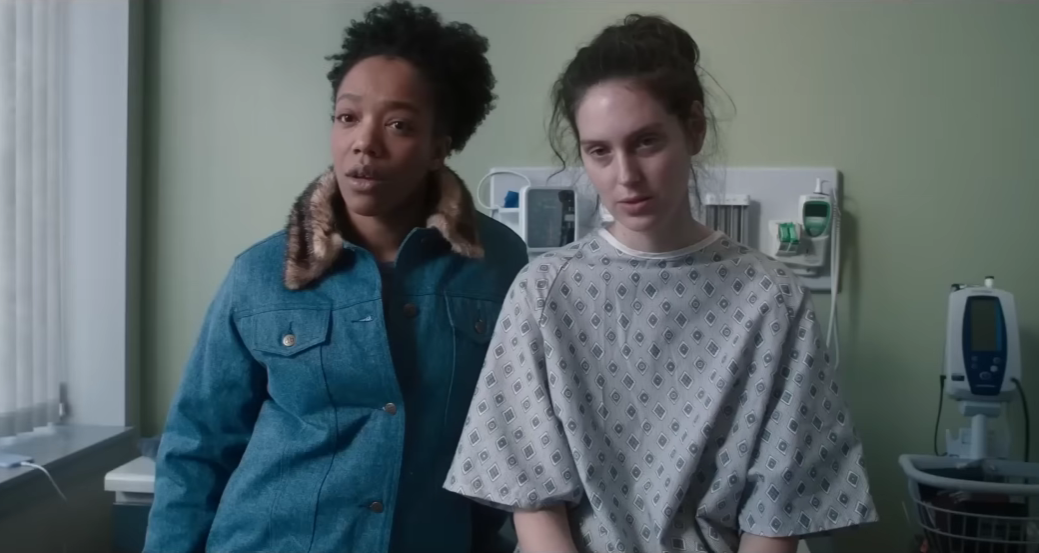
Her friendship with Lydie makes that even clearer. Lydie loves her. She shows up. She tries. But there are still gaps between them. There are conversations that almost get somewhere and then stop. That awkwardness felt painfully honest. Sometimes support exists, but it does not magically fix anything. Sometimes you cannot even explain what you need.
A Small Shift Toward Connection
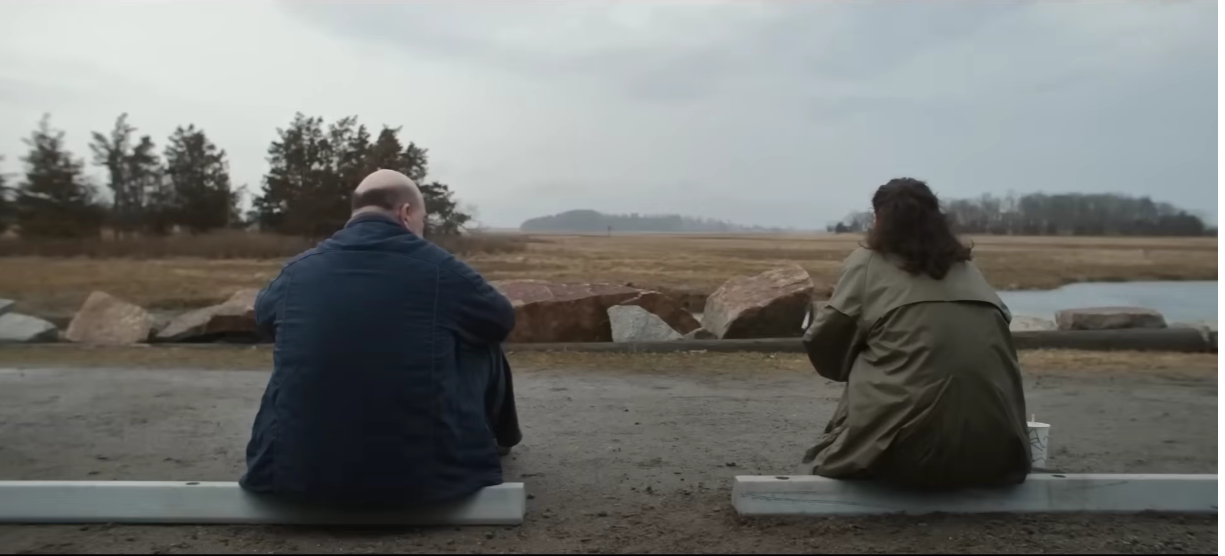
And then there is the ending scene with Agnes and Jane, which completely stayed with me. Jane’s presence feels gentle and cautious, like someone stepping into a space that has been damaged. The way Agnes interacts with her is different. There is still hesitation, still fear, but there is also this tiny shift. Not a full transformation. Not a sudden healing. Just a small opening.
When Agnes says something like, “I know bad things will happen to you,” it feels devastating but also strangely protective. She is not being cynical for the sake of it. She is being honest about the world as she now understands it. Bad things do happen. They are not rare. They are not reserved for certain people. In that moment, it feels like she is acknowledging that pain is unavoidable, but so is connection. She cannot promise safety. She cannot promise that everything will be fine. But she is still there. She is still trying.
That scene meant so much in the context of the film because it is the first time it feels like Agnes is letting someone stand beside her in the aftermath instead of just observing her from a distance. The film does not give us a grand speech about healing. It does not show her suddenly cured. Instead, it offers something smaller and more believable. The possibility that even knowing how fragile everything is, you might still choose to care.
The visual style throughout supports all of this. The muted colors, the soft lighting, the camera that often keeps its distance. We are not pushed into dramatic close ups to tell us when to cry. We are asked to watch. To notice. To sit in the stillness. That restraint makes the emotional moments feel earned rather than forced.
Conclusion
What I admire most about Sorry, Baby is that it refuses to turn suffering into spectacle. Agnes is not inspirational because she overcomes her trauma in a clean arc. She is human because she does not. She keeps going in uneven, quiet ways. The film understands that sometimes surviving is not loud. Sometimes it looks like grading papers. Like eating a sandwich with a stranger. Like letting our closest friend visit even when you do not know what to say.
By the end, nothing is neatly resolved. The pain has not disappeared. But something has shifted. There is a subtle sense that life will continue, not because everything is fixed, but because it always does. And maybe that is what the film is really saying. That living with what goes unsaid is still living. That even after “the bad thing,” there can be moments of softness, of connection, of trying again.
As a 22 year old watching this, it felt incredibly validating. Early adulthood is not always bright and full of momentum. Sometimes it is confusing and heavy and isolating. Sorry, Baby does not try to solve that. It just lets it exist. And in doing that, it made me feel seen in a way louder films rarely do.