
Ten months from now, Titanium Court is going to win some game of the year awards.
I’ve played it for all of 90 minutes, but that was enough for me to confidently call this shot—Titanium Court has a magnetism to it that pulled me through the “interesting” to “this has the juice” pipeline at a speed I was not prepared for when I launched it on my Steam Deck at 5 pm on Friday.
Then it’s time for Low Tide, where you spend resources on little troops that go out to harvest wheat or wood or smash an enemy fortress. If the whole game was just this, it would already be fun—several times I started to swipe a tile for an obvious match, then paused, realizing if I did I’d be depriving my farmers of easy access to some grain, or removing a river that would stop the troops from an enemy fortress from reaching me.
Image 1 of 4
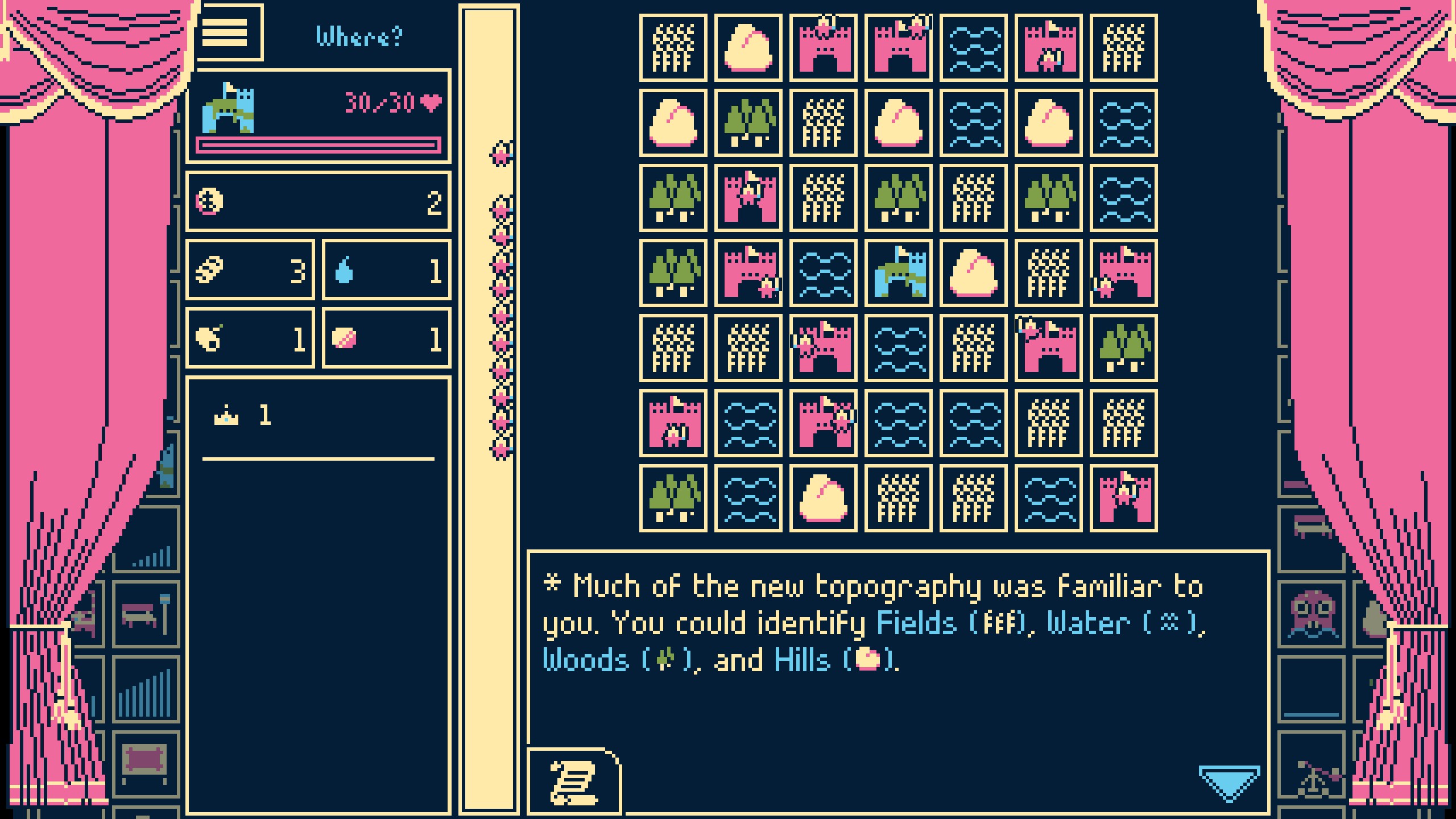
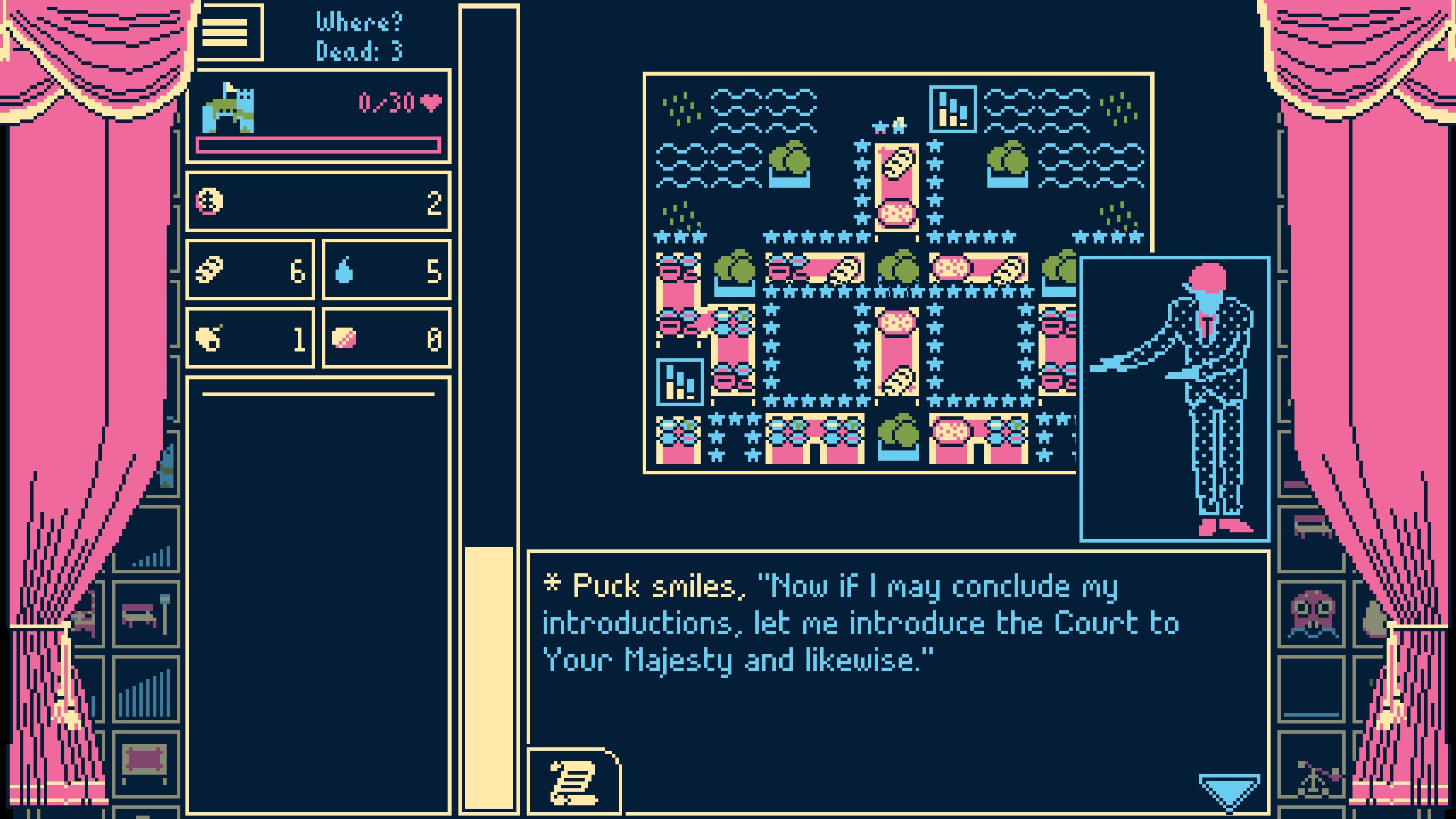
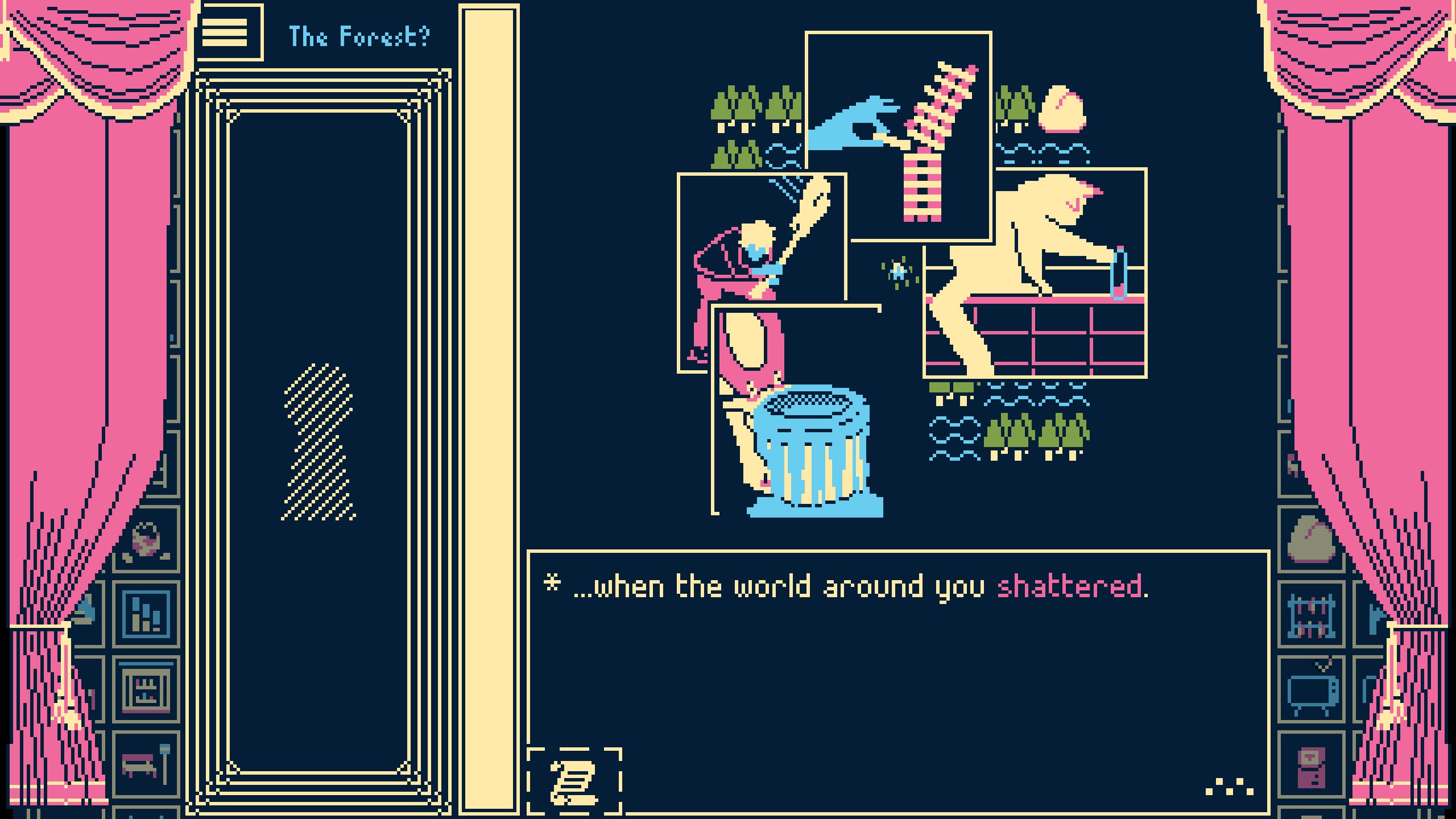
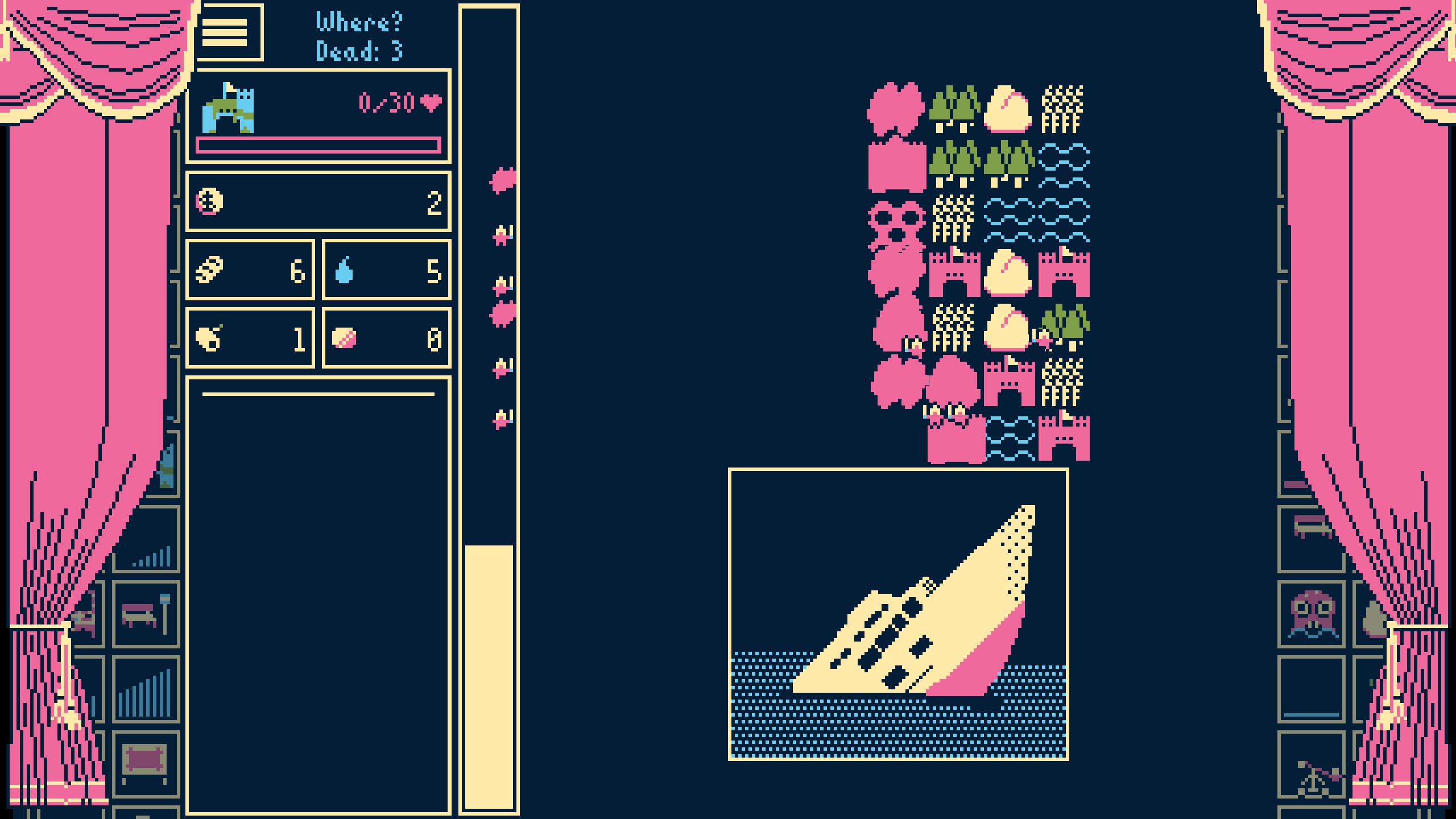
How about a shop on the field where you can buy new types of troops, but only if you keep it on the board until Low Tide? Or a hospital that’ll heal up your court? Treasure chests you’ll need keys to unlock? Enemies that travel by river? Freaking catapults you can set on fire with magic potions but the freaking fire will spread to adjacent tiles and burn down your freaking court if you were stupid enough to light one up from a single tile away?
That’s not a thing that happened to me. I just thought you should know it’s possible.
Near the end of its demo Titanium Court reveals that in the full game you’ll be able to choose one of three battlefields before each battle, at which point its structure, seemingly roguelike-inspired, becomes a bit clearer. You’ll go out on a run, stockpiling resources while trying to survive until reaching a boss, and then return to the court, at which point the game shifts focus to the mystery of the strange place you’ve found yourself in and all of its strange citizens. This is where Titanium Court really charmed me.
This is a match three game the way Hades is an action game: it’s good at that bit, but the stuff surrounding it is the special sauce. I love how indie developer AP Thomson’s simple art expresses sparks of emotion by bouncing between the literal, like a character you’re talking to at a party, and the abstract—the crack of a baseball off a bat, a volley of trumpeters, a stop sign, a wine glass half full.
The writing is playfully meta without quite crossing over into twee, warmly funny in a way that reminds me of Terry Pratchett. “So okay, first you take a metaphor, and then you stretch it really thin, right?” says one of the first characters you meet. “I would love to tell you where we are, friend, but I haven’t even figured out where we aren’t!” says the next.
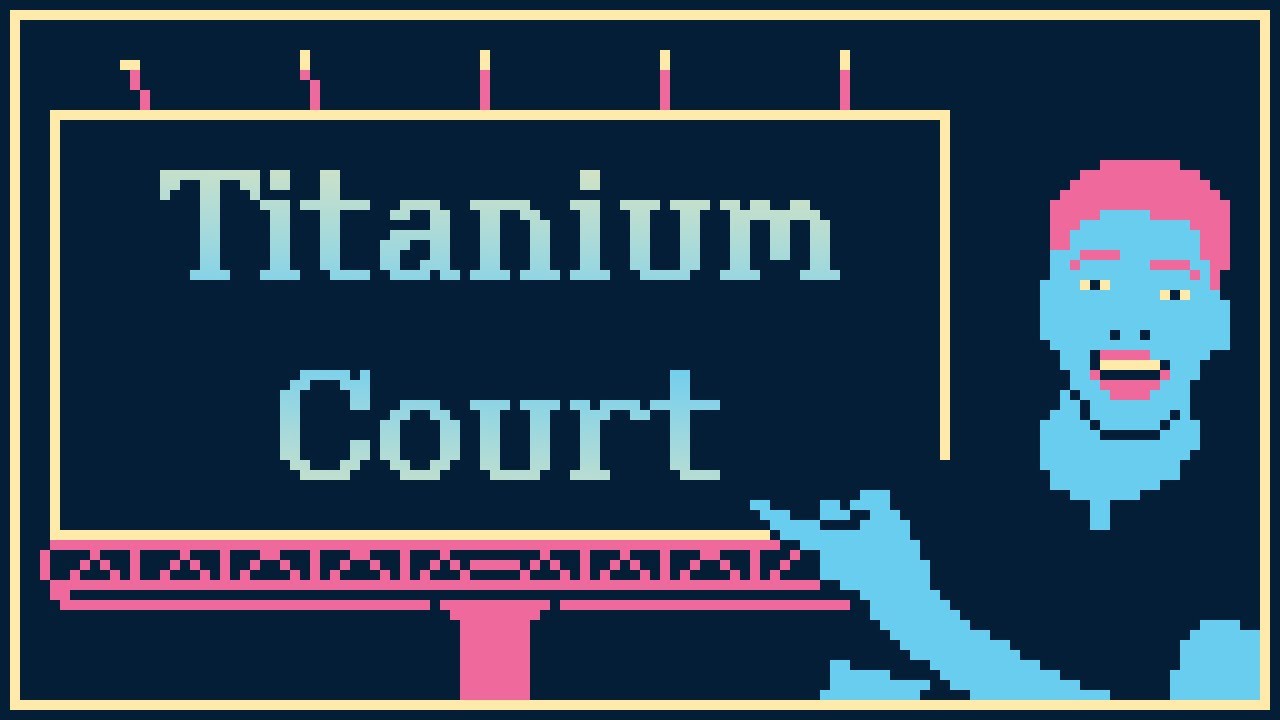
Like Lucas Pope’s Papers, Please and Return of the Obra Dinn, Titanium Court feels hand-crafted by someone with an incredibly specific vision. The color palette, the magical realism, the reverby surf guitar riff that comes sneaking in to set the tone—they’re, well, a perfect match.

Even going into Titanium Court knowing that it was a finalist for this year’s Independent Games Festival awards, I was surprised how entranced I was by the premise of this otherworldly court lost in time and space and how quickly the puzzles became about so much more than combining three tiles in a row. I don’t know if it’ll end up consigned to a “best strategy” or “best puzzle” category when GOTY awards come around, but if the rest of the game is as compelling as the start, Titanium Court’s definitely winning something.
You should play the demo now so you can be really insufferable about it when your friends discover it later this year.