
Published on
February 19, 2026
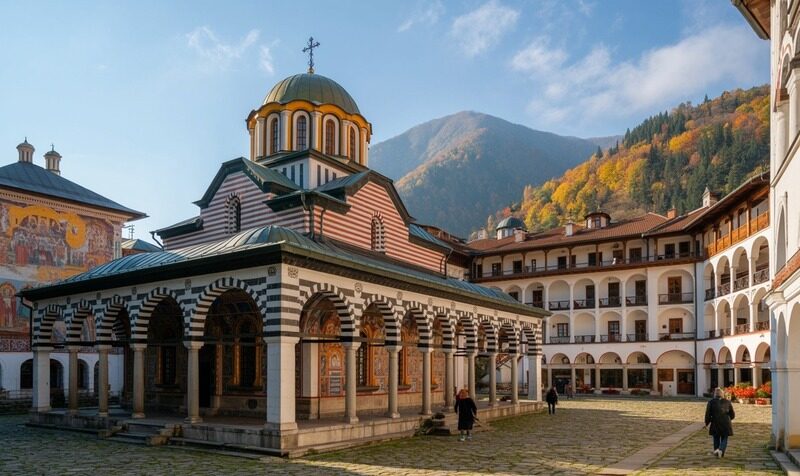
Image generated with Ai
In 2025, Romania, Greece, Poland, United Kingdom, Germany, Turkey, and several other key countries played a crucial role in Bulgaria’s tourism success story, propelling it to new heights. Thanks to targeted marketing strategies, improved infrastructure, and strengthened international partnerships, these nations contributed significantly to Bulgaria’s remarkable recovery post-pandemic. Bulgaria saw a record-breaking year in 2025, with extraordinary growth in visitor numbers, extended stays, and increased tourism revenues. As these countries drove tourism to Bulgaria, the nation reaffirmed its position as one of Europe’s top destinations, surpassing pre-pandemic levels and marking an impressive milestone in its tourism sector.
In 2025, Bulgaria witnessed a remarkable tourism resurgence, overcoming the challenges posed by the COVID-19 pandemic and setting new records across several key metrics. According to Miroslav Borshosh, the outgoing Minister of Tourism, Bulgaria’s tourism sector saw record-breaking numbers of visitors, extended stays, and substantial increases in tourism revenue. Among the key drivers of this recovery were countries like Romania, Greece, Poland, United Kingdom, Germany, and Turkey, each contributing significantly to Bulgaria’s tourism growth. With Bulgaria’s continued efforts to engage international tourists through targeted marketing, improved infrastructure, and stronger partnerships with regional municipalities, these nations played a pivotal role in Bulgaria’s transformation into a top European destination.
Let’s explore the contributions of each of these key nations to Bulgaria’s tourism boom in 2025.
Romania: A Strong Regional Contributor
Romania’s contribution to Bulgaria’s tourism growth in 2025 cannot be overstated. As the largest source market for foreign visitors to Bulgaria, Romania saw a 51.2% growth compared to pre-pandemic levels. Visitors from Romania have always been significant due to the geographical proximity and shared cultural heritage, but in 2025, the numbers surged to new heights.
Advertisement
Advertisement
Romanian tourists were particularly attracted to Bulgaria’s beautiful countryside, historical sites, and cultural festivals. Bulgaria’s close ties with Romania, facilitated by the easy road connections, allowed for spontaneous travel across the border. The increase in overnight stays, especially during off-peak seasons, contributed to this outstanding growth. Romania’s role was also enhanced by Bulgaria’s removal of border checks under the Schengen Area agreement, ensuring smoother and faster access for Romanian visitors.
The consistent visitor increase from Romania helped Bulgaria maintain its position as one of the top destinations for Central and Eastern European tourists.
Advertisement
Advertisement
Greece: Strengthening Regional Tourism Cooperation
Greece’s relationship with Bulgaria has long been strong, thanks to the two countries’ geographical proximity and shared cultural and historical ties. In 2025, Greece’s tourism to Bulgaria grew by 8%, making it one of the major contributors to Bulgaria’s overall growth. The increasing number of Greek visitors highlights a growing trend of short-haul regional tourism within the Balkans.
Greek tourists flocked to Bulgaria for its natural beauty, especially the Black Sea coast and the Rhodope Mountains, which offered a refreshing escape from Greece’s busy islands. The rising interest in spa tourism, as well as Bulgaria’s historical and cultural sites, also attracted Greek holidaymakers. Bulgaria’s winter sports resorts, especially in Bansko and Pamporovo, became a preferred destination for Greek visitors seeking an affordable ski holiday.
Advertisement
Advertisement
The cooperation between Greece and Bulgaria, backed by enhanced travel deals and improved marketing strategies, has been vital in boosting cross-border tourism flows.
Poland: Expanding into New Markets
Poland, traditionally a less prominent source market for Bulgaria, made remarkable strides in 2025. Tourist arrivals from Poland increased by 18%, marking a sharp uptick in interest from Polish visitors. Much of this growth was attributed to the increased availability of low-cost flight options and better travel connections between Poland’s major cities and Bulgaria’s tourist hotspots.
Polish tourists have shown particular interest in Bulgaria’s historical landmarks, including Plovdiv, a UNESCO-listed city, and the Rila Monastery, an iconic symbol of Bulgaria’s cultural heritage. The country’s affordable accommodation and gastronomy were also key selling points for Polish travelers, who appreciated Bulgaria’s vibrant culinary scene, which blends Eastern European and Mediterranean influences.
Poland’s growing middle class and the increasing number of Polish families and young travelers seeking budget-friendly European destinations helped Bulgaria capture a larger share of this market.
United Kingdom: A Long-standing Powerhouse for Bulgaria’s Tourism
The United Kingdom has consistently been one of Bulgaria’s top source markets for international tourists. In 2025, the number of British visitors to Bulgaria surged by 22%, reflecting the country’s ongoing appeal to British travelers, particularly those looking for affordable beach holidays and winter sports experiences.
The Bulgarian Black Sea coast continues to draw British sun-seekers in large numbers, with popular resorts such as Sunny Beach and Golden Sands remaining firm favorites among British tourists. Bulgaria’s winter resorts, including Borovets and Bansko, also saw a rise in British visitors seeking value for money in comparison to more expensive destinations in the Alps.
Moreover, Bulgaria’s growing reputation as a food and wine destination continued to attract British food enthusiasts looking for a taste of Bulgarian wines, traditional dishes, and modern European fusion. The steady increase in direct flight connections between the UK and Bulgaria also made it easier and more cost-effective for British travelers to visit.
Germany: A Key Market for Tourism Recovery
Germany is one of the largest tourism markets for Bulgaria, contributing substantially to the country’s tourism recovery in 2025. Tourist arrivals from Germany rose by 24% compared to 2019, reflecting Germany’s enduring appeal as a source market for Bulgaria.
German travelers have long been attracted to Bulgaria’s diverse landscapes, from the Black Sea coast to the Bulgarian mountains. They particularly enjoy eco-tourism, with visits to Bulgaria’s national parks, hiking trails, and nature reserves. The growing interest in Bulgaria’s cultural heritage, especially its medieval churches, fortresses, and traditional festivals, also played a role in attracting German tourists.
Additionally, Bulgaria’s affordable prices compared to Western Europe make it an appealing destination for German visitors seeking an affordable European getaway.
Turkey: Surging Tourist Arrivals
Turkey has been a major growth driver for Bulgaria’s tourism, with a 61% increase in Turkish visitors recorded in 2025 compared to pre-pandemic levels. The rise in Turkish tourists was particularly notable in the spring and autumn months, with many travelers opting for shorter, more affordable trips across the border.
Tourists from Turkey are drawn to Bulgaria’s affordable luxury, rich cultural experiences, and historic landmarks. The fact that both countries share similar culinary traditions also made Bulgaria an attractive destination for Turkish travelers.
Tourism flows between Turkey and Bulgaria are aided by the close proximity of the two countries, with direct road and air links making travel seamless. The increase in Turkish visitors was also a result of tourism cooperation between the two nations and a growing number of joint tourism campaigns aimed at promoting both destinations.
Other Notable Contributors
While Romania, Greece, Poland, the United Kingdom, Germany, and Turkey dominated Bulgaria’s tourism recovery in 2025, other countries also played an important role. Israel saw a significant rise in tourist visits, with a 30% increase in arrivals compared to 2019. The continued rise of Russian and Serbian visitors also added to the mix, contributing to Bulgaria’s strong performance in the Eastern European market.
Additionally, the rise in long-haul markets, particularly China and the United States, helped expand Bulgaria’s appeal beyond its European borders. Direct flights from destinations like New York, Tel Aviv, and Beijing opened up new opportunities for growth, particularly in cultural tourism, heritage tourism, and eco-tourism.
Bulgaria’s tourism success story in 2025 is a testament to the country’s resilience and ability to recover from the challenges of the COVID-19 pandemic. With countries like Romania, Greece, Poland, the United Kingdom, Germany, and Turkey leading the charge, Bulgaria’s tourism sector experienced a year of unprecedented growth, welcoming more visitors than ever before.
This success was achieved through targeted policies, effective collaboration with international stakeholders, and ongoing investment in tourism infrastructure and services. As Bulgaria continues to build on its relationships with these key source markets, the future of the country’s tourism industry looks bright, with even greater growth expected in the years to come.
In 2025, Romania, Greece, Poland, United Kingdom, Germany, Turkey, and others played a key role in Bulgaria’s tourism success, driving record growth in visitor numbers and revenue, solidifying the country’s position as a top European destination.
Bulgaria’s diverse offerings — from historical sites and cultural heritage to natural beauty and affordable luxury — continue to attract tourists from across the globe. With its continued growth in 2025, Bulgaria has firmly established itself as a must-visit destination in Europe, and its tourism success is only set to soar higher in the coming years.
