
Avalanches occur every winter in the Sierra Nevada, but is human-caused climate change increasing their size or frequency?
“It’s super complicated,” said Benjamin Hatchett, an earth system scientist at Colorado State University who grew up backcountry skiing around Tahoe and researches snow.
Hatchett said that when it comes to climate change, “the fingerprints are everywhere.” But the conditions that led to the Tahoe avalanche are meteorological, not climatological. The rapid change to wet, cold weather brought by winter storms pushed down from the Gulf of Alaska.
“I see no evidence for climate change to play a role, certainly not a first or second order, probably not even further down the list than that,” Hatchett said. “And that’s kind of going back to the setup of the storm.”
In some parts of the world with year-round snow, Hatchett said, there is a signal that climate change could be increasing avalanche danger.
“In large glaciated mountains like the Alps, the Himalaya, and the Andes, the answer is very likely yes because of a warming environment that’s destabilizing snow and ice,” Hatchett said.
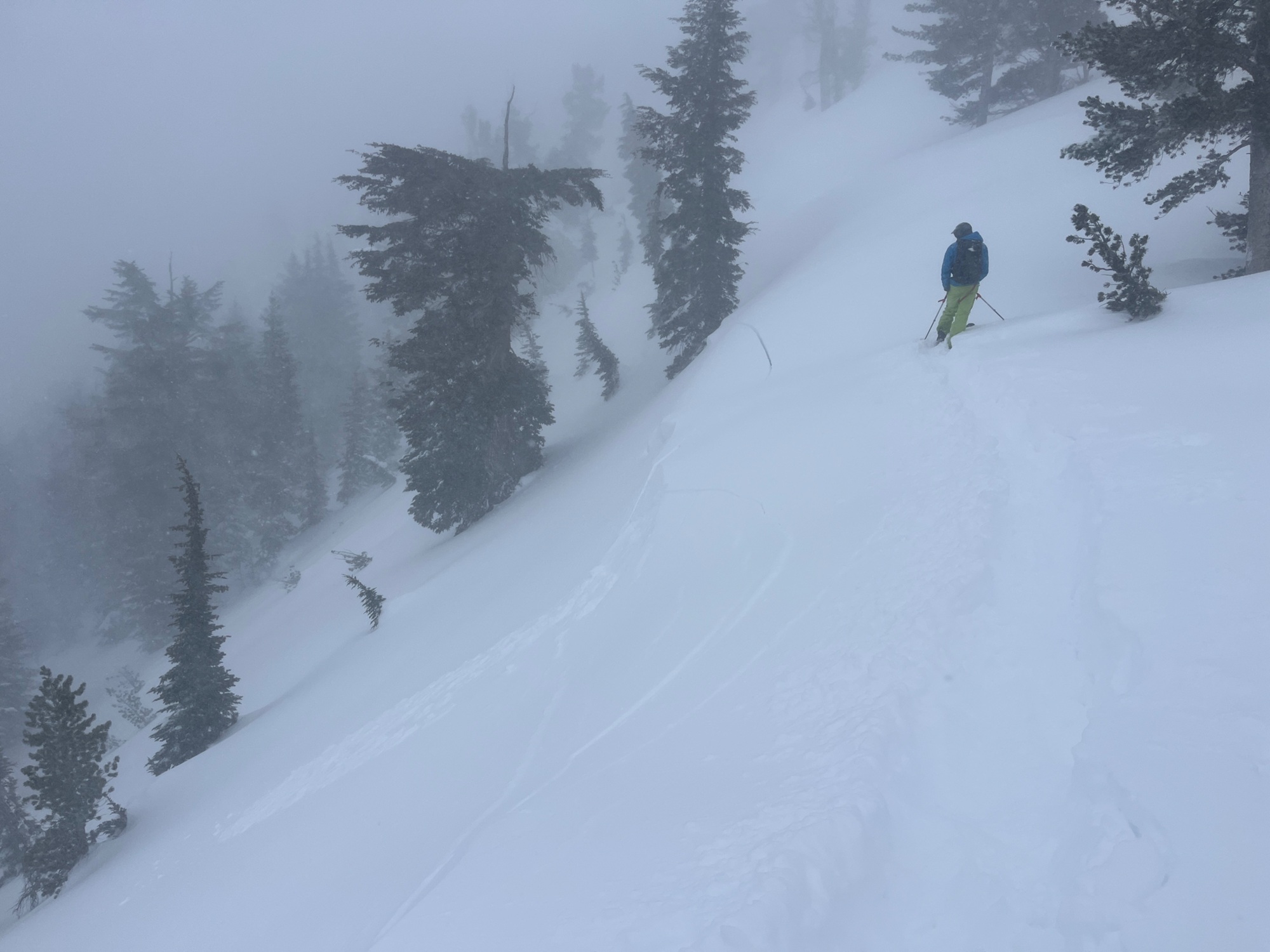
But in areas with seasonal snowpacks, like the Sierra Nevada, Hatchett said there isn’t a clear answer.
“This is something we expect to see more of in the future, but we don’t have strong evidence for that happening now,” Hatchet said. “There are absolutely ways that a warming world will statistically change things, and that goes back to the way this winter started with a lot of rain instead of snow. That to me is a signal of a warming world.”
But Hatchett said he sees another issue. When winter snow comes later, like this year, people can get antsy to get outdoors and ski. But when warnings, like about avalanche danger, are issued. He urges extreme caution.