
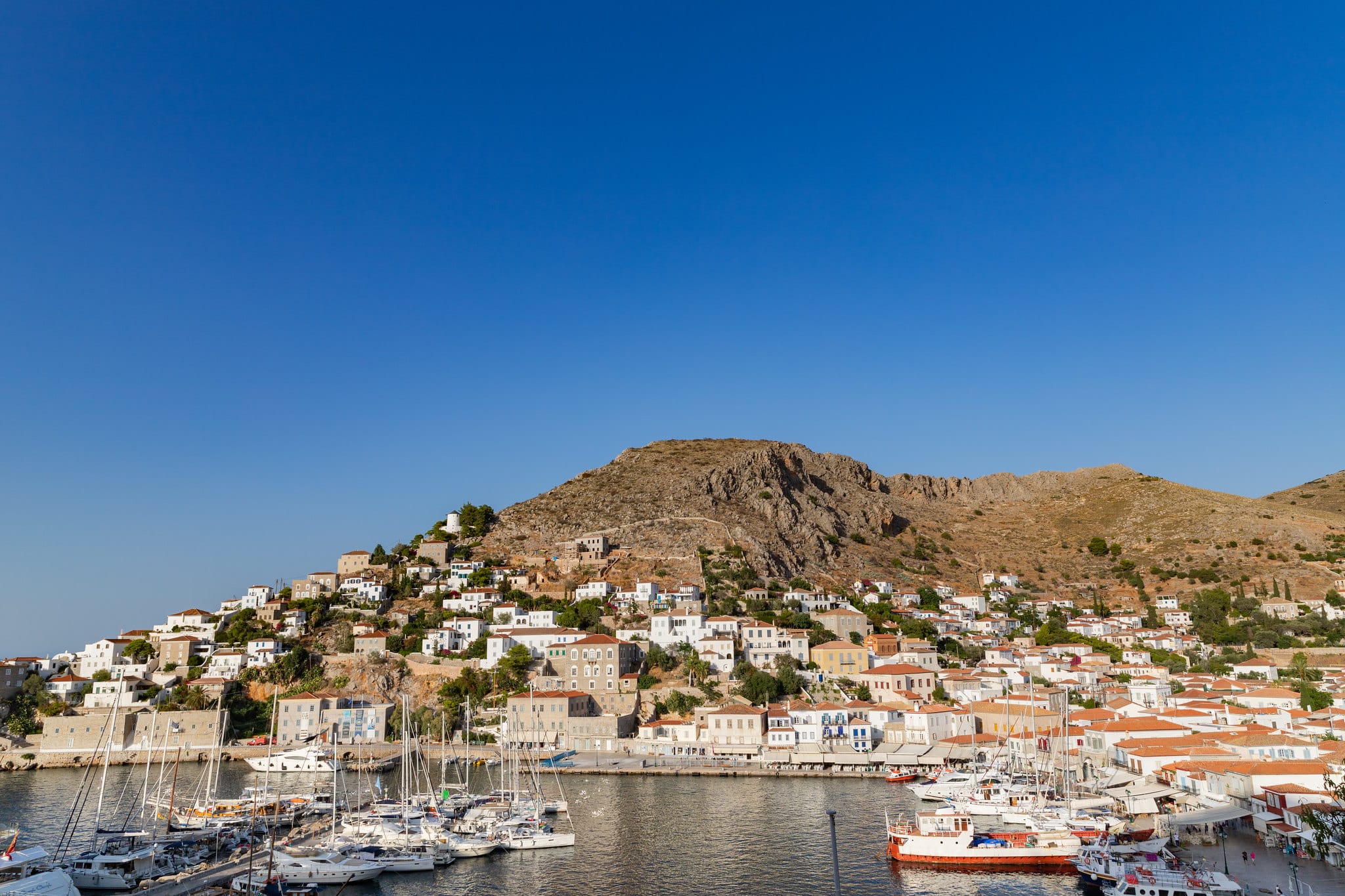
Greek Orthodox Easter is the stuff myths are made of: age-old fasting rituals, candlelit processions and lots of fireworks. It is also the most important and sacred celebration of the year in Greece and is eagerly anticipated by all Greeks. Enchanted by the arrival of spring and the smell of the blooming flowers, they head to their ancestral homes in the countryside by the thousands to observe Easter -or Pascha– -which this year falls on April 12.
Whether religious or not, the Greek Orthodox holy week moves the hearts of Greeks and foreigners alike, with Easter festivities and traditions awaiting for everyone to enjoy and explore. Here are some Easter destinations across Greece, featuring some of the most unique customs and traditions along with spectacular events that promise to make your social media photos shine.
Corfu, Ionian Sea
Also known as the “Queen of the Ionian Islands,” Corfu (Kerkyra in Greek) boasts one of the most eccentric Easter customs that’s worth for everyone to witness in person at least once.
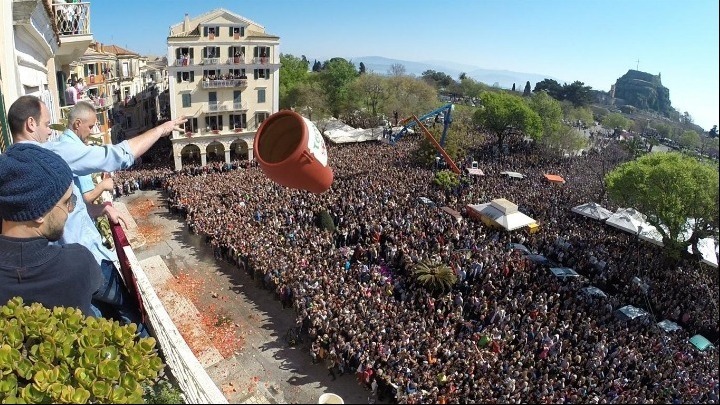
Every Holy Saturday on Corfu, locals revive the old tradition of breaking “botides,” which are a special type of clay pot. After the First Resurrection, which takes place in the island’s metropolitan church, the bells of all churches begin to toll and people begin throwing thousands of botides filled with water and laurel from their windows. The botides crash on the road and make a terrible racket, which in combination with the water and laurel is supposed to chase “evil” away.
The municipality’s philarmonic band fills the streets with music throughout the entire holy week. But it is on Easter Sunday when the town is filled with music from the island’s numerous bands which march around the city center playing songs. This joyous and beautiful event alone attracts thousands of Greek tourists each year.
Chios, Aegean Sea
Many travellers are also rushing to the island of Chios, which is famed for its unique and spectacular Easter tradition of launching rockets.
The rocket war, one of the most beautiful, spectacular and yet dangerous Easter spectacles in the country, is thought to date back to the days of the Ottoman occupation of Greece.
The custom traditionally involves two opposing parishes of the village spending the evening just before Orthodox Easter Sunday firing thousands of homemade rockets at each other’s church, while the more pious among them attend a service inside.
The two rival parishes are Saint Mark and Panagia Erythiani (which means ”Red Madonna” in English).
These two beautiful churches stand on two hilltops about 400 meters from each other. Traditionally, the objective is to hit the bell tower of the church on the other side. The rockets are wooden sticks loaded with an explosive mixture containing gunpowder and launched from grooved platforms.
Hydra, Saronic Gulf
The picturesque island of Hydra, almost a breath away from Athens, is quite well-known for its Easter celebrations. During the holy week, the island swells with people who walk around the narrow alleyways, without motor vehicles of any sort.
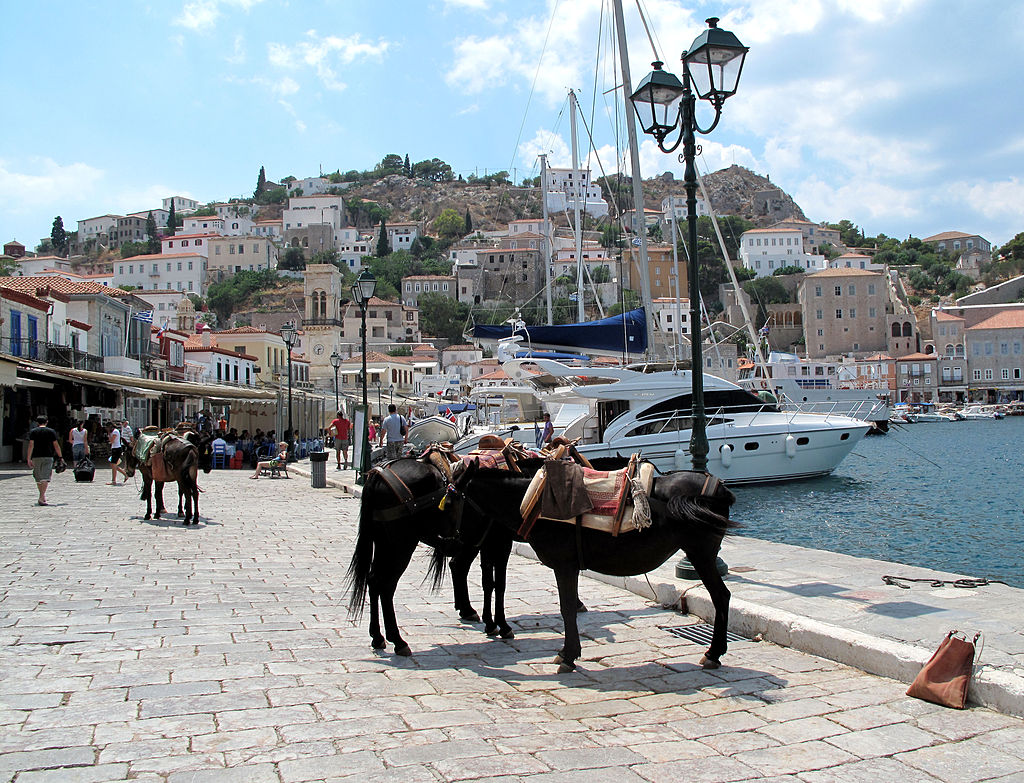
The most famous aspect of Easter in Hydra is the Good Friday procession of epitaphios –a one-of-a-kind rite that many times Greek television crews broadcast throughout the country. The flower-decorated bier of Christ is held by the town’s young men and processes through the fishing village of Kamini, down the coast and into the sea. The arching port fills with people holding flickering candles, with both their flames and the epitaphios’ reflected on the port’s night-time waters.
Leonidio-Tyros, Peloponnese
Leonidio and neighboring Tyros in the Peloponnese promise a very different Easter that will be forever engraved on your mind. Sun, sea, flowers in bloom in Leonidio, capital of the mountainous region of Tsakonia in the southeast Peloponnese, await visitors along with some of Greece’s most famous Easter customs.

On the night of the Resurrection, more than 1,000 colorful hot-air balloons are released in the Easter sky, creating a dazzling spectacle in a custom that is said to have been brought back from the Far East by local sailors. Their construction begins in February and locals learn how to make the Easter balloons from an early age.
In Tyros, also on Resurrection night, in the parish of the Metamorphosis at the port Judas’s burning in the sea is revived on a special raft by the Tsakonian fishermen, accompanied by spectacular fireworks that illuminate Tyros from side to side.
Nafpaktos, West Greece

Medieval Nafpaktos is yet another unique Easter destination. Here the most intriguing part of the holy week takes place on Good Friday, when locals and visitors form a great procession behind the Holy Bier, making their way to the medieval castle in the Venetian harbor. Flickering torches light up the harbor walls and battlements. A large, blazing cross at the port’s entrance is another big scene stealer.
Kalamata, Peloponnese

In Kalamata, Easter Sunday’s highlight is the heroic custom of “paper planes war.” Gunpowder inside improvised paper projectiles and the paper plane war begins as the paper projectiles are catapulted into the sky by a group of bouloukia -as those who catapult them are called. The custom is the Easter trademark of the Messinian capital, which blends harmoniously a mountain scenery with the sea.
Folegandros island, Aegean Sea
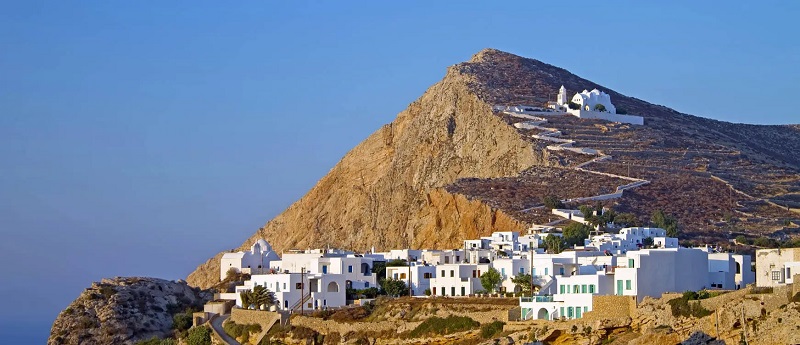
In the magical island of Folegandros, all locals are afoot for Easter. Abandoning any kind of wheeled vehicle, everyone joins the procession of the silver icon of the Virgin Mary, starting on Easter Sunday from the top of the cliff above the main town where the whitewashed stone-built Monastery of Panagia lies. On Holy Saturday, all the houses are open waiting for the blessing of the icon. After passing from village to village and from home to home, it ends up in Karavostasi, the harbor of the island, where fishermen receive the icon in their caiques and kneel before it. At night, the devotees return the icon to the chapel, where it will remain until next Easter.
Syros, Aegean Sea
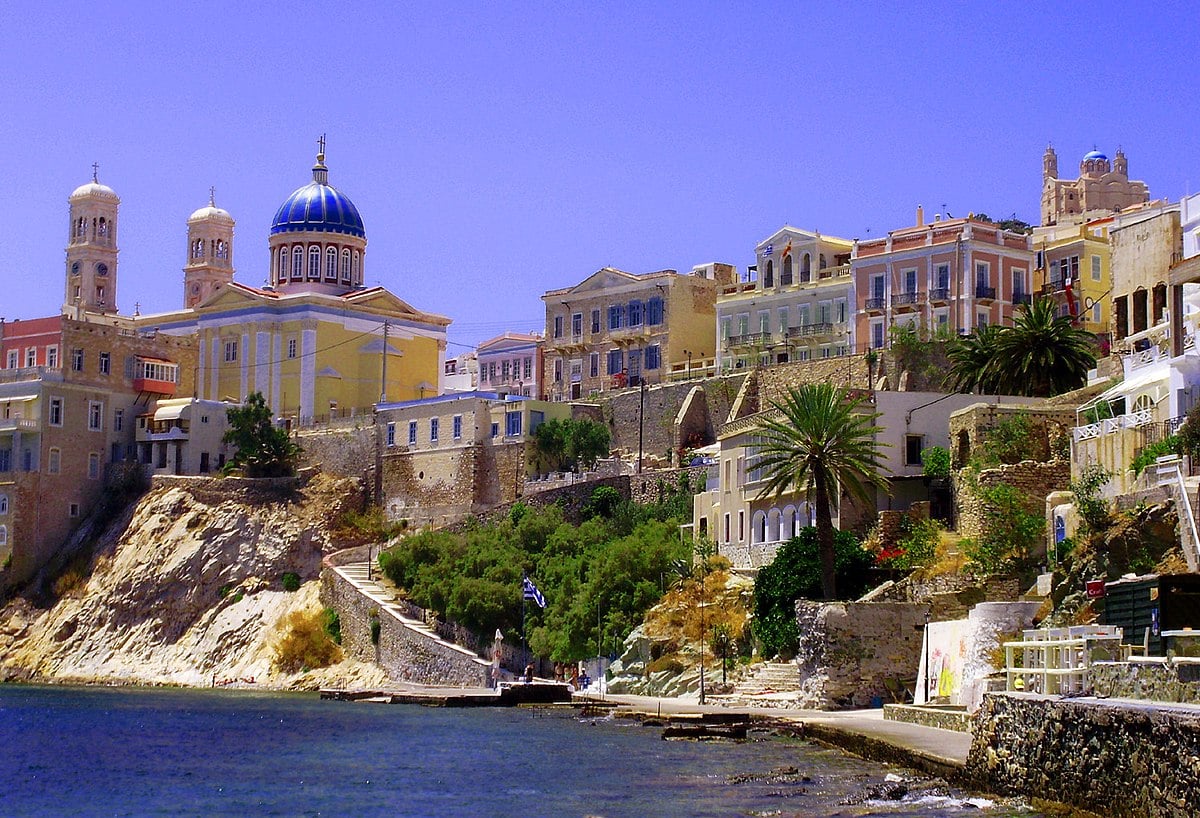
The mood on the elegant Cycladic island of Syros, which has an amazing scenery combining Cycladic and Venetian architecture, during Easter is one of harmony and solidarity as the two churches, Greek Orthodox and Catholic always celebrate together. Among other events, followers of both pillars of faith gather in prayer outside the Town Hall on Holy Saturday. During the Resurrection service, an impressive fireworks spectacle lights up the Cycladic sky, turning night into day. The next morning, Easter Sunday, an effigy of Judas goes up in flames as an essential part of the revelry.