
As antimicrobial resistance threatens millions of lives annually by mid-century, researchers map the expanding pipeline of novel drugs, biological therapies, and technology-driven solutions that could redefine how infectious diseases are treated.
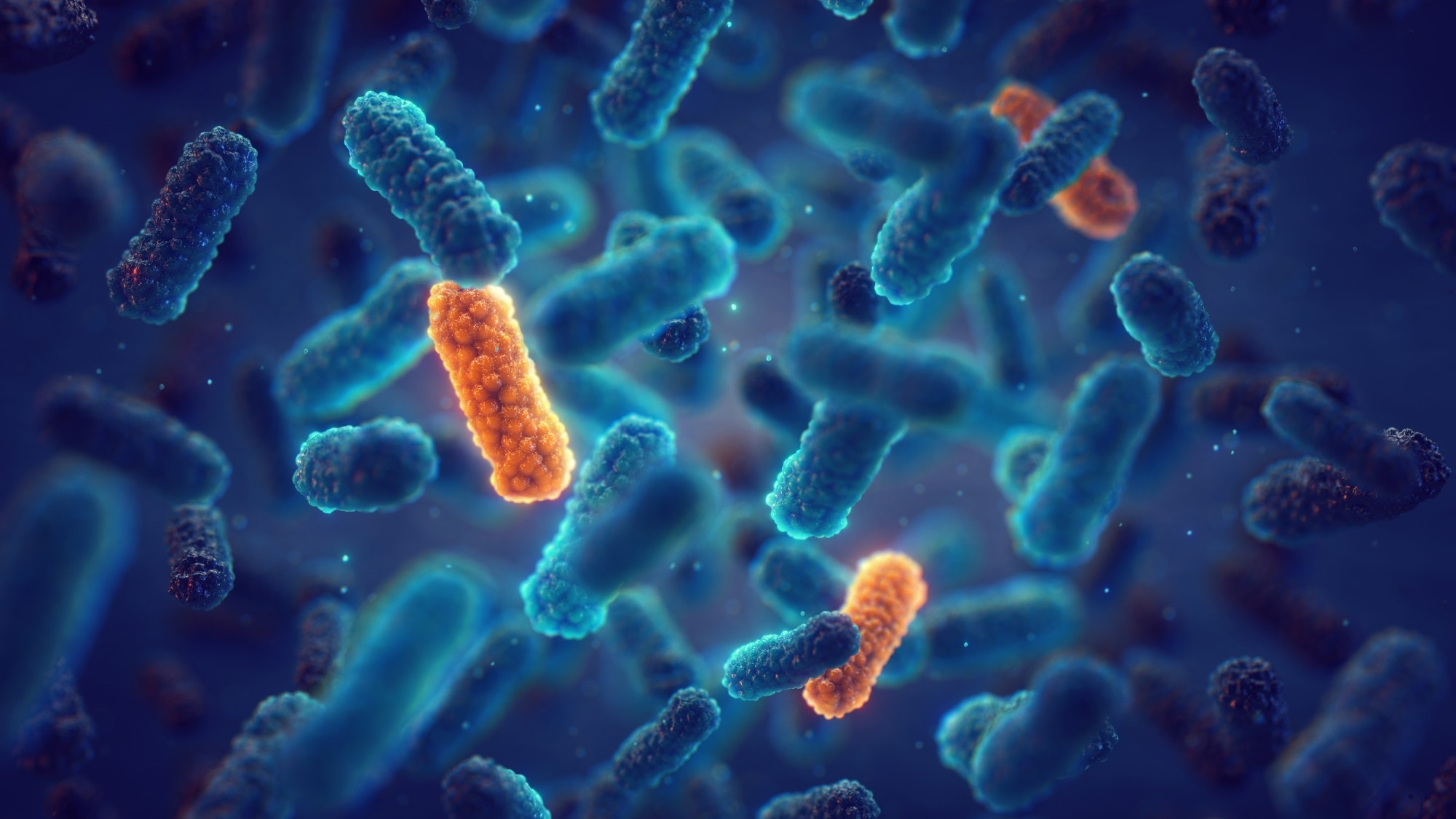
Review: Antimicrobial Resistance: The Answers. Image Credit: nobeastsofierce / Shutterstock
In a recent narrative review published in the British Journal of Biomedical Science, researchers summarized the therapeutic approaches under development to tackle antimicrobial resistance (AMR).
Global Burden of Antimicrobial Resistance and One Health Strategies
AMR is a global concern with a significant impact on public health in communities and healthcare settings. A 2016 report predicted that approximately 10 million deaths would occur annually by 2050. Various strategies have been devised at local, national, and international levels to combat AMR under a multidisciplinary One Health approach, including surveillance, antimicrobial stewardship, infection prevention measures, and therapeutic innovation.
The review provided an overview of approaches currently under development to combat AMR, highlighting established therapies and experimental interventions. These include not only antibiotics but also vaccines, bacteriophage therapy, immunotherapies, antimicrobial photodynamic and sonodynamic therapies, nitric oxide-based treatments, nanomaterial approaches, and enabling technologies such as artificial intelligence and Organ-on-a-Chip systems.
Recently Approved Antibacterial Drugs and Combinations
Over the past decade, only 20 antibiotics, four non-traditional antibacterial drugs, and seven beta-lactam/beta-lactamase combinations have been introduced. Analyses of antibacterials show that most drugs are derivatives of existing antibiotic classes and may therefore succumb to similar resistance mechanisms. Two recently approved first-in-class antibiotics include gepotidacin and lefamulin.
Lefamulin is a pleuromutilin that blocks protein synthesis by interfering with the 50S ribosomal RNA subunit. It was approved by the Food and Drug Administration (FDA) in 2019 for the treatment of community-acquired bacterial pneumonia. Gepotidacin, a triazaacenaphthylene, inhibits bacterial DNA replication by targeting topoisomerase enzymes. It was approved in 2025 for the treatment of uncomplicated urinary tract infections in females and adolescents.
Emblaveo, an aztreonam/avibactam combination, was approved in 2025 to treat adults with complicated intra-abdominal infections, hospital-acquired pneumonia, ventilator-associated pneumonia, complicated urinary tract infections, including pyelonephritis, and aerobic gram-negative infections with limited treatment options. The drug had previously received marketing authorisation from the European Medicines Agency in 2024. Xacduro, a sulbactam/durlobactam combination, was approved to treat infections caused by Acinetobacter baumannii-calcoaceticus complex.
Novel Antimicrobial Peptides and Oligonucleotide Therapies
Antimicrobial peptides (AMPs), natural components of innate defenses in animals, plants, humans, insects, and amphibians, have received substantial attention for their antimicrobial properties and potential to modulate immune responses and regulate inflammatory processes. Of over 3,000 AMPs discovered to date, only seven, all originating from soil bacteria, have been approved.
Zosurabalpin is a novel, narrow-spectrum, macrocyclic peptide that targets Acinetobacter baumannii and is due to enter phase 3 clinical trials. It blocks the transport of lipopolysaccharide from the inner to the outer membrane of A. baumannii. Current resistance mechanisms are not expected to affect zosurabalpin. Antibacterial oligonucleotides are synthetic nucleic acid sequences that exert inhibitory effects by binding to RNA via complementary base pairing.
Peptide-conjugated phosphorodiamidate morpholino oligomers (PPMOs) target conserved and essential genes and have been reported to reduce bacterial load in animal models of infection caused by Pseudomonas aeruginosa, Escherichia coli, A. baumannii, and Klebsiella pneumoniae. Bactericidal PPMOs have also demonstrated antibiofilm activity, inhibiting biofilm formation and reducing the mass of established biofilms.
Natural Sources of Antimicrobial Agents
Honey, especially Manuka honey, has historically been used to treat wound infections. Recent research has focused on its antimicrobial effects against antibiotic-resistant pathogens. Honey’s antibacterial properties are attributed to its physicochemical characteristics, such as low water content, high osmolarity, and low pH, as well as its composition of hydrogen peroxide, defensin-1, methylglyoxal, and secondary metabolites.
Honeybee venom has shown antibacterial effects against multidrug-resistant (MDR) pathogens, including Enterococcus faecalis, E. coli, Staphylococcus aureus, and Salmonella typhimurium. Spider venoms have also been shown to contain valuable AMP toxins against S. aureus. Spices have been investigated for antimicrobial activity, therapeutic properties, and adjuvant activity with conventional antibiotics against drug-resistant pathogens.
Microbiome-Based Therapies and Fecal Transplantation
Rebyota, the first live fecal microbiota-based biotherapeutic prepared from human donor stools and administered by enema, was approved in 2022 for the treatment of recurrent Clostridioides difficile infection (CDI). In 2023, the first oral fecal microbiota therapy, Vowst, was approved. Studies highlight the efficacy of fecal microbiota transplantation (FMT) in some clinical and experimental settings for decolonizing and eliminating carriage of MDR bacteria and antibiotic resistance genes.
Eradication or decolonization of MDR organisms in the intestine by FMT has been suggested to reduce infection risk and cross-contamination. Limited case reports and early studies suggest that FMT eliminated colonization of the gastrointestinal tract by E. coli and K. pneumoniae in an immunocompromised individual and prevented adverse outcomes, including mortality, associated with MDR organisms in allogeneic hematopoietic cell transplant patients.
Predatory Bacteria as Living Antibiotics
Predatory bacteria are considered living antibiotics because they can kill and ingest other bacteria. They are ubiquitous in aquatic environments such as rivers, seawater, and wastewater, as well as in soils. Bdellovibrio bacteriovorus is one such predatory bacterium that can kill gram-negative bacteria in under 30 minutes without inducing autolysis of its prey, thereby preventing the release of inflammatory molecules.
Because prey recognition and attachment do not rely on a single receptor, and prey-destructive enzymes are upregulated upon invasion, gram-negative resistance to B. bacteriovorus appears unlikely. Micavibrio aeruginosavorus and B. bacteriovorus have been shown to decrease the proliferation of Serratia marcescens and fluoroquinolone-resistant P. aeruginosa in animal infection models. These findings indicate experimental potential rather than established clinical therapy.
Emerging and Investigational Strategies to Combat AMR
The rise in antibiotic resistance has posed global challenges for treating infectious diseases. Novel therapeutic strategies and antimicrobials have been studied and developed to decrease AMR-related morbidity and mortality, although many remain investigational and are not yet part of routine clinical practice.
Many novel approaches remain in preclinical and early clinical stages. Continued funding and interdisciplinary collaboration are crucial for further development, evaluation, and translation into clinical care.