
Published on
February 25, 2026
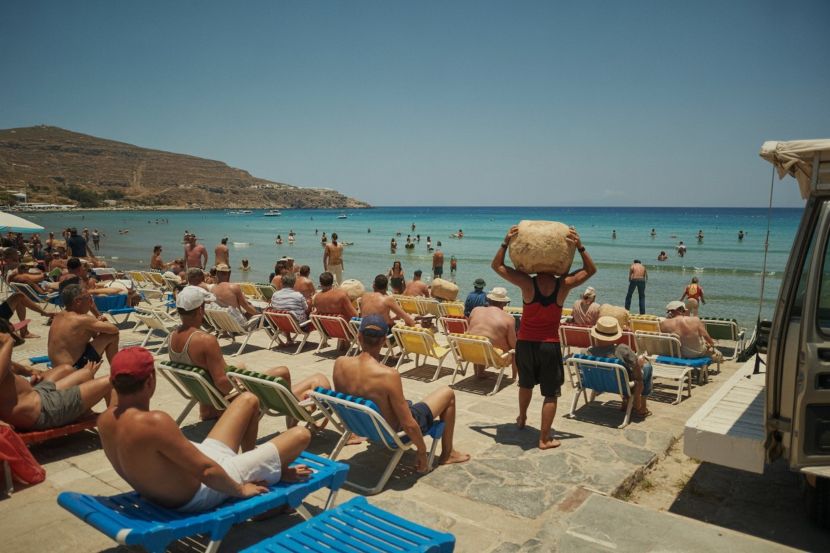
Image generated with Ai
As tourism continues to surge in Greece, one of Europe’s most popular destinations, the hospitality sector is struggling with increasing concerns over exploitative working conditions. Visitors flocking to the Greek islands and mainland have been driving the demand for cheaper holiday experiences. However, a recent study highlights that the pressure to provide affordable travel is often placed on workers, resulting in unfair treatment, low wages, and poor working environments.
Researchers have pointed out that tourists, eager for budget-friendly holidays, play a significant role in perpetuating these conditions. According to findings from the University of Surrey, the demand for lower prices is pushing businesses to adopt cost-cutting measures, which frequently come at the expense of their employees. In sectors like hotels, resorts, and restaurants, these measures often translate into insecure contracts, long working hours, and low pay.
Dr. Anke Winchenbach, a senior lecturer at the University of Surrey, explains that while companies are often blamed for poor working conditions, tourists’ expectations for cheaper holidays play a pivotal role. The research suggests that the tourism industry must reassess how pricing pressures impact the workforce and how customers’ purchasing decisions influence working conditions.
Greece, known for its pristine beaches and historic landmarks, is at the forefront of these issues. The country’s thriving tourism industry—responsible for a large portion of its GDP—has seen growing demand from international markets. The Greek Ministry of Tourism has consistently reported a rise in visitor numbers, particularly from countries such as Germany, the United Kingdom, and the United States. However, the benefits of this influx have not always translated into improved conditions for workers.
The tourism industry in Greece provides millions of jobs, many of which are seasonal. While this offers employment to a large portion of the population, it also leaves workers vulnerable to low wages and uncertain job security. Research shows that many workers in Greece’s hospitality sector do not receive fair compensation for the hours they work, and their rights are often disregarded in the race to maintain competitive prices.
As global tourism recovery gains momentum, the World Travel and Tourism Council (WTTC) emphasizes the importance of sustainable tourism practices. The WTTC has highlighted that for tourism to thrive in the long term, it must evolve to become more ethical and responsible. This involves treating workers fairly, ensuring safe working conditions, and providing equitable wages, especially in popular destinations like Greece.
Advertisement
Advertisement
Tourists can play a crucial role in improving these conditions. By opting for responsible travel providers who prioritize fair wages and decent working conditions, travelers can directly influence the industry. Respecting workers’ rights and supporting businesses that advocate for ethical tourism practices can help transform the industry into a more sustainable and inclusive environment for all involved.
Governments and industry bodies are also urged to take action to curb exploitative practices. Greece’s tourism sector is under increasing scrutiny, and there is a growing call for the implementation of stronger labor laws and fair pricing policies that ensure both businesses and employees benefit from tourism growth. The Greek Ministry of Labour and Social Affairs has committed to enhancing worker protections, particularly in the tourism and hospitality industries. In addition, EU regulations are continuously evolving to support workers’ rights across the continent.
Despite the challenges, there is room for optimism. Increasing awareness of the issue means that tourists, businesses, and governments alike are recognizing the importance of ethical travel. More travelers are beginning to choose destinations and providers that align with their values. This shift towards responsible tourism offers hope for better working conditions in popular tourist hubs like Greece.
As we move forward, both tourists and industry leaders must work together to create a balance between affordable travel experiences and fair working conditions. This requires a collective effort to ensure that the tourism industry remains not only profitable but also sustainable, equitable, and respectful of human rights. The future of tourism depends on it.
In conclusion, while the growth of tourism in Greece and other destinations offers economic benefits, it also brings the responsibility to support fair labor practices. By considering the impact of their travel choices, tourists can contribute to a more ethical tourism industry, helping workers enjoy better pay, job security, and respect in their workplaces.
