
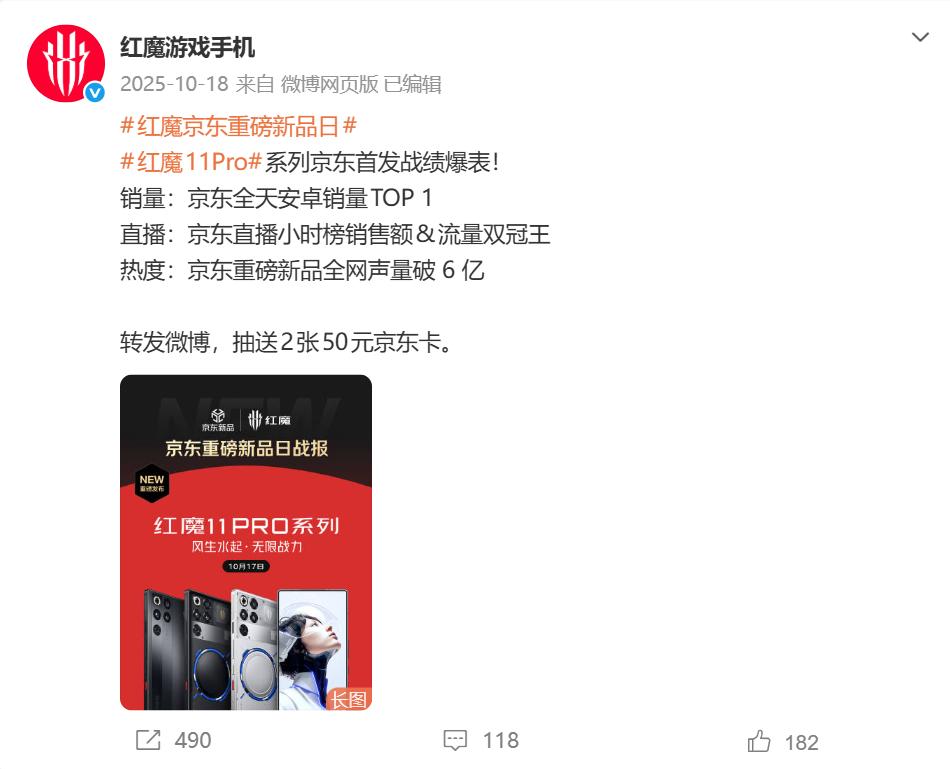
Last October, Nubia released its latest iteration of gaming phones, the Nubia Red Magic 11 Pro series.
(Image source: Weibo @Nubia Red Magic Gaming Phone)
As the “senior” in the gaming phone industry, the sales results were naturally gratifying. On the first day of its official release on JD.com, it topped the all – day Android sales list and achieved an extraordinary popularity with a network buzz of over 600 million.
However, behind these continuous good news, it reflects the gradual decline of the once – glorious gaming phone segment.
“The battle reports may lie, but the front lines won’t.”
At the end of last year, while other brands were intensively promoting their new phone plans, ROG Gaming Phone remained silent. Soon, bad news came that the new phone plan was suspended, and the ROG Gaming Phone 10, originally scheduled for February this year, was officially cancelled. From then on, among the “Four Great Kings” (Lenovo Legion, Black Shark, Nubia Red Magic, and ROG), only Nubia Red Magic is left.
Gaming phones have had their glorious days. As early as 2018, the Black Shark 1 and Nubia Red Magic were almost released simultaneously. Their extremely cool designs and powerful cooling systems instantly caught the eyes of young people. Later in the same year, the ROG Phone was officially launched. In 2020, the last “savior”, the Lenovo Legion gaming phone, appeared.
(Image source: Xiaomi)
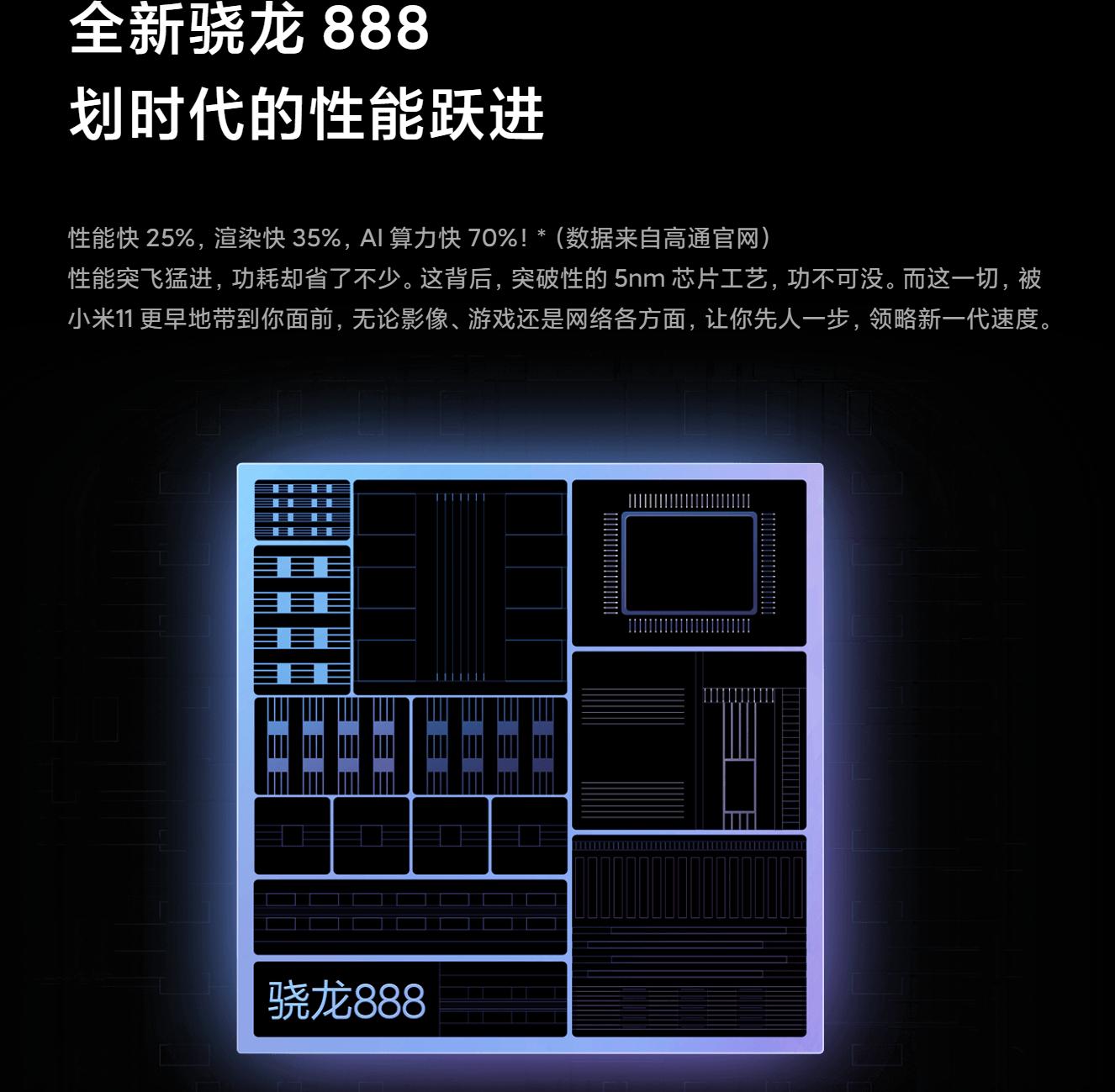
When it comes to the peak period of gaming phones, it was from 2021 to 2022. At that time, Qualcomm successively launched two generations of flagship chips known as the “Fire Dragons”, the Snapdragon 888 and Snapdragon 8 Gen 1. Due to the use of Samsung’s manufacturing process, the energy efficiency ratio of these two chips decreased instead of increasing compared with the previous generation. When running games on regular phones, problems such as overheating and frame drops would occur soon, making it impossible to play mobile games normally.
Meanwhile, gaming phones, with their powerful cooling modules and various active cooling solutions, could run games stably for a long time. For a while, they became very popular among users who pursued high – performance devices.
“Success and failure both come from the same source.”
However, while these products used to attract a large number of fans because of this feature, they may also lose them due to environmental changes.
At the same time, the disadvantages of gaming phones have become more obvious as these characteristics fade away.
Firstly, in terms of the most core SOC, the development of mobile phone SOCs has advanced by leaps and bounds in recent years. The era of the “Fire Dragons” like the Snapdragon 888 and 8 Gen 1 has long passed. Especially in the case of chips like the Snapdragon 8 +, 8 Gen 2, 8E, and MediaTek Dimensity 9300, 9400, the progress compared with the previous generation chips is remarkable.
These high – end chips can stably output quite high performance under extremely low power consumption conditions. The extreme performance that gaming phones used to achieve through excessive cooling stacking is no longer their unique advantage. Especially when all phones use similar SOCs, the performance – centered selling point of gaming phones is gradually losing its uniqueness and scarcity.
Secondly, at the software level, the performance requirements of the mobile game ecosystem have clearly fallen behind the improvement of chip performance and energy efficiency. With the rapid development of SOCs, mobile games, either to expand their user base, to be compatible with older models, or simply because of their simple graphics, do not have high performance requirements.
This means that the performance requirements of most current mobile games have already been easily met by mainstream SOCs. Only a very small number of games with top – level graphics specifications (such as “Honkai: Star Rail”) or niche scenarios like PC emulators can approach the hardware design limit. For manufacturers, these extreme scenarios are difficult to support the existence of gaming phones as an independent category.
(Image source: Nubia)
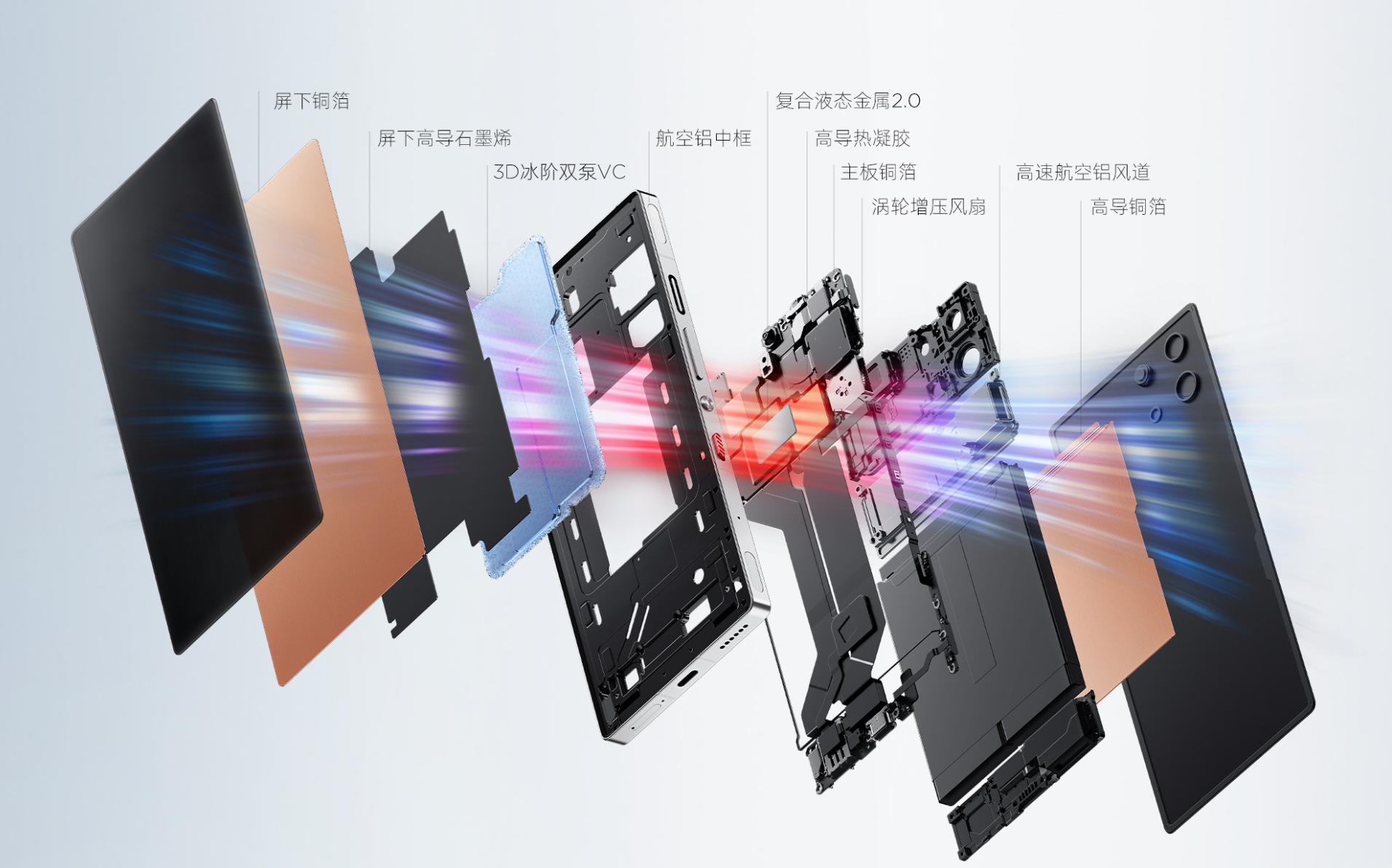
Thirdly, in terms of the peripheral configuration of gaming phones, the extreme performance stacking in gaming phones, such as adding cooling systems, fans, gaming buttons, RGB lights and other hardware, often sacrifices important aspects for a phone, such as photography, sleek design, and daily system regulation, which users use more frequently and have a deeper experience of.
In terms of their greatest advantage, performance, due to the above two reasons, non – gaming phones can already meet the needs of most users. Naturally, consumers will choose well – balanced phones with better comprehensive experiences rather than dedicated gaming phones.
Finally, in the current consumption environment, where consumers tend to be more rational and downgrading consumption is common, users are naturally more cautious when choosing phones that are only designed for gaming.
A phone usually needs to perform multiple functions such as work, socializing, photography, and entertainment. Users are more willing to spend money on a well – balanced device that can do everything. Compared with ordinary phones, gaming phones are not cheap, but they can only achieve a not – so – prominent lead in gaming, and they also have obvious short – comings in other aspects.
Manufacturers have not failed to try self – rescue
Manufacturers are well aware of these problems that are obvious to everyone. At the same time, they are actively trying to save themselves.
(Image source: Black Shark)
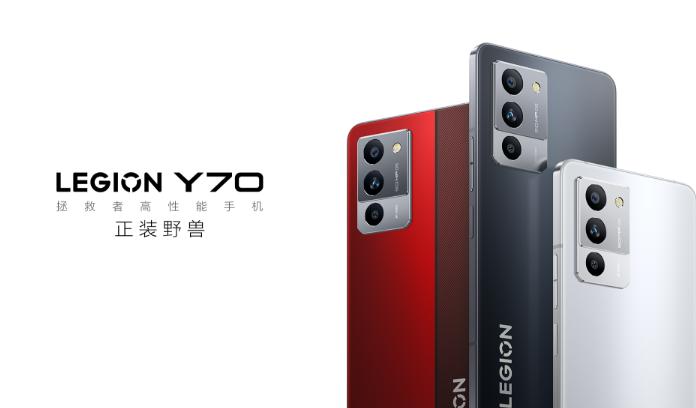
(Image source: Lenovo)
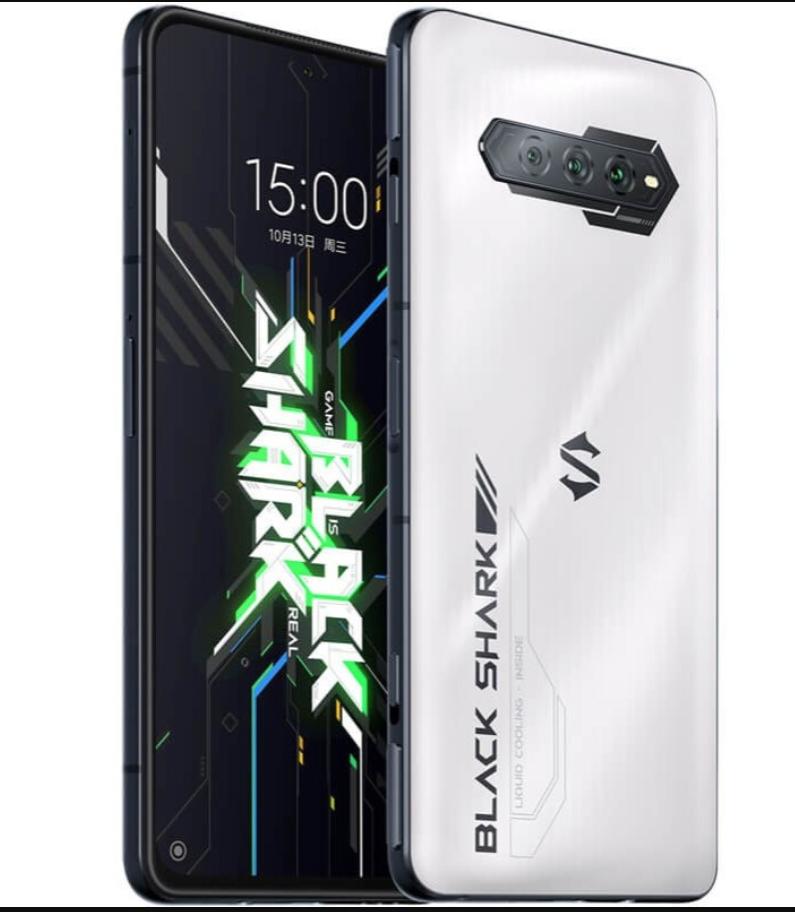
We can see that in the later products of various gaming phones, manufacturers have all abandoned the showy phone designs and become more “reserved” in order to reduce the stereotypical “gaudy” impression of gaming phones and expand the user base.
In terms of software, they have also cooperated with various game manufacturers, using some “exclusive” graphics options to increase the premium value and gain product uniqueness. The importance of photography and weight control in the overall experience is also gradually increasing.
However, limited by their product positioning and policy inertia, these self – rescue measures cannot be considered successful.
In March 2023, it was reported that Lenovo Legion’s mobile phone business was cut.
In December of the same year, Black Shark held its last press conference, at which there was only one product, the Black Shark Gaming Energy Water.
As mentioned above, ROG has also stopped new product development, and its future is uncertain.
Of course, there is another side to the story
While these traditional pure – gaming phones are declining, their core values and concepts are being digested, absorbed, and reproduced by major manufacturers in another way.
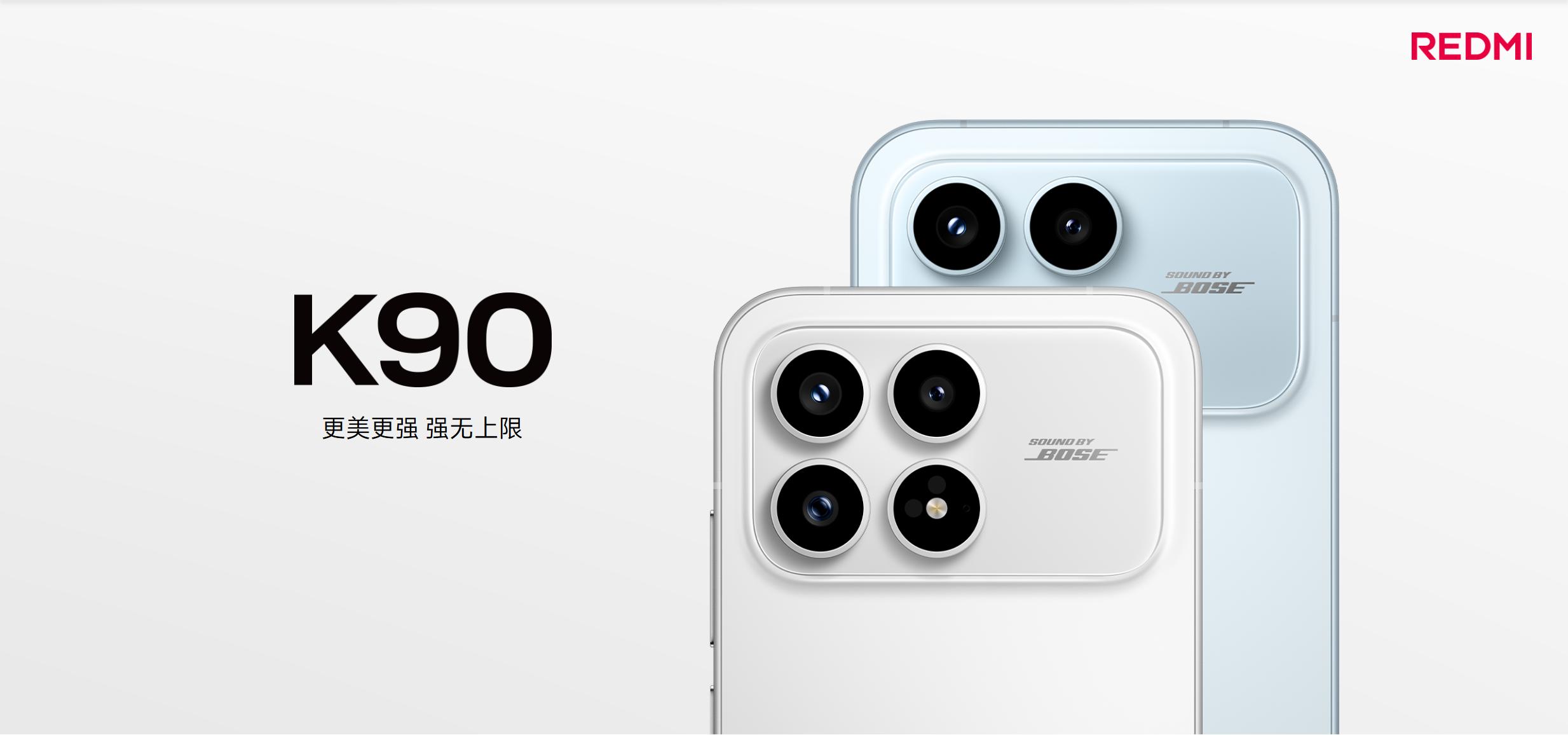
(Image source: Redmi)
Currently, in the mid – range market of 2,000 – 3,000 yuan, phones that “emphasize performance as a selling point” are very popular. Sub – flagship models of various mobile phone manufacturers’ sub – brands, such as the OnePlus Ace series, the standard versions of the Redmi K series, and the iQOO Neo series, are typical examples in this segment.
These models generally use sub – flagship or previous – generation flagship SOCs, combined with powerful cooling materials and good screens. By sacrificing some core premium aspects such as the camera, they provide a more balanced peripheral experience than gaming phones, becoming the “spiritual successors” and lower – end alternatives to traditional gaming phones.
More importantly, with their lower prices and more comprehensive functions compared to gaming phones, they have successfully covered a wider range of budget – constrained users. The “peripheral sacrifice” issue that gaming phones are criticized for is more acceptable. Even as budget models, they can become the “value – for – money benchmarks” in users’ minds and gain a good reputation.
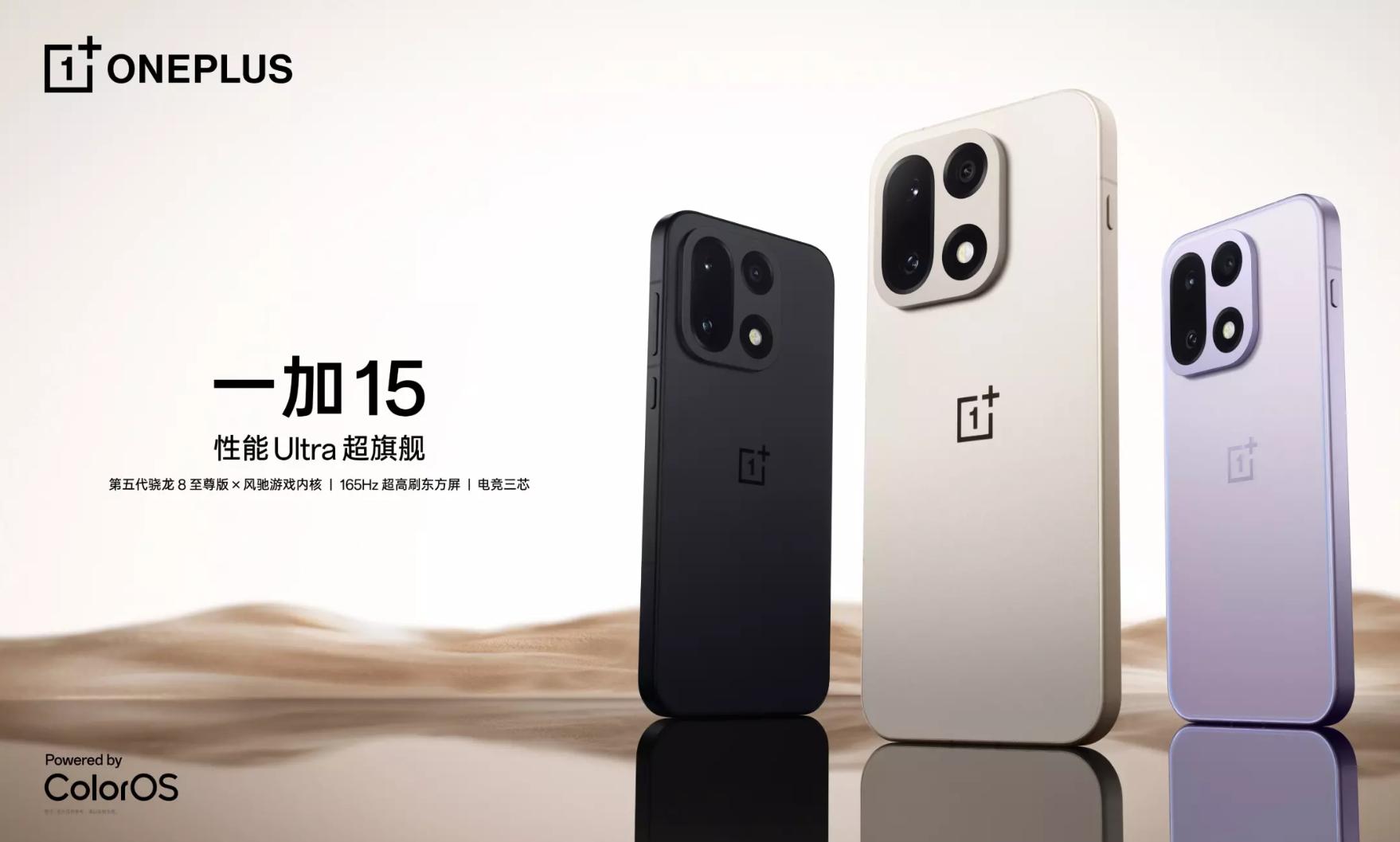
(Image source: OnePlus)
On the other hand, the mid – to – high – end market is promoting the birth of “well – rounded performance phones”. Models such as the iQOO Digital series, the Realme GT Pro series, and the Pro versions of the Redmi K series. Even OnePlus, which used to be a top – tier flagship brand, has shouted the slogan of “Performance Ultra Super Flagship” this year.
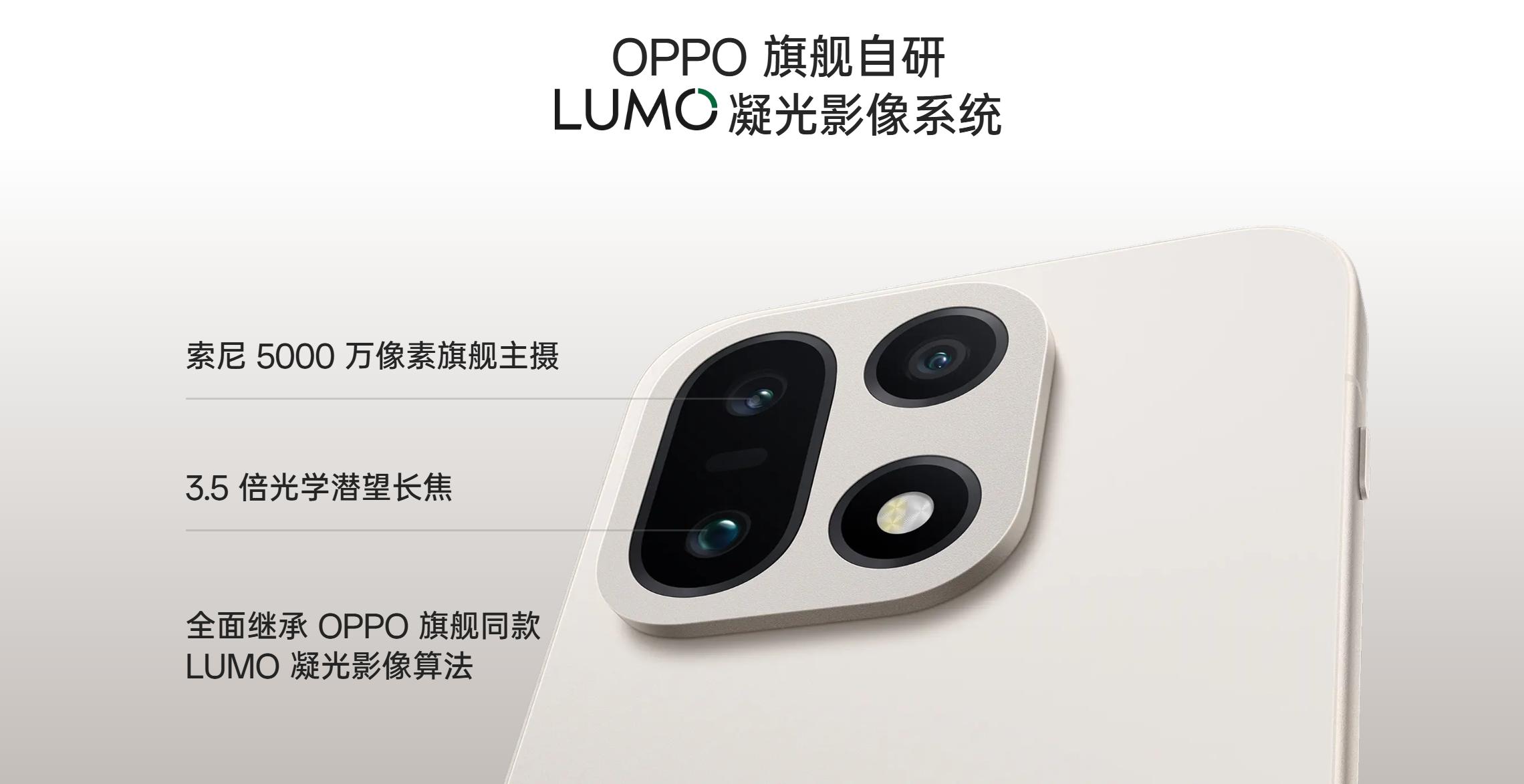
(Image source: OnePlus)
By increasing the price or changing the positioning, they have more room for cost adjustment. They no longer only emphasize phone performance but also address the often – neglected issues such as imaging, daily experience, texture, and grip that gaming phones generally lack. It can be said that they have comprehensively surpassed traditional gaming phones.
In these products, performance is still a major selling point, but not the only one. They have almost fully absorbed the performance that was once unique to gaming phones and have achieved comprehensive improvements in other aspects. They have a more “flagship feel” compared to gaming phones, further squeezing the living space of these pure – performance gaming phones.
Looking back, considering the current progress speed of SOCs and the stable status quo of the current mobile game ecosystem, as an independent category, the positioning of gaming phones makes it difficult for them to adapt to the current market environment, and their value as consumer products is rapidly declining.
However, the concepts and technologies related to performance and game processing brought by gaming phones are being absorbed by major manufacturers and exist in a more flexible form in multiple price segments. The market value of their spirit still has a long – lasting vitality.
This article is from “Lei Technology” and is published by 36Kr with authorization.