
 SAP is shifting from event sponsor to infrastructure provider at New York Fashion Week, embedding enterprise systems directly into the operational and commercial fabric of the event through a partnership with N4XT Experiences.
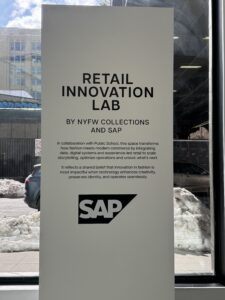
The collaboration follows N4XT’s takeover of New York Fashion Week production from IMG in 2025 and reflects a broader plan to transform Fashion Week from a series of runway shows into a connected, data-driven platform linking designers, consumers, and commerce in real time. By fall 2025, SAP and N4XT had mapped a deeper integration strategy and built the Retail Innovation Lab at NYFW Collections within two months.
At the launch event, Jan Gilg, SAP’s global president of customer success, Americas, described SAP’s role as powering the enterprise systems behind the experience. Retail is one of SAP’s largest industries, with more than 400,000 customers globally. At Fashion Week, product data, pricing, materials, and availability flow from backend systems into screens, displays, and interactive tools inside the Lab.
What this means: Cultural platforms are becoming enterprise deployment environments. SAP’s integration into New York Fashion Week shows ERP systems are expanding beyond back-office contexts into live consumer-facing ecosystems. Vendors may increasingly use high-visibility industry platforms as proof points for real-time data orchestration capabilities.

Real-Time Store Intelligence
In a fully enabled setup, AI-enabled cameras and RFID tags connect product and transaction data to support automated checkout and real-time behavioral analytics. The Lab uses faceless and skeletal modeling to analyze anonymized movement patterns, capturing how long visitors engage with products and where they move within the space. This data feeds analytics engines that inform merchandising, layout, and inventory decisions, creating a continuously adaptive retail environment.
What this means: Unified data layers are central to omnichannel retail strategy. The Lab’s combination of backend product data, AI-enabled behavioral analytics, and adaptive merchandising reinforces that competitive retail models depend on synchronized operational and customer data. ERP and commerce leaders must align core systems with in-store and digital engagement in real time.
For independent brands such as Public School, this level of enterprise-grade visibility has historically been out of reach. The founders noted such capabilities were once reserved for global luxury houses. SAP’s role is to extend centralized data and analytics capabilities to emerging labels seeking direct-to-consumer models and closer customer relationships.
N4XT’s business model provides venues, logistics, and operational support to designers at no cost, funding operations through sponsorships and activations. That structure requires coordinated scheduling, production, retail activation, and digital aggregation across participants. SAP is contributing the unified data layer intended to connect physical events and digital engagement into a single platform.
The partnership reflects broader pressure in fashion retail. Designers cited strained wholesale payment cycles and cash flow challenges, describing the wholesale model as broken. Direct-to-consumer strategies require real-time visibility into customer behavior and operational coordination, which SAP positions its enterprise systems to deliver.