

The Ministry of Culture has unveiled a harrowing collection of documentary photographs capturing the execution of 200 Greek communists at the Kaisariani shooting range during the Nazi occupation. The collection was presented to the public today, just days after it was officially acquired by the Greek state.
The historical archive, dating back to May 1, 1944, includes 262 photographs, 16 documents, and four period banknotes.
How the archive of the Kaisariani execution was saved
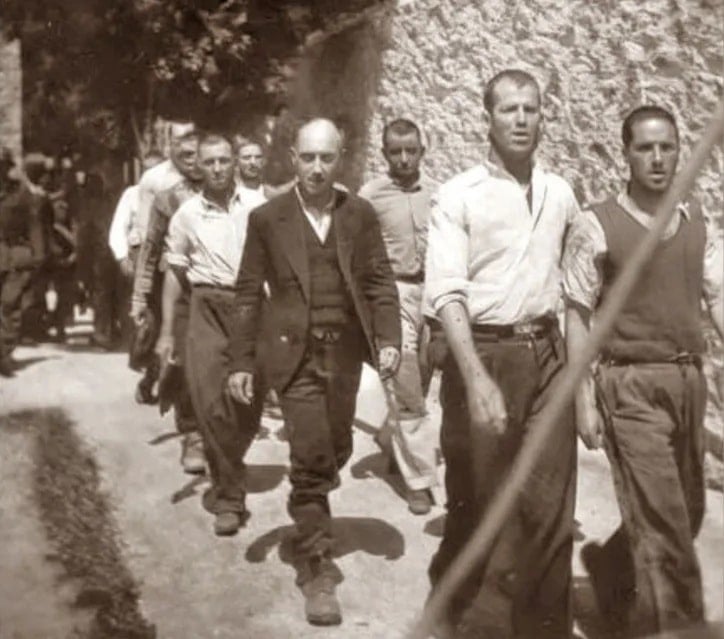
The story of the collection’s recovery began on February 14, when Belgian collector Tim De Crane listed 12 photographs for sale on eBay. The images, taken by a German lieutenant named Hermann Hoyer, depicted the final moments of 200 Greek prisoners before they were executed by Nazi forces at Kaisariani.
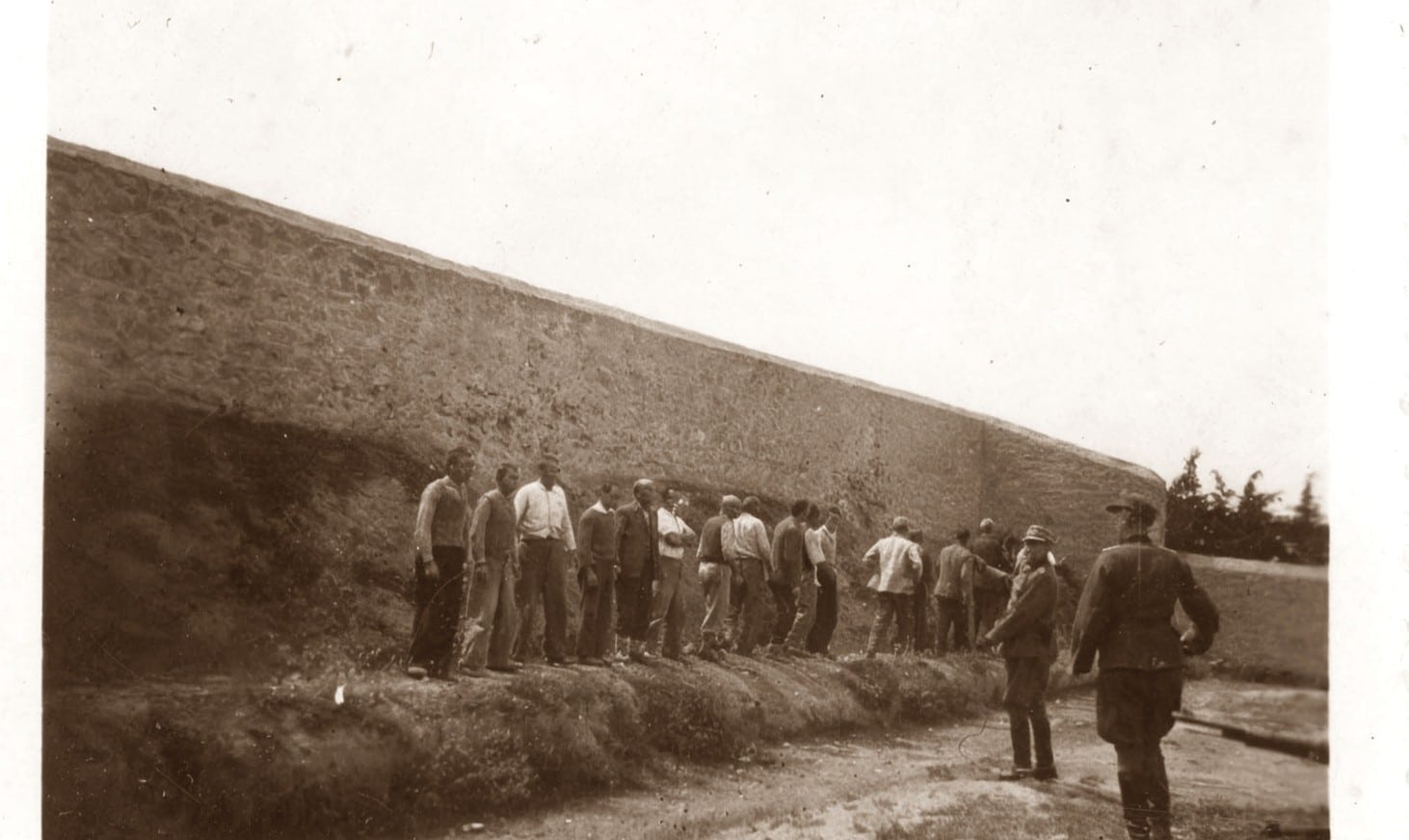
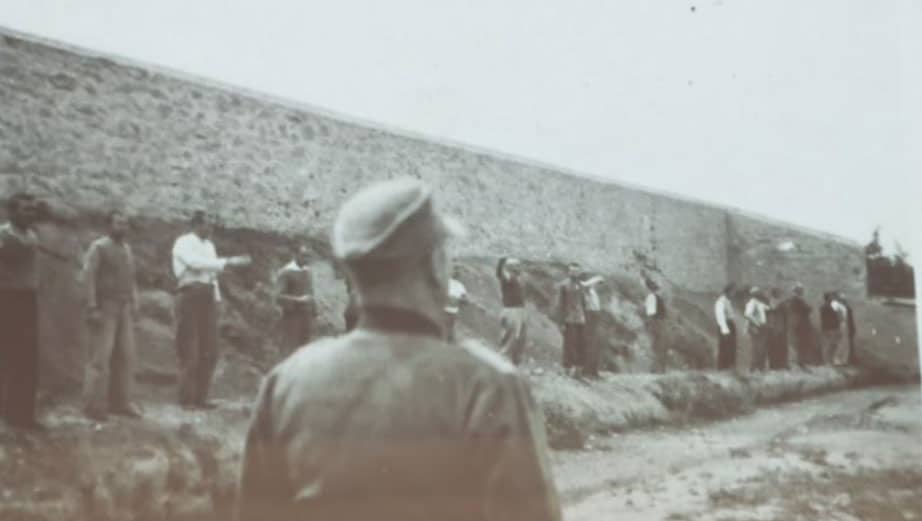
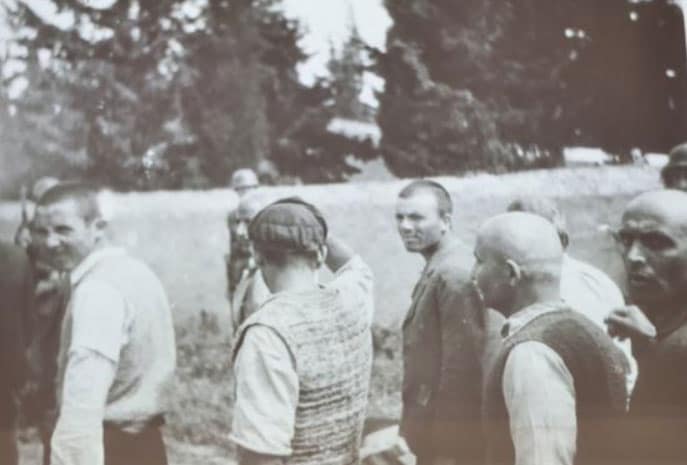
Upon discovering the listing, Greek authorities immediately moved to verify the authenticity of the material and initiate acquisition proceedings. The Ministry of Culture officially declared the entire collection a monument, citing its profound historical significance as evidence of Nazi propaganda mechanisms during the occupation of Greece.
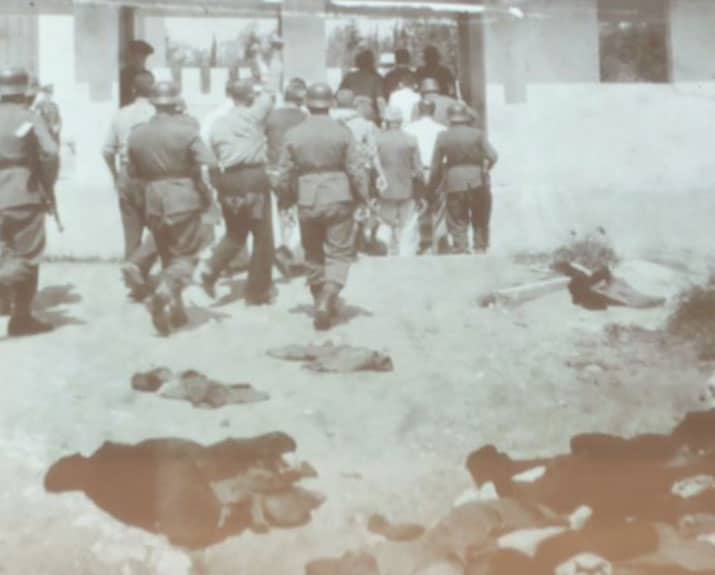
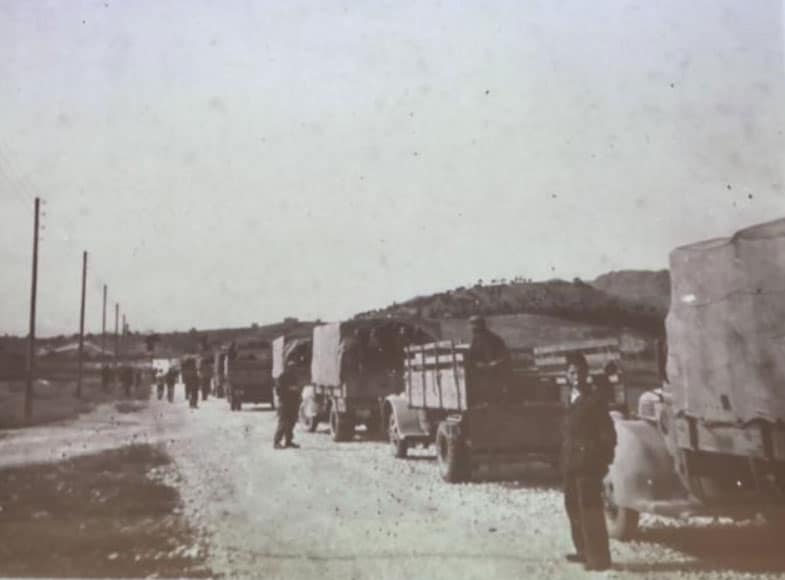
On February 20, a delegation from the Ministry of Culture met with De Crane at the town hall of Evergem, Belgium. The parties signed a preliminary agreement, and the collection was promptly removed from the online auction site. During this visit, the Greek delegation verified that the full archive consists of 262 photographs taken across Greece during Hoyer’s service in 1943–1944, along with several personal documents.
Who was Hermann Hoyer?
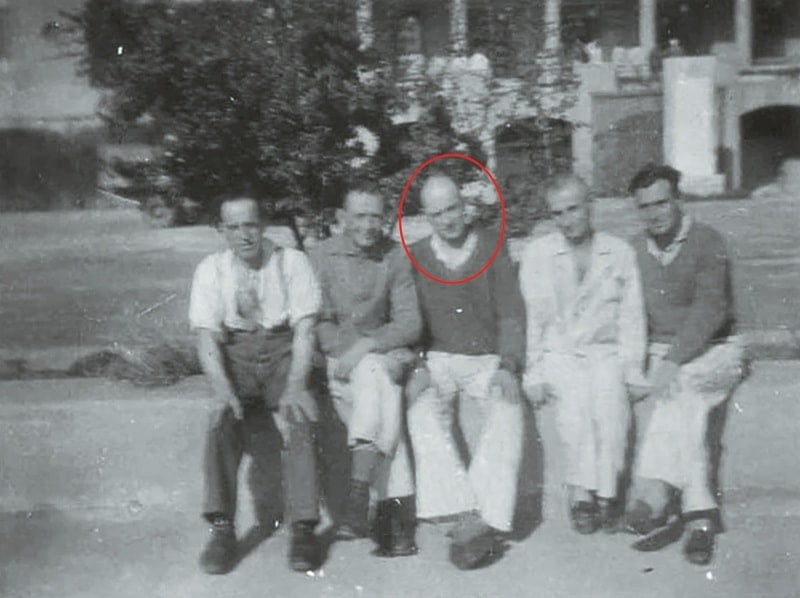
Hermann Hoyer served at the Malakasa camp in Greece between 1943 and 1944. He reportedly received orders to observe or assist—though his precise level of participation remains under investigation—in the execution of the 200 prisoners transferred from the Haidari concentration camp to the Kaisariani shooting range on May Day, 1944.
Hoyer’s personal photographic archive, which spans his service in occupied Europe including Belgium, France, and Greece, eventually passed into the hands of Tim De Crane. These images now serve as a vital, if painful, piece of evidence of one of the darkest days of the Nazi occupation of Greece.
Related: The 200 Greeks Executed by Nazis on May Day