
Apple’s week of launches has seen it update its iPhones, MacBooks, iPads, and displays, but only some updates are stand-outs while the rest are trivial.
It’s true that Apple has announced a week of launches. There currently still two days left to go.
Based on past experience, and the fact that on Wednesday, Apple hosted creators including our own Andrew O’Hara, Apple has probably now wrapped that up.
But, nobody would say no if the company slipped out a new Mac Studio or Apple TV.
Assuming that this is what we’ve got for now, there are are definitely great and definitely mediocre updates. Here’s a grading of all Apple has now launched.
Studio Display
William Gallagher: Apple did update its Studio Display, for the first time since 2022. It’s not exactly fair to say it’s a minor update, but on first reading Apple’s announcement, it was actually tough to figure out what was new.
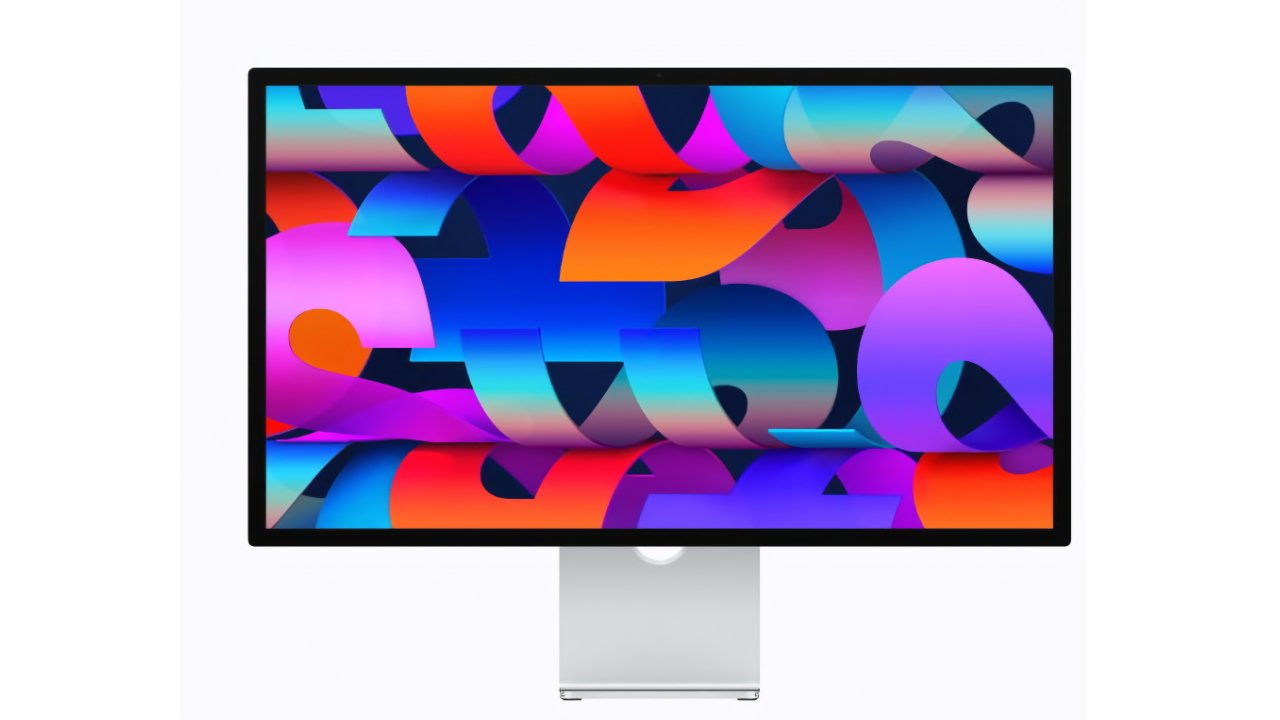
The new Studio Display still only goes to 60Hz — image credit: Apple
It is definitely better, it does now have a 12MP Center Stage display and it uses Thunderbolt 5. Yet it’s still a 60Hz display, which puts it behind most rivals.
But this is probably the weakest of all the updates this week. Grade – D.
Mike Wuerthele: The Pro Display XDR made sense to me, but I knew from the beginning that it wasn’t for me. Perfect color calibration, attractive, with a ludicrous $1000 stand. It was Mac Pro wheels, all over again.
The Studio Display is more in my wheelhouse, but it’s still not for me. I live in a cross-platform world, and I do enough testing of third-party hardware that use HDMI, that it makes no sense for me to own one.
And, it didn’t really need to be updated in 2026, with what was essentially the same thing. Kudos for keeping the chipset current with the A19, I guess, but if you have a Studio Display now, there’s no reason to get this one.
I agree with William and his D grade. I considered it for the failing grade, but it’s not quite that bad. A friend of mine calls something that’s just barely good enough or a failure with style a “F+.” If that existed in the real world, that’s what this is.
Studio Display XDR
William Gallagher: This is new and it replaces the old Pro Display XDR, which was last updated even longer ago than the Studio Display. Apple clearly sees this as the screen to get, with something like 70% of its announcement being about this model instead of the Studio Display.
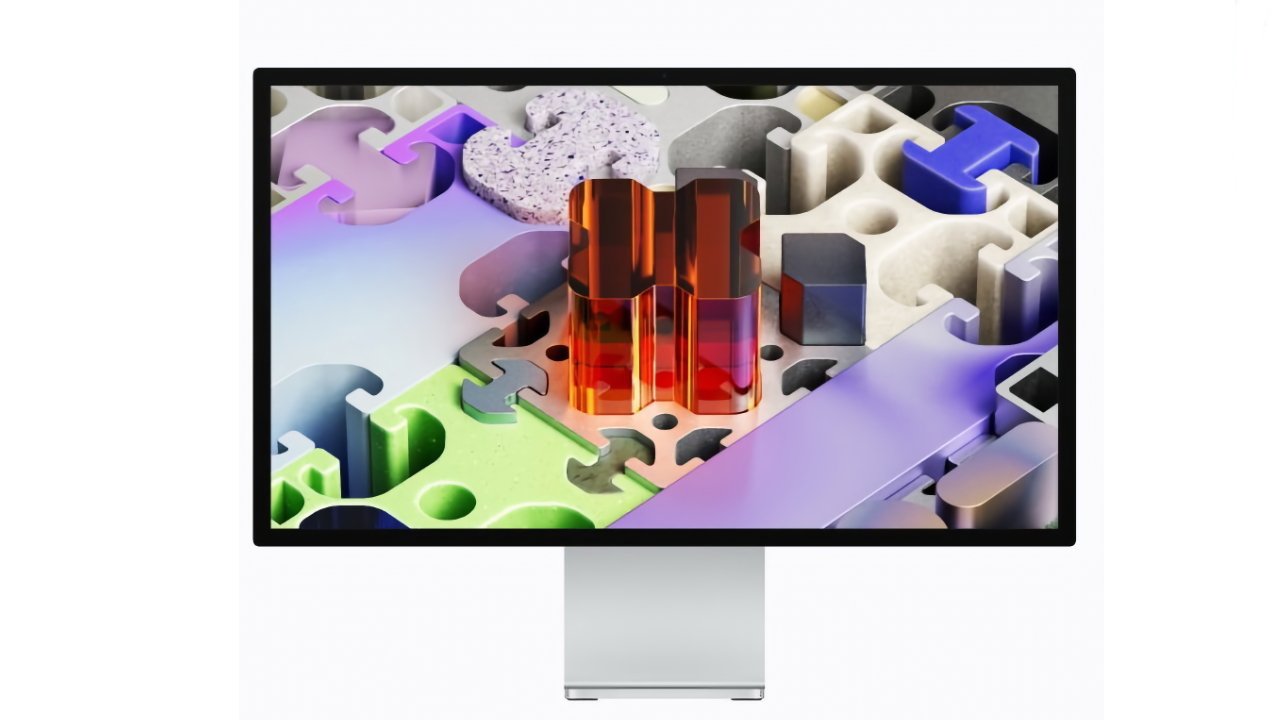
The new Studio Display XDR is impressive — if you have the right Mac — image credit: Apple
So it’s a new screen that is ready for medical imaging, it has 2000 nits of brightness — and it is a 120Hz Adaptive Sync display.
Only, it’s not 120Hz everywhere. You can forget using the Studio Display XDR’s best feature at all if you’re still on an Intel Mac, for instance.
But then, unlike rivals, the Studio Display XDR’s 120Hz can’t be used on every Apple Silicon Mac either. There’s a list of compatible Macs, but broadly you have to be on M4 or later to use this feature.
So if you are, this is a B. If you’re not, it’s a D because you’re still going to be staring at a 60Hz screen.
Mike Wuerthele: Our web developer called these Studio Displays a war crime. It’s obviously hyperbole, but he’s not that far off.
I’m less charitable than William, here. My desk has a pair of 32-inch 4K 120Hz displays from LG. The non-retina doesn’t bother me, but I’ve gotten to a point where a consistent 120Hz is nice not just for banging out this text, but for the games I sometimes get to play when time demands here let up a bit.
This all said — there are three human interface surfaces that you should spend money on. There’s the hands to input surfaces, the eyes to screen, and the butt to chair. Buy the monitor that makes you happy.
I’m just not sure that this makes anybody happy, and this is a downgrade for Pro Display XDR users. Still a D for me, but I admittedly don’t buy into the “Retina is all” mindset.
MacBook Air M5
William Gallagher: There is nothing wrong with the new M5 MacBook Air. It is a solid update, bringing the M5 processor, plus Wi-Fi 7 via Apple’s N1 networking chip.
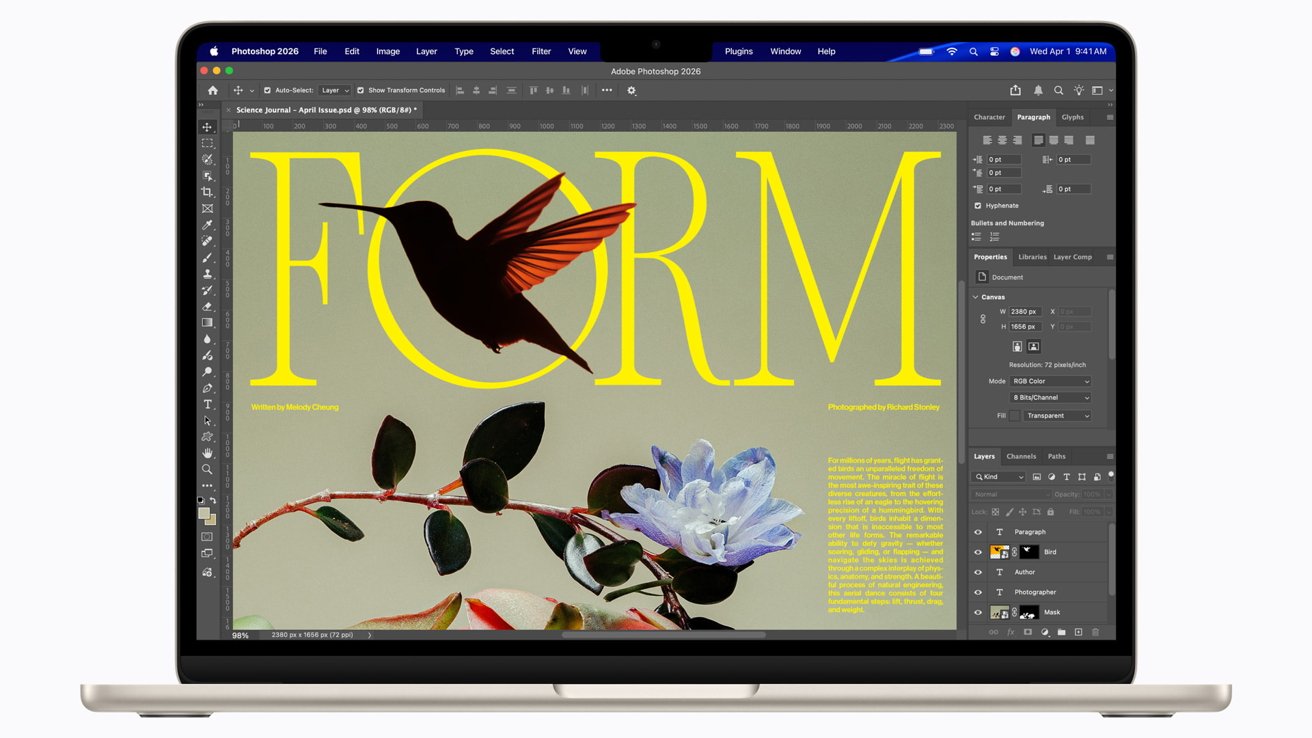
M5 Macbook Air
It’s just that there is also nothing here to make existing M4 MacBook Air users even tempted to upgrade, and even the M3 folks are fine. And if they did, they’d be paying out $100 more than they did last time.
Although if they were base model users, they’d now be getting twice the storage. I give it a C.
Mike Wuerthele: Not everything needs to be looked at year-over-year, and the iterations on the MacBook Air since the M2 are nice. MacBook Air-centric users tend to go three or four years between upgrades, and this is a nice upgrade for the M1 MacBook Air folks that got in, in 2020.
The price creep was inevitable, but Apple is trying to blunt it by including more storage than the year-ago model, for a $100 price premium. That’s cheaper than it would have been on an upgrade, but it stings.
It’s also part of Apple’s pricing ladder strategy. A MacBook Neo is $699 on the higher end, and that Air is about $500 more, depending on what you need. The MacBook Pro starts at about $500 more than that.
The MacBook Air M5 is a very nice machine, at a decent price for what you get. I’m breaking with William again, and giving it a B.
iPad Air M4
William Gallagher: Just as with the MacBook Air, the iPad Air has had a processor update and not really much else. It’s nine-core M4 processor and Apple has to reach back to the M1 to make the improvement sound impressive.
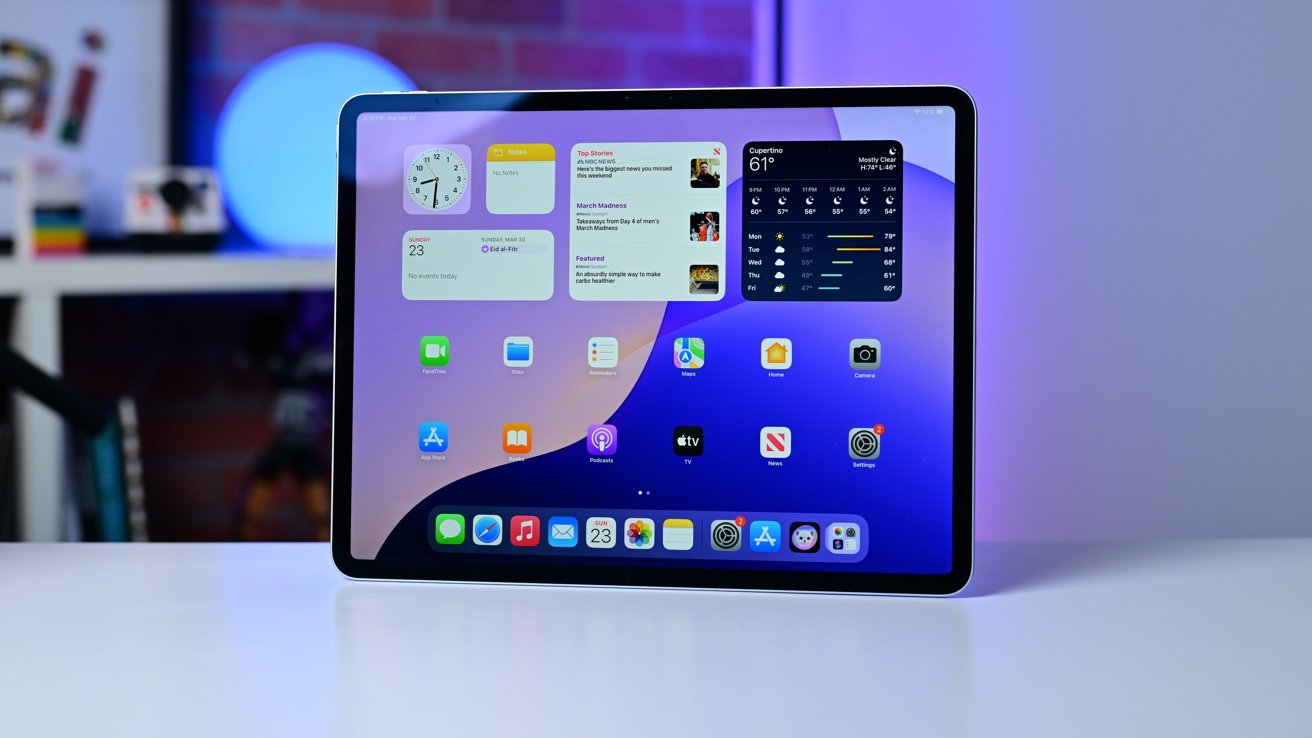
Front of the iPad Air
But it is four times faster than the M1. The 16-core Neural Engine is three times faster. And it does also now support Wi-Fi 7, assuming you’ve shelled out around $1000 for that network in your home.
So if you were in the market for an iPad Air, this is the one you’d want. But it is a minor spec bump update overall, sitting in a strange spot on the price lineup. Grade C.
Mike Wuerthele: William has hit this mostly on the head. The main issue with the iPad Air is its ladder positioning. We’re just not sure who’s in the market for an 11-inch iPad Air.
The 13-inch is a different story, at least for me. The larger form-factor is perfect for me, and the kinds of things I like to read.
But that’s the rub. I don’t need M4 for PDFs and technical publications. I didn’t need the M1 13-inch iPad Air that I got about three years ago either.
I’m with William on this one, on the average. I give the 11-inch a D, but the 13-inch a B. Semester grade is a C.
MacBook Pro M5 Max and M5 Pro
William Gallagher: This is yet another spec bump, but it’s a bump to the devices that probably most need it. Not because the previous MacBook Pro was in any way lacking, but because this is the device users always press to the limits.
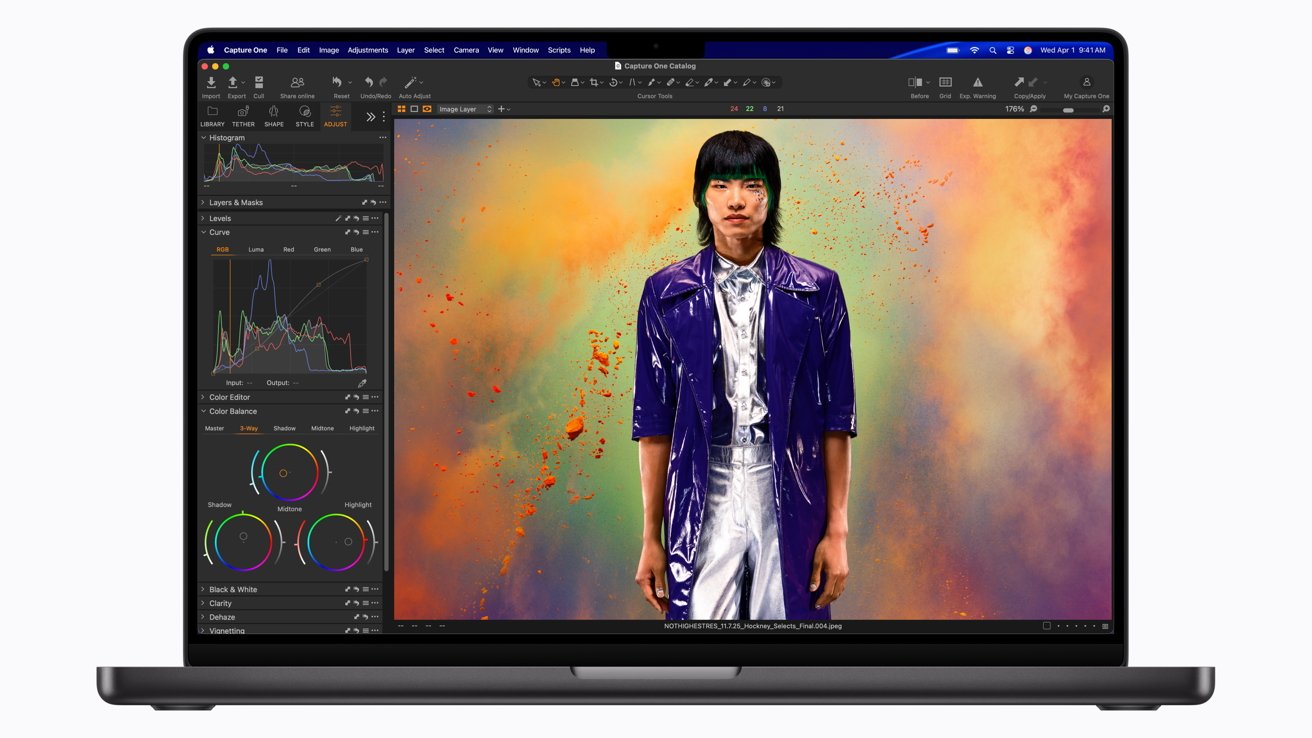
M5 Pro and M5 Max MacBook Pro preorders start March 4 – Image Credit: Apple
Apple says this update brings four times the AI performance of the M4 generation, for instance. Active cooling will make it able to run big jobs, longer, at full speed, versus the MacBook Air.
Anything that means more power, more performance, in the MacBook Pro range is good. It’s still not enough to mean users of the previous generation should rush to upgrade, but they might well do that. Grade B
Mike Wuerthele: I’m mostly with William on this, but the gorilla in the room is the MacBook Pro with OLED that’s expected later in 2026. That is an incredibly tight turn-around for the MacBook Pro, so we’ll see what happens there.
I agree with the B grade, with an apprehensive glance at the future which may arrive in November or so.
iPhone 17e
William Gallagher: Last year’s iPhone 16e was a shockingly good buy, except for how it lacked MagSafe. If Apple had added MagSafe back then, the gap between the iPhone 16e and the rest of the iPhone range would have been very small.
Apple has now added MagSafe.
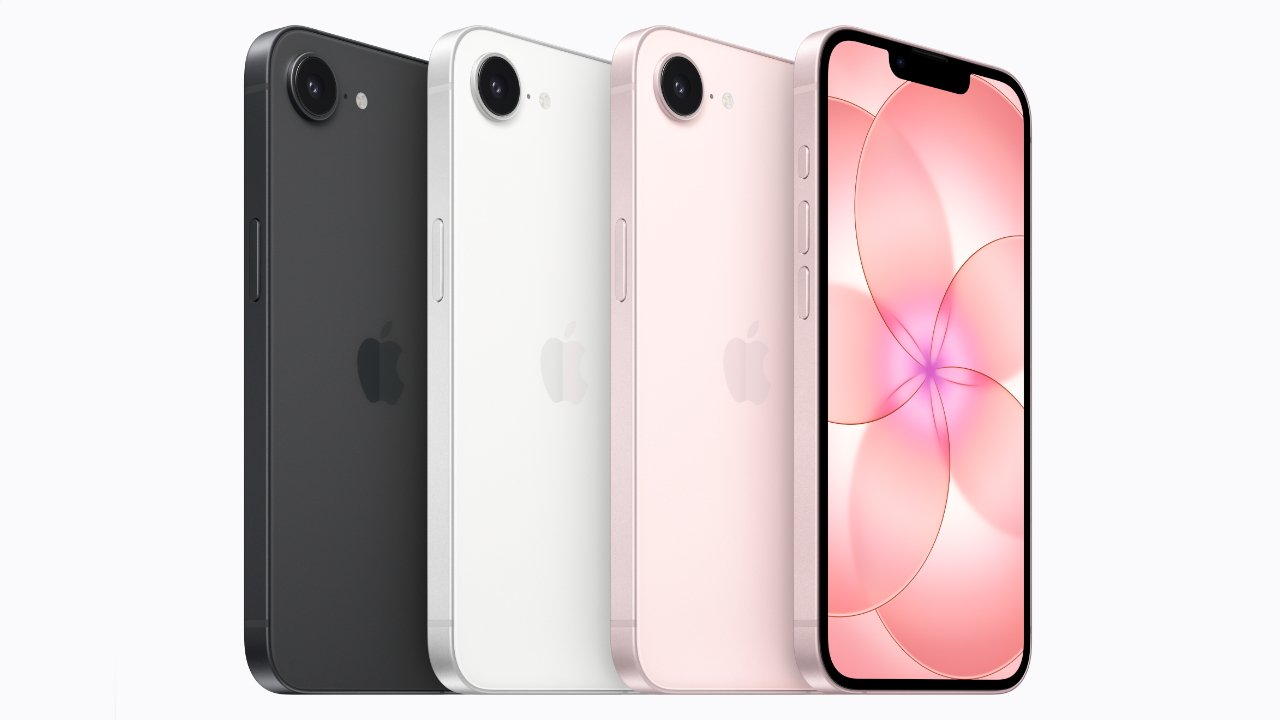
The new iPhone 17e comes in black, white, and soft pink — image credit: Apple
There’s a way to argue that this is yet another spec bump, as the chief selling point of the iPhone 17e remains its price as the lowest-cost iPhone. You do now get MagSafe, you do now get a better processor in the A19, but otherwise this is the same as last year’s model.
Only, those spec bumps are compelling. MagSafe really was a reason not to buy the iPhone 16e and now that the iPhone 17e has it, Apple has made this an all-around compelling device.
If you know you need the features of an iPhone 17 Pro, you won’t look at this. But if you don’t, this is now a remarkably good value buy. It’s also our recommendation if you don’t need that Pro, over the iPhone 17.
Enthusiastic A.
Mike Wuerthele: I loved my iPhone SE, I loved the 5c, and everything in between. I am Mac-centric, and probably always will be so that’s my first love, and where I put my personal buy money. The iPhone in third place behind my 13-inch iPad Pro — which I have already said I don’t need to upgrade even close to every year.
I think that the iPhone 17e is almost as perfect for just about everybody as the iPhone SE was when it launched. It’s another spec-bump in what was almost a clean-sweep on that for the last three days, but that’s okay.
Paired with the MacBook Neo, this makes the first time in a very long time that Apple paid a lot of attention to the budget customer. That’s a good thing. I agree with William’s grading.
MacBook Neo: Honor roll
William Gallagher: The single best launch of the week is the MacBook Neo — and it is going to make the biggest impact, it is going to be the biggest seller. That’s easy to say when the MacBook Pro and the Studio Display XDR prices put them out of the reach of most buyers, and there’s an untapped horde of iPhone users, outnumbering Mac users by about 10 to 1.
Absolute judgement must be reserved until the MacBook Neo is released and can be tested. But for the absolute majority of iPhone-centric users, if not as a main driver for the AppleInsider crowd, the MacBook Neo is going to be superb.
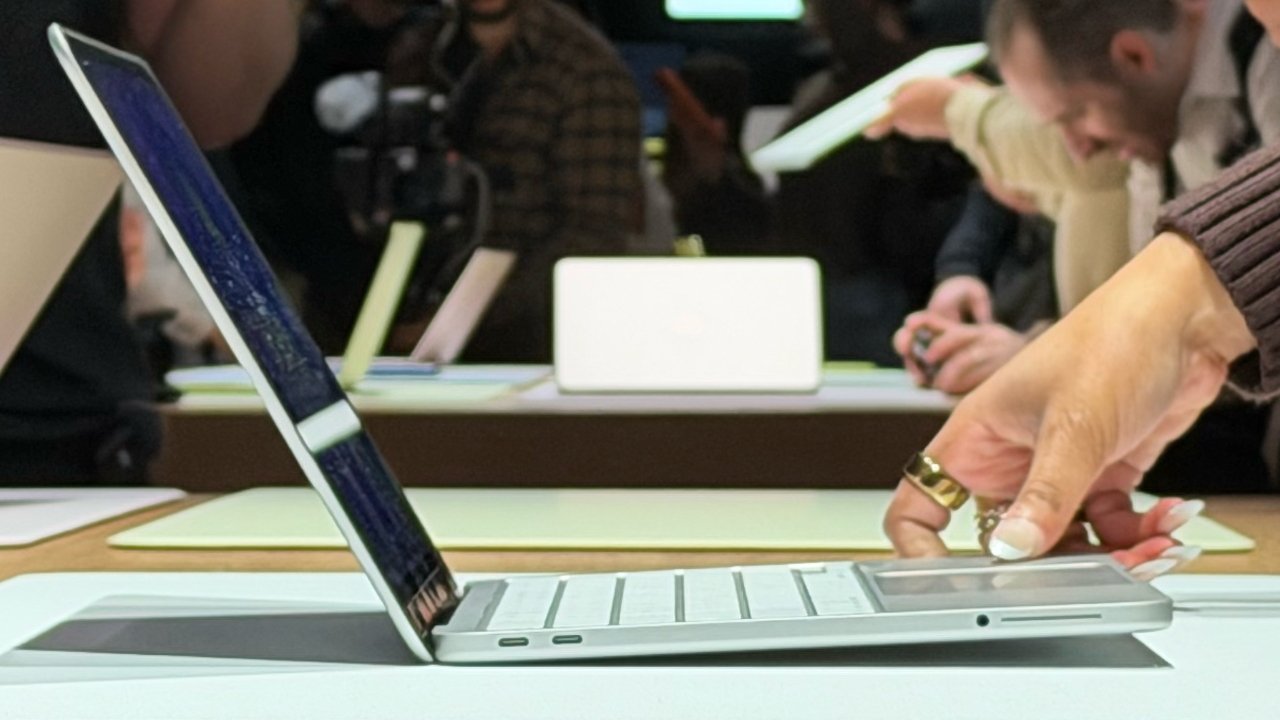
MacBook Neo will suit the majority of users
There are compromises, there are still reasons to go for the MacBook Air instead, and certainly reasons to want the MacBook Pro.
But for general use, Apple has knocked it out of the park with the MacBook Neo.
Mike Wuerthele: I didn’t think I’d see this pricing on a MacBook from Apple, ever. It is the lowest-cost laptop the company has ever released. Using WalMart to clear out M1 MacBook Air stock for the last year was genius.
When Amber wrote her piece yesterday, I was the one who said that the A18 Pro in the Mac is about a M1.5 processor. Almost every casual use will benefit from the higher single-core performance gain over the M1, and the gaming or multi-core processing is about the same as the M1.
Remember, Apple Silicon is Apple Silicon. The cores are the same across generations. The A18 Pro has the same architecture as the M4 chip, just with varying core-counts.
There are some hardware limitations versus a MacBook Air, but for the target market, they don’t make all that much of a difference.
There’s no Thunderbolt, but the target market doesn’t care much about that. There’s 8GB of RAM which I have maintained is fine for casual users — the target market. It’s a fantastic word processing, surfing, light video editing, general use computer.
And that’s all it needed to be. If you’ve got a M1 MacBook Air, keep that, assuming the battery is still fine. If you have anything Intel, it’s time.
Clearly, the MacBook Neo is the valedictorian of the week’s launches. It perfectly hit who Apple was aiming at.
And, there’s always still the M4 Mac mini for the $599 crowd if its not enough tech for that price point.
A solid week of launches
The MacBook Neo is the star, the iPhone 17e is close, and the rest — minus the Studio Display weirdness — are all solid updates. Apple does seem to have tried to hit low-cost, medium and high performance users in one go, and it seems to have succeeded.
Now we just want an M5 version of the Mac Studio. WWDC, maybe.