
Apple’s M5 MacBook Air and 14-inch MacBook Pro share the same core chip, but there are big differences in the display, cooling, and more. Here’s how the specs compare.
Both notebooks use the standard M5 chip with a 10-core CPU, integrated graphics, and Apple’s unified memory architecture. The MacBook Air uses a fanless chassis with passive cooling, while the MacBook Pro uses active cooling to sustain higher performance during longer workloads.
For everyday tasks like web browsing, document editing, and light creative work, the two machines are very similar in short bursts. Heavier tasks such as compiling code, exporting video, or rendering graphics are where MacBook Pro’s thermal design begins to matter.
MacBook Pro includes a brighter Liquid Retina XDR display and more connectivity, while MacBook Air prioritizes portability with a thinner, lighter design. Here’s how the M5 MacBook Air compares with the 14-inch MacBook Pro across design, display, performance, and price.
M5 MacBook Air vs MacBook Pro (14-inch, M5) — Specifications
| Specifications | MacBook Air (M5) | MacBook Pro (14-inch, M5) |
|---|---|---|
| Starting price | $1,099 (13-inch) / $1,299 (15-inch) Best MacBook Air prices |
$1,699 Best M5 MacBook Pro prices |
| Chip | Apple M5 | Apple M5 |
| CPU | 10-core CPU (4 super cores / 6 efficiency cores) | 10-core CPU (4 super cores / 6 efficiency cores) |
| GPU | 8-core or 10-core GPU | 10-core GPU |
| Neural Engine | 16-core Neural Engine | 16-core Neural Engine |
| Memory bandwidth | 153GB/s | 153GB/s |
| Unified memory | 16GB, 24GB, or 32GB | 16GB, 24GB, or 32GB |
| Storage | 512GB to 4TB SSD | 512GB to 4TB SSD |
| Display | 13.6-inch or 15.3-inch Liquid Retina | 14.2-inch Liquid Retina XDR |
| Resolution | 2560 x 1664 (13-inch) / 2880 x 1864 (15-inch) | 3024 x 1964 |
| Brightness | 500 nits | 1000 nits SDR / 1600 nits HDR |
| Refresh rate | 60Hz | ProMotion up to 120Hz |
| Cooling | Fanless passive cooling | Active cooling with fan |
| Ports | MagSafe 3, 2x Thunderbolt 4, 3.5mm headphone jack | MagSafe 3, 3x Thunderbolt 4, HDMI, SDXC, 3.5mm headphone jack |
| Wireless | Wi-Fi 7, Bluetooth 6 | Wi-Fi 6E, Bluetooth 5.3 |
| External display support | Up to two external displays | Up to two external displays |
| Camera | 12MP Center Stage camera | 12MP Center Stage camera |
| Speakers | Four-speaker sound system | Six-speaker system with force-cancelling woofers |
| Battery life (video) | Up to 18 hours | Up to 24 hours |
| Dimensions | 0.44 x 11.97 x 8.46 inches | 0.61 x 12.31 x 8.71 inches |
| Weight | 2.7 lb (13-inch) | 3.4 lb |
| Maximum configuration price | $2,919 | $3,269 |
M5 MacBook Air vs MacBook Pro — Design, size, and weight
MacBook Air and MacBook Pro share Apple’s current flat-sided aluminum design language, but the two machines prioritize different goals. MacBook Air focuses on portability, while MacBook Pro trades some of that thinness for additional capability.
The MacBook Air measures about 0.44 inches thick and weighs 2.7 pounds, making it one of Apple’s lightest notebooks. The 14-inch MacBook Pro is thicker at about 0.61 inches and weighs 3.4 pounds.
MacBook Air’s lightweight design makes it easy to carry between classes, commute with, or work in different locations. MacBook Pro uses its larger chassis to support active cooling, a larger speaker system, and more ports.
M5 MacBook Air vs MacBook Pro — Display
MacBook Air and MacBook Pro differ in display quality. Both support P3 color space and True Tone, but their panel technology and brightness capabilities set them apart.
MacBook Air uses a 13.6-inch Liquid Retina display with a resolution of 2560 by 1664 and brightness up to 500 nits. The 14-inch MacBook Pro uses a larger 14.2-inch Liquid Retina XDR display with mini-LED backlighting and a resolution of 3024 by 1964.
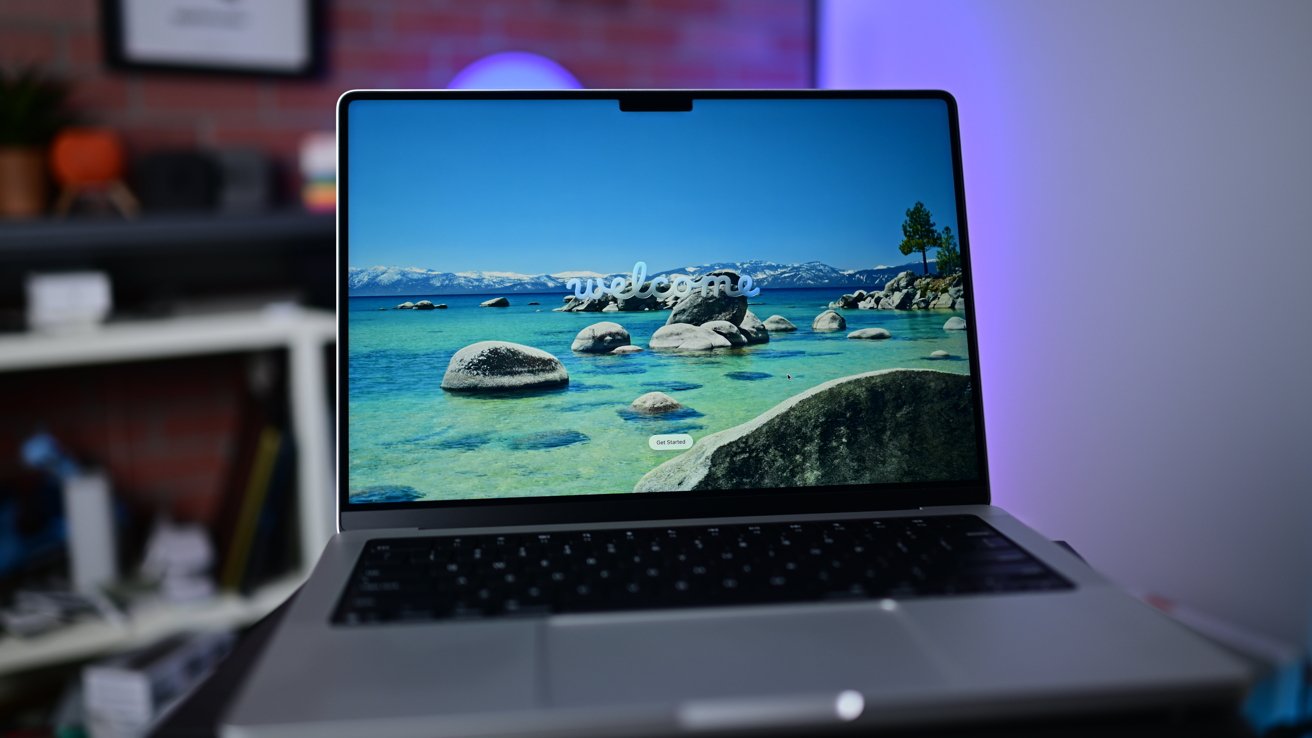
M5 MacBook Pro display
Both displays deliver sharp text and accurate color for everyday work, media viewing, and light creative tasks. MacBook Pro’s panel, however, can sustain up to 1,000 nits of brightness for standard content and reach up to 1,600 nits when displaying HDR material.
MacBook Pro also includes ProMotion with adaptive refresh rates up to 120Hz. Scrolling, animations, and video playback appear smoother compared with the standard 60Hz panel used by MacBook Air.
External display support is broadly similar between the two machines. Both can drive up to two external displays at resolutions up to 6K at 60Hz or 4K at higher refresh rates, depending on configuration.
The MacBook Air’s display is great for everyday tasks. The MacBook Pro offers higher brightness and stronger HDR performance.
MacBook Pro also provides smoother motion during scrolling, animation, and video playback.
M5 MacBook Air vs MacBook Pro — Graphics
MacBook Air and MacBook Pro share similar graphics capabilities because both rely on the integrated GPU built into the Apple M5 chip. The GPU can scale up to 10 cores and supports hardware-accelerated ray tracing.
Geekbench 6 Compute tests using Apple’s Metal API show the 10-core M5 GPU scoring about 76,278 points in the 14-inch MacBook Pro. The same GPU in the fanless 13-inch iPad Pro scores about 74,995, which provides a useful proxy for how the chip behaves in a passive cooling environment.
MacBook Air uses the same GPU architecture, so short-burst graphics performance should land in a similar range. The base MacBook Air configuration ships with an 8-core GPU, while MacBook Pro includes the full 10-core GPU as standard.
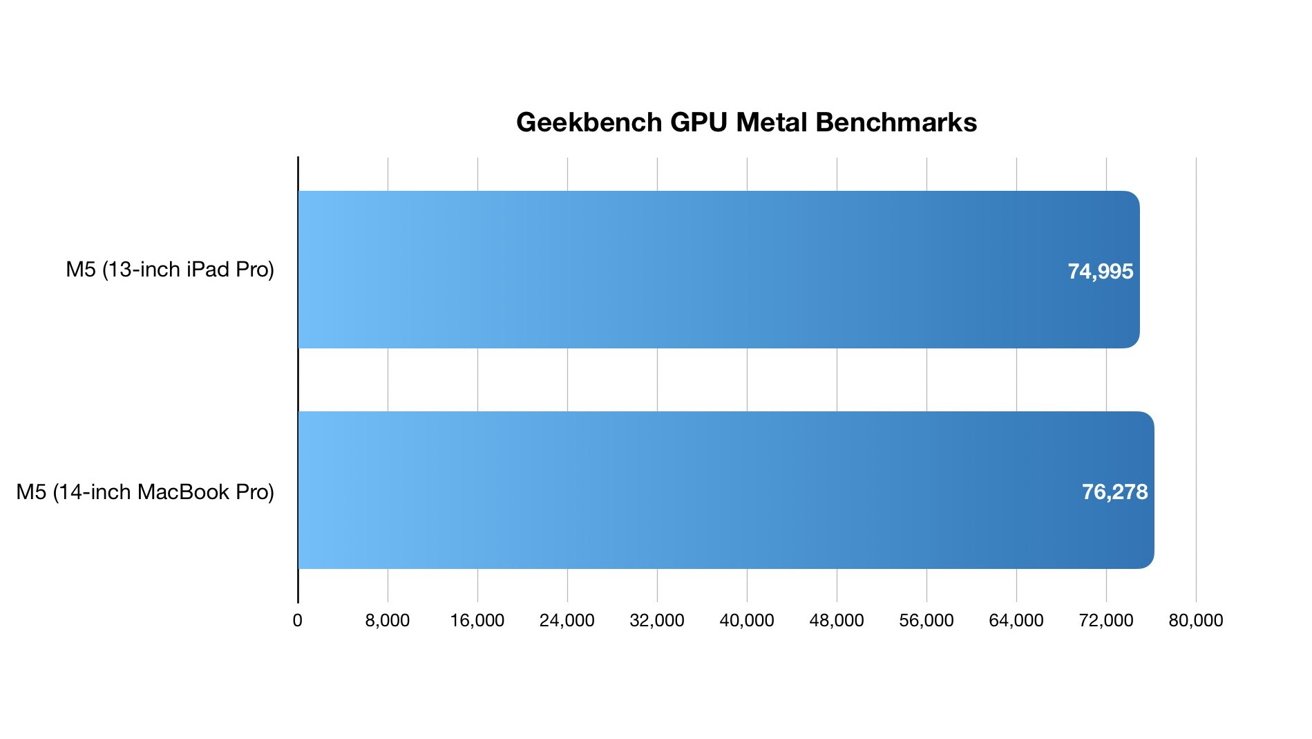
Geekbench GPU Metal scores
The chip also includes a 16-core Neural Engine to accelerate AI and machine learning workloads. These work alongside the CPU to accelerate Apple Intelligence features
Both notebooks also include dedicated media engines that accelerate H.264, HEVC, ProRes, and ProRes RAW workloads. MacBook Air relies on passive cooling, while MacBook Pro uses active cooling to sustain higher graphics performance during longer rendering or gaming sessions.
Geekbench 6 Compute tests using Apple’s Metal API show the M5 GPU in the 14-inch MacBook Pro scoring 76,278 points. The same 10-core M5 GPU in the fanless 13-inch iPad Pro scores 74,995 points, showing very similar peak graphics performance.
M5 MacBook Air vs MacBook Pro — Ports, connectivity, and expansion
Ports are one of the most practical differences between the MacBook Air and the 14-inch MacBook Pro.
MacBook Air includes MagSafe 3 charging, two Thunderbolt 4 ports, and a 3.5mm headphone jack. The selection covers the basics but can push users toward adapters once storage drives, cameras, or wired displays enter the setup.
MacBook Pro includes those same connections but expands the lineup with additional hardware. The notebook adds a third Thunderbolt 4 port, HDMI output, and an SDXC card slot.
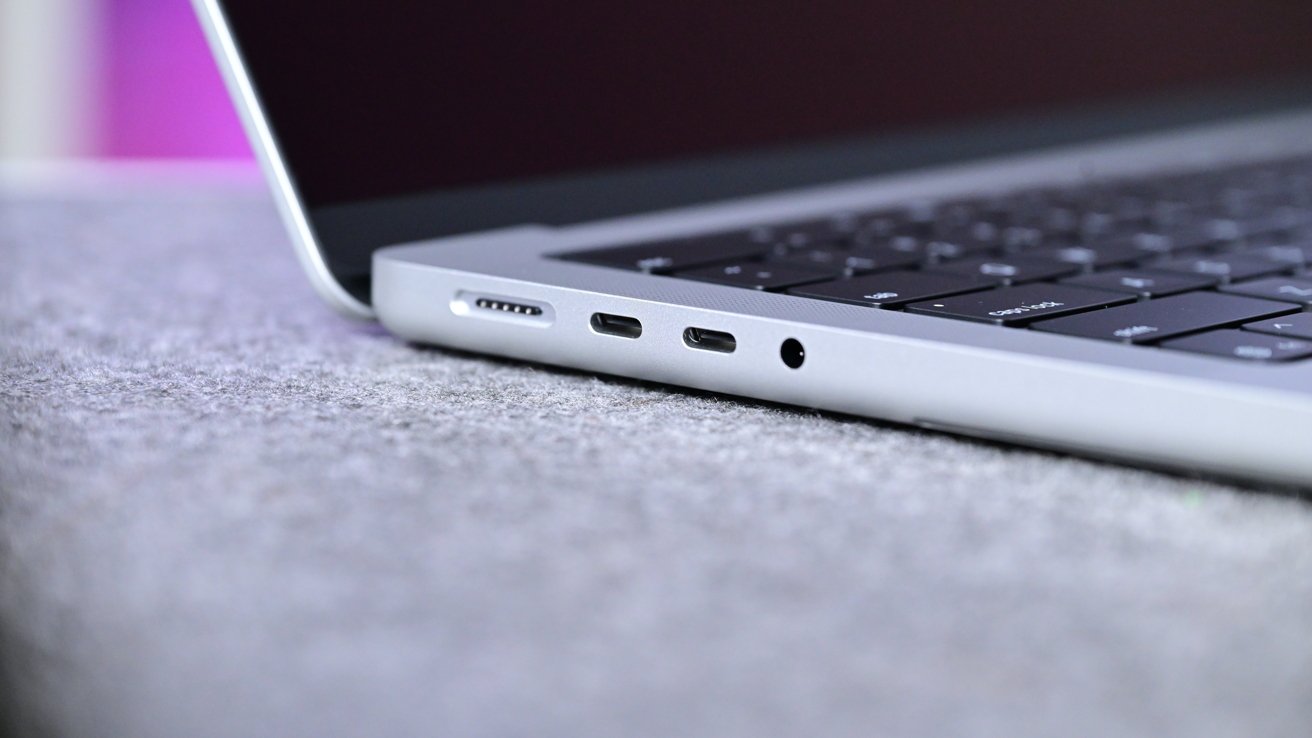
Ports on the MacBook Pro M5
These additions make it easier to connect a monitor and import photos or videos from a camera. You can also keep ports available for other peripherals without relying on a hub.
MacBook Air supports up to two external displays — depending on configuration — with resolutions up to 6K at 60Hz or 4K at higher refresh rates through its Thunderbolt ports. The 14-inch MacBook Pro supports similar dual-display setups but can connect one monitor directly over HDMI without using a Thunderbolt port.
MacBook Pro also supports higher-end display configurations, such as an 8K display at 60Hz or a 4K display at up to 240Hz over HDMI.
Wireless connectivity differs slightly between the two machines. MacBook Air supports Wi-Fi 7 and Bluetooth 6, while MacBook Pro lists Wi-Fi 6E and Bluetooth 5.3 in its specifications.
M5 MacBook Air vs MacBook Pro — Performance
MacBook Air and MacBook Pro both use the Apple M5 chip, so their baseline CPU performance is very similar. Each machine ships with a 10-core CPU made up of four Super Cores and six efficiency cores.
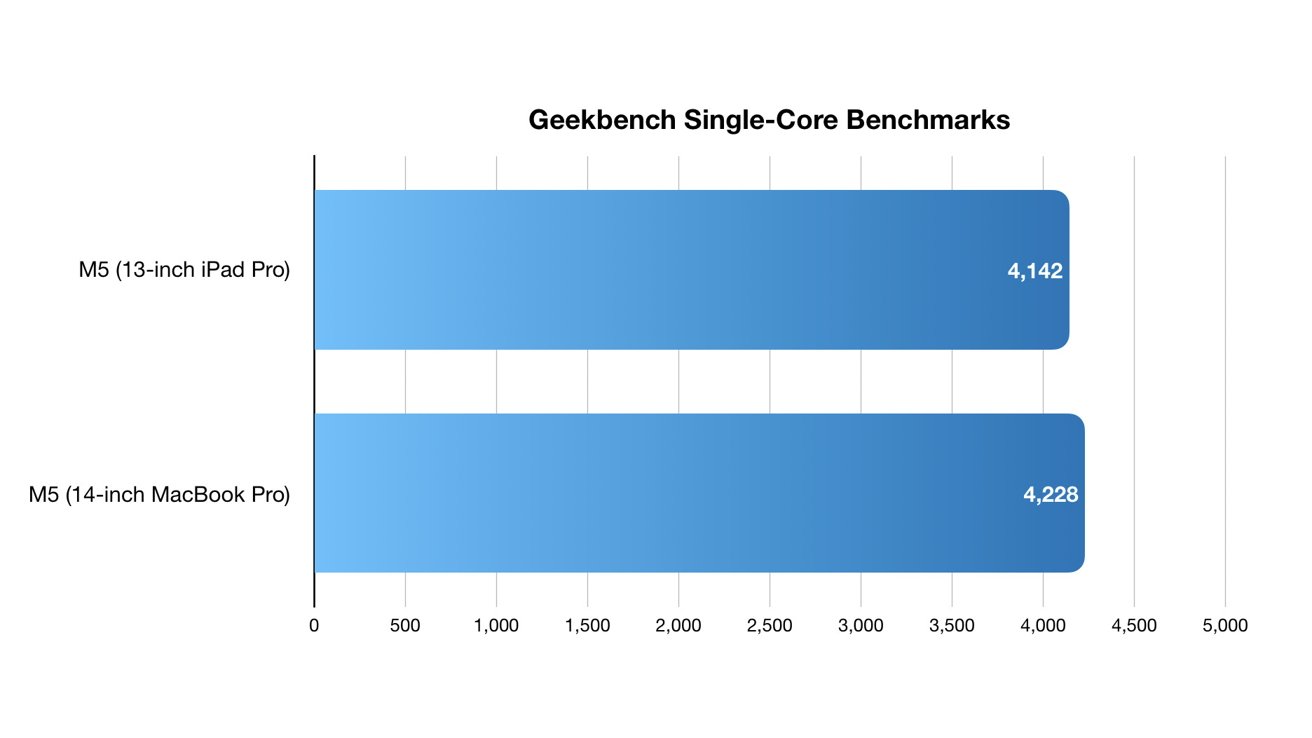 Geekbench single-core scores
Both notebooks also include a 16-core Neural Engine designed for machine learning workloads.
Apple’s M5 generation renames the high-performance cores to “Super Cores.” The hybrid design still pairs performance and efficiency cores to balance speed with power efficiency.
The M5 chip’s Geekbench 6 benchmark results show an average single-core performance of 4,228. In multi-core performance, it averages 17,460 based on thousands of MacBook Pro test submissions.
Explicit Geekbench results for the M5 MacBook Air haven’t shown up yet. For a rough comparison, the closest we have is the fanless M5 in the 13-inch iPad Pro, which works in a similar thermal environment.
MacBook Air uses the same CPU configuration, so short-burst performance is nearly identical between the two machines. The 13-inch iPad Pro with M5 scores 4,142 in single-core performance and 16,484 in multi-core performance in Geekbench.
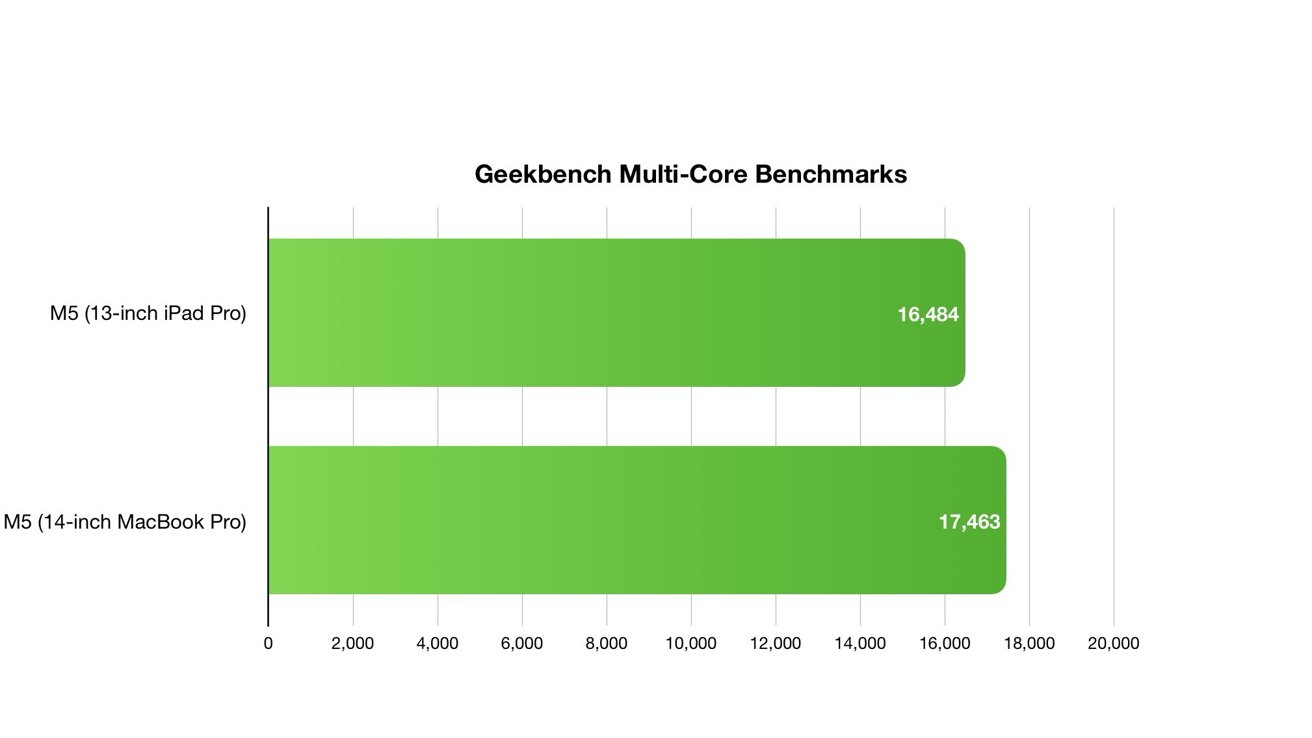
Geekbench Multi-Core Benchmarks
MacBook Air relies on passive cooling, while MacBook Pro uses active cooling with a much larger thermal envelope. Geekbench runs are short, so they don’t always show the full advantage of that design.
Tougher workloads like compiling code, exporting video, or rendering graphics let MacBook Pro maintain higher performance for extended periods.
M5 MacBook Air vs MacBook Pro — Battery life
Battery life is strong on both machines, though MacBook Pro holds the edge in Apple’s official estimates.
Apple says the 14-inch MacBook Pro can deliver up to 24 hours of video streaming or about 16 hours of wireless web use. MacBook Air is rated for up to 18 hours of video streaming and around 15 hours of wireless web use.
The difference comes partly from MacBook Pro’s larger battery, which measures 72.4 watt-hours compared with 66.5 watt-hours in the 15-inch MacBook Air.
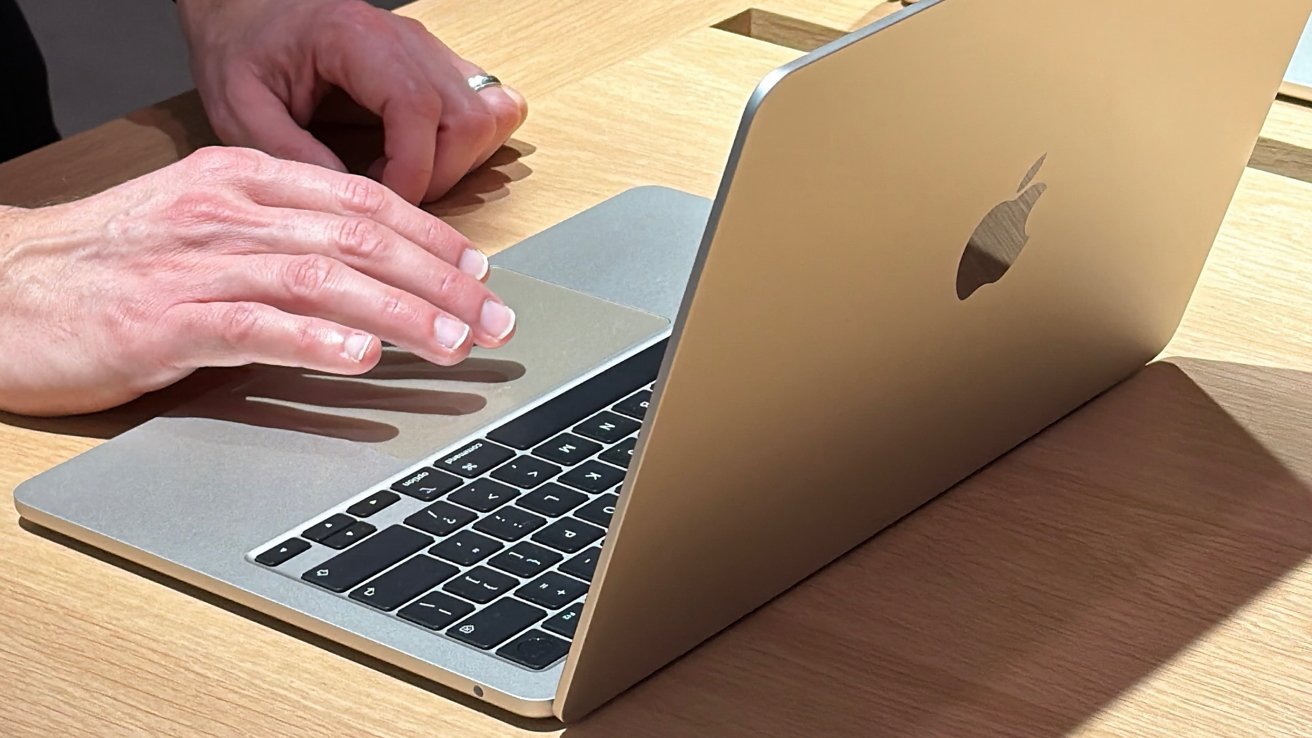
MacBook Air will be the better fit for most buyers
Real-world results depend heavily on workload, display brightness, and connected accessories. Lighter tasks such as browsing, writing, or streaming video can approach Apple’s estimates, while heavier workloads will reduce battery life on both machines.
M5 MacBook Air vs MacBook Pro — Pricing
Pricing is another clear divider between MacBook Air and MacBook Pro.
MacBook Air starts at $1,099 for the 13-inch model and $1,299 for the 15-inch configuration. The base model includes the M5 chip with a 10-core CPU and 8-core GPU, 16GB of unified memory, and 512GB of SSD storage.
Upgrade options increase the price depending on how much memory and storage you choose. MacBook Air can be configured with a 10-core GPU, up to 32GB of unified memory, and up to 4TB of SSD storage.
At the top of the lineup, a fully configured 15-inch MacBook Air reaches $2,919. That configuration includes the M5 chip with a 10-core CPU and 10-core GPU, 32GB of unified memory, and a 4TB SSD.
The 14-inch MacBook Pro with the standard M5 chip starts at $1,699. The base configuration includes the M5 chip with a 10-core CPU and 10-core GPU, 16GB of unified memory, and 1TB of SSD storage.
The MacBook Pro comes with hardware upgrades that the MacBook Air doesn’t have, like the Liquid Retina XDR display and active cooling. It also offers extra ports, including HDMI and an SDXC card slot.
A fully configured 14-inch MacBook Pro with the M5 chip reaches $3,269. That configuration includes 32GB of unified memory, a 4TB SSD, and Apple’s optional nano-texture display.
Which to buy
Both the MacBook Air and the 14-inch MacBook Pro come with the same M5 chip. The choice really comes down to the other hardware features they offer.
MacBook Air will be the better fit for most buyers. It delivers essentially the same short-burst performance in a thinner and lighter design, while starting $600 cheaper than the MacBook Pro.
MacBook Pro’s higher price is due to features for heavy workloads. The Liquid Retina XDR display is brighter and supports ProMotion. The chassis has HDMI and SDXC ports, and active cooling extends the M5 chip’s peak performance.
MacBook Air performs well for everyday tasks like writing, web browsing, and photo management. However, buyers expecting to render video, compile code, or run graphics workloads will benefit from the MacBook Pro’s cooling system and display.
For most people, MacBook Air remains the smarter purchase. Users who need sustained performance, a better display, or more built-in connectivity will still find MacBook Pro worth the extra cost.
Where to buy M5 MacBook Air vs M5 MacBook Pro
Apple’s M5 13-inch MacBook Air is available for purchase at Amazon and B&H Photo, with a breakdown of offers at your fingertips in our M5 MacBook Air 13-inch Price Guide.
The M5 14-inch MacBook Pro, meanwhile, is eligible for discounts in our M5 MacBook Pro Price Guide, with sale prices starting at $1,449 at press time.
You can find a breakdown of the offers in our Mac Price Guide, with a few highlights below.
Today’s top MacBook deals
- 14″ MacBook Pro M5, 16GB, 512GB: $1,449 ($150 off)
- 14″ MacBook Pro M5, 16GB, 1TB: $1,649 ($150 off)
- 14″ MacBook Pro M5, 24GB, 1TB: $1,845 ($154 off)
- 13″ MacBook Air M4 (10C GPU, 16GB RAM, 512GB SSD): $999 ($200 off)
- 13″ MacBook Air M4 (10C GPU, 24GB RAM, 512GB SSD): $1,099 ($300 off)
- 15″ MacBook Air M4 (16GB RAM, 256GB SSD): $999 ($200 off)
- 15″ MacBook Air M4 (16GB RAM, 512GB SSD): $1,099 ($300 off)
- 15″ MacBook Air M4 (24GB RAM, 512GB SSD): $1,299 ($300 off)