
Designer Ralph Lauren presented the brand’s Autumn/Winter collection during Paris Fashion Week featuring long jackets, boots, pants and a slew of layered ensembles. However, it was the accessories that unexpectedly drew the most attention. Among the standout pieces were silver dangling earrings, such as hollow silver globes, pendant drops, and elongated studs that closely resembled traditional Indian Jhumka designs.
The fashion house described the pieces as vintage accessories and noted that some items in the collection were created by Native American designers Neil Zarama, Jimmy Begay, and TÓPA as part of their ‘Authentic Makers and Artist in Residence’ initiatives. Despite this explanation, fashion critics and many social media users critiqued the similarities between the earrings and classic Indian jhumkas, saying that the pieces mirrored South Asian jewellery traditions. The discussion intensified online over cultural appropriation and of “whitewashing” a traditional aesthetic that has deep roots in Indian craftsmanship.
As Ralph Lauren has landed in hot soup, here’s a look at the fashion brand’s history, legacy and the hot debates it has sparked.
The Origins of the Brand
Few fashion labels have shaped the idea of American luxury as enduringly as Ralph Lauren. Known for its timeless elegance, polo shirts, and equestrian imagery, the brand has grown from a modest tie business into one of the most recognisable global luxury labels. With its blend of aristocratic refinement and relaxed American sportswear, Ralph Lauren has influenced fashion, culture, and celebrity style for nearly six decades.
The story of the label begins with its founder, Ralph Lauren, born in New York City in 1939. After working in sales and serving briefly in the U.S. Army, Lauren entered the fashion industry as a salesman for a tie company. Inspired to create his own designs, he launched a line of wide neckties in 1967, marketing them under the name “Polo.”
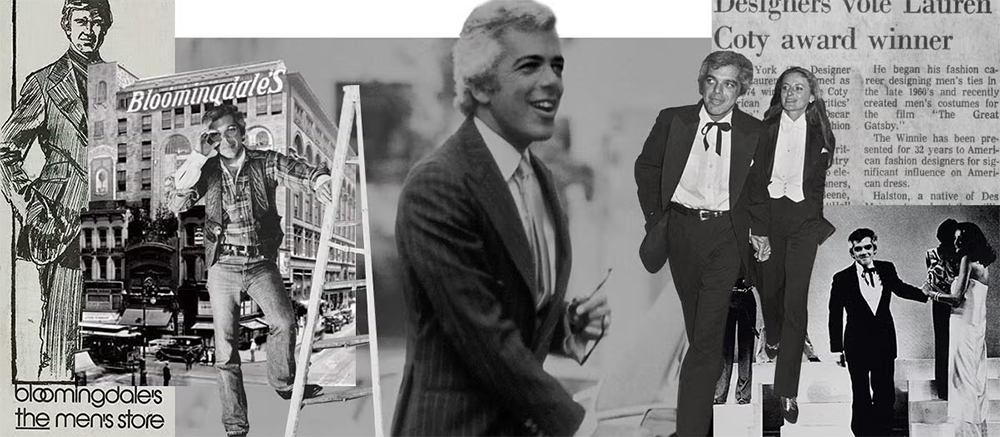
Working out of a single drawer in a showroom in the Empire State Building, Lauren quickly gained attention for its distinctive style marked by English aristocratic style, and Old Hollywood glamour. In 1968 he introduced his first full menswear collection, called Polo by Ralph Lauren featuring traditional tweed suits, reflecting his interest in refined, classic tailoring. It was followed by his first womenswear line in 1971 and in 1972, he unveiled what would become the brand’s most recognizable item—the mesh polo shirt made in a wide range of colours.
Why Ralph Lauren is famous?
Today, Ralph Lauren brings a wide range of apparel and lifestyle products. The brand offers clothing for men, women, and children as well as accessories, footwear, fragrances, and home furnishings. From sportswear such as polo shirts, chinos, and sweaters, formalwear to vintage-inspired Americana styles influenced by Western and workwear traditions, there is no dearth of options. Beyond clothing, the brand has also expanded into home décor, furniture, bedding, and lifestyle products, transforming Ralph Lauren into a comprehensive luxury lifestyle label.
The Design Language
Ralph Lauren’s aesthetic is rooted in classic American style infused with European aristocratic elegance. The designer built his brand around an aspirational vision of elite East Coast life—combining equestrian sport, Ivy League campus style, and old-world sophistication.
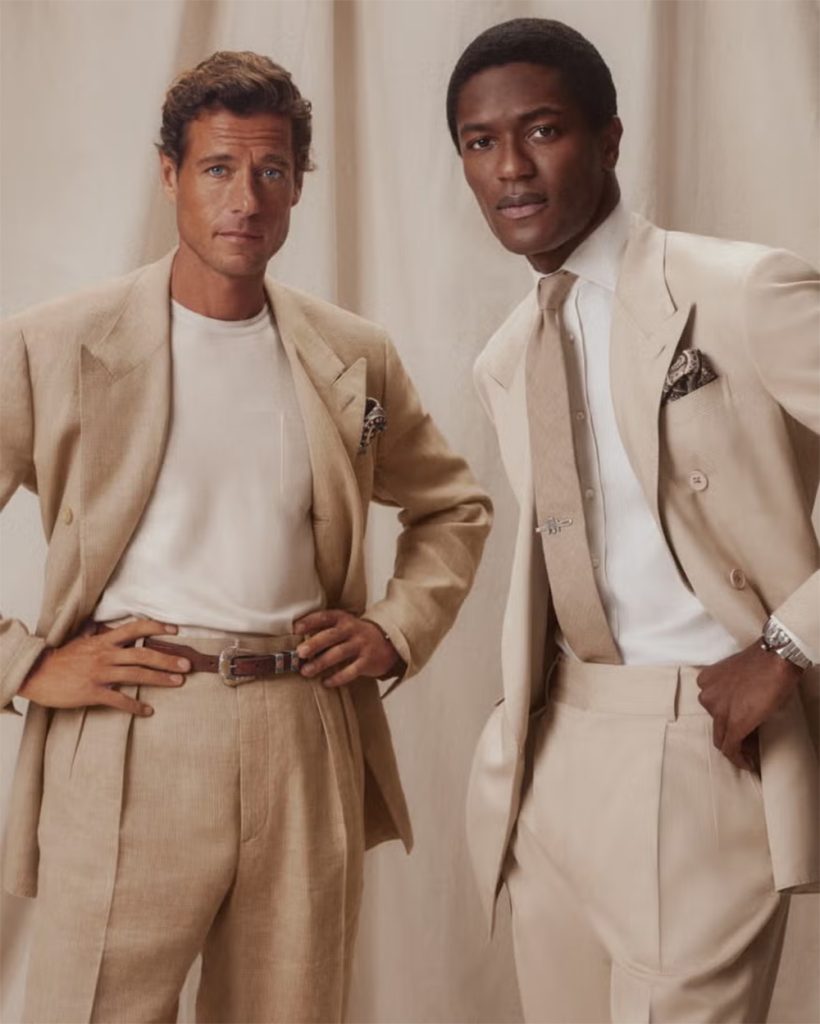
The design language is often seen in tailored blazers, oxford shirts, cable-knit sweaters, tweed jackets, and polo shirts in rich but understated colours such as navy, cream, and burgundy. Themes such as safari dressing, Western ranch culture, and nautical sportswear have also shaped the brand’s collections.
Also Read: Why are big brands missing NYFW?
Celebrities in Ralph Lauren
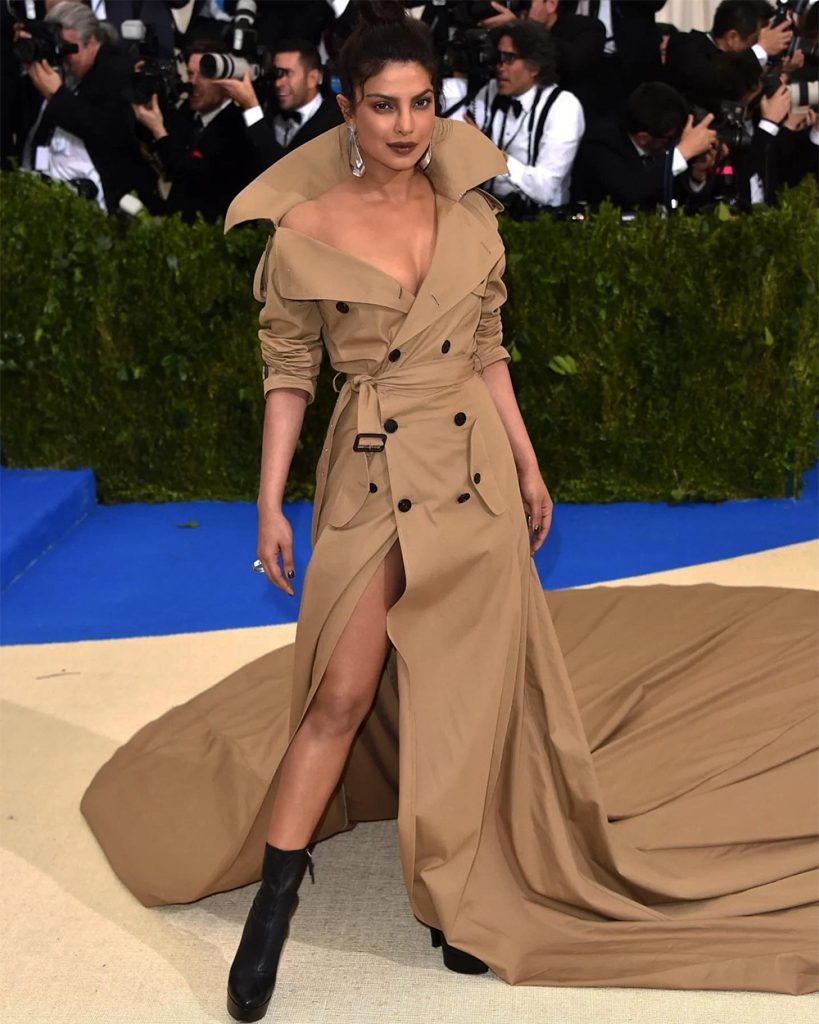
Over the last six decades, Ralph Lauren designs have appeared on some of the world’s most famous red carpets and cultural events. One of the most iconic moments came in 1974 when he created the suits worn by Robert Redford in his role as Jay Gatsby in the 1974 film adaptation of The Great Gatsby. While the movie itself did not become widely celebrated, the elegant costumes designed for it have remained highly regarded. He also designed costumes for film Annie Hall (1977). In 1999, actress Gwyneth Paltrow wore the iconic pale-pink Ralph Lauren gown to the 71st Academy Awards, where she won the Oscar for Shakespeare in Love. At the Met Gala in 2017, Priyanka Chopra wore a custom Ralph Lauren trench-coat gown with an extremely long train that became one of the most talked-about outfits of that year’s edition.
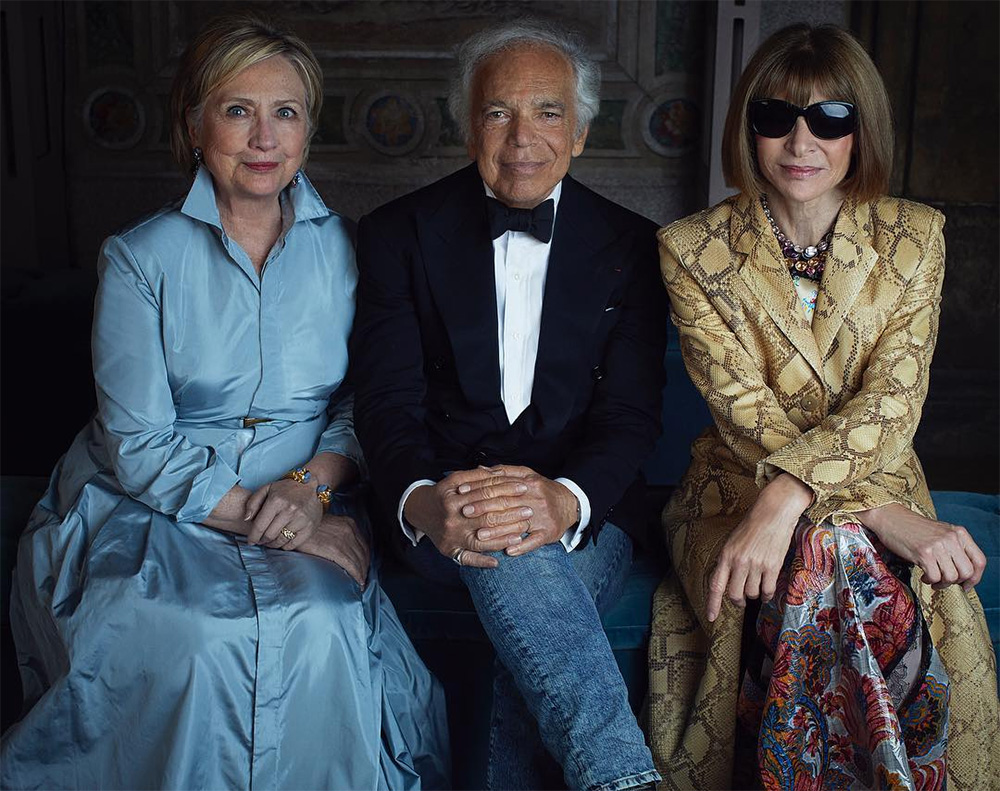
The luxury designer label has also dressed political elites. Former First Lady Michelle Obama, known for championing American designers, chose an elegant off-the-shoulder gown by Ralph Lauren during an official state visit to the United Kingdom in 2011. Catherine, Princess of Wales, has also been seen wearing designs from several Ralph Lauren lines—including Blue Label and Black Label—at different public engagements. Meanwhile, Hillary Clinton frequently selected Ralph Lauren pantsuits, which became a defining element of her personal style, particularly during her 2016 presidential campaign.
Ralph Lauren Controversies
The brand has not been without controversy. Like many luxury fashion houses, Ralph Lauren has faced criticism at times for cultural appropriation and design inspirations that draw heavily from global traditions. In 2009, Ralph Lauren faced backlash after an advertisement featuring model Filippa Hamilton. The model’s image was photoshopped, making her waist look unnaturally tiny, sparking criticism about unrealistic beauty standards set in the fashion industry by luxury labels. The controversy intensified when Hamilton later claimed she had been reportedly fired by the brand for being oversized, which the company denied. Later in 2022, the brand was accused of cultural appropriation after releasing a coat that closely resembled traditional Indigenous Mexican designs but was created without acknowledging or compensating the original artisans. The company later stated it was investigating the matter and issued an apology.
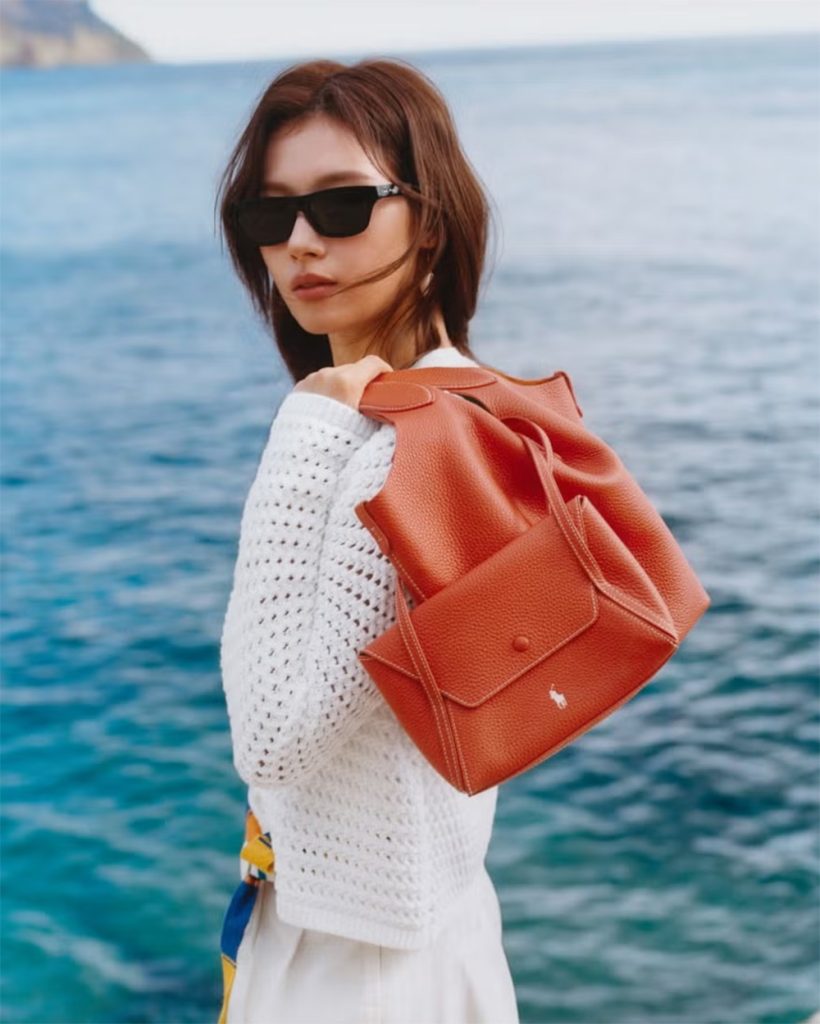
Its recent Paris Fashion Week show sparked similar debate around cultural appropriation. The show had earrings showcased at the Fall womenswear collection resembled traditional Jhumka designs. Social media users and fashion commentators argued that the brand failed to credit the South Asian origins of the jewellery style.
Published At: