
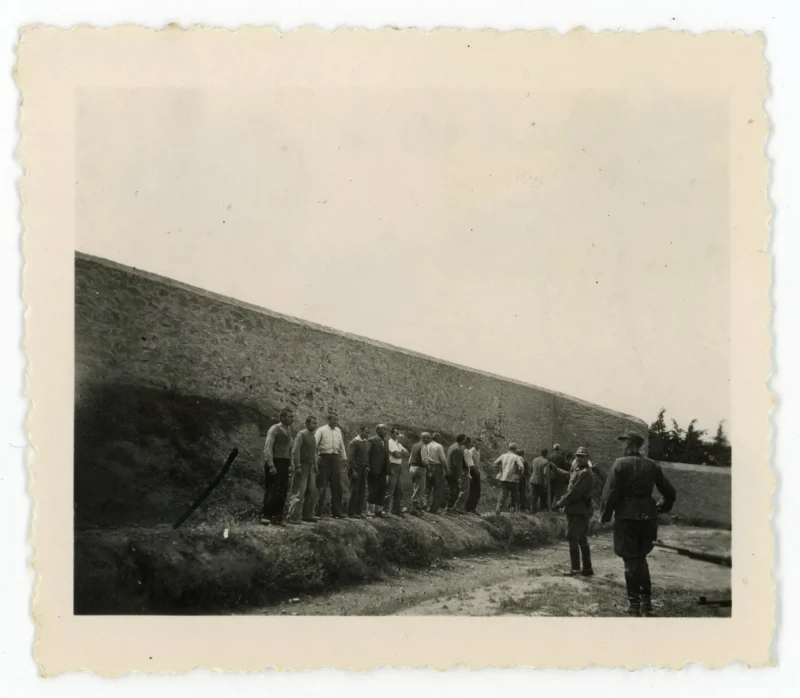
Greece has acquired a photo archive that documents the execution of 200 communist prisoners at the hands of the Nazis in Athens.
The photos were taken by German Wehrmacht soldier Herman Heuer, who was stationed in Greece between 1943 and 1944. The country was occupied by the Axis powers from June 1941 to 1945.
According to Euronews, the photo archive surfaced last month when the Belgian owner attempted to sell it online. Greece’s Culture Ministry paid €100,000 ($116,000) for it.
“Greece has already, for a few days, owned the Heuer collection with photographic documents from the execution of Greek patriots in Kaisariani. A unique document of Nazi atrocity, which at the same time captures the greatness of our people’s struggles against fascism,” Greek Prime Minister Kyriakos Mitsotakis writes on Facebook.
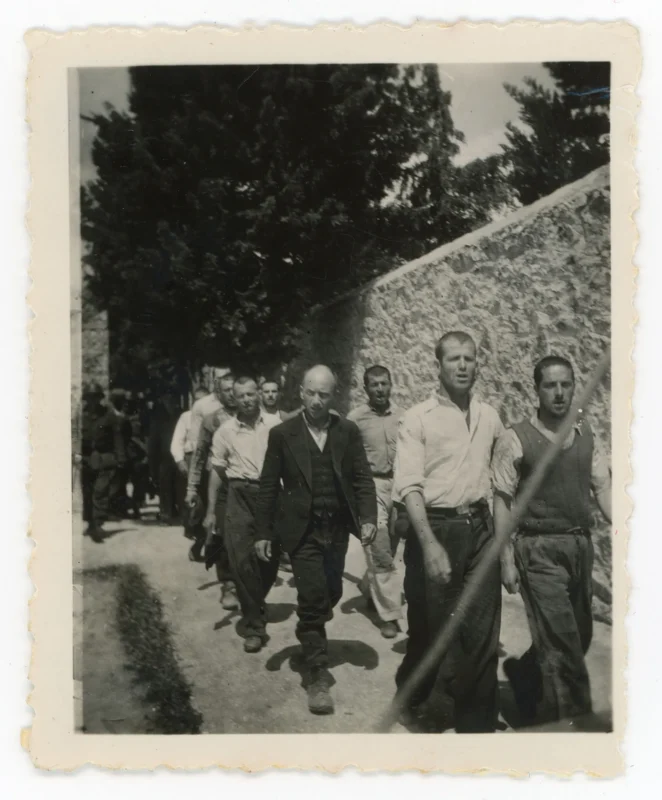
In May 1944, 200 communists were executed by machine gun fire in retaliation for a fatal attack on a German general by Greek resistance forces. The photos show the men walking to their deaths; they seem unafraid and defiant.
When the photos emerged online last month, they caused a stir in Greece. The massacre — known as the May Day Executions — is well known in the country, but until the archive surfaced it had only been documented through written accounts. A memorial now stands at the Kaisariani shooting range where the killings took place.
“It’s one thing to hear about their bravery and quite another to see it,” Yiannis Eris, a communist party volunteer who gives guided tours at the memorial, tells The Guardian. “Now we know they faced the firing squad not only with immense pride but raising their fists. The night before they had made sure to wash and shave. They weren’t afraid of what was about to happen. They saw it as an honour.”
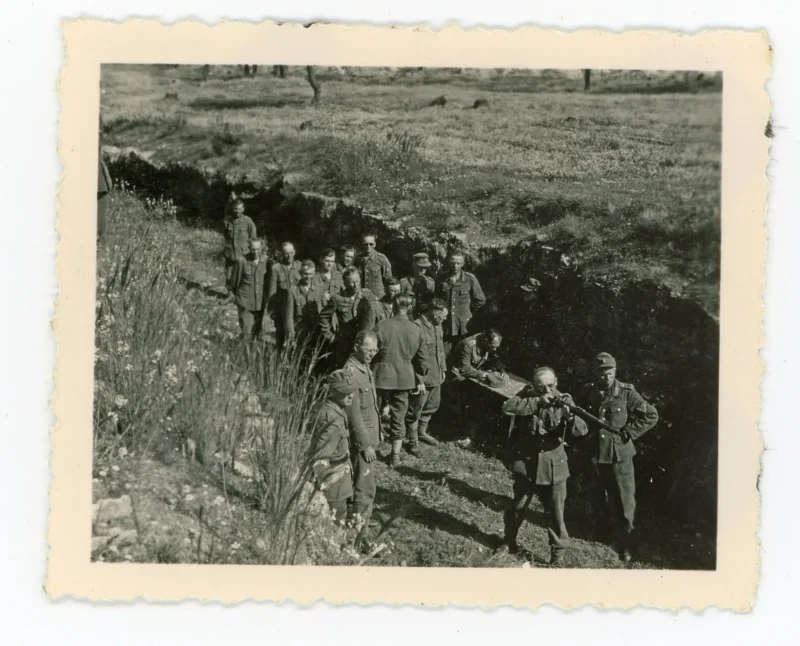
Prime Minister Mitsotakis says the culture ministry acted quickly so that the photo archive didn’t appear on the international market. Emissaries were sent to Belgium to examine the photo archive and check its provenance.
As Greece’s Culture Ministry presented the Heuer Collection, it simultaneously announced the newly-created National Photographic Archive that will sit within the National Archive of Monuments. The authorities will now set about digitizing the photographs, which will include historical research aiming to identify individuals, locations, and dates.
As well as photos of military activities, there are also mundane snapshots of Heuer’s life. Nazi command encouraged German soldiers to take photos of their lives for propaganda purposes.
Image credits: Greece’s Culture Ministry