Almost one-third of employees in Israel were already battling lower monthly incomes as they struggled to recover from the financial fallout of more than two years of war sparked by the October 7, 2023, Hamas massacre, according to a survey by the Israel Democracy Institute released on Monday.
Now the country’s working population, the backbone of the economy, has been hit with yet another blow amid fresh restrictions as Israel fights another war with Iran.
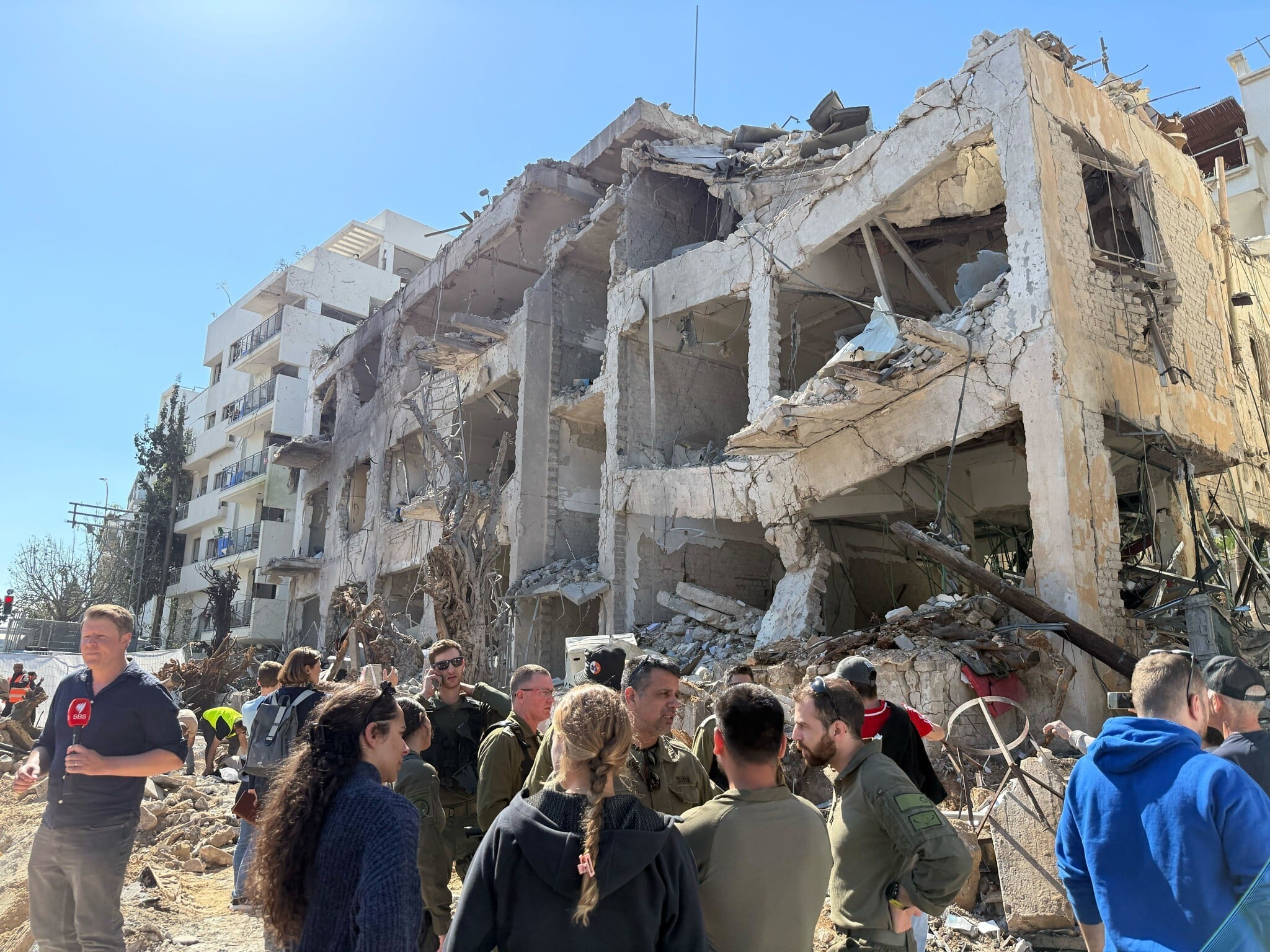
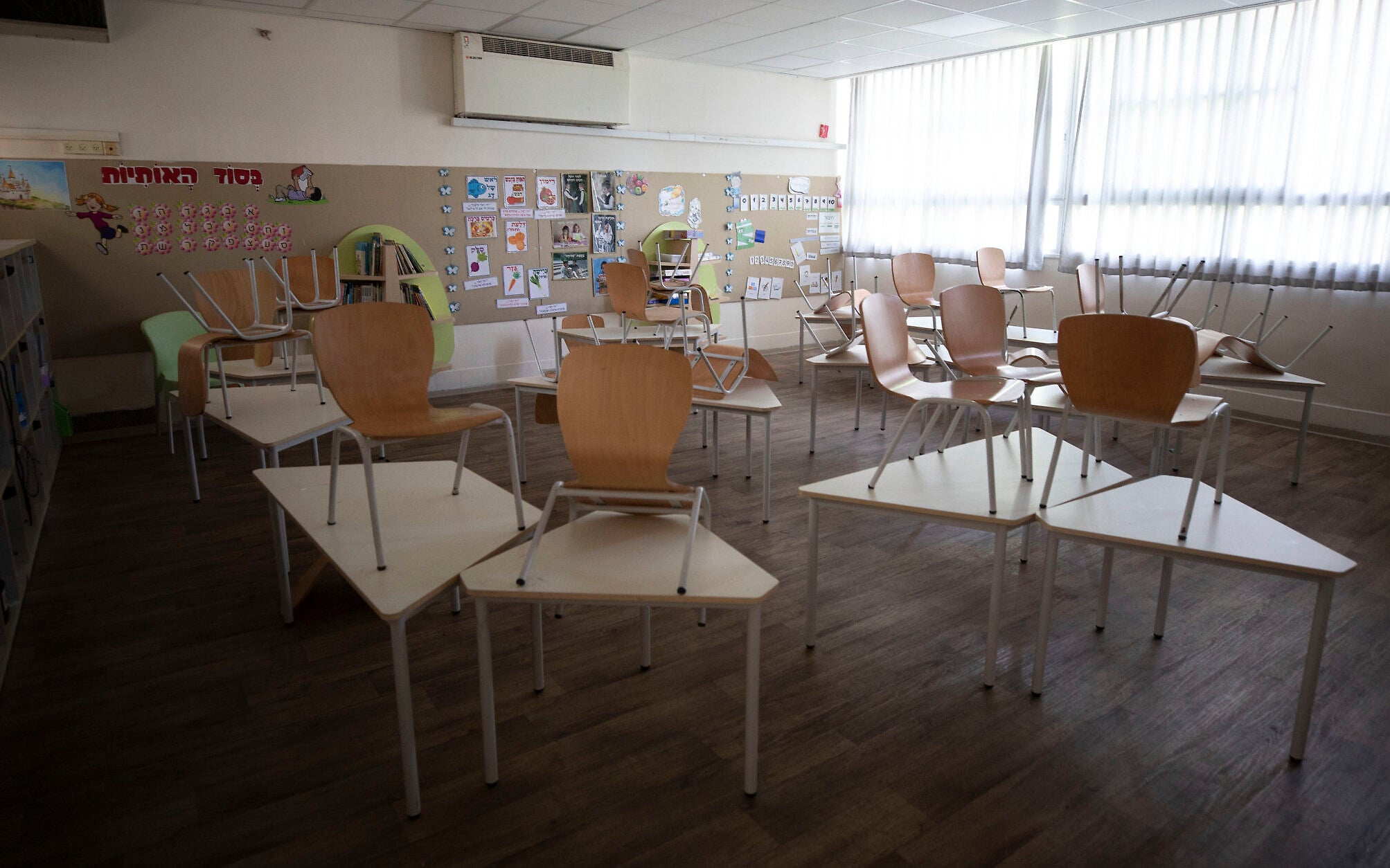
Nationwide restrictions amid the war with Iran which erupted on February 28 left most businesses, schools and educational activities closed. At the end of last week, workplaces reopened to ease the cost of shutting down the entire economy but the education system remained closed.
This has created a situation where many parents were and are still unable to work because they could not leave their young children home alone as Iran has continued to fire volleys of missiles at Israel, while the Iran-backed Hezbollah in Lebanon has been firing rockets at communities across northern Israel.
“The decision to open the economy while the education system is closed has created an intolerable situation in which parents are forced to choose between their livelihood and caring for their children,” said National Labor Federation chairman Yoav Simchi on Monday.
Earlier this week, the Finance Ministry presented an initial compensation framework for employees with a focus on working parents, who chose or needed to go on unpaid leave for reasons related to the Iran war. According to the emerging framework, for the unpaid leave period, employees would receive unemployment benefits from the government, subject to eased eligibility conditions, which have yet to be published.
However, unemployment payments will not be covered by the entire amount of missed salaries or benefits, as they are limited to 70% of a regular salary.
“Households in Israel cannot pay bills and support a family with 70% of their salary,” said Simchi. “Instead of reaching out to workers who have been on the economic front line for two and a half years, the government is putting them on unemployment insurance and is hitting them with a fine of 30% of their wages in their pockets, on the eve of Passover.”
“The proposed scheme ignores workers who have been affected by a decline in the scope of their work or business and leaves hundreds of thousands of employees, especially self-employed, without any protection, without pay, and without a safety net,” he lamented.
Entering its second week, the war with Iran is expected to further harm the financial situation of salaried employees in general, and those of self-employed and small businesses in particular, as they struggled to recover from the economic damage caused by the war with Hamas in Gaza, according to Daphna Aviram-Nitzan, Director of IDI’s Center for Governance and the Economy.
The IDI poll conducted in mid-January this year found that almost a third (27 percent) of employees (salaried and self-employed) in Israel contended with lower salaries or personal income from their business and a reduction in work hours compared with the pre-Hamas war period. The survey by the non-partisan IDI think tank was conducted among a representative sample of 1,193 salaried and self-employed workers.
“The economic damage caused by the events of October 7 remains particularly severe among low-income households,” according to the IDI report co-authored by Aviram-Nitzan.
About 38% of workers whose salary was below the minimum wage before the war reported a reduction in work hours, compared with just 13% of those who were earning NIS 28,000 ($9,078), or 2.5 times the average wage.
Among the self-employed, more than half (53%) responded that they have not yet returned to the level of income they earned before the Hamas war more than two years ago. The share of self-employed workers who reported that their personal income from their business was lower than before the war was found to be more than double that of salaried employees who reported a decline in wages, according to the survey.
Similarly, the average decline (41%) in personal income from business reported among the self-employed was sharper than the average 33% decline in wages suffered by salaried employees.
IDI’s Aviram-Nitzan raised concern about the currently proposed furlough framework in light of the disproportionate financial impact on Israel’s self-employed population, which makes up about 13% of the country’s workforce.
“In contrast to the furlough mechanism that allows salaried employees and their employers to access quick and flexible benefits, no formalized system exists to support the self-employed harmed by the war – only improvised, ad-hoc mechanisms,” said Aviram-Nitzan. “The Finance Minister should establish a pre-determined mechanism that will provide the self-employed with a social safety net in times of crisis, as exists in other OECD countries.”