
Video games usually reward players for winning, surviving, or defeating opponents. But what if a game rewarded something different – helping someone in need?
Researchers at the University of Oregon wanted to know whether an immersive virtual reality (VR) story could influence how people think about kindness and helping others in real life.

Their experiment placed players inside a VR narrative where they help a worried child search for a missing dog. The results suggest that participating in the story may increase people’s motivation to help others, even when emotional empathy does not strongly increase.
Virtual reality feels more real
Most video games appear on a screen. A player controls a character while sitting outside the game world. Virtual reality works very differently because the player steps inside the digital environment.
A VR headset surrounds the player with the game world. The player looks around, moves through the space, and interacts with characters as if standing inside the story. This creates a strong feeling of presence, which researchers call immersion.
Because of this immersion, a situation in VR can feel more personal than a scene in a movie or a traditional game.
Instead of watching a story happen, the player becomes part of it. That experience can shape how someone reacts to the characters and events inside the game.
Can VR increase kindness
Researcher Samantha Lorenzo from the University of Oregon studies communication and media. Lorenzo does not spend much time playing games, but her research focuses on how stories influence people’s thoughts and behaviors.
Stories help people understand emotions, relationships, and social situations. Lorenzo began wondering whether a story inside a virtual reality game could influence feelings such as empathy and altruism.
“I had an idea that VR might be an effective tool to influence people’s ability to want to help others and better understand other people’s perspectives,” Lorenzo said.
“I wanted to explore possible behavioral changes from immersive environments and the underlying mechanisms that foster altruistic engagement within, and beyond, the gaming world.”
Lorenzo worked with Danny Pimentel from the University of Oregon School of Journalism and Communication. Pimentel also helps lead the Oregon Reality Lab, where researchers design and study virtual and augmented reality experiences.
Game about helping others
Instead of using an existing game, the research team created a new VR experience for the study. Graduate students from the University of Oregon helped design the project and build the final version.
The game is called “Empathy in Action.” The story takes place in a fictional neighborhood named Unity Springs.
In the game, the player becomes a community volunteer. A guide character named Sage introduces the town and explains the task. Soon after arriving, the player meets a young boy named Alden.
Alden feels upset because his dog, Buddy, has gone missing. The player helps Alden search the neighborhood for clues while trying to comfort him.
Helping a boy find his dog
Some moments involve simple actions such as exploring parks and looking for clues.
Other moments ask the player to decide how to respond to Alden’s feelings. The player can choose different ways to speak with him or help him calm down.
The researchers chose the lost dog storyline because it feels believable. Many people can easily imagine how upsetting that situation would feel.
Testing the experience
The research team invited sixty-four adults to take part in the study. Before playing the game, each participant answered questions about empathy, helping behavior, and gaming experience.
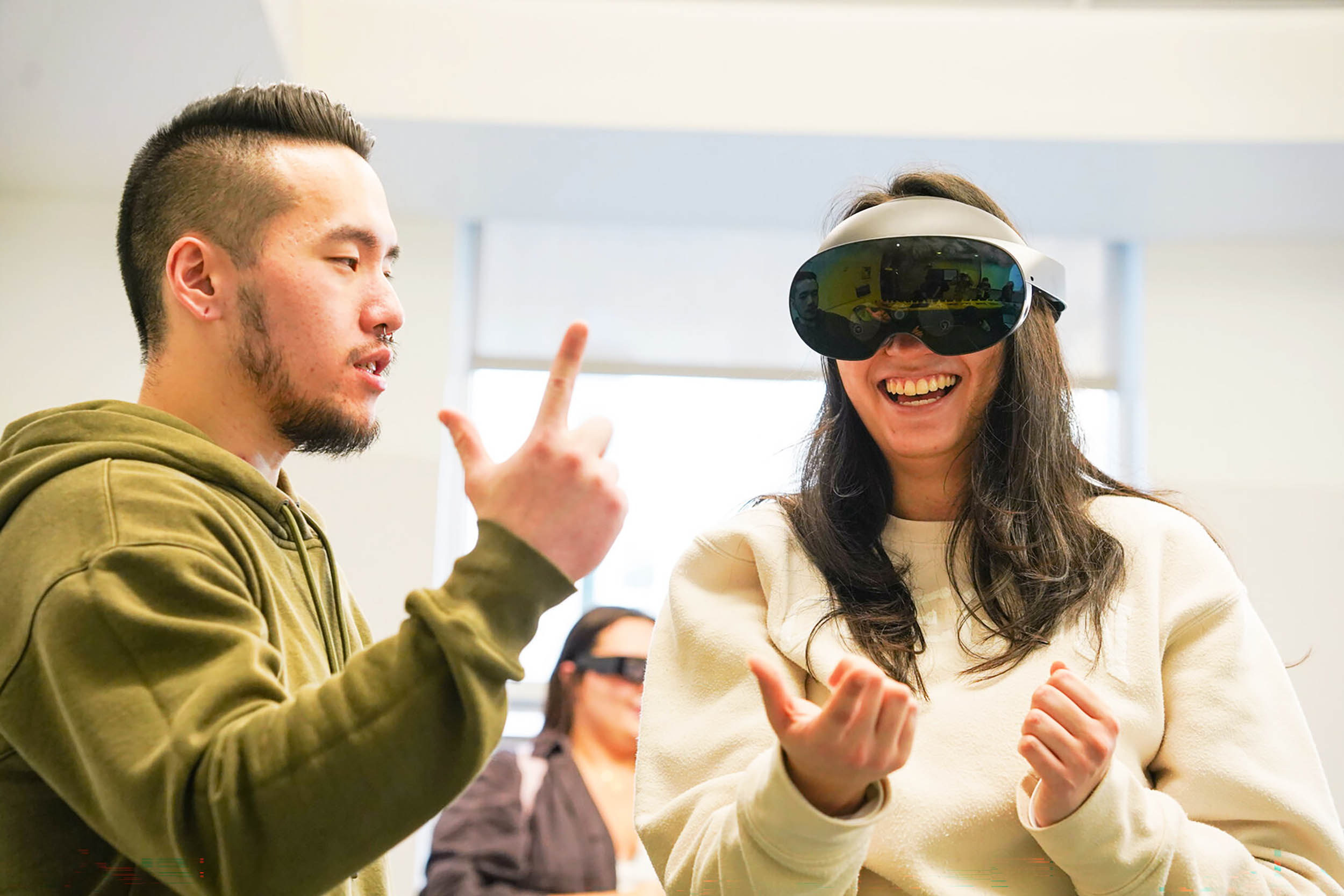
After finishing the survey, the participants played the VR game. When the experience ended, each person answered another survey and shared thoughts in a short interview.
The goal was simple. The researchers wanted to see whether the game changed how people thought about helping others.
Most participants had little experience with virtual reality, so the experience felt new and immersive.
VR game increased helping
The results surprised the researchers. After playing the game, participants showed stronger altruistic attitudes. This means many people felt more motivated to help others.
However, empathy did not increase in the same way. In fact, self-reported empathy scores slightly decreased.
At first, that result seemed confusing. Many theories suggest that empathy leads directly to helping behavior. But the study showed that a person can still want to help even without feeling strong emotional empathy.
Participants often understood that Alden felt sad and worried. That understanding motivated people to help him, even if they did not feel the same sadness.
Understanding feelings vs sharing
Researchers describe this as cognitive empathy. Cognitive empathy means recognizing and understanding someone else’s emotions.
Another type, called affective empathy, involves actually feeling another person’s emotions. During the game, players relied more on understanding Alden’s situation than sharing his feelings.
“People knew that this was a sad situation and that’s why they wanted to help,” Lorenzo said.
Why the experience matters
Another important finding involved immersion. Participants who felt more present inside the virtual world reported stronger motivation to help others.
Feeling part of the story made the situation feel meaningful. The stronger the sense of immersion, the stronger the positive response after the game ended.
Researchers also noticed that the personal impact of the experience mattered more than age, gender, or gaming experience. When players felt that the story affected them personally, their desire to help others increased.
How VR gaming could help society
Participants also shared ideas about how similar games could be used outside entertainment.
Some suggested using immersive games in classrooms so students could practice empathy and social skills. Others imagined applications in therapy, conflict resolution training, or rehabilitation programs.
A virtual environment allows people to practice difficult situations safely. Someone can try different ways of responding without worrying about real-world consequences.
“This gaming technology is new and exciting, and there’s a lot of potential for researchers to keep exploring how immersive media can be leveraged for social good,” said Lorenzo.
Virtual reality is becoming a new way to tell stories. Research from the University of Oregon shows that these experiences can make people think more about helping others and being kind.
The study is published in the journal Frontiers in Virtual Reality.
—–
Like what you read? Subscribe to our newsletter for engaging articles, exclusive content, and the latest updates.
Check us out on EarthSnap, a free app brought to you by Eric Ralls and Earth.com.
—–