
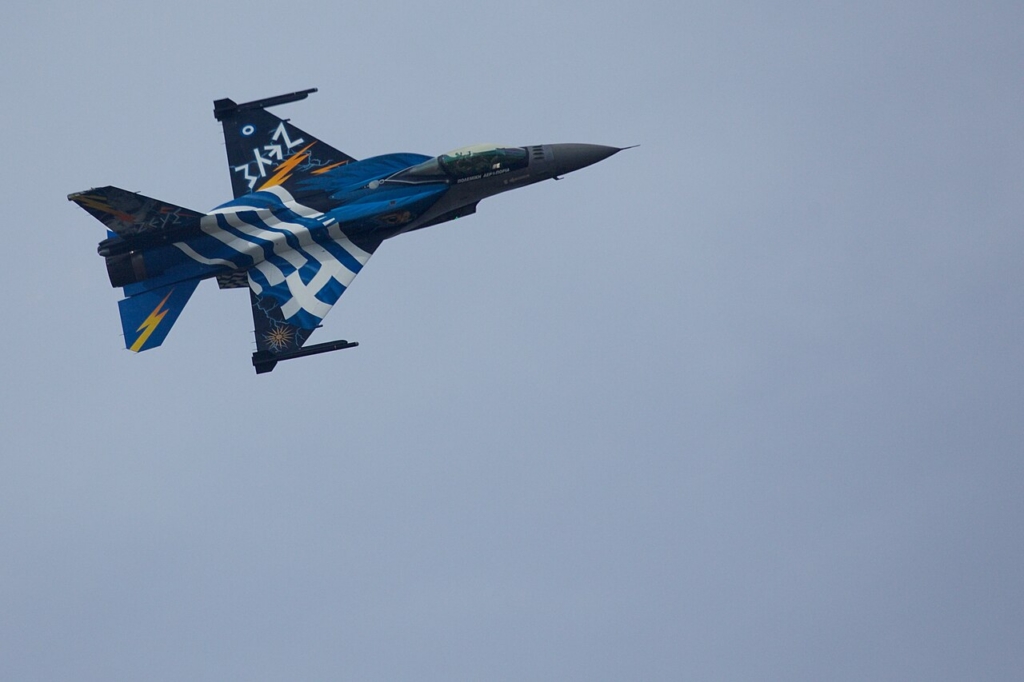
Yesterday, Greece approved upgrades to its 38 F-16 Fighting Falcons and purchasing an Israeli multi-layer air and drone defence system. The air defence system is estimated to represent an investment of around €3 billion, while the F-16 upgrades will cost €1 billion.
Greece to modernise legacy F-16s
Reuters first reported the development, stating that Greece is in talks with Israel to supply a significant portion of the missile systems for the proposed ‘Achilles Shield’, at an estimated cost of around €3 billion.
Reuters cited two people familiar with the matter, with one stating that “the parliament committee approved the project, as well as the upgrade of the F-16s.”
Greece operates around 150 F-16s, with the 38 aircraft set for upgrade comprising older Block 50 jets built in the 1990s. These will be brought up to the modern ‘Viper’ standard.
Greece has already upgraded around 40 of its legacy Fighting Falcons and plans to upgrade more than 80 in total. Separately, Greece has also dispatched F-16s to defend the Greek Cypriot part of Cyprus from Iranian and/or Hezbollah missile and drone attacks.
BREAKING: Just an hour ago, the Hellenic Air Force used one of its F-16C Block 72 fighter jets on deployment in Andreas Papandreou Air Base, Paphos, to intercept and shoot down Shahed-136 one-way attack drones of the IRGC Aerospace Force that were fired toward Larnaca Airport.… pic.twitter.com/i2sEcvnN4L
— Babak Taghvaee – The Crisis Watch (@BabakTaghvaee1) March 4, 2026
Overall, Greece is expected to spend around €28 billion to modernise its armed forces by 2036.
Modernising the Greek Air Force
Greece maintains one of Europe’s largest militaries, largely to counter its fellow NATO member and long-time rival, Turkey.
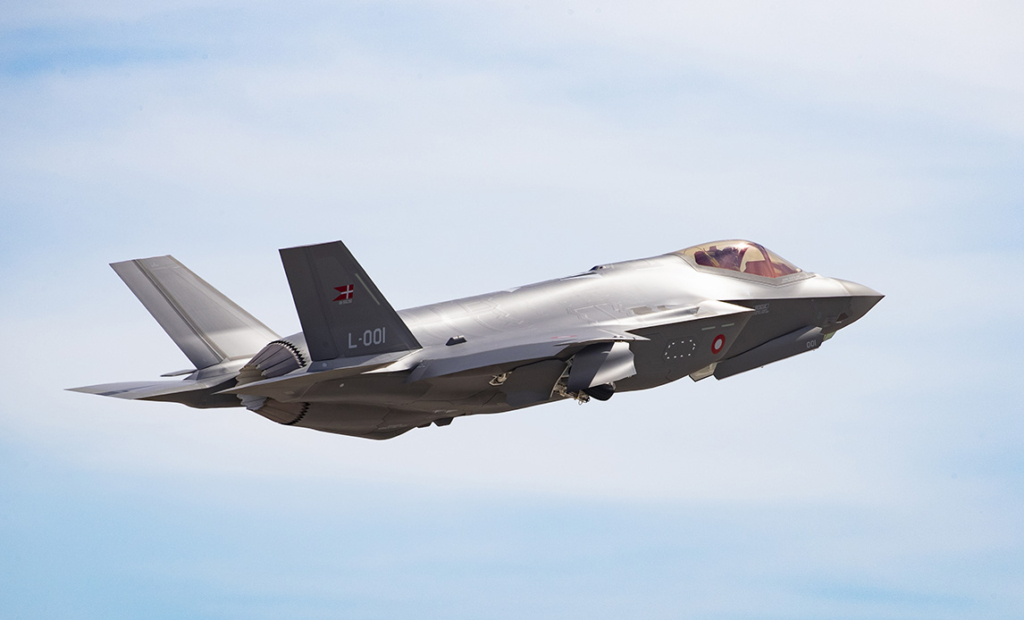
Athens has also moved to modernise its fleet, joining the F-35 programme with an order for 20 aircraft and options for a further 20. It also completed the acquisition of 24 French-built Rafale fighters in early 2025.

Turkey was kicked out of the F-35 programme by the US after it purchased the Russian S-400 SAM system. Turkey has been negotiating to be readmitted ever since.
Greece is also in the process of retiring some of its older fighter jets, including its F-4 Phantom IIs, its Mirage 2000s, and its older F-16 Block 30s. The Mirage 2000-5EGs are expected to retire in 2027.
When Greece retires its F-4s in 2026-2027, it will potentially leave Turkey as the world’s final operator of the iconic Phantom.
South Korea retired the last of its F-4s in 2024. It’s unclear if any Iranian F-4s remain flightworthy after intensive Israeli and US bombing campaigns hunting them down and destroying them in 2025 and 2026.
The F-16: The world’s most popular fighter jet
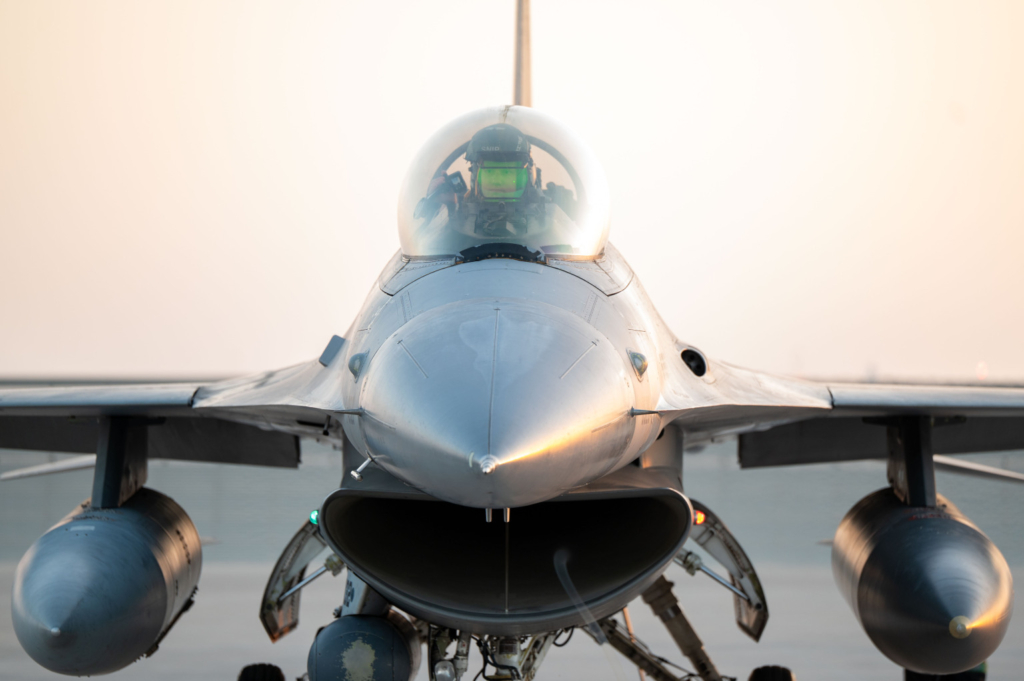
The F-16 is the world’s most popular 4th generation fighter jet with over 2,000 examples believed to be in service globally.
Some countries, like Ukraine, Romania, and Argentina, are just now upgrading to used legacy F-16 aircraft. Others, like Bulgaria and Slovakia, are upgrading to new-build F-16 Block 70 variants.
Other operators, like the US, Greece, and Turkey, are upgrading and modernizing their existing fleets and plan to keep them in service for decades yet. Turkey is also purchasing new-build F-16s in addition to upgrading its legacy F-16s.
Still other countries, like Peru, are considering purchasing F-16s for the first time. Western European countries like Norway, Denmark, the Netherlands, and Belgium are retiring or have recently retired their F-16s as they upgrade to F-35s.

The F-16 was built as a light-weight multirole fighter, although newer variants push it to become a medium-weight fighter. It is one of the most affordable modern 4th-generation fighter jets to operate today.
Featured Image: Hellenic Air Force/Wikimedia Commons