
In Kyiv, the runway now unfolds under the shadow of air raid sirens. This past weekend, despite the constant threat of Russian missile and drone attacks, Ukrainian Fashion Week returned, bringing designers, models, and war veterans onto the global stage.
Culture, identity, and the realities of war defined the event. The message was clear: fashion is a vehicle of cultural diplomacy, a message of defiance to the enemies of freedom, and a declaration of Ukraine’s robust national identity.
JOIN US ON TELEGRAM
Follow our coverage of the war on the @Kyivpost_official.
Originally scheduled for early February, the event was postponed until March following intensified strikes on Kyiv and Ukraine’s energy infrastructure, a delay framed not as retreat, but resolve.
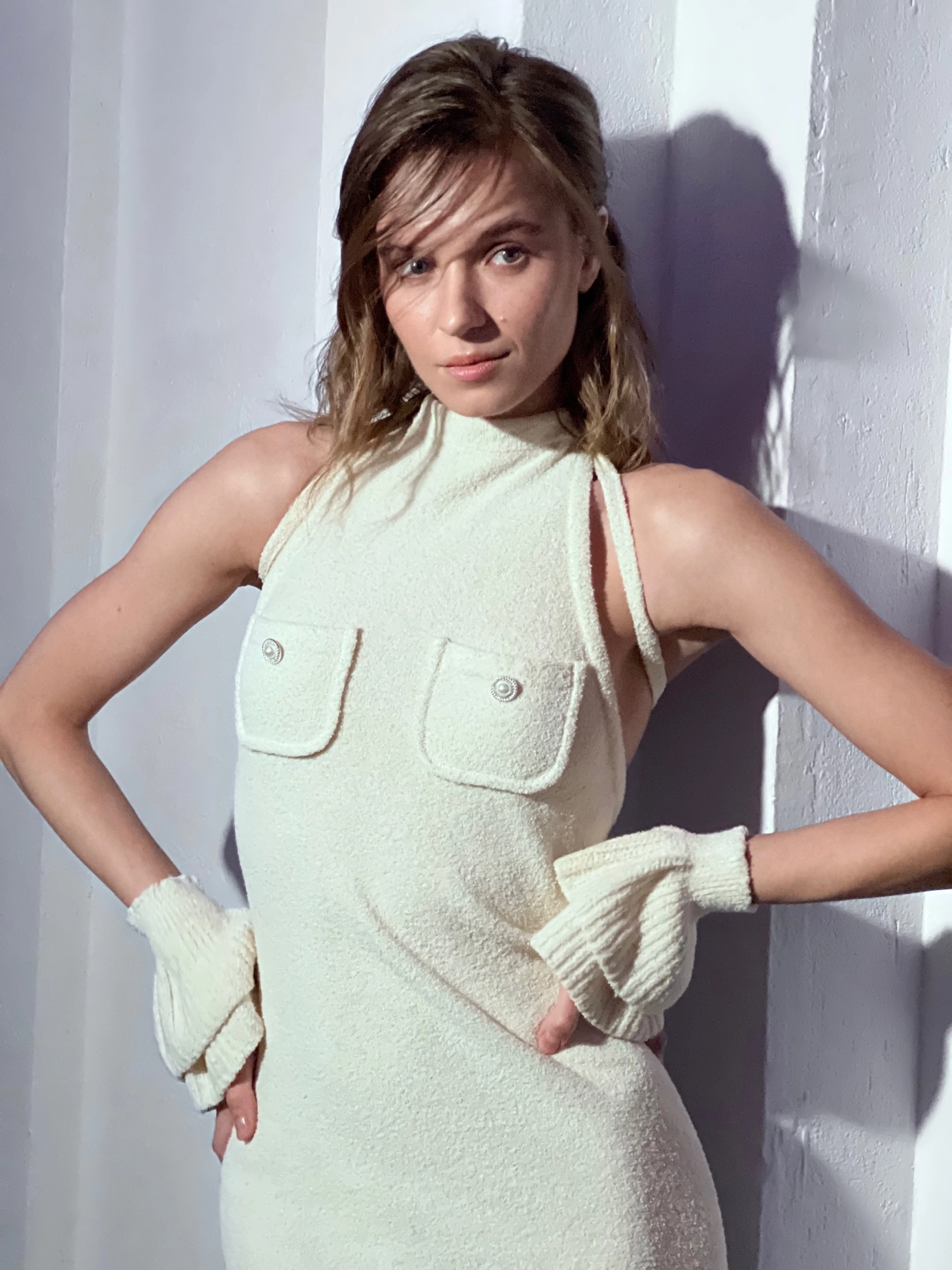
“Due to the ongoing Russian terrorist attacks on Ukraine’s critical energy infrastructure, the Organizing Committee has decided to reschedule,” said Iryna Danylevska, founder and CEO of Ukrainian Fashion Week. “The industry faces unprecedented challenges, yet we continue forward, as fashion remains vital to Ukraine’s cultural diplomacy and economy.”
Just meters from Kyiv’s Monastery of the Caves, the historic Arsenal served as the setting for an event that brought together more than a thousand participants and guests from across Ukraine and abroad. Yet even before the first look appeared, visitors moving through its halls were confronted with the reality beyond the runway. Lining the walls were images of models and figures from the fashion industry who had already been killed or who were currently defending Ukraine – a quiet, unflinching reminder that in Ukraine, even the world of fashion is inseparable from the war it endures.
Other Topics of Interest
St. Patrick’s Day Celebrated in Kyiv as Symbol of Irish-Ukrainian Solidarity
Visiting Irish minister and a former Ukrainian ambassador in Dublin on the significance of this celebration.
More than 40 Ukrainian brands converged in Kyiv, spanning the full spectrum of the country’s creative voice – from fashion houses like Bevza and Litkovska to Poustovit, Kachorovska, Juliya Kros, Starchak, Gurnanda, Kris Marán, and Dobrova/Nazarelli, alongside a new generation of emerging voices and adaptive designers. Together, they presented collections that moved fluidly between heritage and experimentation, where intricate embroidery met forward-looking silhouettes and tradition was reimagined through the lens of a country still in motion.
Among the many voices in Kyiv, two designers stood out as expressions of Ukraine’s cultural duality: Khrystyna Rachytska, reinterpreting tradition through contemporary form, and Ihor Sidletskiy, designing directly from the realities of war.
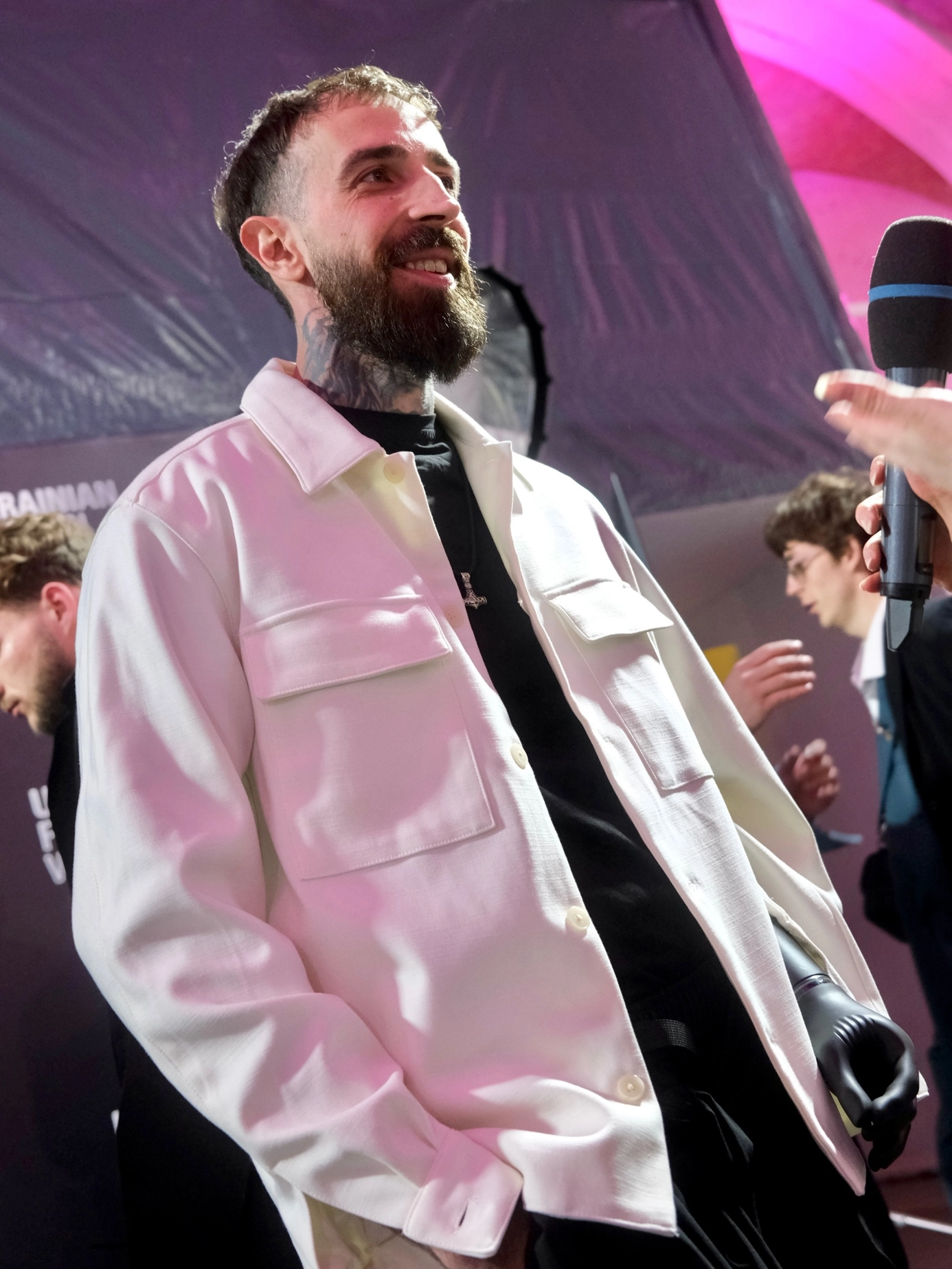
Sidletskiy: functional fashion of freedom
In Ukraine, amputation is no longer a marginal outcome of war, but a defining one, affecting as many as one in five of the wounded and reshaping the very silhouette of postwar life.
With estimates reaching 100,000 amputees, and rising, the ubiquity of prosthetics marks a scale not seen since the First World War. By comparison, roughly 2-3 percent of wounded American soldiers returned from World War II with amputations; in Ukraine, that figure is about 30 percent.
One of the externalities created by this tragedy is the necessity of reimagining fashion for a meaningful percentage of the population which must adapt to prosthetic-friendly clothing. From this reality emerges an unexpected transformation. Fashion, long associated with aesthetics and identity, now faces a new imperative: adaptation. For a significant portion of the population, clothing must evolve to meet the functional demands of prosthetics without sacrificing dignity or style.
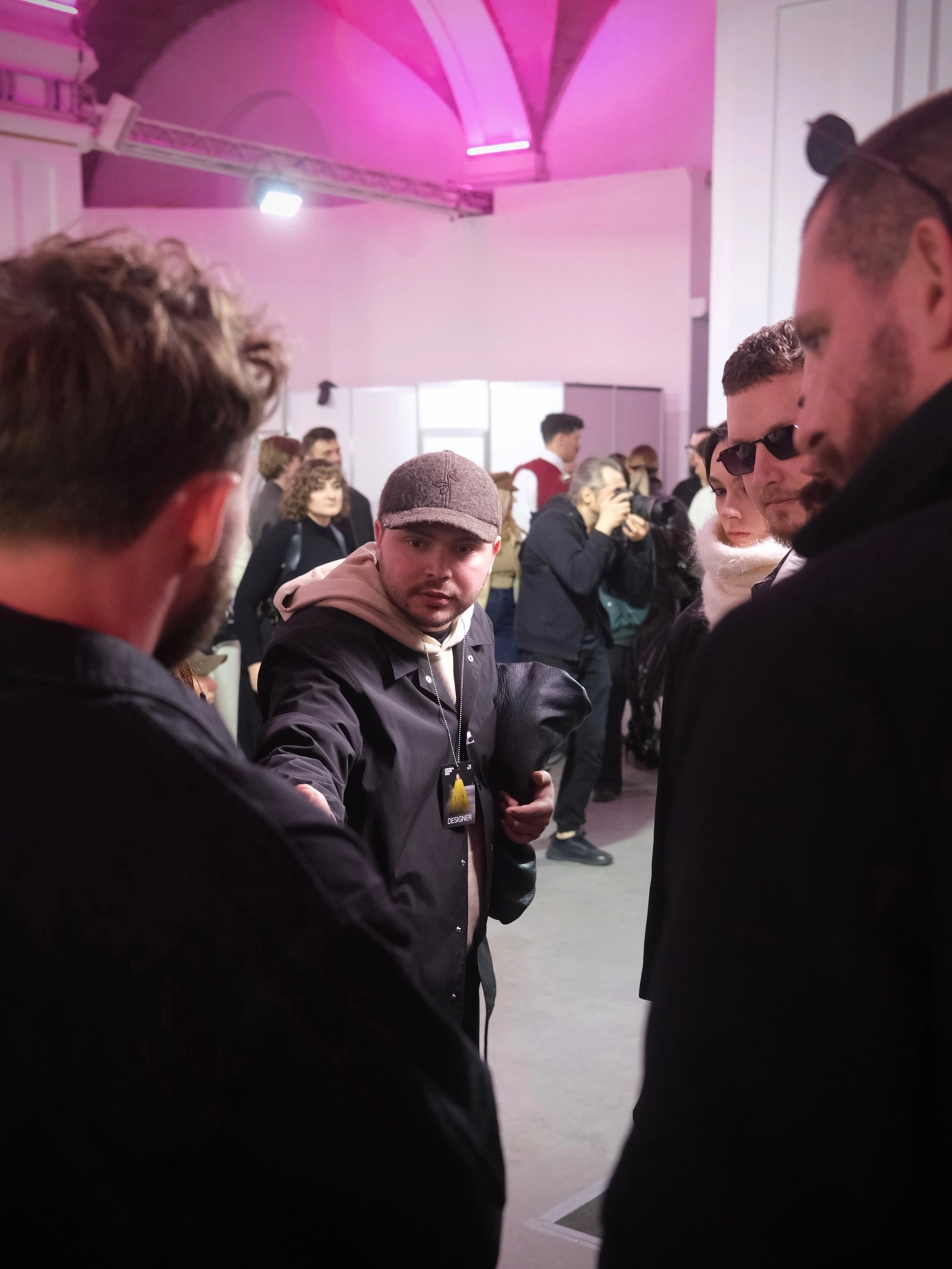
Enter fashion designer Ihor Sidletskiy.
The most arresting moment was one rarely seen on international runways. Following a moment of silence for fallen defenders, Ukrainian amputee veterans walked in Ihor Sidletskiy’s collection, clothing designed specifically for those living with prosthetics. The designs were bold, functional, and refined, honoring the resilience of thousands whose lives have been shaped by Russia’s war.
His work begins with a simple premise: clothing must adapt to modern Ukraine without sacrificing dignity or style. His designs, tailored for veterans with prosthetics, reject the idea that function excludes elegance.
“We wanted to show the world that Ukraine is an important player,” he said, “not only on the map, but in fashion. We don’t just create practical things – we make them fashionable.”
His goal is not sympathy, but confidence.
Sidletskiy imagines veterans returning to civilian life able to walk the streets of Milan, New York, Paris, or London with assurance. Prosthetics, he notes, are simply part of reality. “Someone wears contact lenses to see better. Someone else wears a prosthetic leg to walk.”
Since 2022, fashion has taken on a role beyond aesthetics. Ukrainian designers have carried their country’s story abroad, presenting work that communicates both creativity and lived experience.
“Fashion became a voice,” he continued, “a way to show what moves us – who we are.”
Beneath that ambition lies a quieter hope.
“We are not just losing land; we are losing people… We want this war to end so we can live peacefully and create.”
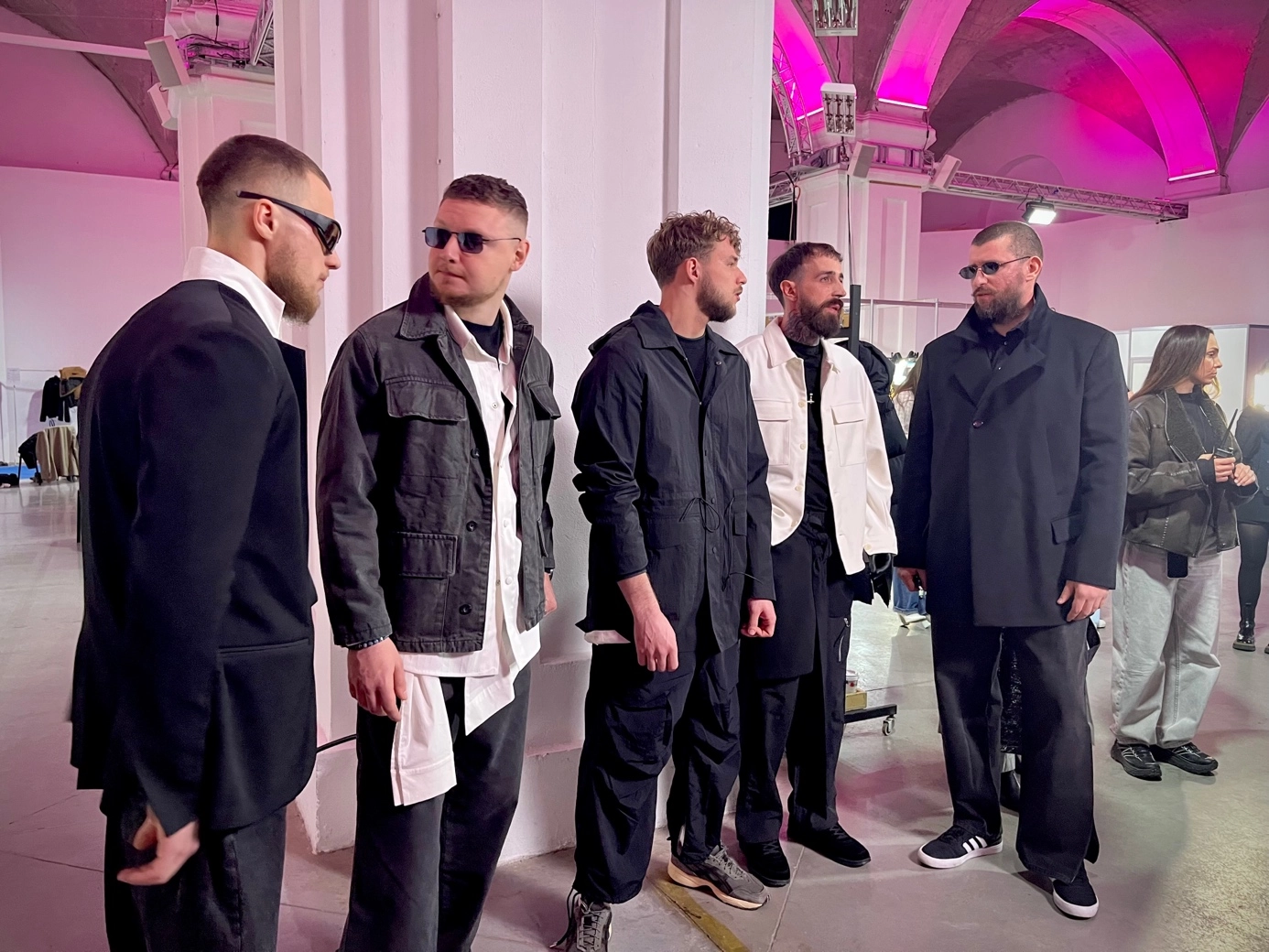
On the runway, that vision was embodied by the models themselves. Five of Sidletskiy’s models were war veterans, four were leg amputees. A fifth, with the nickname “Koval,” had lost his arm, a reminder that the collection was shaped by lived experience.
“It is vital for society to move forward toward understanding that inclusivity is essential,” Koval told Kyiv Post. “The times we live in demand it.”
Sidletskiy’s garments are designed not to conceal prosthetics, but to integrate them – restoring presence to the wearer.
He has also taken functionality to a new level. In the past, adjusting a prosthetic required removing entire articles of clothing. His clothing line incorporates detachable elements and intelligently placed zippers which make dressing and undressing manageable, saving time and frustration, but not sacrificing style.
One of the veterans, known as “Jab,” said: “Everything was comfortable; everything fit just right… I came to see what this ‘vibe’ was about.”
What began as curiosity became something more: a moment in which the runway offered not escape, but recognition.
Rachytska: amplifying Ukrainian identity
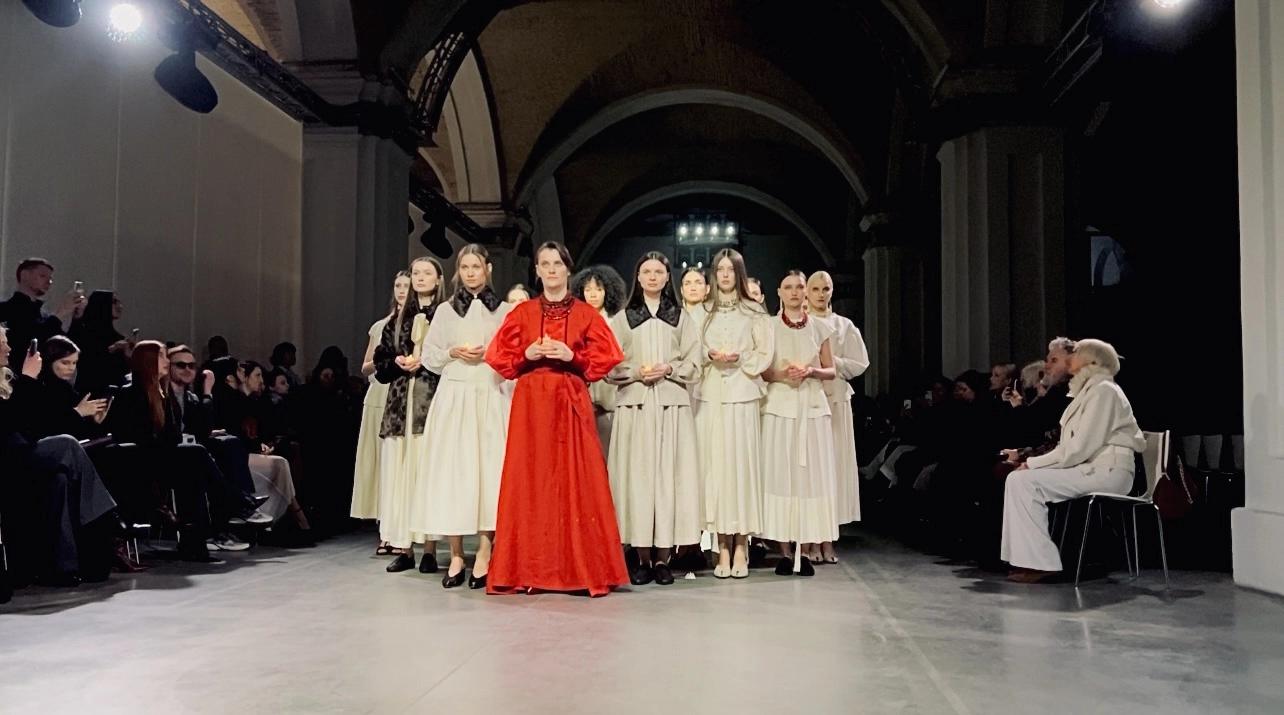
If Sidletskiy reflects Ukraine shaped by war, Khrystyna Rachytska speaks to the endurance of its cultural roots. Together, they form complementary expressions of identity.
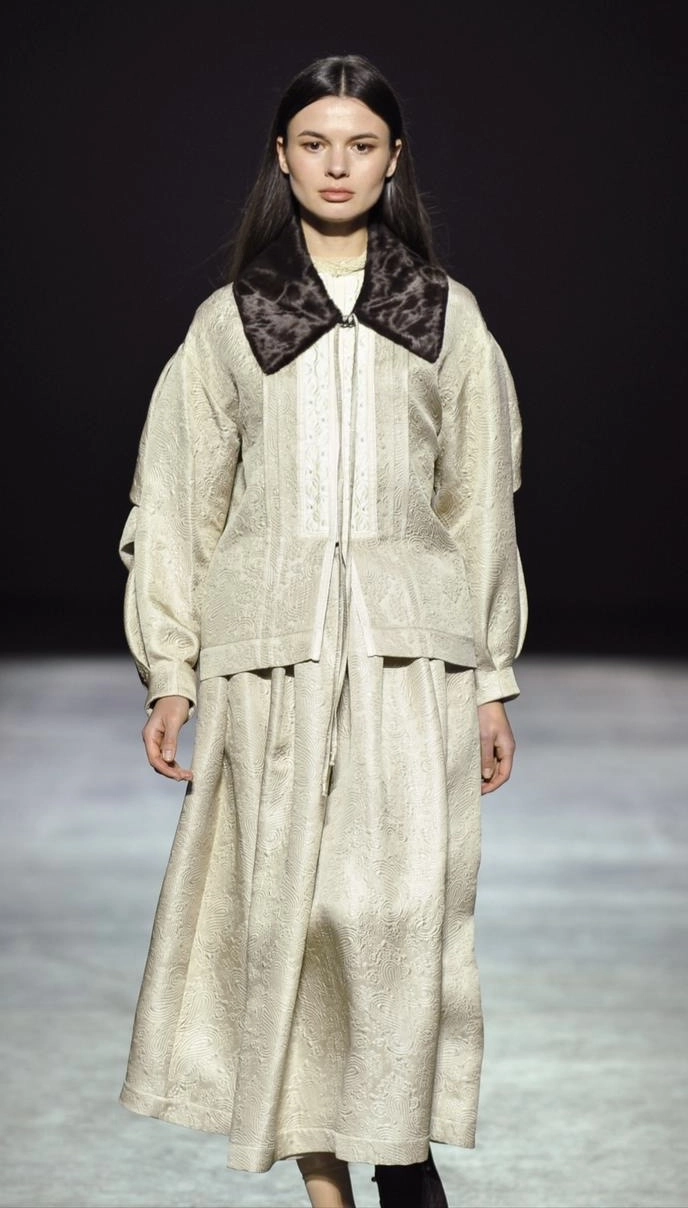
Eminently wearable yet richly expressive, Rachytska’s 2026 collection fused Ukrainian folk art with contemporary silhouettes. Natural fabrics, intricate embroidery, and precise craftsmanship defined garments both rooted and modern.
“Ukrainians are about love, art, and life itself… This collection celebrates Ukrainian national attire, reinterpreted for today.”
Her work draws from century-old embroidered garments that form the foundation of her brand.
“We preserve and evolve Ukrainian culture,” she explained, “as it has existed for centuries. My brand is built upon these shirts… preserving, evolving, and popularizing Ukrainian culture and fashion that has defined our country for centuries.”
For Rachytska, fashion is inseparable from national identity.
“This collection celebrates the beauty of Ukrainian national attire, reinterpreted for today’s world.”
Behind the Khrystyna Rachytska label lies a message of identity that is both cultural and unmistakably defiant. For the designer, fashion is inseparable from the question of national survival.
“For me, as a Ukrainian woman – and above all as a person who boundlessly loves her country – the most important thing is remaining connected to our traditions and fighting for independence,” she said. “So that we have something to pass on to our children and grandchildren, and so that we may stand as an independent, happy, and great nation.”
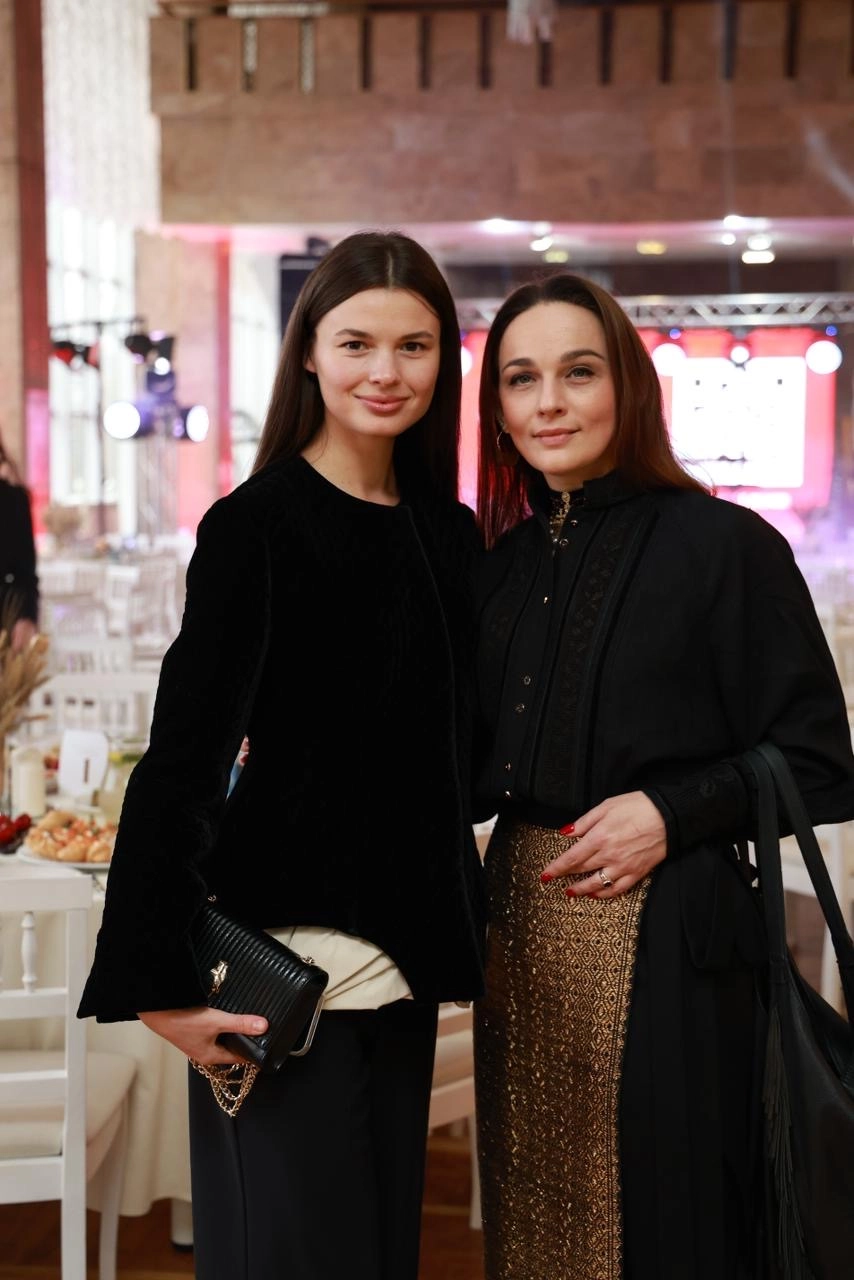
Adding a deeply personal dimension to the collection was Marysya Tomaszewska, an internationally respected runway model who has represented brands across global fashion capitals.
A longtime friend and collaborator with Rachytska, Tomaszewska represented the designer during the 2026 Fashion Week presentation, helping translate the brand’s vision to an international audience.
Her father was killed on the first day of Russia’s full-scale invasion, a loss that reshaped not only her life but the purpose behind her career. Since then, Tomaszewska has increasingly devoted her work to amplifying the aesthetic and message of a free Ukraine, aligning herself with designers whose creations express resilience, identity, and cultural sovereignty.
For Tomaszewska, Ukrainian Fashion Week is far more than performance; it is a global stage through which Ukraine communicates cultural presence and collective memory.
“It’s very important for Ukrainians to show their identity through their clothing,” she said. “We show the world that we are together — that we have our own language, our own views, our own culture. And this is reflected in everything we do, including the way we dress.”
Fashion as resistance
For Ukrainian designers, fashion is also resistance, In an industry once shaped – particularly in New York, Paris, and Milan – by Moscow-financed Russian influence, designers like Rachytska and models like Tomaszewska are advancing a deliberate cultural break. Their work insists on visibility not as trend, but as declaration.
“We do not work with this country,” Rachytska emphasized. “This is a country that kills our men; this is a country that kills our children. We must defend every step, every word we speak, and prove to the world that we are not Russia.”
Her words reflect a broader reality facing Ukrainian creatives: cultural independence must be asserted as deliberately as political sovereignty.
“On a global scale we are a small country. Compared to Russia, we may seem small, but we can resist. We resist culturally; we resist democratically. We are fundamentally different from the terrorist state. It is vital for us to have a distinct identity. To develop our culture and show the world who we are.”
Ukrainian Fashion Week’s message to the world
In Ukraine today, fashion has become a form of cultural diplomacy carried through fabric and silhouette. For designers like Rachytska and Sidletskiy, defiance and hope are implicit to design. Each garment asserts not only how Ukrainians wish to be seen, but who they are.
In Kyiv, the runway moves in dialogue with history. Fashion becomes testimony, a language of survival and presence.
As the final looks disappeared and the lights dimmed, the meaning of Ukrainian Fashion Week lingered beyond the runway. These were not simply seasonal collections, but fragments of a living national narrative.
And as designers, models, and veterans stepped back into a city still under threat, one truth remained: Ukrainian identity is not only being defended, it is being expressed, vividly and unapologetically, in the language of style.