
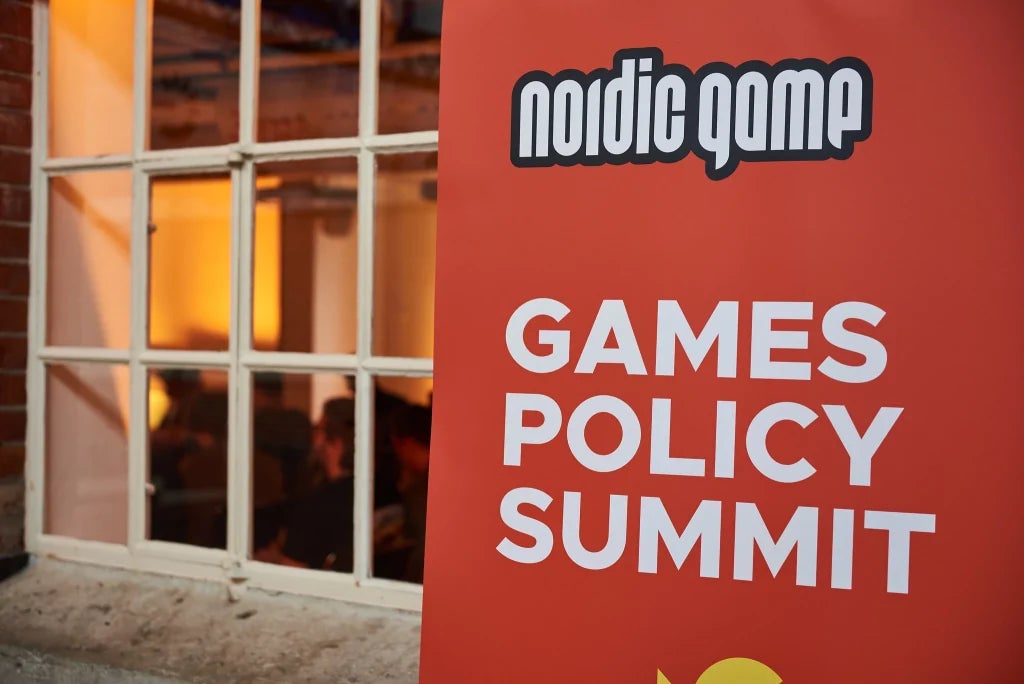
When asked to describe the content at Nordic Game this year, further details of which were announced today, program director Jacob Riis sums it up as being the “time of the indies.”
“And it’s not just about saying that we will have more than 100 new indie games on the show floor. It’s not about us announcing that we will have the biggest amount of publishers and pitch sessions on the show floor, and that we’ve created a People’s Choice Award especially to honor that we’re seeing so many new games. It’s also because of the current climate and what we’ve seen in the past years in terms of the big studios and the heavyweights in the industry kind of ruining it on some levels.”
Riis takes a moment to reconsider when asked to clarify what he means by that. “Ruined is maybe a harsh word,” he muses, adding that it was the big studios that helped to grow the industry to its current enormous proportions. “But then if you look into the details, what are [people] actually playing? Well, a big chunk of them are playing one or two games, maybe, made by big conglomerates. They make sure that the majority of the gamers play their game non-stop. If they could decide, they would probably say they should only play my game. At least that’s how it feels.”
For Riis, indies are the real beating heart of creativity. “What we live on right now as an industry is the indies and the new way of thinking. Not so much about profiting and making money and being greedy about monetization, but more about the art of games… wanting to do something that moves you as a gamer. It’s not about how much time you can spend on a product, it’s more like what kind of stamp it inflicted on your soul.”
Looking at the industry more generally, Riis is disappointed that the goal for a lot of firms, particularly among live-service games, is simply to “generate as much profit as possible at all times.” He sees the recent surge of interest in indie games as a reaction to the situation created by the “big companies.” Indeed, looking at the data, four out of the top ten Steam games by units sold over the past 12 months were indies according to Video Game Insights, namely Peak, REPO, Schedule I, and RV There Yet?
“We kind of miss the old times, right? It’s not like everything has evolved into the best possible ecosystem”
“The situation, at least from my perspective as a very old man, but also a very old gamer, is that we kind of miss the old times, right? It’s not like everything has evolved into the best possible ecosystem.”
Naturally, then, a lot of the speaker program at Nordic Game is focused on creativity and ingenuity. But Riis is aware that the subject of money can’t be avoided – although he’s keen to focus on “how to monetize in the best, most subtle kind of way that actually improves the gameplay.”
Rising sales
This year saw attendance at GDC plummet by around a third, with the decline broadly being attributed to complaints over attendance costs and concerns among international visitors over staff safety, following crackdowns against immigration by the US government. Given that, has Nordic Game seen a concomitant increase in visitors?
“We are seeing that a little bit,” confirms Riis. “We’ve seen a rise of 33% in our ticket sales at this point. Our ticket sales right now are better than it’s been since COVID.”
That said, it’s not been an easy run in the events space over the past decade or so. Riis says that big companies like Epic, Microsoft, or Sony were more than happy to support and sponsor events like Nordic Game back in the 2010s, but that has fallen away as the major firms increasingly stage their own events instead. “When you grow that big that you can do a conference on your own products or your own services, why should you then pay money for some old guys in Sweden?”
Instead, sponsors for Nordic Game now tend to be smaller businesses, Riis says. But he cherishes the independence that brings. “I think it’s great that we are not forced to do stuff because we have this big sponsor. We can do what we want. And what we want to do is to focus on the grassroots, on the smaller indies coming up, on the education side of it, and on the networking side of it, so that we can make sure that the Nordic region keeps on bringing the best possible games to the market.”
“What we want to do is to focus on the grassroots”
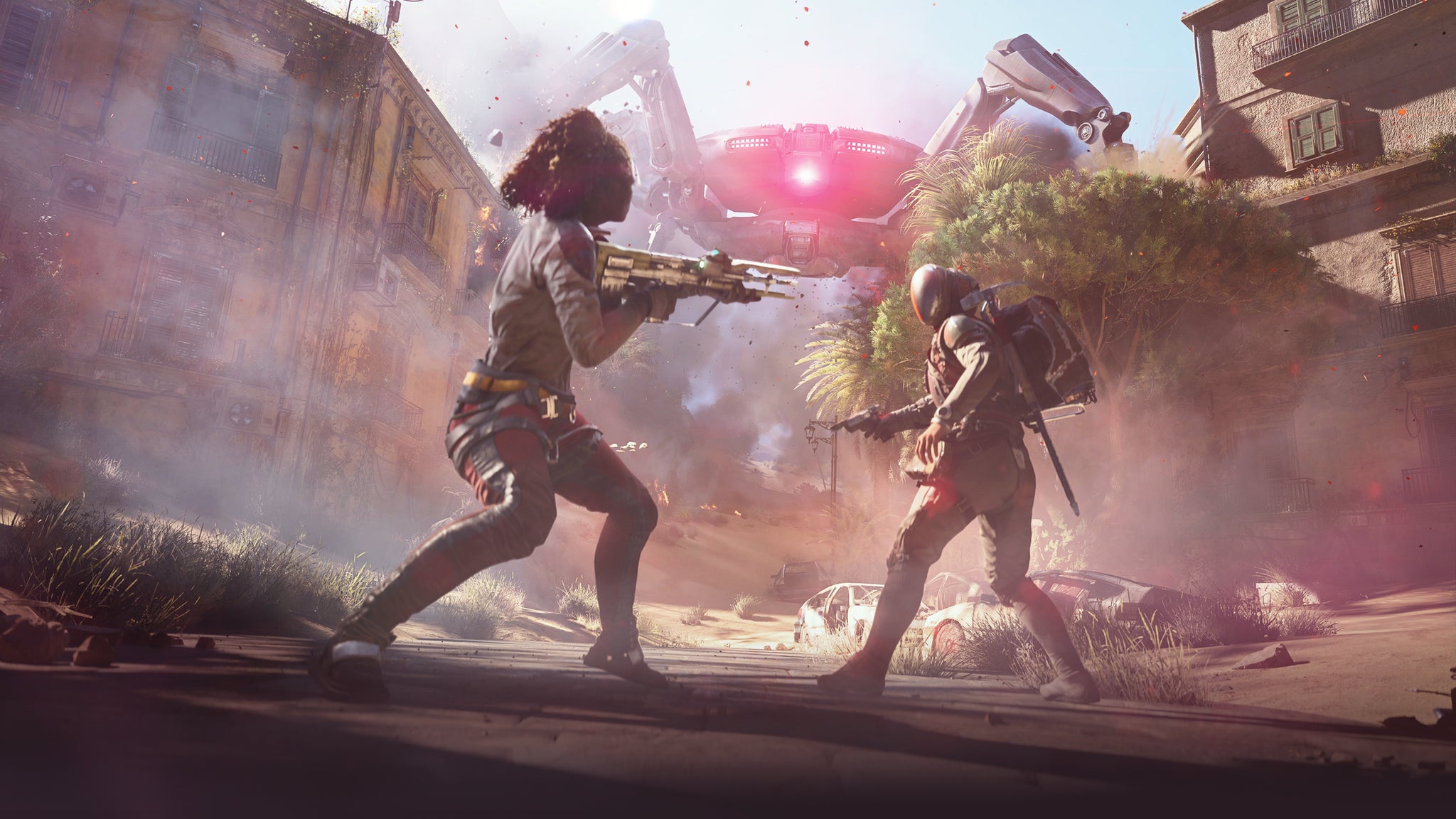
Accordingly, much of the speaker program focuses on highlighting Nordic successes, he says. “That’s an obvious thing, because we are Nordic Game.” But aside from that, the program is focused more on how people have been successfully encouraged to work together, rather than how much money they have generated. “With Arc Raiders, which is another one of the big speaker announcements, it is actually a really compelling story about that small team, how they thought about making big AAA games, and the reasoning around that. It shows what I think the Nordic spirit is about: we don’t have to be the biggest, but we can compete, at least in terms of quality, to beat even the biggest [games].”
It’s a common theme among Nordic studios, with developers like MachineGames and Neon Giant punching above their weight despite being home to relatively small teams. “Exactly,” enthuses Riis, adding that he invited MachineGames to the event last year to discuss Indiana Jones and the Great Circle. “I wanted them to talk about the geopolitical tensions in creating such a game showing stuff in the Middle East and Nazis, and how you depict that in modern day fiction, rather than talk about, I don’t know, something about money.”
Despite the event’s natural focus on the Nordic region, Nordic Game attracts a remarkably international audience. Only around 30% of attendees are actually from the Nordic countries, says Riis, with another 30% hailing from Germany, the UK, and other nearby European countries. “And then the rest are from the US, Asia and all that.”
For many attendees, going to Nordic Game each year feels like a family reunion, he says, a feeling of coming home. “Even if you’re not Nordic, you’re coming home to Nordic. And that is what we really try to focus on when producing the show.”