
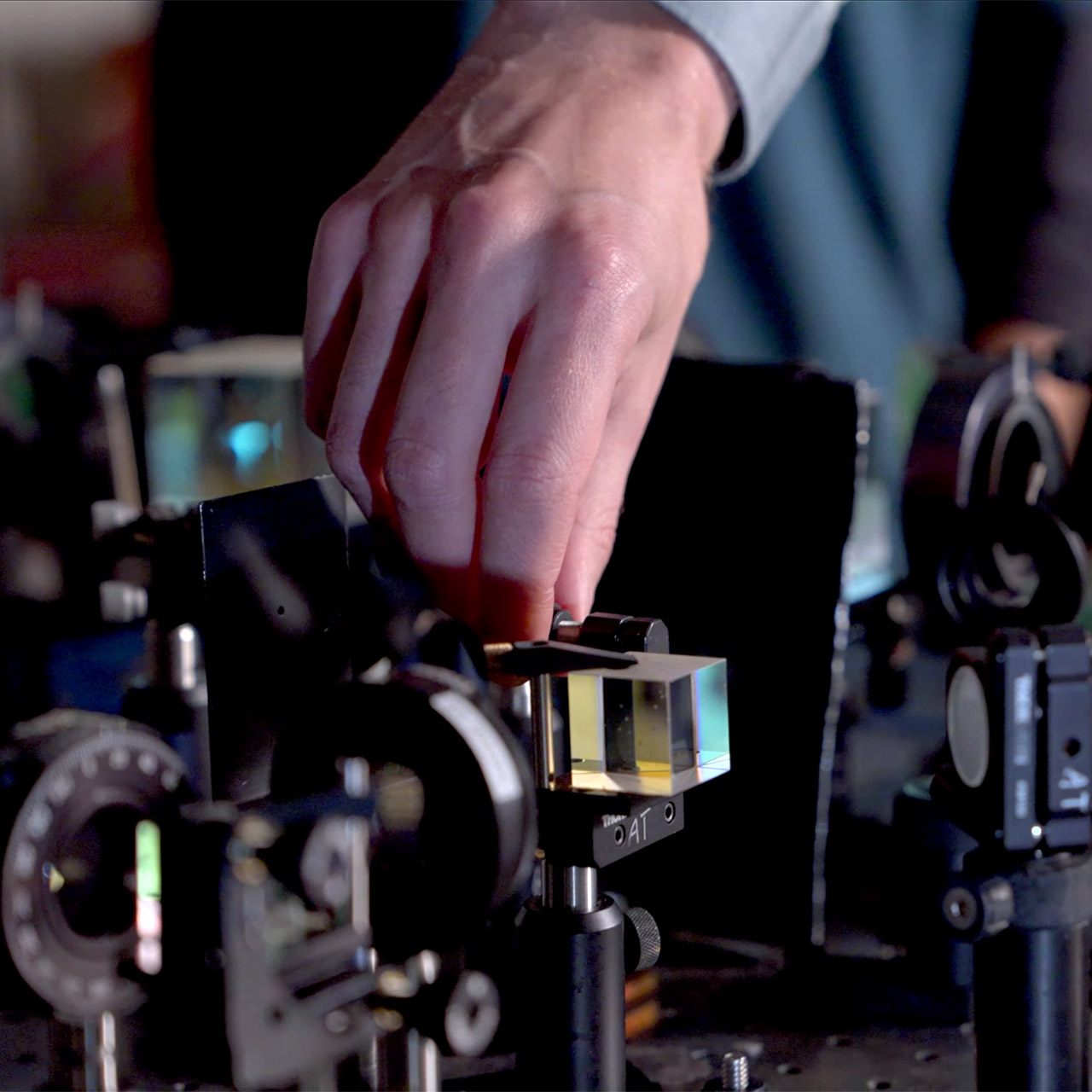
Australian researchers have pulled off something that quantum theory predicted but nobody had managed to actually observe in matter until now. Working with pairs of helium atoms, they captured the particles existing in two different locations simultaneously, their behavior frozen in a way that has no equivalent in everyday experience. It is the first direct observation of this phenomenon in matter rather than light, and it opens a new window into how the fundamental building blocks of our world actually behave.
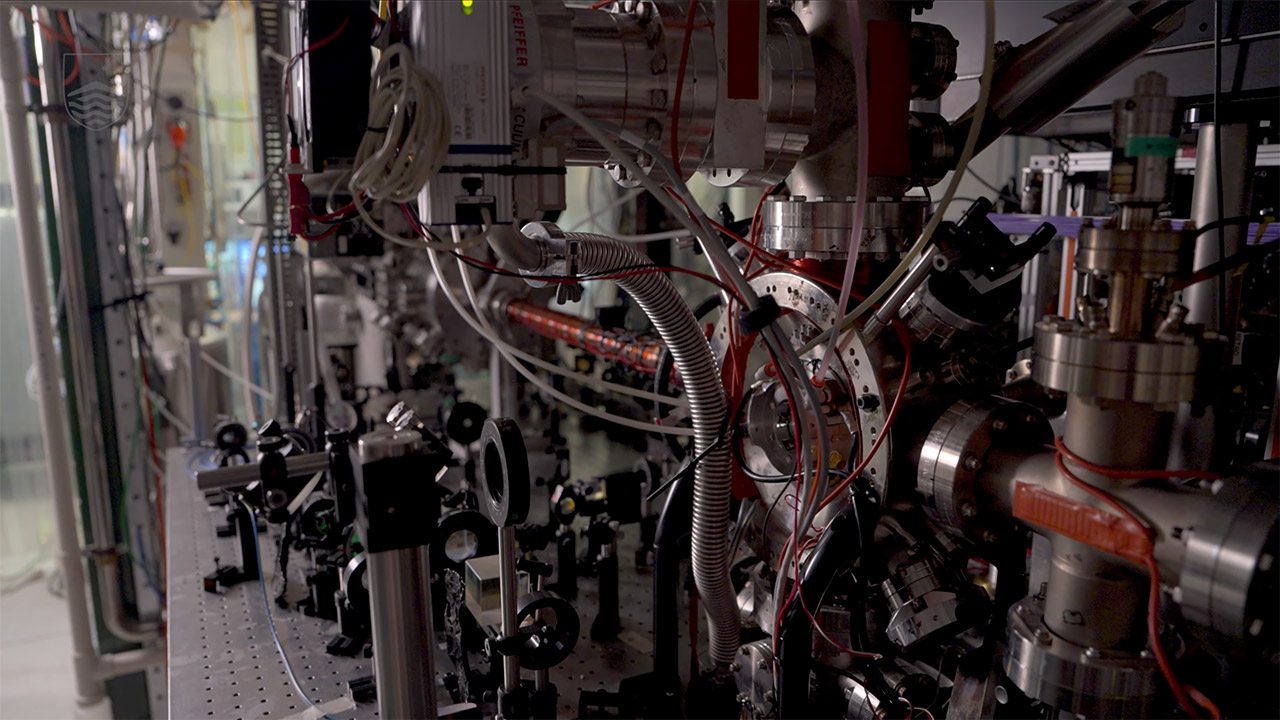
The team at Australian National University started with a cloud of helium atoms cooled to just above absolute zero, at which point the atoms slow down enough to behave more like overlapping waves than solid particles. Releasing the cloud from its magnetic trap allowed two groups to collide head on, and that collision created exactly the right conditions for something remarkable. Measure one atom moving in a particular direction and its counterpart will instantly appear moving the opposite way, no matter how far apart the two have traveled.
Sale

National Geographic Mega Science Lab – Kit for Kids with 75 Easy Experiments, Featuring Earth Science…
- THREE SCIENCE KITS IN ONE – This kit contains 45 of our most popular Earth science, chemistry, and science magic experiments along with a bonus guide…
- EXPLORE EARTH SCIENCES – Kids will build and erupt a volcano, grow a glow in the dark crystal, create water tornadoes, and dig up a real fossil…
- DIVE INTO CHEMISTRY – The chemistry set in this kit has everything kids need to make gooey worms and worm eggs, create bubbling reactions, launch a…
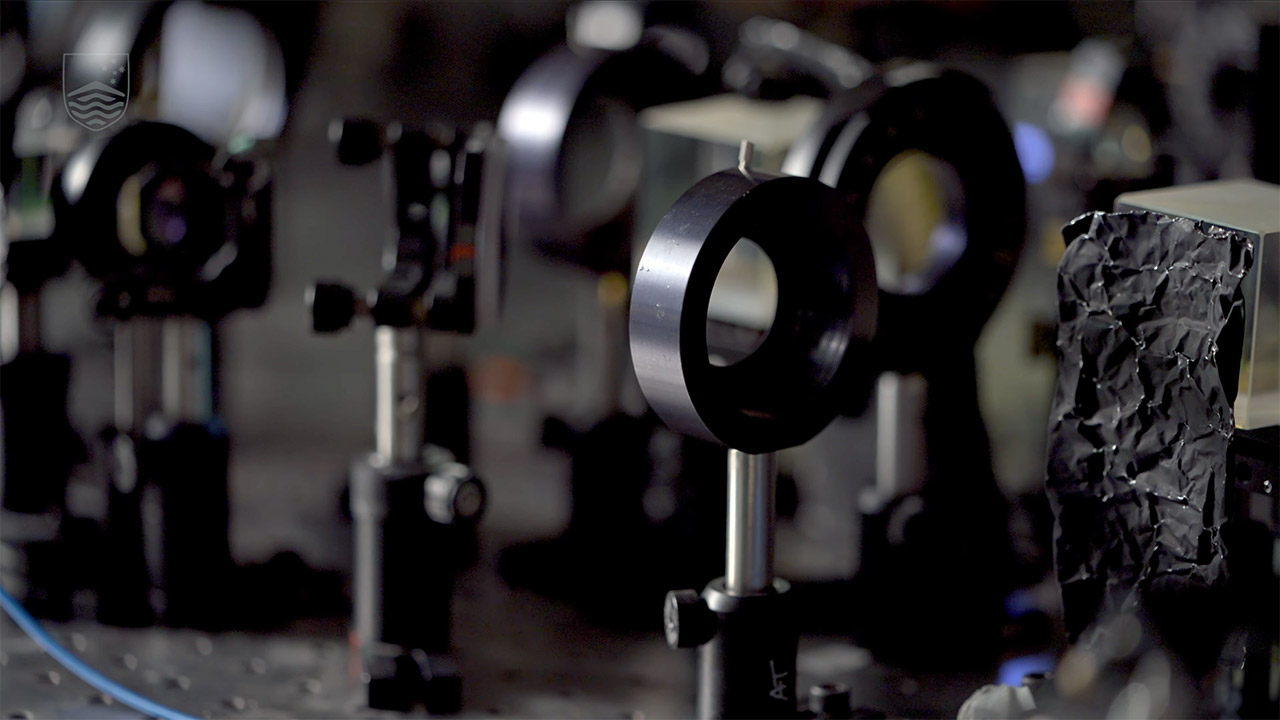
To confirm the atoms were genuinely sharing an existence across two locations rather than simply traveling on predictable paths, the team sent the scattered pairs through an apparatus using laser pulses that acted like a half silvered mirror, splitting each atom along two separate routes at the same time. The atoms were then allowed to fall briefly before detectors recorded exactly where each one landed. The interference pattern that emerged left no room for doubt. Each atom had traveled both paths simultaneously right up until the moment it was measured, with one member of a pair appearing on the left side of the detector while its partner showed up on the right, yet the data made clear that both had been exploring both locations all along.
The significance of the result comes down to what the atoms actually are. Previous experiments of this kind used photons, which have no mass and are unaffected by gravity. Helium atoms are a different matter entirely, heavy enough to feel the pull of the Earth, yet they still display this split existence. The connection between the pairs was strong enough to violate Bell’s inequality, a well established test that rules out any classical explanation for the behavior. Measuring one atom instantly determined the state of its partner regardless of the distance between them, exactly as quantum theory has always predicted but nobody had seen demonstrated with matter until now.
Lead researcher Yogesh Sridhar spent years refining the setup because earlier attempts always fell short. “Experimentally, it is extremely hard to demonstrate this,” he said. His colleague Dr. Sean Hodgman put the strangeness into plain words: “It is really weird for us to think that this is how the universe works. You can read about it in a textbook, but it is really weird to think that a particle can be in two places at once.”
[Source]