
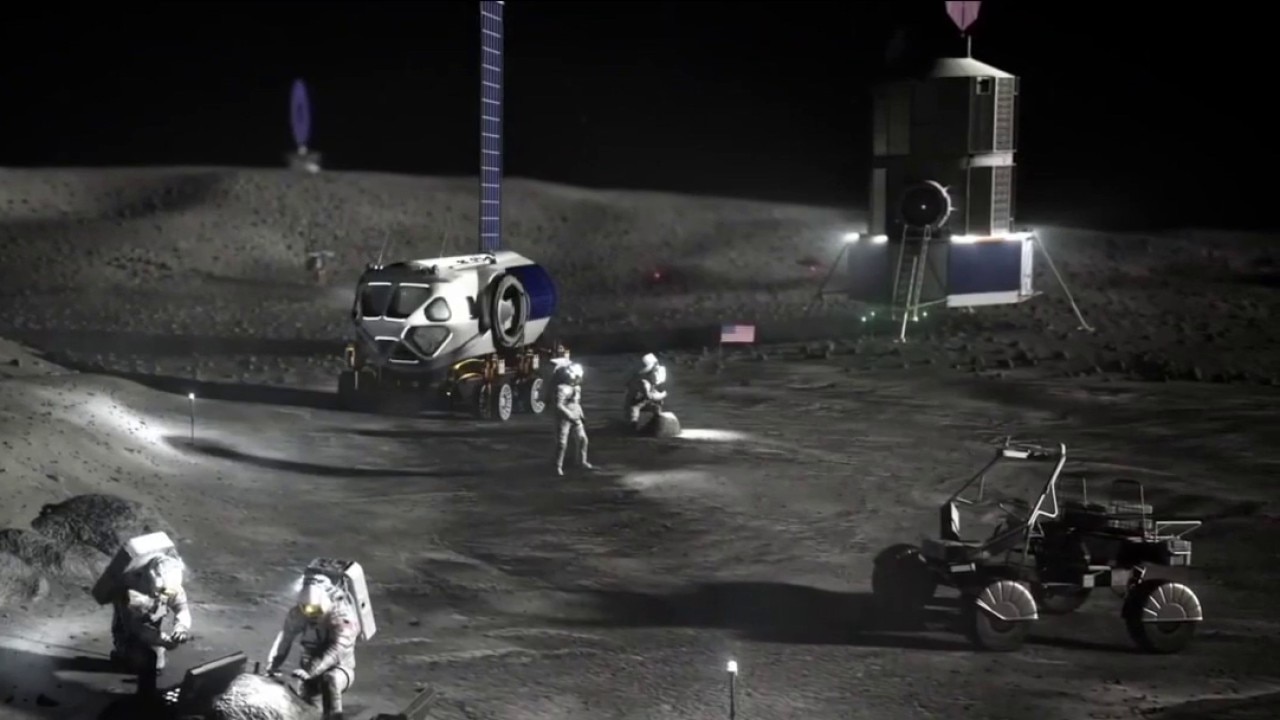
Moon bases and Mars missions: Artemis II explained
NASA is preparing for Artemis II, which will send four astronauts around the Moon. The mission will test Orion’s life-support, navigation, and communication systems in preparation for future lunar landings. FOX 13’s Craig Patrick reports.
CAPE CANAVERAL, Fla. – NASA is preparing for Artemis II, which will send four astronauts around the Moon.
The mission will test Orion’s life-support, navigation, and communication systems in preparation for future lunar landings.
The backstory:
Bob Sieck, Apollo engineer and part of the 1969 Moon landing team, explained the vision for lunar colonization.
“We’ve got to learn, using the Moon’s surface, how to build a habitat with supplies from Earth. Then, eventually, in that habitat, we’ll learn how to build the supplies necessary to survive in space without being dependent on trips back to Earth.”
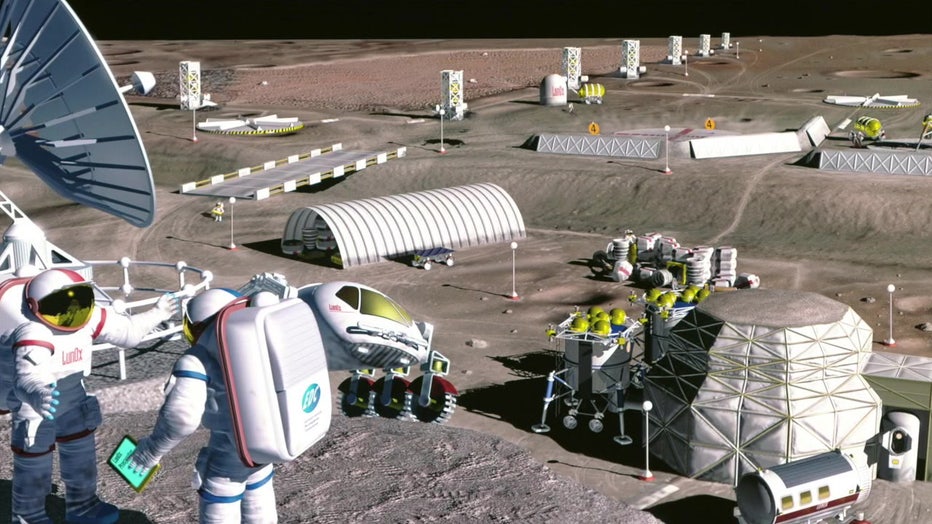
The target for permanent settlements is the lunar South Pole, home to extensive deposits of water ice.
Robots could mine the ice and use solar-powered electrolysis to create hydrogen and oxygen, which can fuel spacecraft and support human life.
Why you should care:
Artemis II and subsequent missions lay the groundwork for permanent lunar colonies and eventual Mars missions.
Helium-3 mining could revolutionize clean energy and quantum computing on Earth.
Lunar AI and robotics infrastructure may shift industrial activity off-planet, benefiting the environment and global technological development.
Dig deeper:
Jared Isaacman, NASA administrator, highlighted the Moon’s potential as a source of helium-3.
“There is helium-3 on the Moon — not a lot of it, but certainly more than there is here on Earth,” Isaacman said. “And that is predicted to be a more efficient source of fusion power.”
Fusion energy, first achieved in a government lab in 2022, could be scaled with lunar helium-3 to provide safe, low-cost electricity.
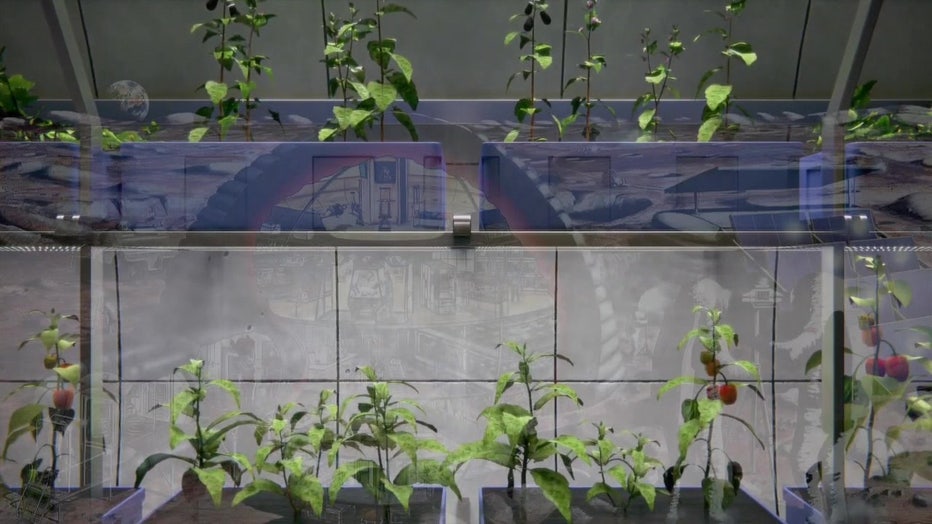
Dr. Phil Metzger elaborated on why that’s important.
“The Moon has no atmosphere. And because it has no atmosphere, it catches the solar wind in the soil. The solar wind coming out of the Sun — which is like a nuclear reactor — produces helium,” he explained. “For billions of years, the Moon has been collecting that helium. So the best place in the inner solar system to get helium, which we need for quantum computing and fusion, is right there next to Earth.”
Big picture view:
In addition to fuel and energy, lunar colonies could host autonomous robots to build and maintain data centers.
These systems could handle heavy industrial and computational workloads off-Earth, reducing strain on our planet’s energy grid.
“It’s going to make Earth a much healthier planet, because we’ll be able to move a lot of the burden of our industrial activity off Earth and into space,” Metzger said.
Much like the Apollo missions, Artemis relies on a mix of innovation, teamwork and perseverance.
Ken Poimboeuf, an Apollo engineer, emphasized the continuity of that spirit.
“Which means, no matter what the problem is, we figure out a way to make it happen,” Poimboeuf said.
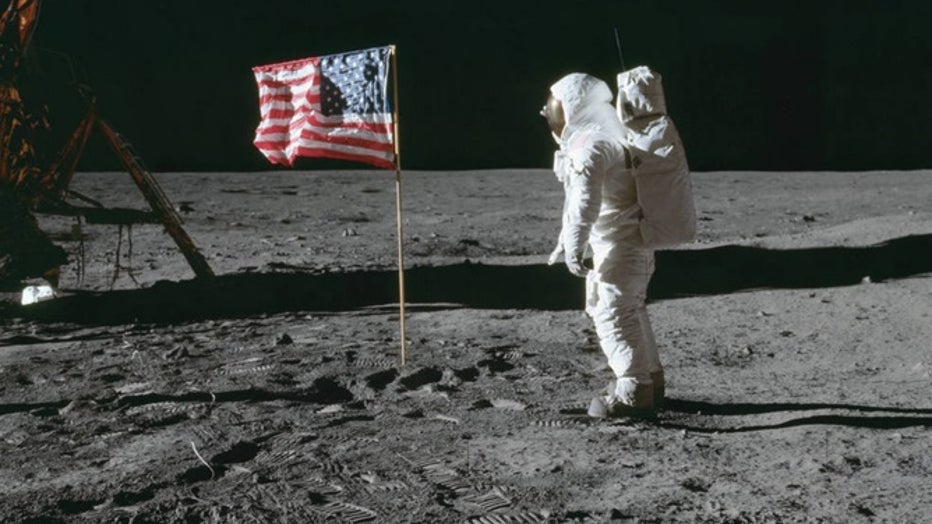
Apollo 11 astronaut Aldrin saluting the flag at Tranquility Base (NASA)
Apollo engineers like Poimboeuf and Sieck see Artemis as building on the lessons of Mercury, Gemini and Apollo — not just repeating history, but extending humanity’s reach.
What they’re saying:
Dr. Alain Berinstain, director of UCF’s Florida Space Institute, stressed the unpredictable scientific payoff of returning to the Moon.
“What excites me the most is the kind of stuff we haven’t even thought of — the discoveries we don’t yet realize we’ll be able to make,” Berinstain said. “We’ve hardly scratched the surface of the Moon. When we’re there full-time for an extended period, we have no idea yet what great things we’ll discover — and what that will spur on. And don’t get me started on Mars. That’ll be even crazier.”
Permanent lunar operations could also support human missions to Mars, providing refueling depots, life-support testing, and real-time robotic assistance — effectively turning the Moon into a springboard for deep-space exploration.
The Source: This reporting is based on interviews with Apollo engineers Bob Sieck and Ken Poimboeuf, NASA administrator Jared Isaacman, Dr. Phil Metzger (UCF Florida Space Institute), and Dr. Alain Berinstain (UCF). Technical details are drawn from NASA documentation on Artemis II, Orion spacecraft, and SLS rocket systems.