
The line between luxury and the high street has never been more blurred, and both the industry and consumers are divided on how to feel. From Louis Vuitton x Supreme to Balenciaga x Crocs, heritage houses have always flirted with the accessible end of fashion. But in 2026, that flirtation has become a full-blown commitment, and Zara just raised the stakes entirely.
In the space of a week, Zara announced not one but two major designer partnerships: a two-year creative collaboration with John Galliano, and a capsule collection with Willy Chavarria. That’s one of the world’s most celebrated living couturiers and one of New York’s most politically charged designers, both signing on to one of the most polluting fast fashion brands on the planet. If that’s not a sign of the times, we don’t know what is.
H&M has been the blueprint since 2004, when Karl Lagerfeld made the idea of a luxury designer dropping at a mass-market retailer feel genuinely exciting rather than compromising. Since then, the roster has been stacked, think Versace, Balmain, Maison Margiela, Mugler, Rabanne and more. The Margiela collaboration in particular achieved full collector status with that white puffer from the 2012 drop now reselling for upwards of €10,000, while items from the Versace collection appeared on eBay for double the retail price within minutes of going on sale. The formula works, the demand is real and an entire generation of fashion lovers got their first encounter with these houses through the rails of their local H&M, and that means something.
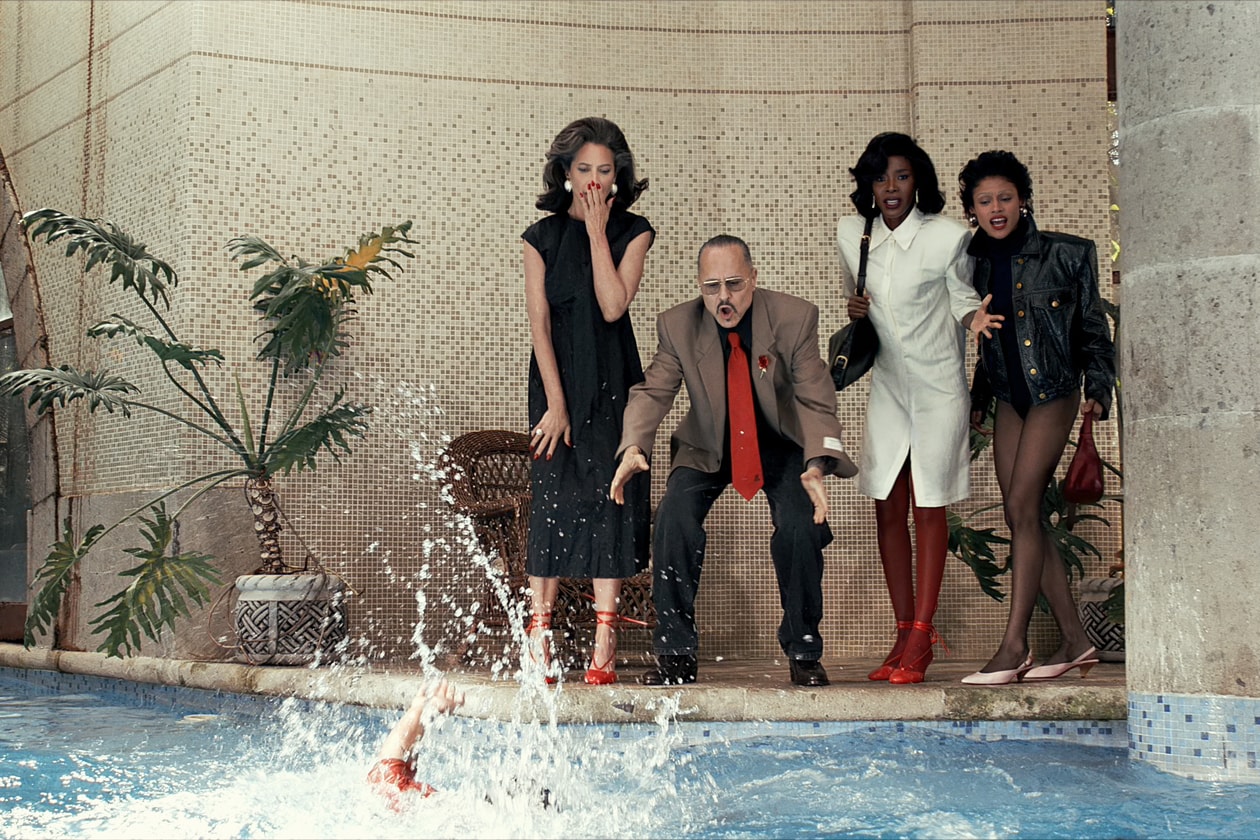
Willy Chavarria for Zara
But Zara is playing a different game. This isn’t a one-off seasonal drop; it’s a long-term repositioning. Bringing in Galliano, who rebuilt Maison Margiela into a cultural phenomenon over a decade, growing sales by 24%, and Chavarria, whose “VATÍSIMO” capsule arrived with a hero leather jacket at $529 (roughly one-sixth of his standard price point), signals that Zara has its sights set well beyond the fast fashion conversation. Whether it’s earned that repositioning is another question entirely.
If a luxury designer can produce a piece at Zara prices, what does that say about what consumers are actually paying for when they invest in the mainline collections? Does a Galliano for Zara jacket quietly undermine the mystique of everything else carrying his name? And the production question doesn’t disappear just because a prestigious creative is attached. Fast fashion’s supply chain issues are well-documented, and a high-profile collaboration doesn’t resolve them.
There’s also the more cynical reading, which is hard to dismiss. Luxury is struggling. Kering’s revenues dropped 13% in 2025, with Gucci down 22%. The aspirational luxury consumer has essentially disappeared, according to one CNBC analyst. Against that backdrop, a designer lending their name to Zara looks less like a creative statement and more like an industry hedging its bets in a market that’s actively moving away from it.
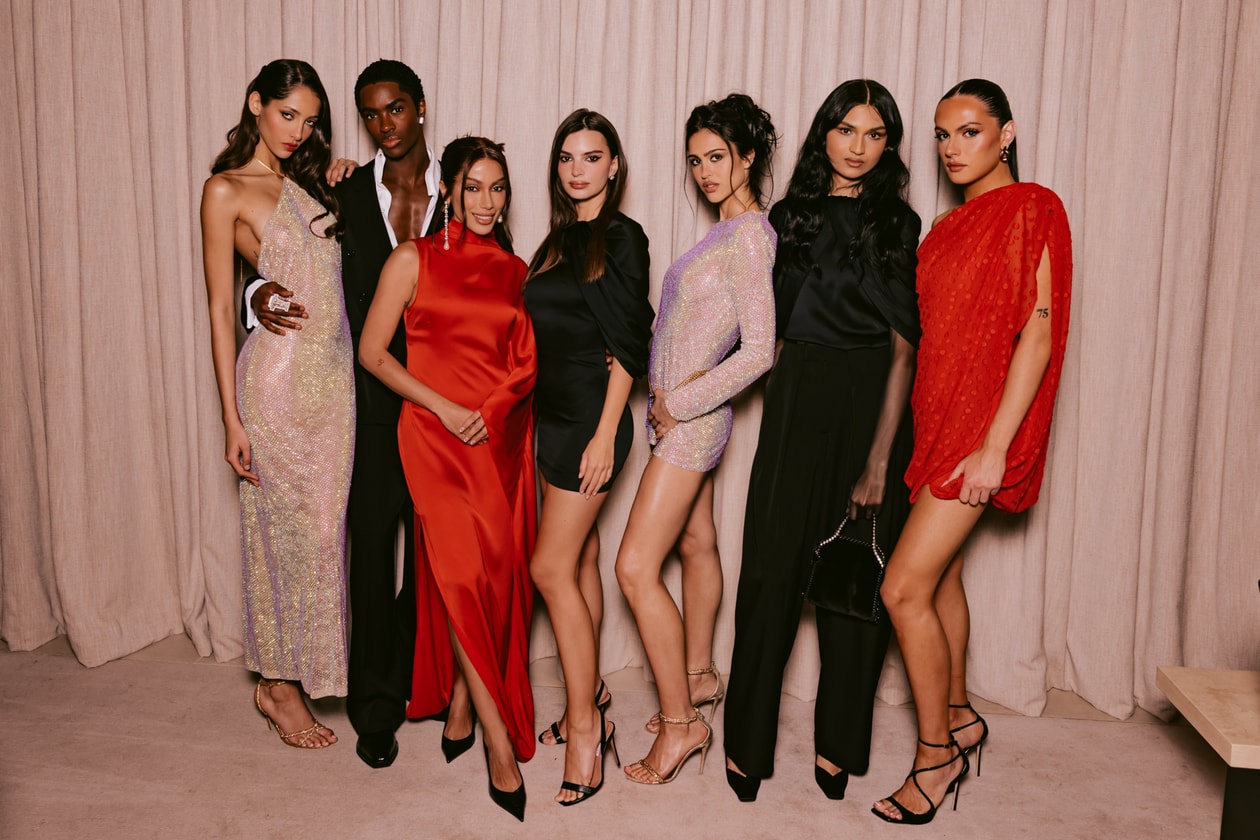
Stella McCartney for H&M
But that shift in the market is precisely the point. In the Q4 2025 LYST Index, COS came in at number three globally, with demand up 60%, a position that not long ago belonged exclusively to the biggest legacy houses. The consumer hasn’t disappeared; they’ve simply become more discerning, more price-conscious and less convinced that luxury equates to relevance and quality.
In that climate, a designer stepping away from the runway and into a globally accessible retailer isn’t a step down. It’s arguably one of the more democratic moves available to them. It signals that the work is for everyone, not just those with the budget to match. Particularly now, in an era of real economic and political pressure, when a Dior jacket starts at five figures and the fashion calendar can feel genuinely disconnected from everyday life, that signal carries weight.
No collaboration announcement in recent memory has landed with quite the same seismic impact as Zara and John Galliano. This is not a story of a failing designer taking whatever work he can find. This is perhaps one of fashion’s most celebrated creative minds, deliberately choosing to reach a new audience. His appointment is part of Zara’s wider strategy to align itself with contemporary luxury brands and top creative talents, and leave any fast-fashion references behind. But is that even possible?
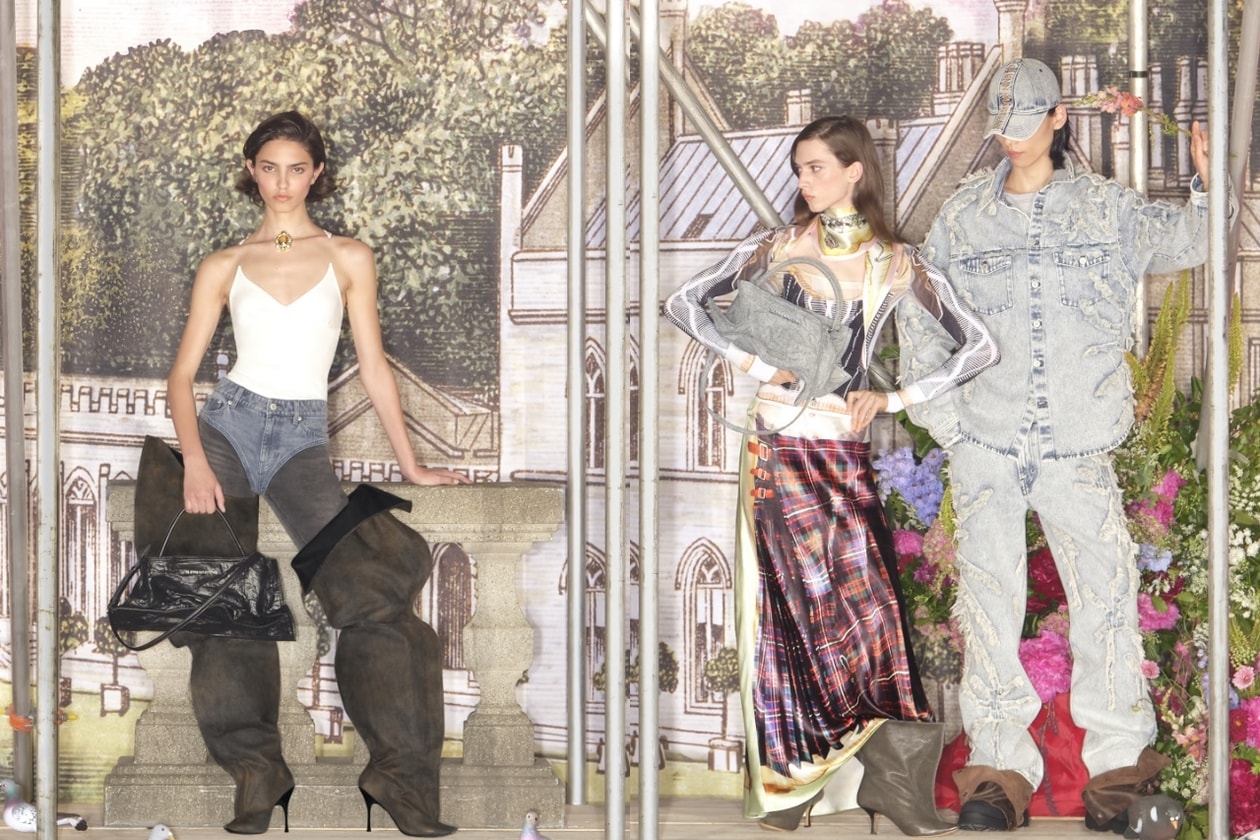
Glenn Martens for H&M
The response online reflected a broader ambivalence. Instagram account BoringNotCom captured the mood well: “For me, this new partnership is more than a couturier designing for the masses, it’s a sign of why designers and the public are increasingly turning to fast fashion over luxury.” It’s a pointed observation, and it speaks to a growing sense that luxury is losing the cultural conversation and that these collaborations are, at minimum, an attempt to re-enter it.
The H&M archive proves it’s possible to do this thoughtfully. The Margiela collaboration held its conceptual integrity, while the Balmain drop fully committed to the house’s maximalist identity. The pieces that endure and appreciate are those where the designer’s vision was genuinely present, not just their name on the label.
What Zara x Galliano will actually deliver, we’ll find out in September. But the question it raises is more pressing than the collection itself: are the designers who refuse to engage with this moment protecting their integrity, or simply keeping their work out of reach for the people who have always loved it most? In 2026, that’s not a rhetorical question. And the answer might say more about the future of fashion than any runway show this season. It’s less of a question of whether these collaborations should exist (because they already do and will continue to), but more of a question of whether they can be done with integrity.