
By Aya El-Djoundi | Special to the NB Indy
When I was a little kid, I had this theory about space travel.
Many years ago, traveling on an airplane across the ocean was impossible but then we finally mastered it. I thought it would be the same for space travel. I thought we would have cracked the code on how humans can survive traveling through the space time continuum.
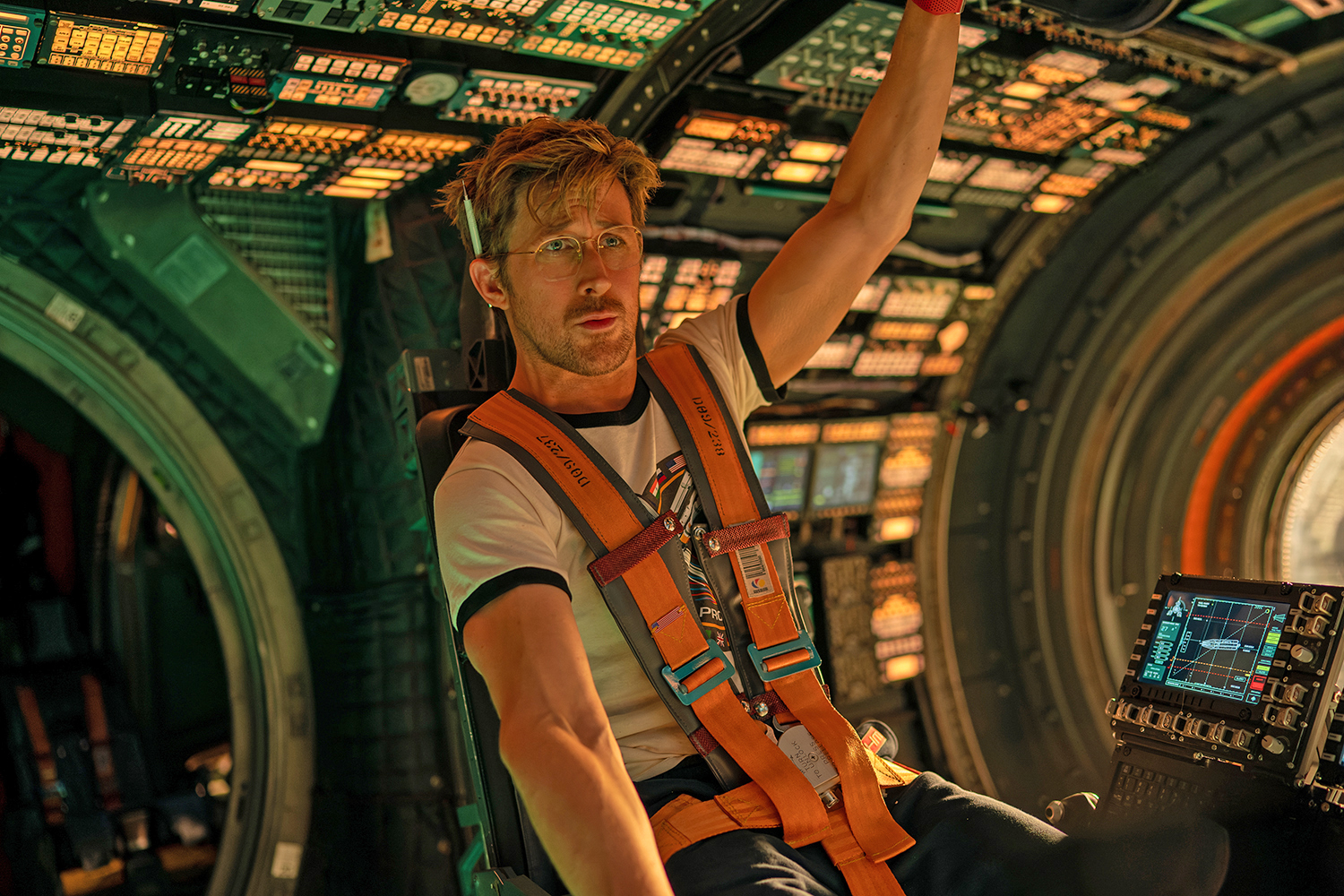
So just like my wild childish-like imagination back in the day, that is also what the movie “Project Hail Mary” felt like to me. The film is a fascinating science-fiction movie based on the book of the same name by Andy Weir, which is partly based on real scientific explorations of space, and Weir’s imagination.
Movies such as “Interstellar” (2014) and now “Project Hail Mary” have demonstrated fascinating ideas about space travel. These movies pose questions about the experience of space travel. Is that what could actually happen? Can we just casually drop into other planets like we’re traveling to France? And of course I mean one day in another lifetime, not now.
I watch movies like these and I think about the reality of what’s really happening in NASA: Scientists trying to figure out how to get to other planets, finding communication from other universes, or just simply explore outer space for the sake of human existence.
Who knows what exists and what doesn’t. I think Project Hail Mary poses this question as well.
As humans, we all have strong imaginations about the what-ifs and the obscured possibilities of our human existence. In space, there is not only a lot of room for travel, but a lot of room for imagination.
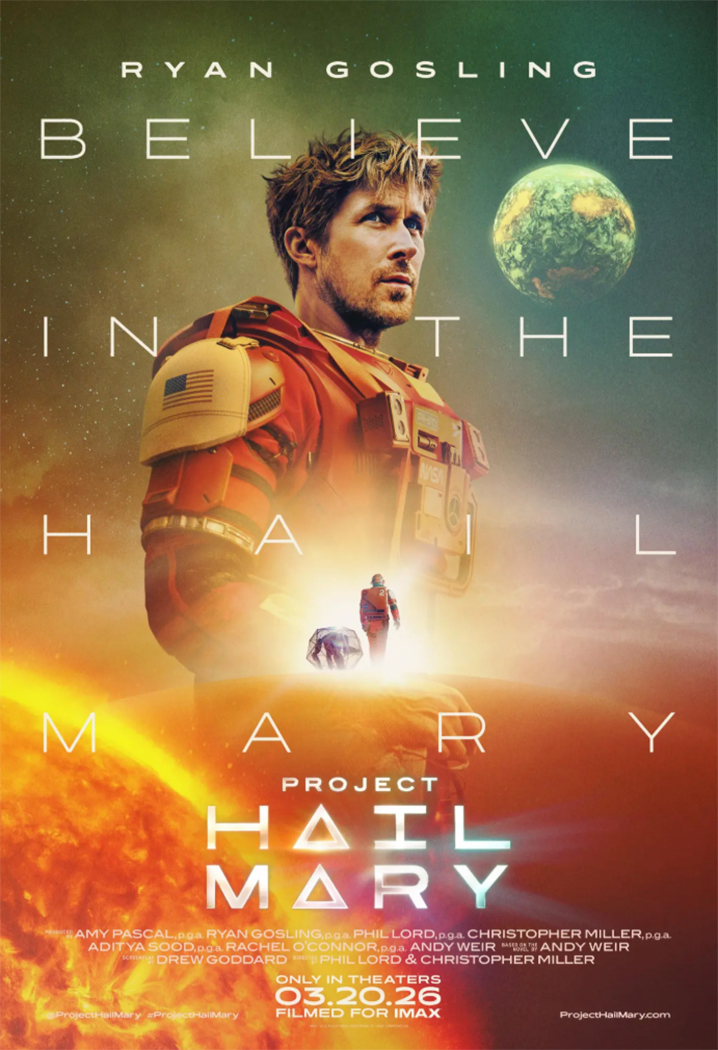
“Project Hail Mary’s” mission to save the Earth from the dying sun comes from real life explorations from NASA, and the universe Tau Ceti that has a similar solar system as us, except 12 light years away and in many ways completely different. T Ceti wasn’t only used here, but in numerous other sci-fi movies as well; each movie had its own imagination of how they would like to feature T Ceti.
That’s the thing about movie magic: we get to decide what’s real and what’s not, just like when I was a little kid and I made my theories about space and unlocked the ability to just causally travel from planet to planet.
What I found interesting about “Project Hail Mary” is the inspiration for the character Rocky. From the book, author Andy Weir thought of the character through what he envisioned the type of planet Rocky came from: a dark, rocky atmosphere with dense conditions, creating the character to be in a spider-like rock form with no face.
How is Grace (played by Ryan Gosling in the movie) able to communicate with him? And how did the entire movie theater audience cry over an imaginary rock creature? And finally, how did Grace decide to live on another planet like we were just casually traveling to another country?
That’s the power of movie magic and human imagination.
A lot of what Weir created comes from the many imaginative ideas in his head and real scientific evidence about outer space. Then he wrote a book with promising characters invented from real-life scenarios (or imagination inspired by those scenarios). And so, a simple rock from an imaginary planet became a very significant character in a movie.
As movie makers and movie lovers, we are still just little kids with adult brains (and adult money), making our childish theories come to life.
Overall, the movie was fun, and it brought me back to being a little kid caught up in my thoughts about what exists beyond our Earth.
Going into this movie, I thought it was going to be more dramatic and serious, but Ryan Gosling and James Ortiz (the puppeteer) brought a lovely, lighthearted energy that was the cherry on top.
Everything about the movie was worth the two and a half hour run time (and $20 movie ticket).
“Project Hail Mary” is playing at the Regal Edwards in Newport Center and The Lot Theatre in Fashion Island.