
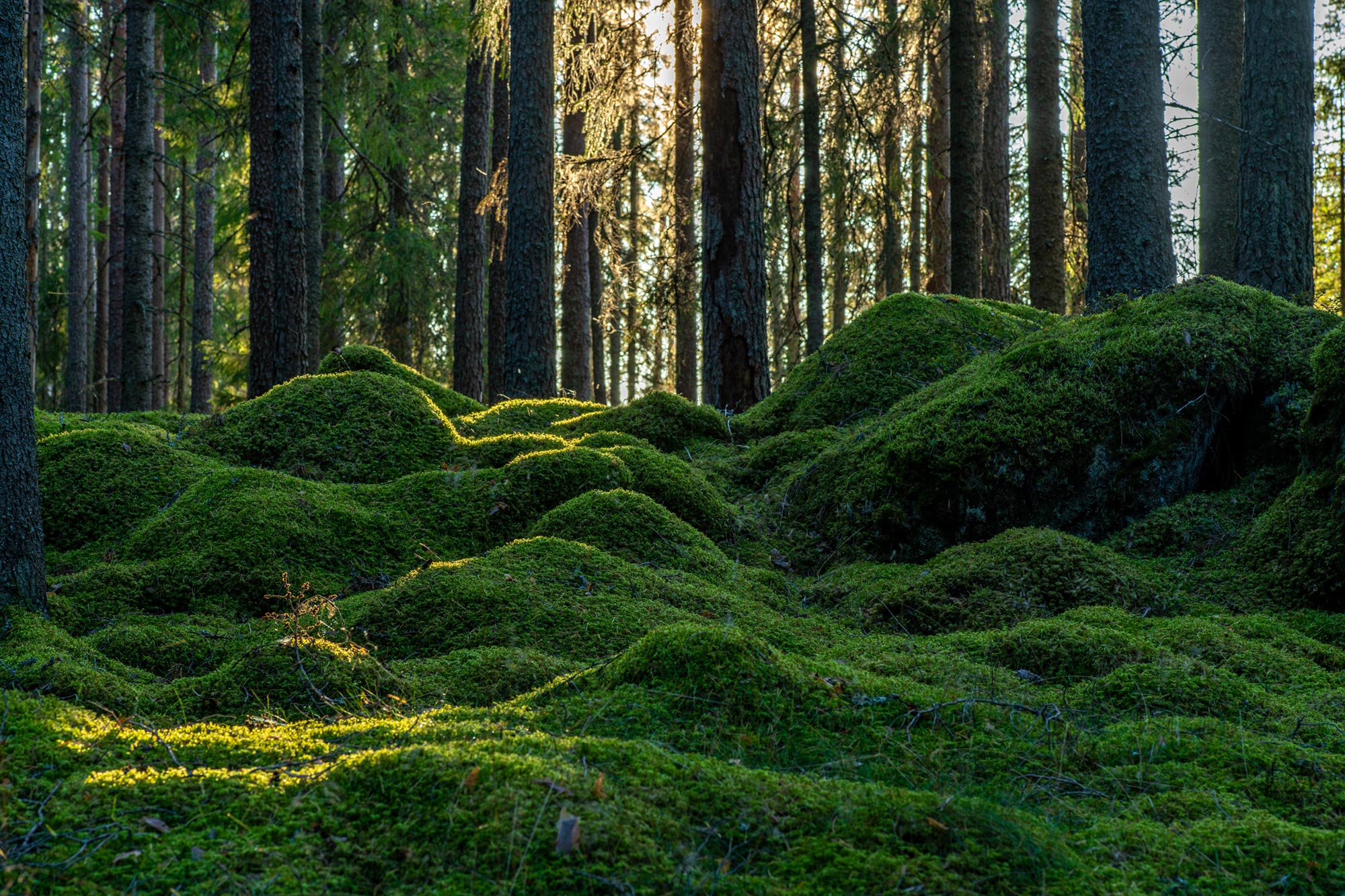
Undisturbed boreal forests may hold far more carbon than expected.
Earth’s vast northern forests may be doing far more to slow climate change than scientists once realized. New research from Sweden shows that untouched, old-growth boreal forests store dramatically more carbon than the managed forests that often replace them, raising new questions about how forests should be used in a warming world.
Boreal forests stretch across the high latitudes of North America, Europe, and Asia, forming the largest forest system on the planet. They already absorb about 30% of human-caused carbon dioxide (CO₂) emissions. Yet growing global demand for wood, paper, and bioenergy is driving increased logging, even in regions that were once largely undisturbed.
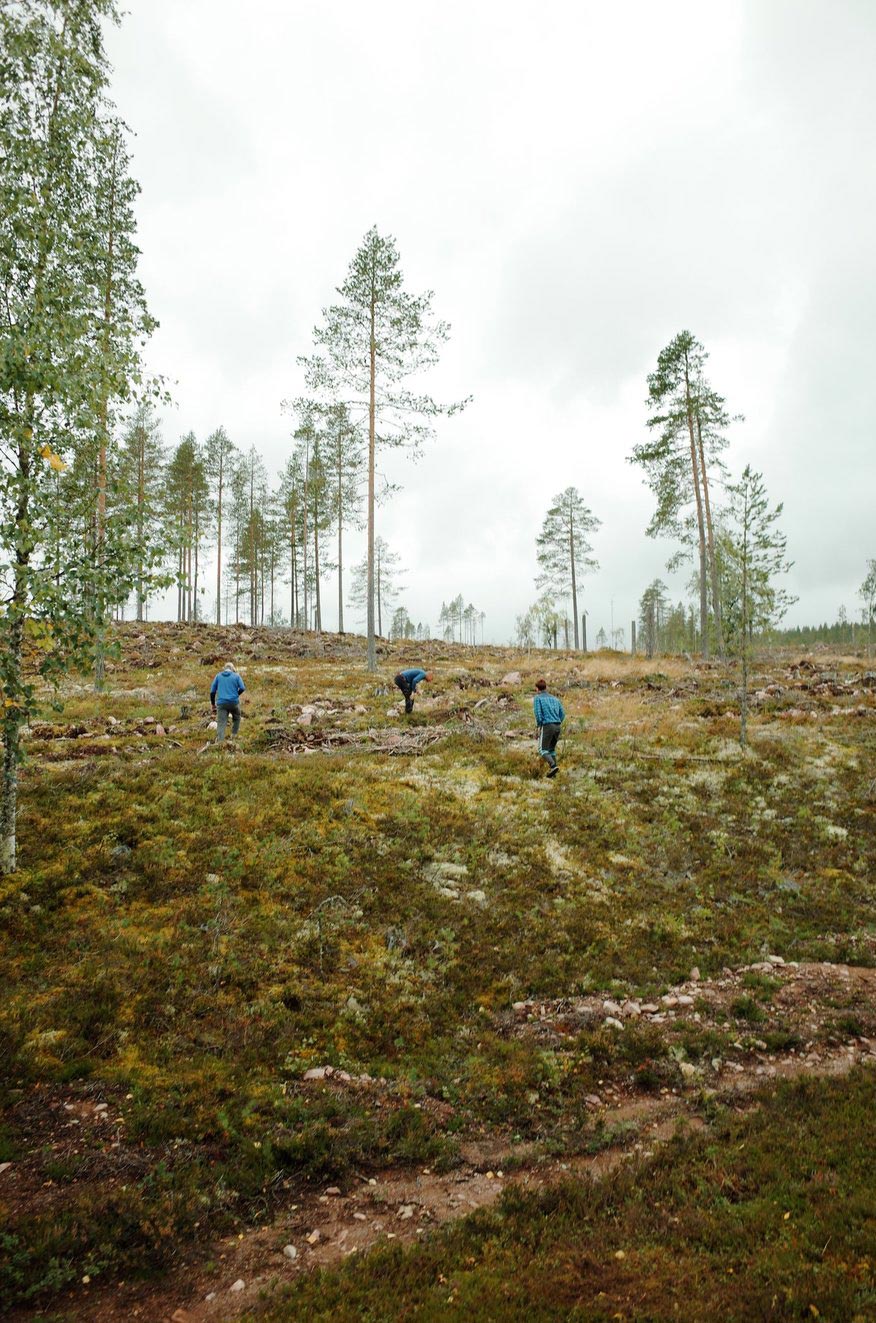
In much of Europe, forestry is highly intensive. Landscapes are reshaped through clear-cutting, replanting, fertilization, drainage, and soil disturbance, often creating uniform stands of fast-growing trees. These systems are efficient for timber production, but they are not ecological equivalents of the forests they replace.
A Closer Look at What Forests Store
To better understand the consequences, researchers led by Didac Pascual combined national forest and soil inventory data with detailed field measurements from more than 200 sites across Sweden. Their goal was to capture the full picture of carbon storage, not just in trees but across entire forest systems.
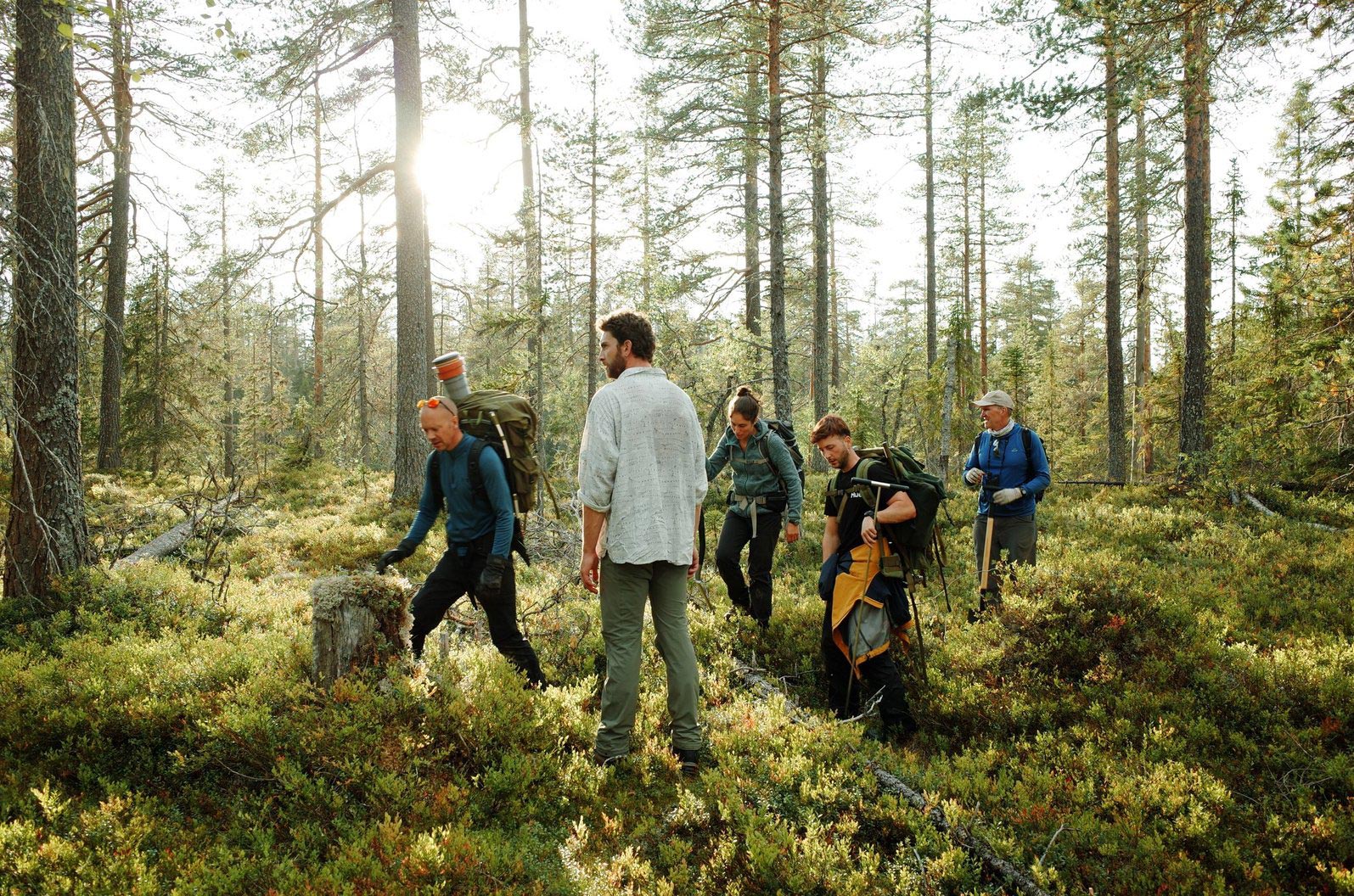
The team measured carbon held in living vegetation, dead wood, soils, and even harvested wood products such as paper and construction materials. This broader accounting matters because some climate models assume that wood products can offset emissions, but the study suggests that those gains may not fully compensate for what is lost when primary forests are cleared.
The Carbon Gap Is Larger Than Expected
Sweden’s primary forests store about 72% more carbon than managed secondary forests when all carbon pools are included. That gap is between 2.7 and 8 times larger than earlier estimates used in global climate models.
Much of that hidden carbon lies underground. In some old-growth stands, the top meter (3.3 feet) of soil holds nearly two-thirds of the total carbon. By comparison, living trees account for a much smaller share. When forests are heavily managed, this soil carbon can be disrupted and released, and it may take centuries to rebuild.
Across Sweden, the difference adds up to an extra 9.9 kilograms of carbon per square meter (2.03 pounds per square foot) stored in primary forests. Scaled nationally, restoring managed forests to those levels could prevent billions of tons of carbon dioxide from entering the atmosphere, on the order of Sweden’s total historical fossil fuel emissions.
Why It Matters for Climate Strategy
These findings challenge a common assumption that managed forests and bioenergy systems can serve as straightforward climate solutions. If replacement forests store far less carbon than the ecosystems they replace, then the climate benefits of logging and replanting may be overstated.
The results also highlight how easily boreal forest loss can go unnoticed. Unlike tropical deforestation, which often replaces dense rainforest with clearly different land uses, managed boreal forests can look similar to natural ones from above. Beneath the surface, however, their carbon dynamics are very different.
At the same time, scientists caution that Sweden represents an intensively managed landscape, and results may vary across other boreal regions such as Canada or Russia.
Reference: “Higher carbon storage in primary than secondary boreal forests in Sweden” by Didac Pascual, Gustaf Hugelius, Josep G. Canadell, Jennifer Harden, Robert B. Jackson, Katerina Georgiou, Anders Jonshagen, Johan Lindström, Karl Ljung, Emily Register, Camille Volle, Johanna Asch, Ulrika Ervander, Geerte Fälthammar De Jong, Jia Sun and Anders Ahlström, 19 March 2026, Science.
DOI: 10.1126/science.adz8554
Never miss a breakthrough: Join the SciTechDaily newsletter.
Follow us on Google and Google News.