
On April 2, World Autism Awareness Day, the message globally is one of inclusion, understanding, and equal opportunity. In Greece, however, the reality tells a more troubling story—particularly in the field of education, where meaningful support for children with autism remains elusive.
A critical issue continues to linger unresolved: the establishment of a dedicated special secondary school—specifically a Special Vocational Education and Training Workshop (ΕΕΕΚ)—for students with autism and intellectual disabilities in Athens.
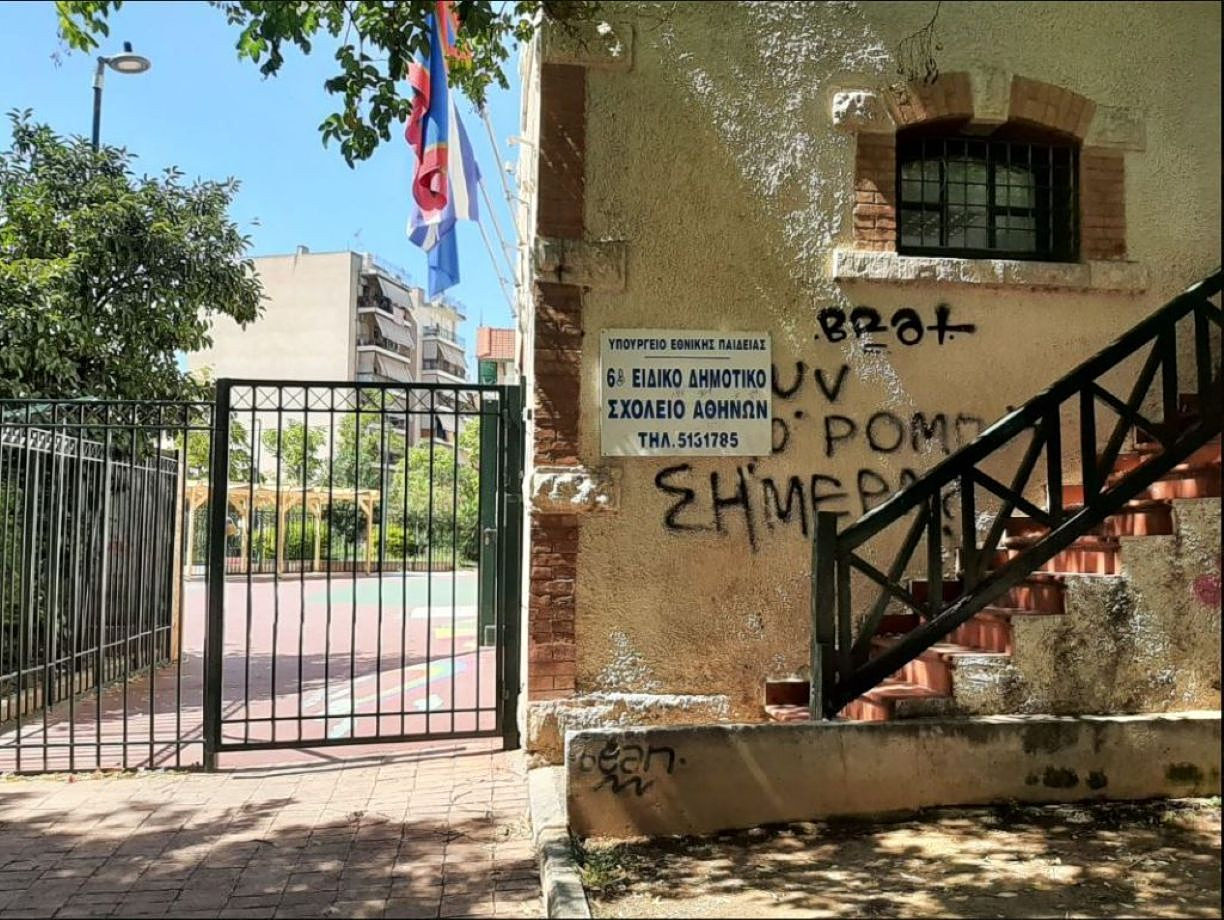
Despite a decision taken nearly seven years ago to build the first such school within the administrative boundaries of the Municipality of Athens, the project remains stalled on paper. In practical terms, the Greek capital still lacks a secondary school equipped to serve children with severe disabilities.
As a result, students who complete primary education face exhausting daily commutes, often traveling long distances to attend special schools in other municipalities such as Agios Dimitrios, Egaleo, and Nea Ionia. For families, this is not merely an inconvenience—it is a persistent burden that underscores systemic neglect.
The matter resurfaced once again during Wednesday’s session of the Athens City Council. Deputy Mayor for Education, Thomas Georgiadis, noted that the municipality is in ongoing discussions with Regional Deputy Governor for Education, Errika Prezerakou, in an effort to secure funding—either from the Region of Attica or the state budget—to proceed with construction on a designated plot in Ampelokipoi.
Meanwhile, frustration among parents continues to mount. Determined to make their voices heard, they have organized a protest outside the Greek Parliament at 10 a.m. on Thursday. Their demand is clear: access to dignified, inclusive education for their children—not in rhetoric, but in action.
“We will stand together to claim our children’s right to education with dignity, without exclusion. With actions, not words,” they emphasize.
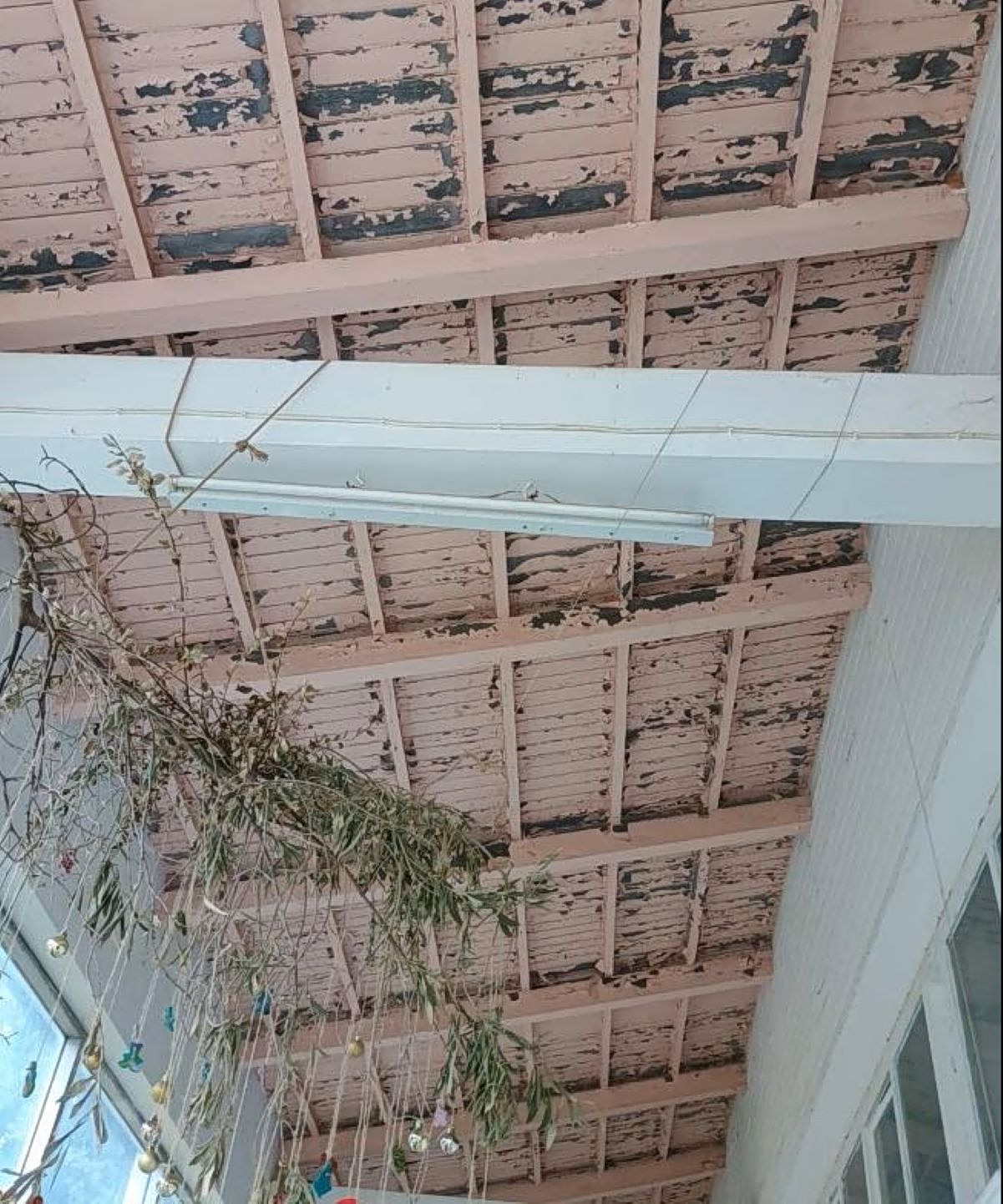
Ceiling of a Classroom at the Kaisariani Special Primary School
Dimitra Katsimani, mother of a boy attending the 6th Special Primary School in Sepolia, describes the responses from authorities as deeply discouraging. She points to a complete lack of funding for initiating construction, as well as the absence of any suitable building that could serve as a temporary solution.
“Under these circumstances,” she notes, “we are compelled to intensify our efforts—to be heard not only at the municipal level, but also by the Ministry and all those who must finally provide a solution.”
According to her, around 200 children with disabilities living within the Municipality of Athens are effectively “schoolless.” Families are forced to send their children to overcrowded special schools in neighboring areas, many of which operate at more than double capacity and under unsuitable conditions. Some have even begun turning students away due to lack of space.
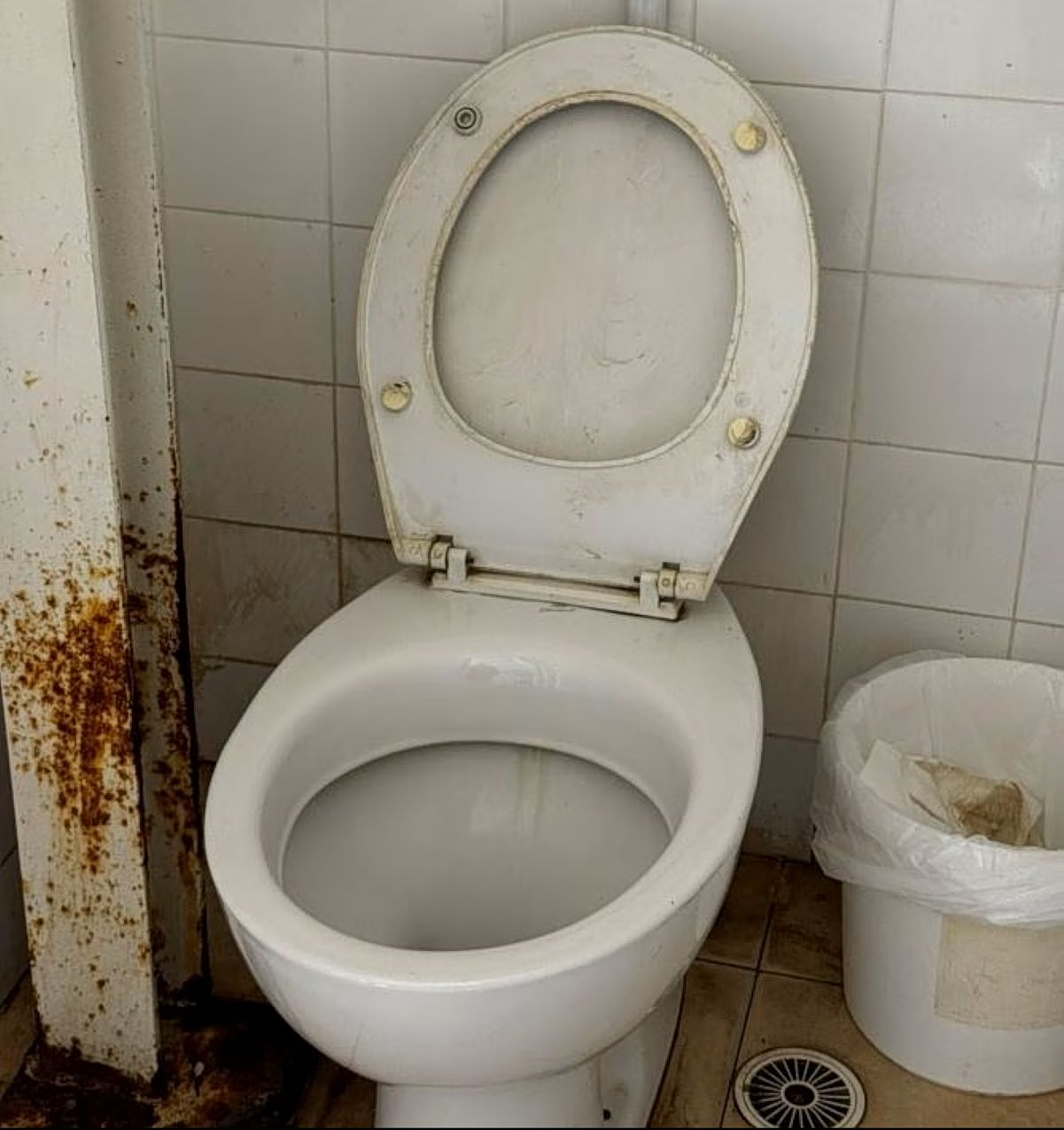
At the same time, concerns are mounting over the condition of existing facilities. The “Rosa Imvrioti” special primary school in Kaisariani has been deemed unfit, with significant structural damage, inadequate sanitation facilities, and exposed surfaces—hazards that pose particular risks for children on the autism spectrum with complex developmental needs.
On a day meant to highlight awareness and inclusion, these realities raisε urgent questions about political will—and the gap between commitment and action.