
Finance Minister Ahmed Kouchouk said the government is working to reduce budget sector debt and the overall deficit, while maintaining a primary surplus to lower debt servicing costs and create greater fiscal space for spending on human development and social protection.
He added that efforts are underway to diversify financing sources, instruments and markets, with a particular focus on development financing and the domestic market, alongside a gradual reduction in reliance on commercial borrowing.
Kouchouk said the government aims for the 2026/2027 fiscal year budget to be both balanced and flexible, incorporating sufficient reserves to absorb potential risks.
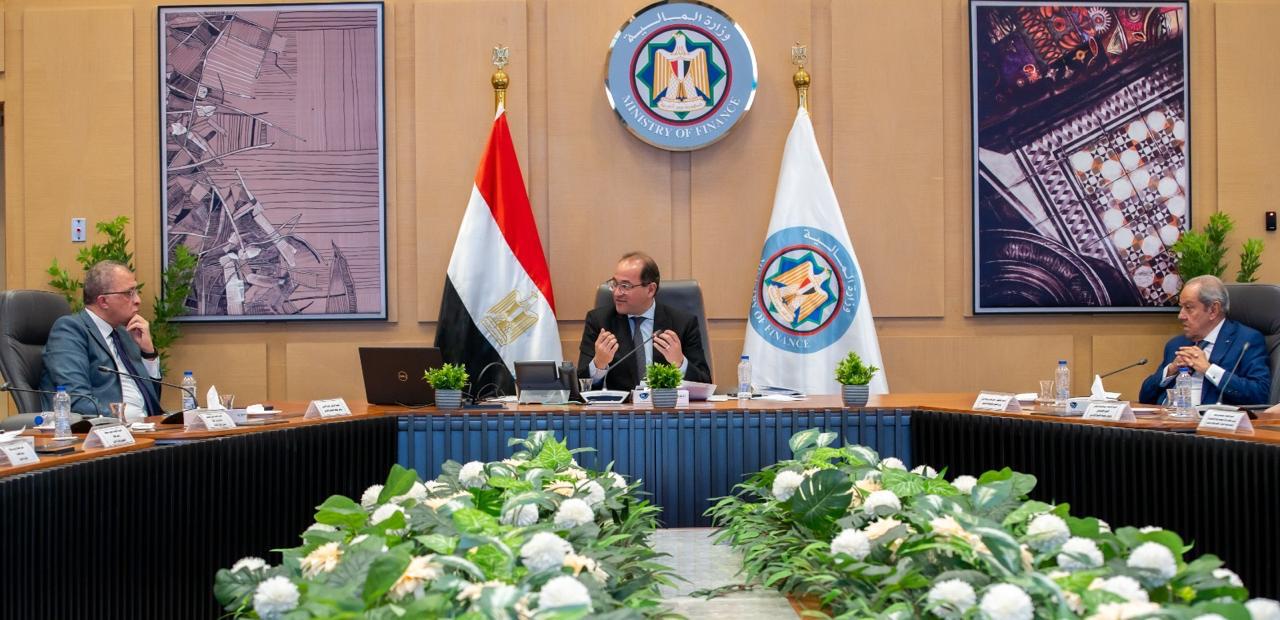
Speaking during an open discussion with a group of intellectuals and economic experts, he said: “I am pleased with the level of dialogue with thinkers, experts and citizens. We remain open to all perspectives and will seek to benefit from proposals and recommendations wherever possible. While views may differ on how best to address crises, we are committed to continuous evaluation and course correction when needed.”
The minister noted that the budget has been built on a set of assumptions, determinants and priorities, with multiple alternative scenarios prepared to ensure efficient public financial management. He added that targeted measures and allocations are being introduced to enhance the balance and impact of the budget, as the government seeks to stimulate growth and development, reflected in improved services for citizens and investors. He also highlighted efforts to capitalise on emerging investment opportunities and accelerate the transition to new and renewable energy.
Kouchouk reaffirmed the government’s commitment to expenditure rationalisation, alongside plans to increase allocations for selected entities to enhance their responsiveness to exceptional circumstances. He also stressed the importance of securing essential goods for citizens and ensuring the availability of production inputs for investors.
He said the budget figures reflect fiscal policy priorities that serve both the economy and society, noting the government’s intention to strengthen partnerships with the business community and attract 100,000 new taxpayers into the formal system on a voluntary basis. This comes alongside continued efforts to support citizens, stimulate economic activity and maintain financial stability.
Kouchouk added that the government is working to improve indicators related to public debt and debt servicing, while creating additional fiscal space for priority spending. He said the new budget will include a 30% increase in allocations for the health sector and a 20% increase for education, aimed at enhancing the quality of public services.
He also noted that allocations for subsidies, social protection and essential services will rise to help ease pressures on low- and middle-income groups. A significant share of treasury-funded investments will be directed towards accelerating the “Decent Life” initiative and expanding the comprehensive health insurance system.
The minister confirmed that the government will continue initiatives to stimulate tourism, production, manufacturing and exports, while working to boost both tax and non-tax revenues and expand the role of the private sector across economic activities.
He said that broadening the tax base would enable more effective spending on services for citizens and investors. He added that the second package of tax facilitation measures is being implemented with strong engagement and positive feedback from the business community following the success of the first package.
Kouchouk explained that the second package includes 33 legislative and executive measures aimed at providing incentives, exemptions and facilitation for compliant taxpayers. These include eliminating double taxation on dividend distributions between parent and subsidiary companies, and introducing a stamp duty in place of capital gains tax to encourage institutional investment in the Egyptian Exchange. The package also offers tax incentives to support the listing of large and influential companies for a period of three years.
He stressed the government’s commitment to improving the tax environment and shifting towards a more service-oriented approach. For the first time, the Tax Authority has delegated e-Tax to provide advanced tax services, including the establishment of specialised tax service centres for taxpayers and assessees, starting in New Cairo, Sheikh Zayed and New Alamein.
He also said a mobile application will be launched for real estate transactions, enabling easier notification and payment of due taxes. Individuals will be exempt from real estate transaction tax when selling property to first-degree relatives, he added.