
On July 15, 2007, the New York Times published an article titled “The richest of the rich, proud of a new Gilded Age.” The article was centered on a profile of Sanford Weill, CEO of Citigroup, who, like others in the financial industry, believed that they were leading America into a new era of prosperity — justifying their immense wealth — and that the government should scrap regulations that were getting in the way of financial innovation.
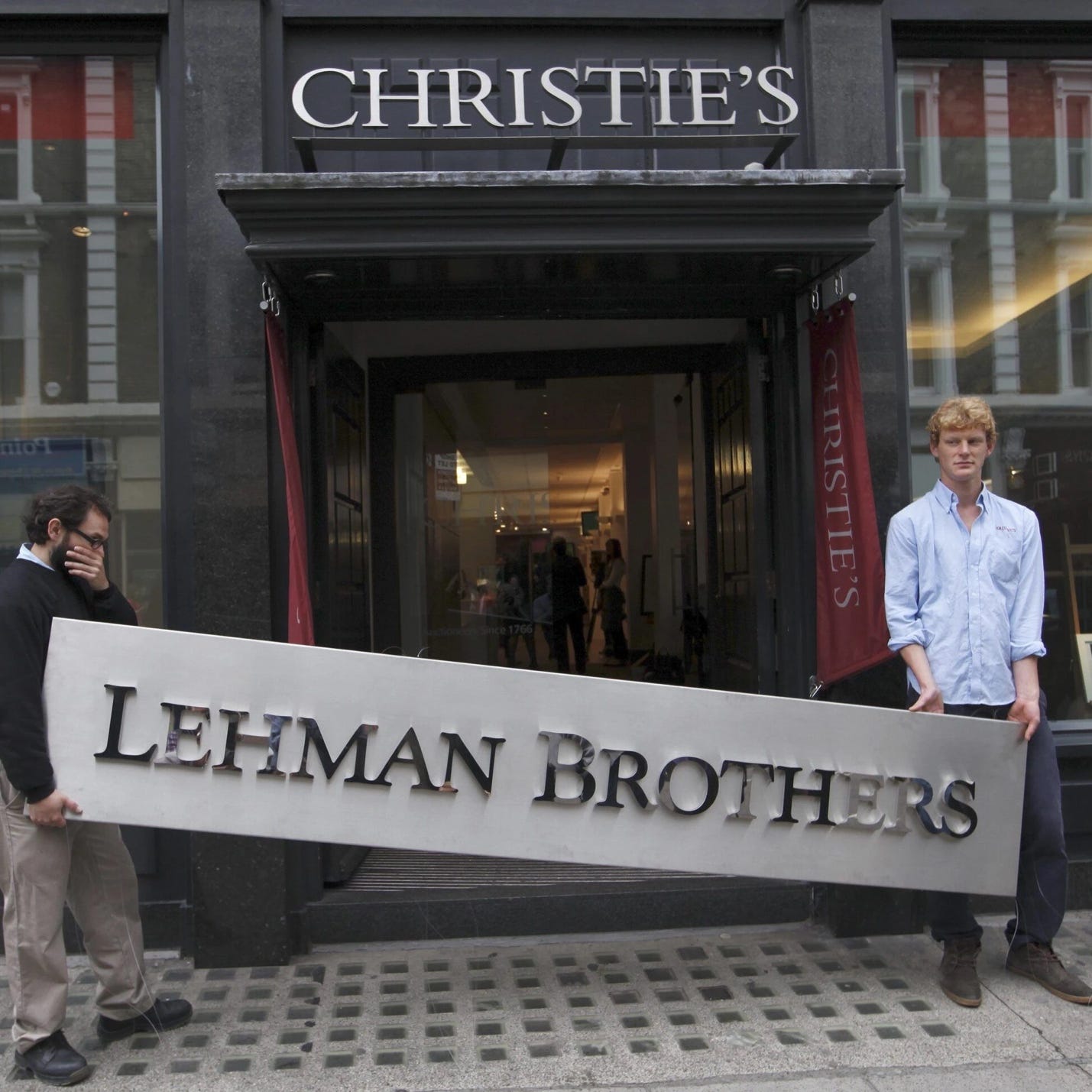
Exactly one year and two months later, Lehman Brothers failed, plunging the world into the worst financial crisis it had seen in more than 70 years. Many of the innovations of which Weill and others were so proud had, it turned out, created a system of poorly regulated financial institutions — so called “shadow banks” — that were exposed to a 21st-century version of the vast wave of bank runs in 1930 and 1931 that turned an ordinary recession into the Great Depression.
But the 2008 crisis was 17 years ago, and political support for the precautions introduced after 2008 has waned. The Treasury Department is moving to gut the Office of Financial Research, which monitors risks of financial crisis. There is once again a push to deregulate, to embrace financial innovations like crypto that arguably recreate the risks that brought the world economy to its knees in 2008. Shadow banking has had a major revival; by some measures, as I’ll explain, shadow banks are bigger relative to the financial system as they were when Lehman collapsed. And it’s only reasonable to worry about the possibility of a new financial crisis.
At the moment these worries are centered on private credit — lending by institutions that, unlike banks, are effectively shielded from public disclosure and regulation. What’s actually on their books?
After two lenders went bust last fall, Jamie Dimon, CEO of JPMorgan Chase, made waves with his comment that “When you see one cockroach, there are probably more.”
The good news is that providers of private credit aren’t banks, so that even if they turn out to have a lot of junk on their books it probably won’t have as much negative impact as bank losses in 1930 or shadow bank losses in 2008. But these companies aren’t exactly not banks either. And the rise of private credit is part of a broader growth in weakly regulated financial institutions that is making all of us who remember 2008 increasingly nervous.
So, today’s primer will be about private credit and the broader re-risking of the financial system. Beyond the paywall I will address the following:
1. How financial crises happen
2. The growth of private credit and other “non-bank financial intermediaries”
3. The risks from private credit
4. The big picture: Is it 2008 again?