
The MacBook Neo is a massive success for Apple, with high demand prompting talks between Apple and the supply chain about making more units, and how to solve a possible A18 Pro stock problem.
After a welcoming launch, the MacBook Neo has been recognized by Apple as a hit product. So much of a hit that CEO Tim Cook said that Mac had the best launch week ever for first-time Mac customers, with the MacBook Neo contributing to that success.
However, while an underperforming product introduces some supply chain problems, a high-selling one brings its own issues to the table. Something that Apple is trying to deal with.
Apple is now talking to its supply chain partners due to the high sales of the MacBook Neo, reports Culpium on Tuesday. The talks are apparently to determine whether to increase the production of components so that more of the notebook can be made, or to just use the existing inventory.
The initial plan was to make between 5 million to 6 million units of MacBook Neo. Suppliers are uncertain about whether production needs to expand further.
Chip count
Referencing Ben Thompson of Stratechery, the problem is the use of the A18 Pro chip in the MacBook Neo. The chip helps reduce the overall cost of the notebook, but it adds in a massive wrinkle to production.
The key to the issue is that Apple didn’t manufacture new A18 Pro chips specifically for the MacBook Neo. Really, they’re left-over chips from the production of the iPhone 16 Pro.
They’re also chip-binned versions, as in they have one fewer GPU core in the MacBook Neo than the iPhone version. This is usually sourced from chips that have faulty cores, with chip-binning making them useful again, albeit in a lesser capacity.
Since Apple was using spare chips that was either left over from the iPhone 16 Pro production line or were faulty and unusable without chip-binning, they were effectively free. It recycled already-produced chips instead of requiring new chips to be made, making them extremely cheap to use in the MacBook Neo.
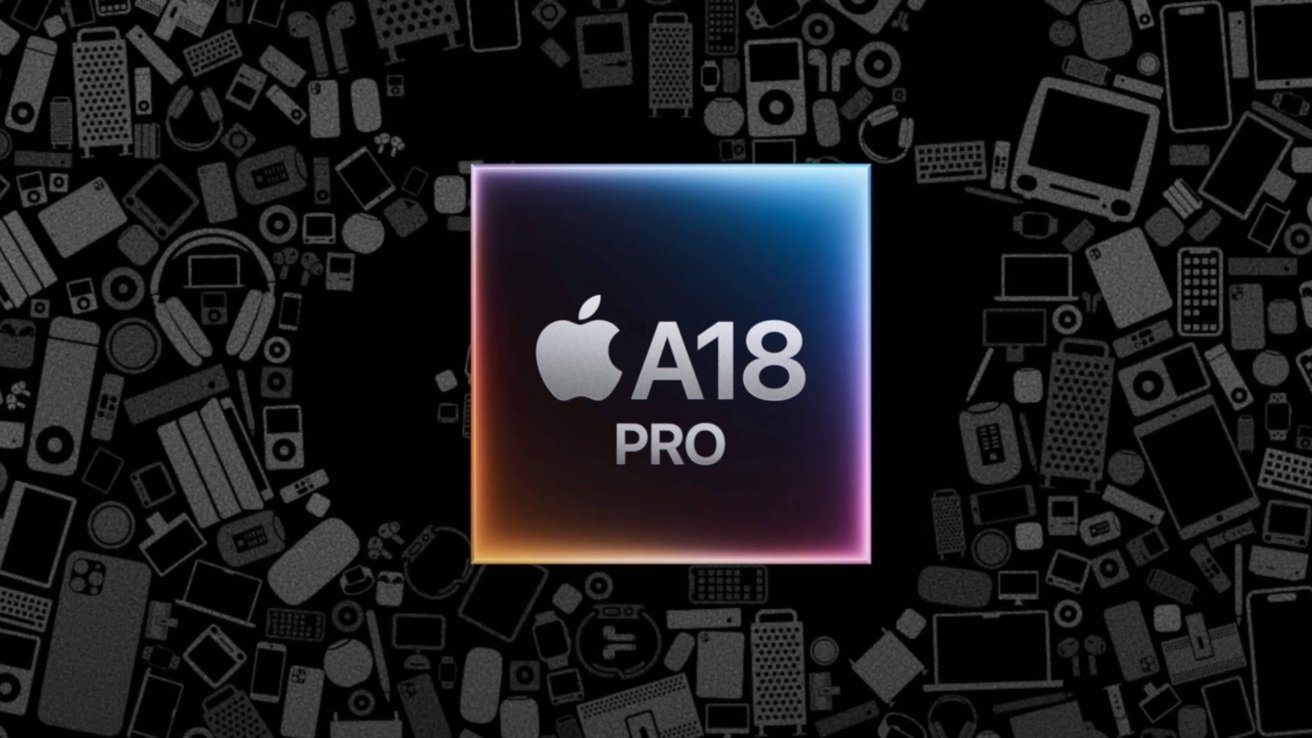
The MacBook Neo uses a chip-binned A18 Pro
The recycling effort was apparently something Apple wanted to continue in the future, with a 2027 edition of MacBook Neo using binned A19 Pro chips from the iPhone 17 Pro.
The big problem is that the supply of the binned A18 Pro chips is limited, since they had already been produced and no more are on the way. Capacity for TSMC’s 3-nanometer process, used for the chip, is also effectively sold out, making it hard to produce more in a very short timeframe, if Apple went down that route.
If it could convince TSMC, the order will result in between 2.3 million to 7 million dies, which is a relatively short run to Apple. The cost would also be relatively high per chip compared to a normal, much larger order.
That could end up forcing Apple into raising prices to compensate, which would be difficult to justify for a budget notebook. Apple could feasibly do things like eliminate the lower-capacity model to reduce the shrunken margin, bring out an “ultra” version with no binned GPU cores, or shut off a GPU core in software for a non-binned A18 Pro chip, but they will all be risky moves.
A questionable issue
The idea is based on Apple using leftover and rejected chips from the production of the iPhone 16 Pro and iPhone 16 Pro Max. With Apple selling hundreds of millions of iPhones each year, having a stockpile of such chips that measures little over 6 million units seems a bit low.
Even if you take into account Apple’s tight production line checks and yield demands, that figure still doesn’t quite match up to expectations. Double-digit millions are more likely to be the case.
That said, not every rejected chip will be usable for chip-binning. Some will be, while others may have faults that go below what Apple wants for the MacBook Neo.
Then there’s any leftover chips from iPhone 16 Pro production that didn’t make it into finished devices. Again, this can be a sizable number, especially when combined with rejuvenated faulty chips.
Of course, no-one outside of Apple and the supply chain truly knows how many MacBook Neo orders there were originally, nor how many could be made.
If the report is true, it will be interesting to see how Apple handles the Neo line if it really does run out of chips. We’re certain that there won’t be a public announcement about it, though.