

Some of the incredible archaeological sites in Greece, places that have witnessed the rise and fall of empires and once echoed with the footsteps of great Greek philosophers, may not survive this century intact, as climate change continues to severely affect them—some even at risk of being swallowed by the sea.
Forget enemy’s armies and invasions. The big threat now is much different: It’s the crazy weather, the rising seas, the soaring temperatures. Indeed, it’s climate change and the devastating consequences it brings with it. Seeing these wonders isn’t just about ticking off a travel list anymore; it feels more like we’re in a race against time.
Delos archaeological site in danger due to rising sea levels

Think about Delos. This isn’t just any Greek island; it’s the mythical birthplace of Apollo and Artemis, a place once so holy and important to ancient Greeks you couldn’t even fathom it being lost for ever.
Delos became this bustling international port, where ships were docking from all over the known world. Now, the very Aegean Sea that brought it wealth is threatening to swallow it. Scientists are warning that sea levels could jump by over a meter by 2100. Imagine the famous Sanctuary of Apollo, the old harbor, just vanishing beneath the crashing waves of the Mediterranean. Maybe future tours will involve underwater equipment? It sounds like a dark joke, but it’s frighteningly real.
Corfu old town
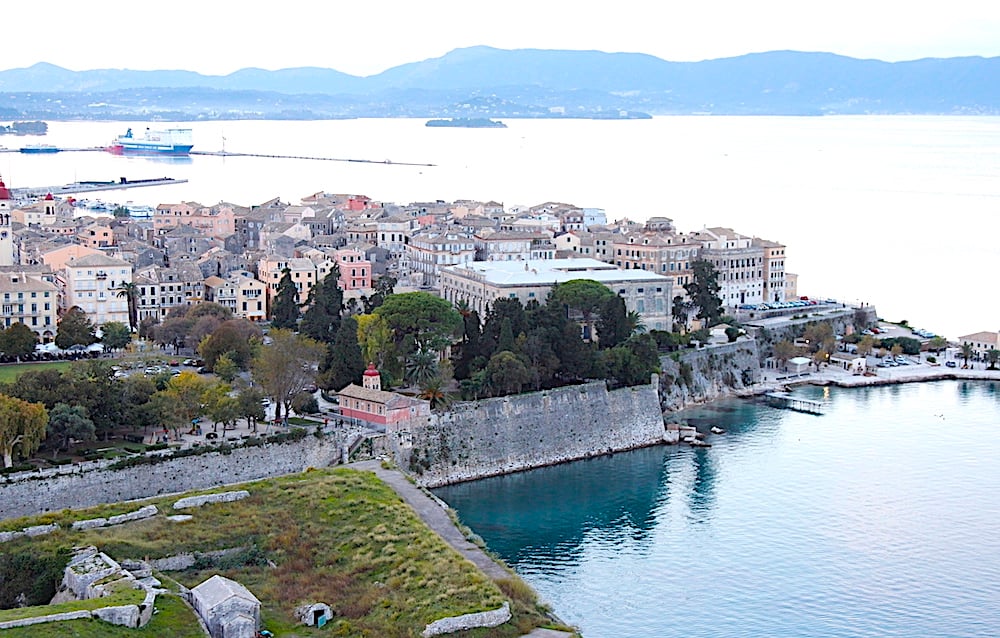
Then, on the western side of Greece, there is Corfu’s gorgeous Old Town, a UNESCO site wrapped in Venetian fortresses built to fend off attacks from the sea. Now, the threat is not coming from the water itself, but from below.
Rising seas are proving to be very bad for the foundations of the Old Fortress. The rising sea levels are even soaking coastal bits like Spilia. The Intergovernmental Panel on Climate Change has made several sea-level rise projections for the Mediterranean, which will affect Corfu as well. On top of that, the higher levels of humidity, salty air and wild temperature swings – all exacerbated by climate change – are literally eating away the old stone buildings. The irony is almost painful: walls built to defeat naval powers and invaders are being crumbled by the sea itself.
Fire and drought in Messene
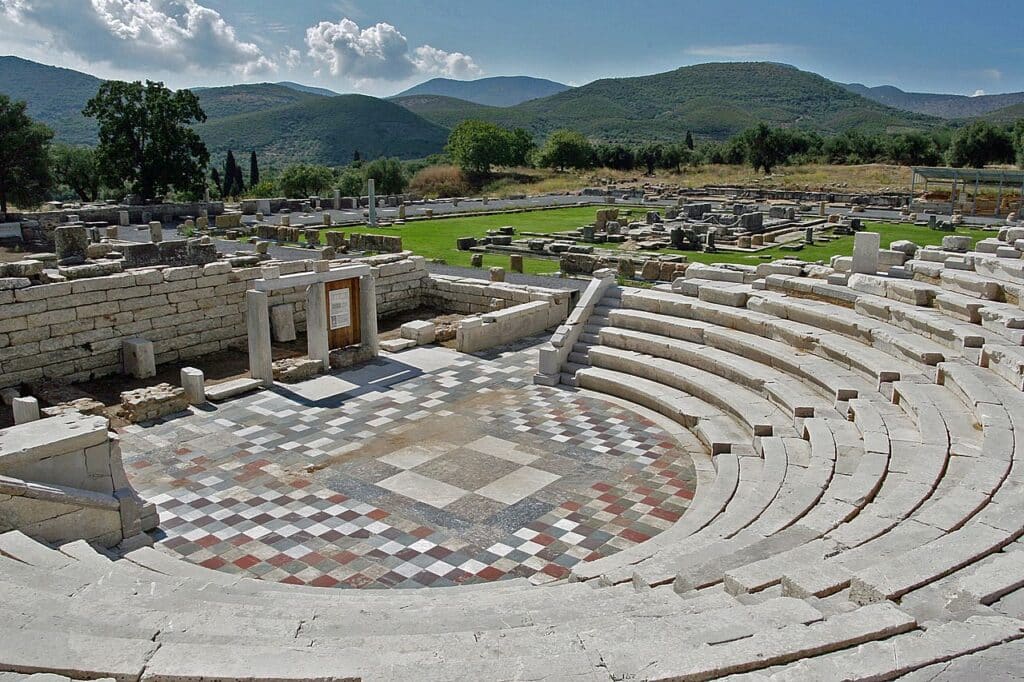
It’s not just the coastal archaeological and cultural sites of Greece feeling the pressure. Ancient Messene in the Peloponnese is one of the best-preserved ancient cities you can see – stadium, marketplace, temples, streets and so much more. It was a huge symbol of freedom, founded after the Messenians were finally freed from Spartan rule.
But now, this tough city faces a difficult situation: constant heatwaves and long, drawn-out droughts. Experts see a bigger risk of terrible wildfires (something Messene has faced before) and the land slowly turning to desert. Weirdly, this dryness also makes floods more likely when the rain does finally hit hard in the autumn and winter months, because the dry ground can’t soak it up – another signature of our changing climate. The very ground that supported this city is becoming hostile, threatening to wipe its story away.
The Acropolis in danger?

Climate change can even affect the heart of Athens and more importantly the Acropolis. Its ancient marble monuments face accelerated erosion due to factors like acid rain and more intense rainfall that affects Athens following extended periods of drought. Extreme weather fluctuations, shifting between severe drought and heavy downpours, destabilize the structures and surrounding walls too.
Christos Zerefos, an Academy of Athens professor, stated recently that extreme weather events are occurring more frequently, and the rapid transitions between floods and droughts are causing instability to monuments.
Additionally, the increasingly frequent and severe heatwaves make the Greek authorities close the site for visitors more often, impacting tourism but also put physical stress on the ancient materials, while the growing risk of wildfires poses a direct danger to this invaluable world heritage sitedue to the worsening air quality of the Greek capital.
Thessaloniki’s landmark
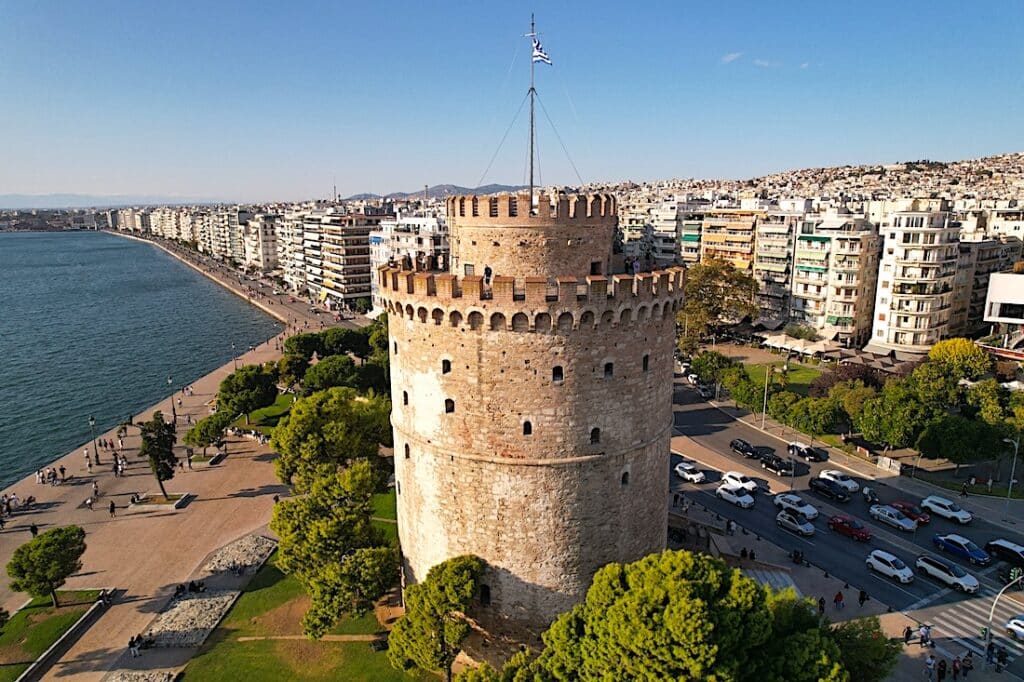
The White Tower of Thessaloniki, situated right on the city’s waterfront only a few meters from the sea, faces significant threats from climate change, primarily due to its coastal location. Rising sea levels increase the risk of flooding around its base and expose the structure to more damaging saltwater intrusion, which can accelerate the corrosion and cracking of its centuries-old materials. Additionally, more extreme weather patterns, such as intense heatwaves and heavy rainfall, can further stress the monument’s foundations and structure, making it more vulnerable to earthquakes.
The White Tower of Thessaloniki might not disappear completely in the next decades, but climate change makes the monument much more susceptible to dangers.
Not just archaeological sites face dangers in Greece
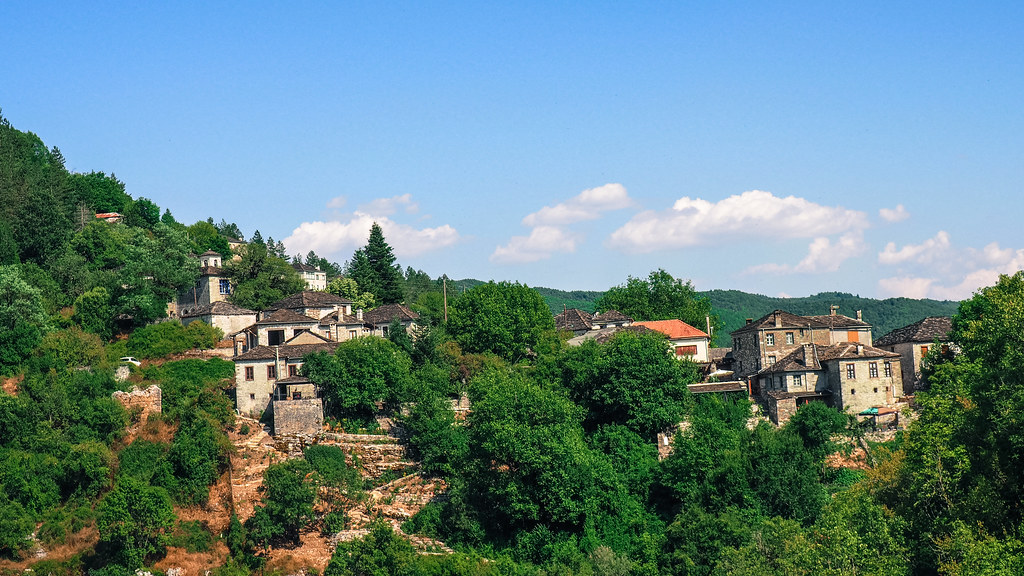
The traditional settlements of Tsepelovo, Papigo and Dilofo in Zagori also face significant environmental threats, despite them not being archaeological sites. These picturesque destinations in Greece’s Epirus region in the north west attract thousands of visitors every year.
More intense and frequent rainfall, however, increases the danger of subsidence, weathering, landslides and surface erosion. Additionally, gradual shifts in plant climate zones and the expansion of invasive species are directly altering the landscape and disrupting its ecological balance, weakening the region’s natural ability to withstand extreme weather events.
These issues might sound distant from one’s everyday problems, however, they can steadily alter and compromise the nature of these landscapes and their settlements.
Losing these sites isn’t just about missing out on tourist spots that you can substitute with others, even though tourism is vital for Greece. These places are physical links to the philosophies, the history, the breakthroughs that basically shaped Western culture and make Greece the country we know today. They’re part of modern Greek identity and their compromise would be devastating for the notion of being a Greek. Saving these irreplaceable treasures needs urgent, smart conservation and that job is being made way harder and far more expensive as the climate crisis speeds up.