
The ongoing RAM crisis and global supply chain woes have meant the PC industry is taking it from all sides. Framework, the maker of ultra-customizable and repairable laptops, has come out and said what many PC owners have feared.
“The computer in the cloud has increasingly greater economic output than the computer in the hand,” said Framework founder and CEO Nirav Patel in a blog post. “This means that to the extent that there are constraints on the supply that feeds both, the cloud will win every time.”
And here’s the kicker: “What does this all mean? The industry is asking you to own nothing and be happy.” Gizmodo has previously reported that execs in companies like Lenovo imagine the future may be “hybrid,” where there could be far more reliance on cloud computing to counteract skyrocketing PC prices. Personal computing evangelists like Patel fear a cloud-centric future will inevitably force users into ever-more expensive Netflix-like subscriptions.
Over the last few months, Framework routinely issued price increases for its RAM and storage components. Most recently, in April, the repairable laptop maker said it was hiking costs of SSDs of 4TB or higher. The price of prebuilt configurations of the Framework Laptop 16 with 64GB of DDR5 RAM also went up. Framework, like other computing companies that sell more customizable components, has been far more vocal about the impact the RAM crisis has had on business.
PC makers are all feeling the heat
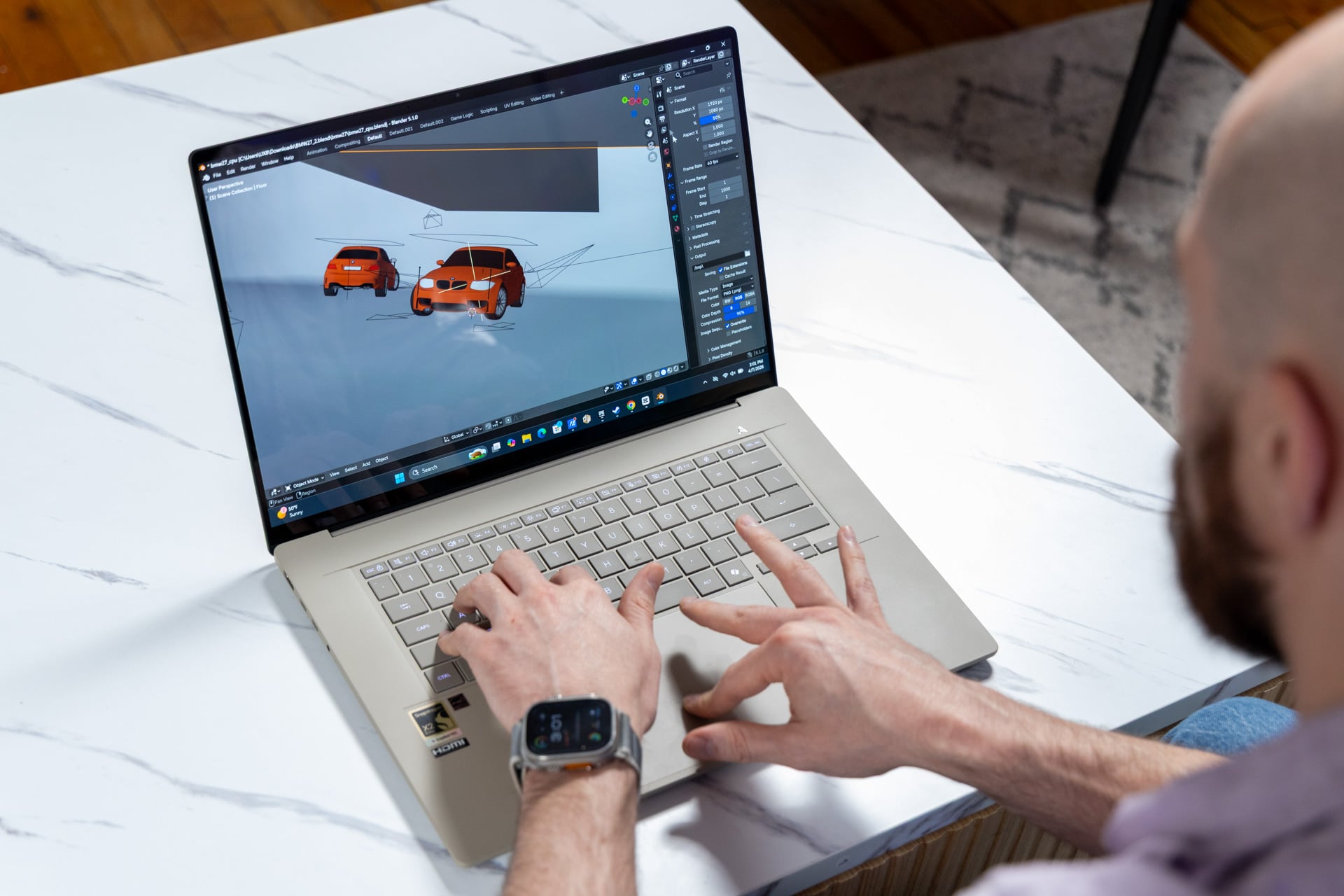
The entire PC industry is growing, but analysts fear that could change. In its latest PC shipments report, market analysis firm IDC stated that the entire industry is in flux. IDC’s report said that the industry was growing well in the first quarter of 2026. That same growth took a nosedive in the last few months due to “the component shortages and deteriorating economic conditions.” Many companies, save for HP, saw strong growth year-over-year, but IDC hinted that may change.
The current war in Iran is doing further damage to PC makers’ prospects, according to IDC senior research analyst Isaac Ngatia. The strain on global logistics is “trickling down the value chain, intensifying the pricing pressure of PCs on the end-users.” We can see this effect in real time. On Tuesday, Asus launched its Zenbook A16 laptop with a reasonable price of $1,600. By that same afternoon, the company adjusted the price to $1,700. In an email explaining the change, Asus blamed “an error” from retailer Best Buy.
Framework is using doom and gloom to promote products
Framework’s Patel is giving voice to a sentiment growing among PC circles. AI datacenter projects have created a massive demand for HBM (high-bandwidth memory). The three largest semiconductor companies that make RAM—namely Samsung, SK Hynix, and Micron—have all tuned their businesses to supplying the AI industry rather than consumer or commercial electronics. Over the past six months, the cost of consumer-end DRAM and NAND flash storage has become increasingly untenable. Prices of many components, from RAM to SSDs to GPUs, have skyrocketed many times over.
“Computers are no longer a bicycle for the mind,” Patel continued, quoting a famous line by Steve Jobs. “They are becoming the self-driving car that takes you directly to the destination.”
Patel isn’t just writing this to lament the state of the industry. He’s attempting to use that sense of doom and gloom to promote an upcoming product announcement slated for April 21. In a teaser video, Framework keeps showing off penguin-laden icons, hinting at some sort of Linux connection. Framework’s current computers, like its Framework Desktop, Framework Laptop 13, and Framework Laptop 16, are all built so you can install Linux yourself or else purchase a Windows 11 license.
The next Framework computer may save on costs by relying on the open-source Linux operating system. But really, Patel is hoping the dedicated PC buyers will be willing to spend more for the sake of ownership. Either way, PCs are becoming more of a luxury.