
When Nancy Guthrie, mother of NBC’s “Today” show co-anchor Savannah Guthrie, was kidnapped from her Tucson, Arizona, home on Feb. 1, investigators turned to the tools of forensic science—fingerprints, DNA and digital evidence from her cell phone and Ring doorbell camera.
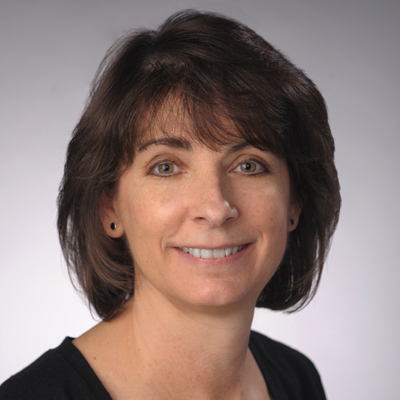
More than two months later, the case remains unsolved, but it has put a spotlight on the pivotal role forensic science plays in active investigations, says Kathy Corrado, executive director of the Forensic and National Security Sciences Institute (FNSSI) in the College of Arts and Sciences.
“Everyone wants to be their own forensic scientist, but it’s a very difficult job,” says Corrado, who co-founded the Onondaga County Cold Case Task Force and was director of the Onondaga County Crime Laboratory for more than 20 years. “You’re looking at minutiae for a long time, and you don’t always get that exciting result, something that can help solve the case.”
In the highly technical, ever-evolving field of forensic science, here are five things you may not have known about the work.
1. You Can’t Rush Forensic Science
Thirty years ago, when Corrado first entered the field, she says most people didn’t know about forensic science until the rise of fictional TV shows like “Quincy,” “CSI” and “NCIS,” which brought widespread interest to the field.
Now, with more people listening to true crime podcasts and watching true crime shows, Corrado says the public can feel a misplaced sense of frustration when a case isn’t immediately solved.
“The public may wonder why it takes investigators so long to get back DNA tests or toxicology results, but these things take a while,” Corrado says. “There’s a lot of pressure on forensic scientists to get things done faster, but we need to work meticulously and document everything. The last thing you want to do is rush and make a mistake.”
2. New Advancements Help Solve Cold Cases
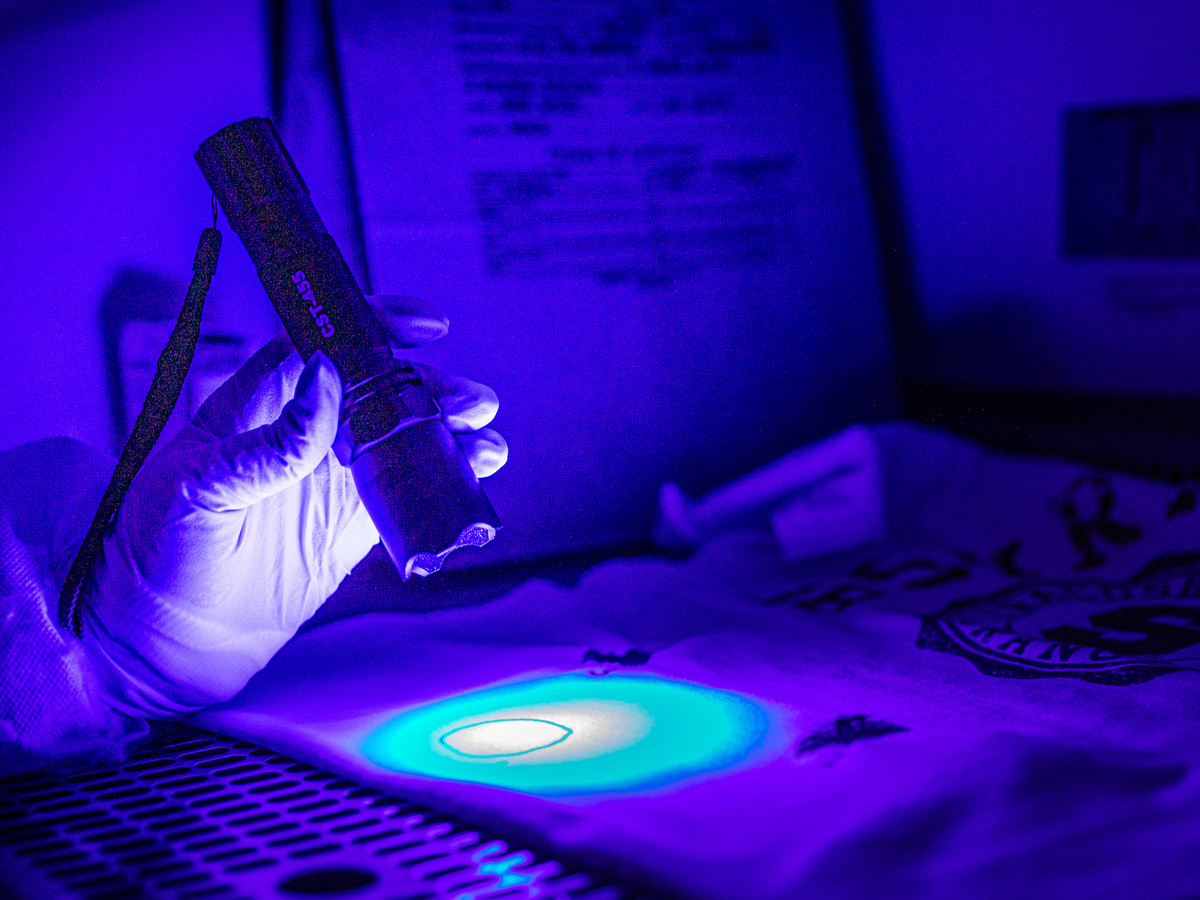
New technological advancements have allowed investigators to obtain a profile from a very small amount of DNA. Instead of relying on blood or saliva, Corrado says investigators can gather DNA from items of clothing worn by a suspect or through something they touched.
Corrado says forensic investigative genetic genealogy (FIGG) is taking on a larger role, comparing collected DNA samples with publicly available databases on genealogy websites. FIGG has helped crack such high-profile cold cases as the Golden State Killer attacks, and Corrado says FIGG can be used in active investigations like the Nancy Guthrie case.
“Law enforcement can search these commercially available genealogy databases to expand their search,” Corrado says. “Instead of just looking at convicted individuals in the CODIS national DNA database; we can also search anyone who has contributed DNA to the genealogy database. Once there is a close match in the database which could be a distant relative of the perpetrator, genealogists can build family trees using public records to narrow down a list of candidates. The technology has been a real game changer.”
3. It’s About More Than Connecting a Suspect to a Crime
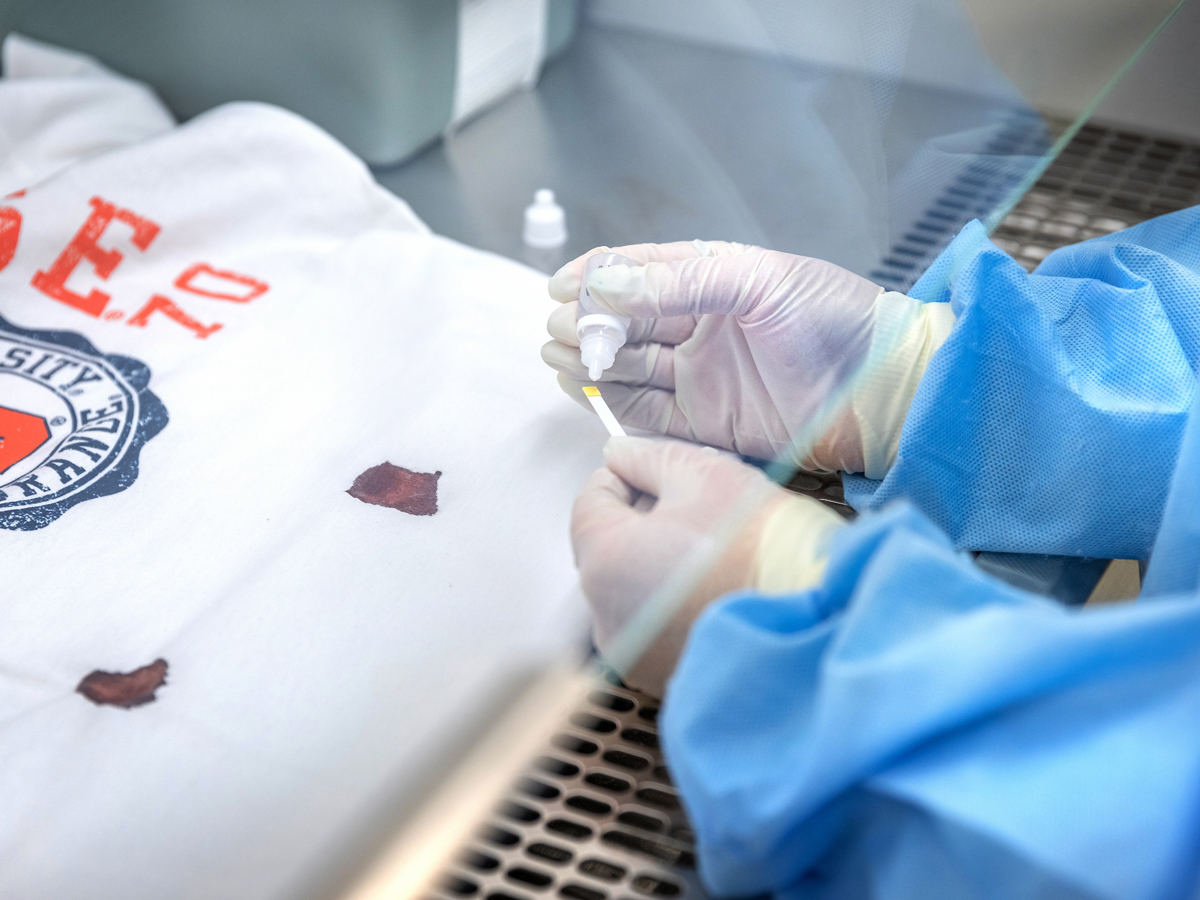
One of the most common misconceptions she encounters is that forensic scientists are only there to connect a suspect to a crime. Their job is to factually observe evidence, determine what it reveals and present findings to both sides in a criminal or civil case.
“It’s not our job to determine someone’s guilt or innocence,” Corrado says. “While a large amount of the work done by crime labs results in tying someone to the scene of a crime, many times the work we do excludes someone. It’s not just about tying people to a crime; it’s also helping to ensure that people aren’t wrongfully convicted.”
4. Classroom Experiences Range From Crime Scenes to the Courtroom
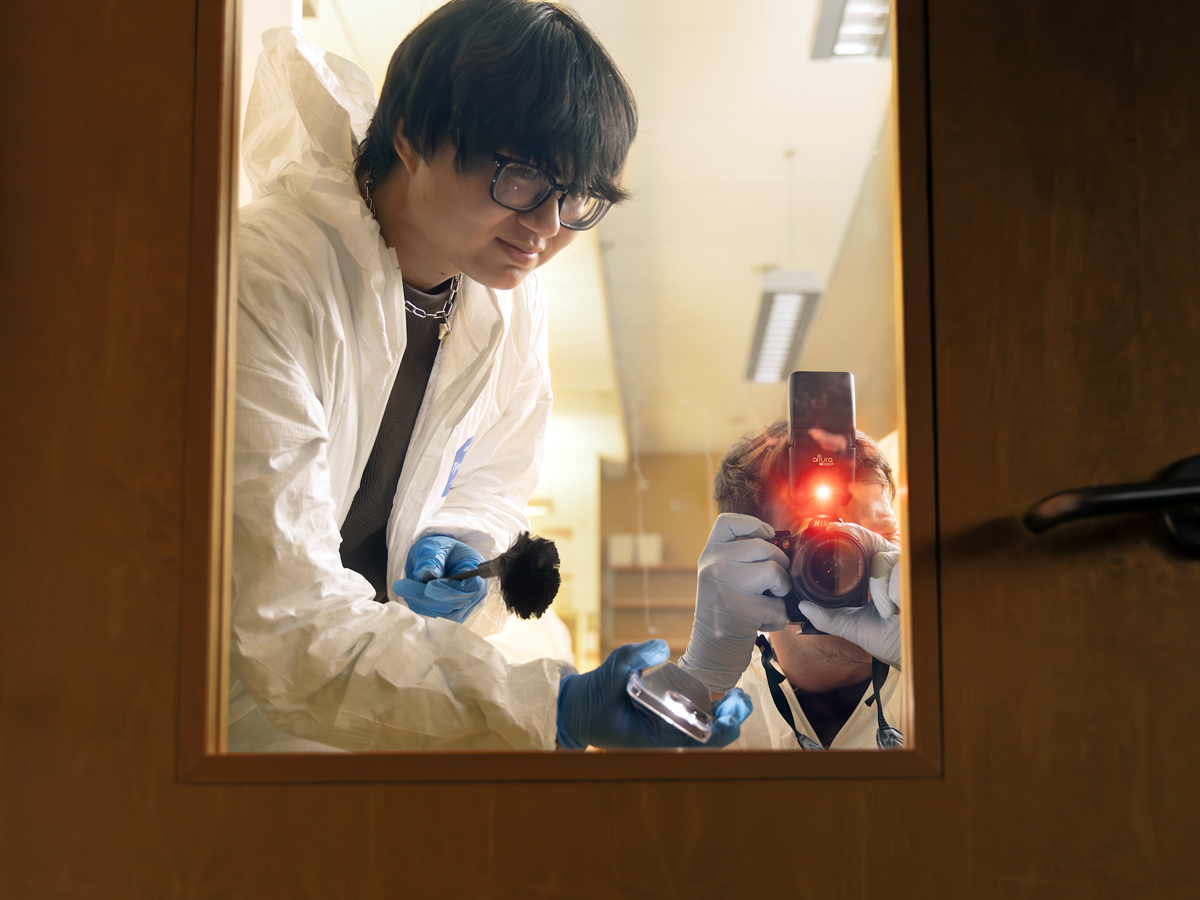
FNSSI courses include a crime scene analysis class, where students learn how to document potential sources of evidence, including crime scene photography. The class culminates with students examining a mock crime scene.
In the forensic DNA classes, students analyze biological evidence and identify different body fluids. Some courses provide students with experience testifying as a key witness in a mock trial before a prosecutor and defense attorney.
Students also explore the legal issues facing forensic scientists and learn how to maintain quality control when examining potential evidence.
“Forensic science changes rapidly,” Corrado says. “We give our students the foundational knowledge to understand what is going on now in the field, and then we tell them it’s on them to stay up to date on the latest trends by reading journal articles and attending conferences.”
5. Taught by Those Who Do the Work
Many of the full-time and adjunct faculty are either former forensic scientists or currently work as practitioners for agencies like the Onondaga County Center for Forensic Science, the New York State Police Department and the Monroe County Medical Examiner’s Office.
Other faculty members work with forensic science companies to conduct biological, human and microbial DNA and forensic chemistry research, creating an opportunity for students to learn the most current procedures and technologies while also making connections in the field.
Students are also encouraged to intern with a local crime lab, medical examiner’s office or a federal agency.
“Receiving that exposure to current technologies while making connections is the best way for students to ensure they’re staying current in the field. It can really help them with their future career,” Corrado says.
The FNSSI also collaborates with DNA analysts from crime labs and coroners from across the state, training practitioners on the latest technological advancements in the field.
“These agencies need help bringing new technologies into the field, someone to make sure it works before the crime labs start implementing it,” Corrado says. “We collaborate with these organizations to help further the progress of forensic science.”