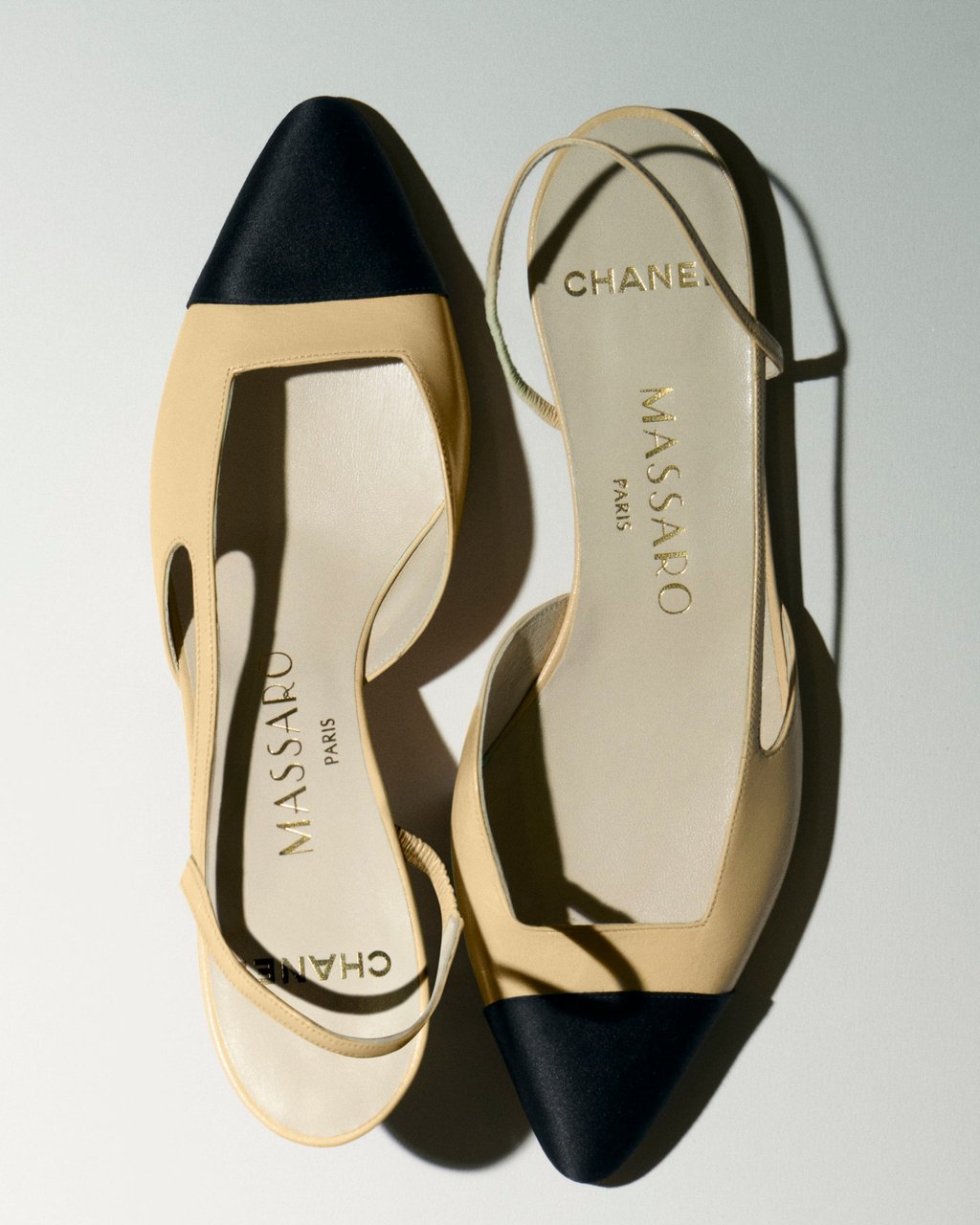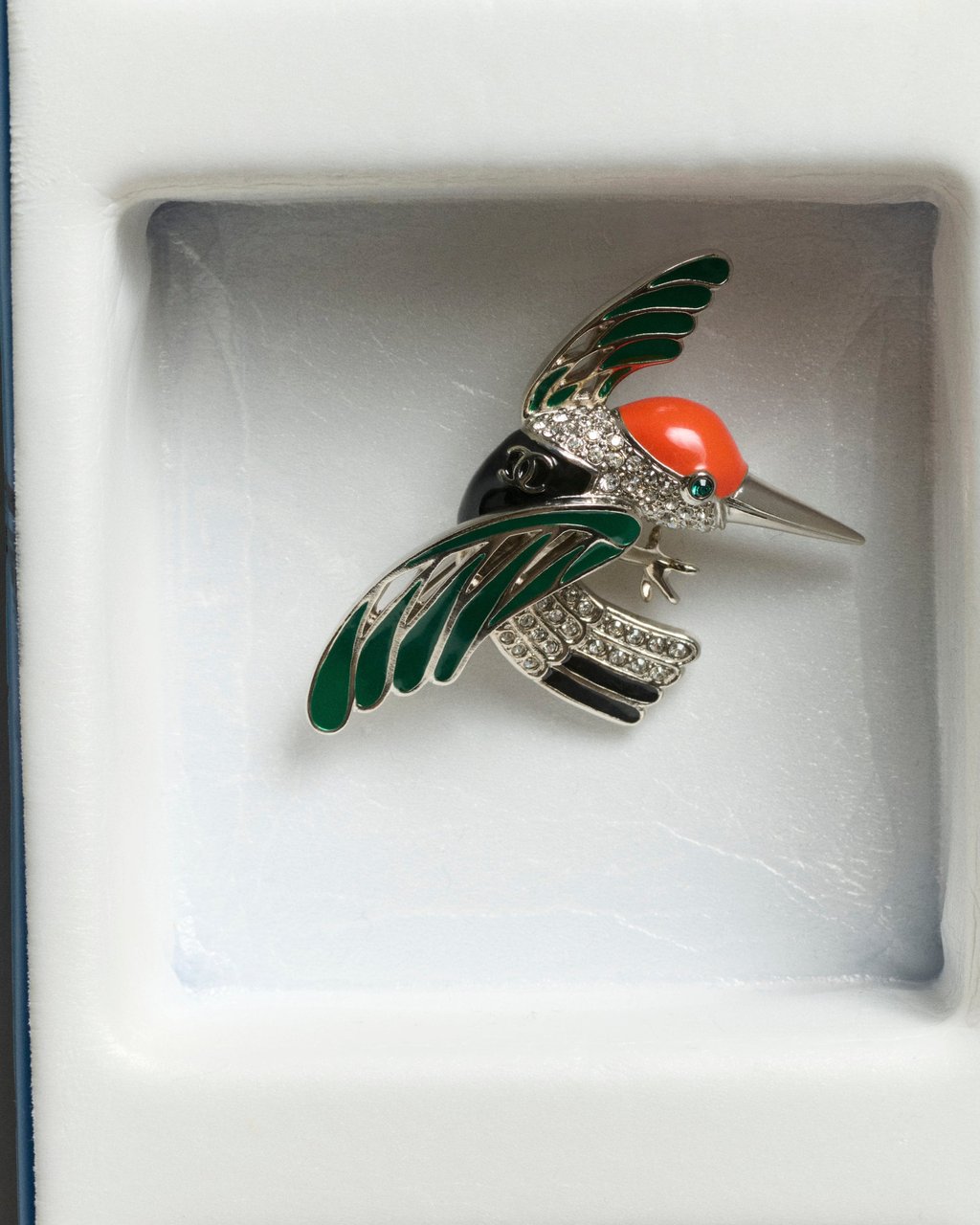
What began as a close collaboration between Chanel and a handful of specialist ateliers has grown into a network of around 60 “maisons d’art” and their factories across France, Italy, Spain and Scotland. The initiative encompasses more than 10,000 embroiderers, feather workers, goldsmiths, pleaters, shoemakers, milliners, glove makers, tanners, leatherworkers, textile experts and others.
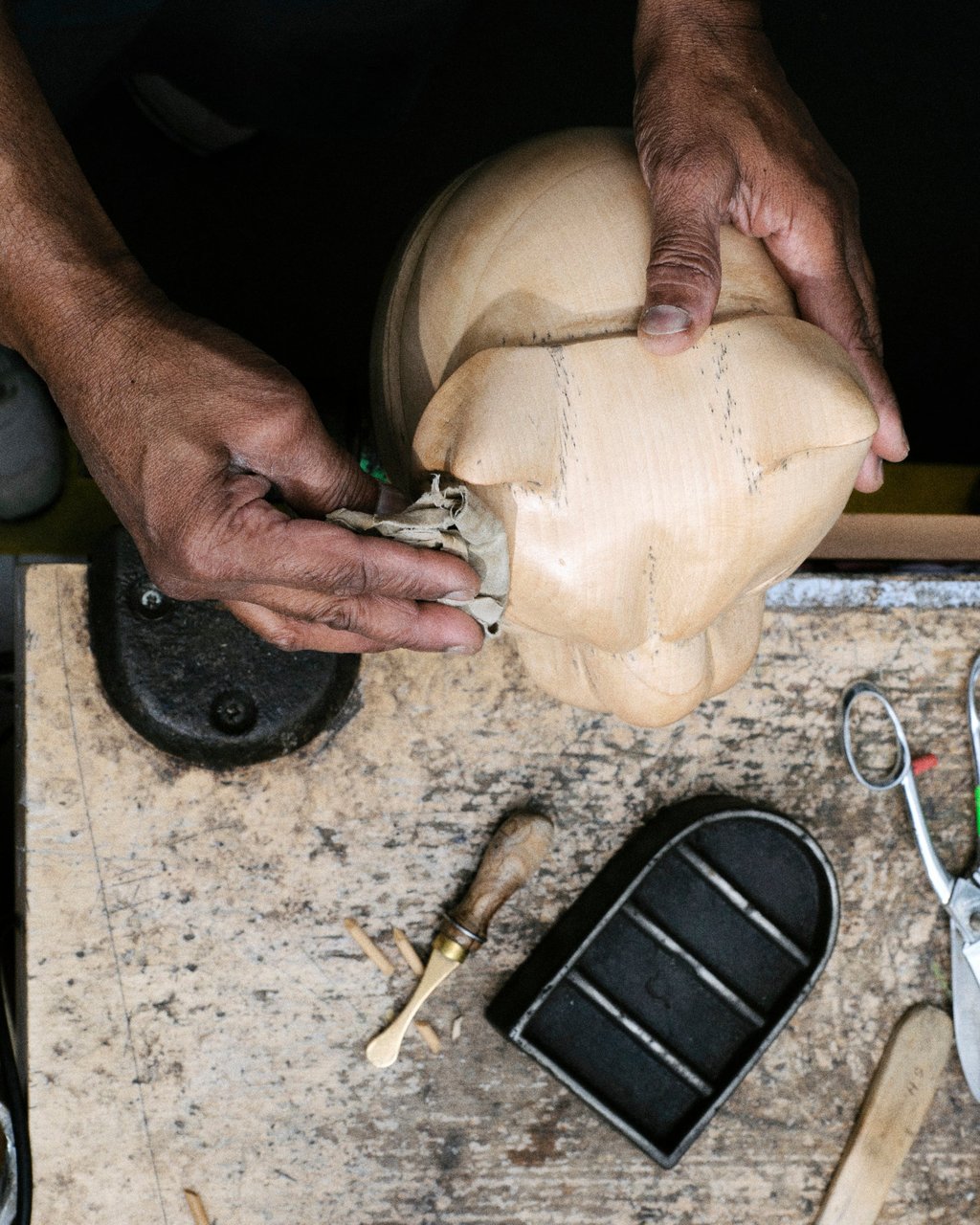
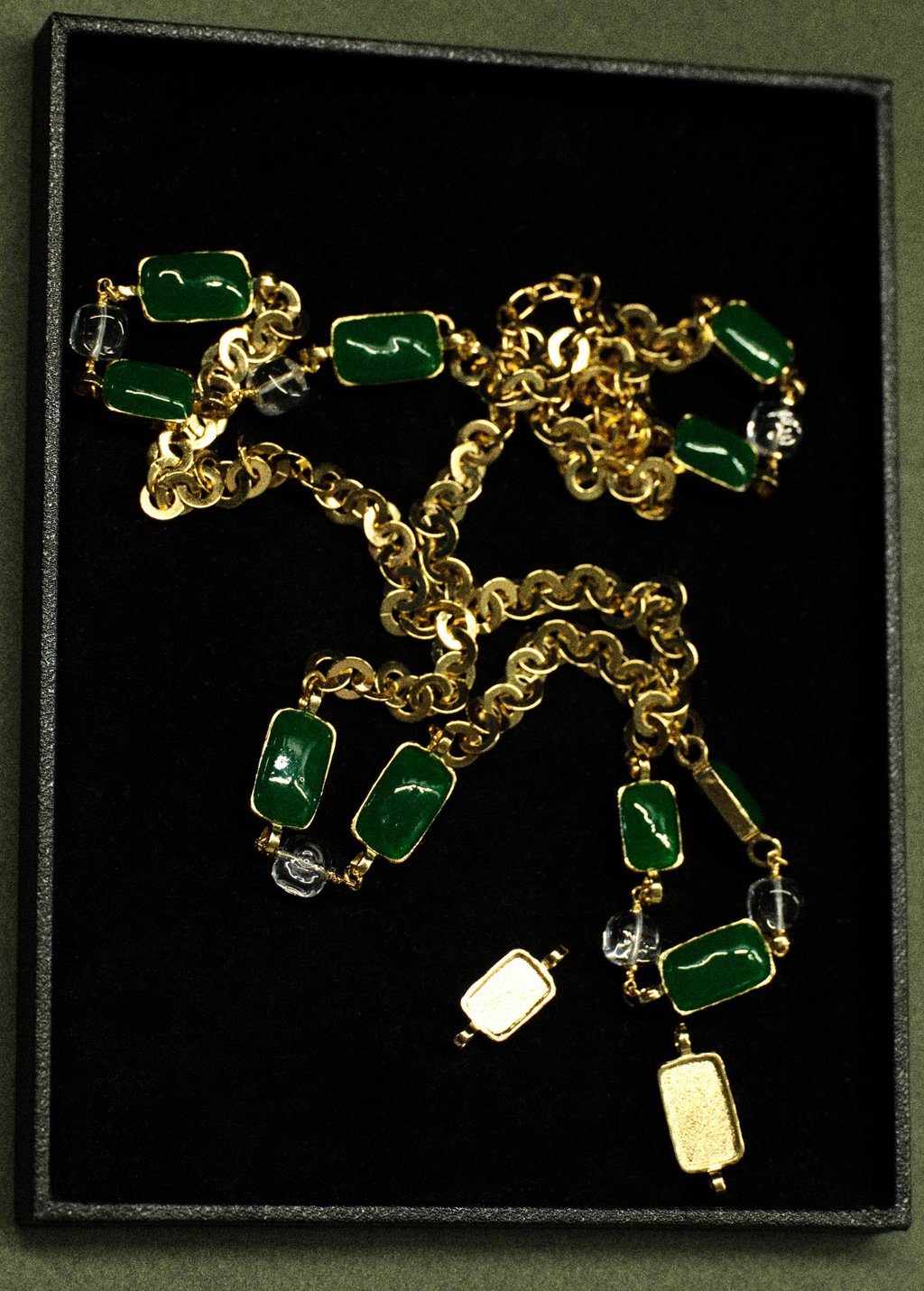
Long before the term “craft” became a luxury buzzword, Gabrielle Chanel understood the debt that fashion owed to meticulous hands and the role of craftwork in elevating a collection. She sought out Paris’ most exacting artisans – shoemaker Massaro, flower maker Lemarié and goldsmith Goossens, to name a few – and worked with them to experiment, reinvent and find new ways to adapt traditional practices to the demands of contemporary fashion.
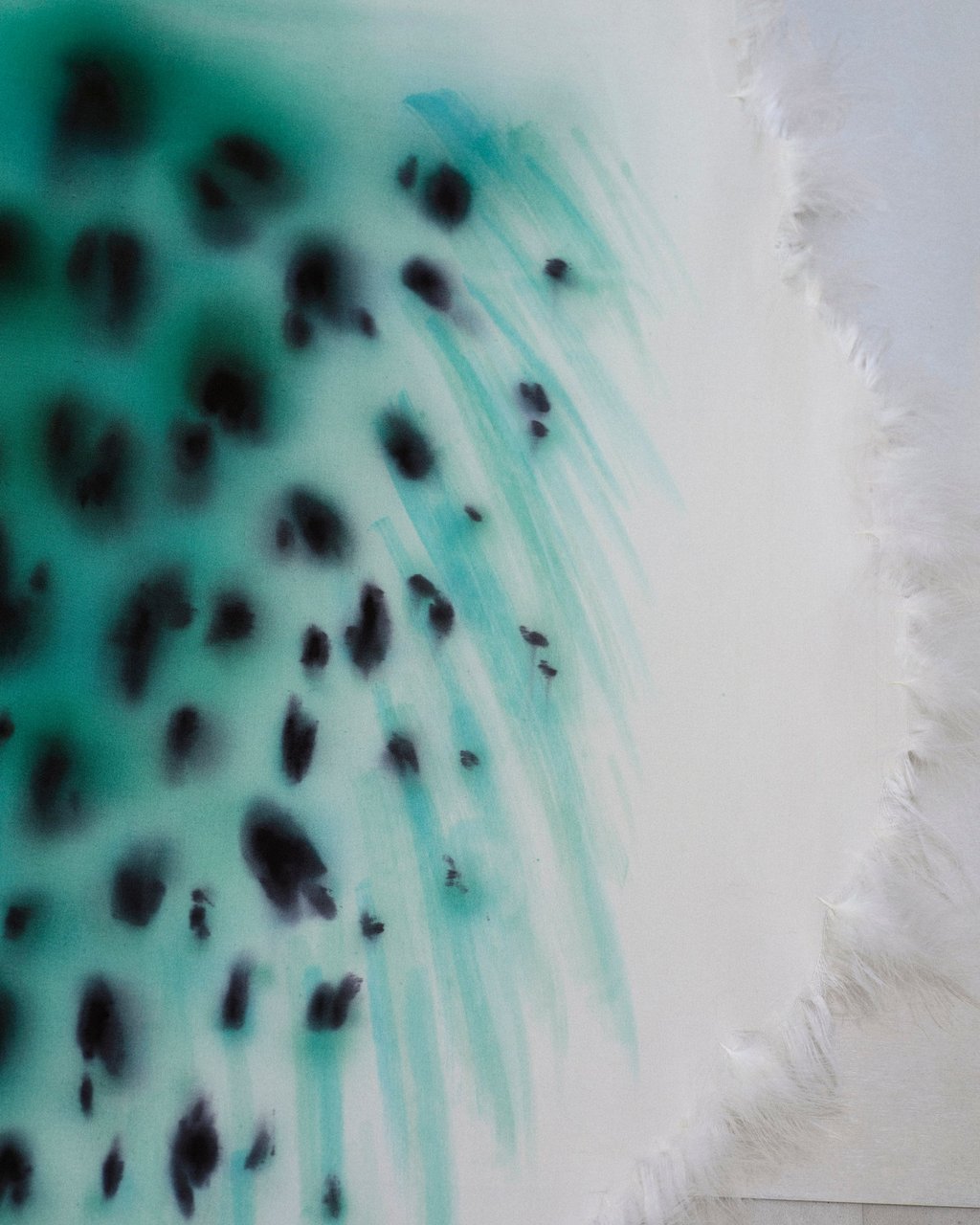
In the 1980s, when some ateliers risked disappearing through lack of investment and successors, Chanel quietly began acquiring them – not as an act of charitable nostalgia but as a forward-looking strategy: to secure their future, nurture research and train the next generation of craft workers.
Today, that vision finds a striking architectural expression in le19M, Chanel’s new, purpose-built site dedicated to the Métiers d’art. Located between Aubervilliers and Paris’s 19th arrondissement, and designed by architect Rudy Ricciotti, the triangular 25,500‑square‑metre building echoes the urban forest that it overlooks and is built to the most demanding environmental standards.