
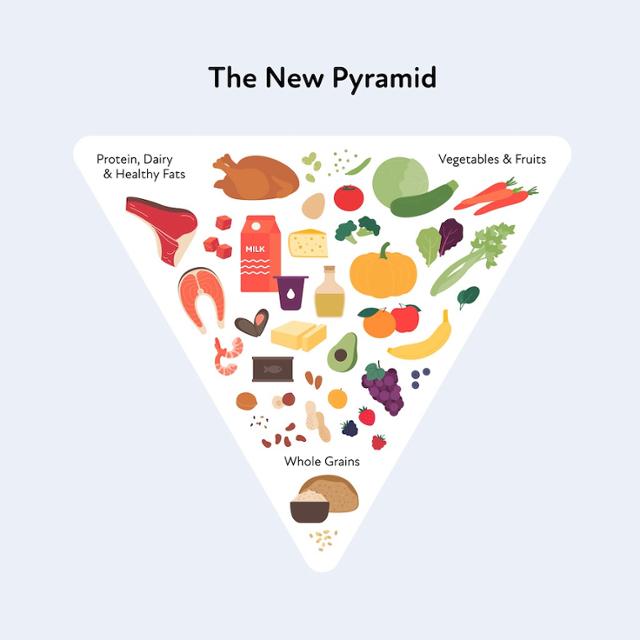
As updated federal recommendations roll out, Samantha Davis highlights gaps between
science and messaging.
When the 2025-2030 Dietary Guidelines for Americans were released, the message seemed
straightforward: Eat more whole foods and reduce processed ingredients and sugar intake.
But for Samantha Davis, professor of professional practice in nutritional sciences
in TCU’s Louise Dilworth Davis College of Science & Engineering, a closer look reveals a more complicated picture.
“These guidelines influence far more than individual choices,” she said. “They shape
what’s served in schools, child care programs and federal nutrition programs nationwide.
That’s why it’s so important to ensure the recommendations and the messaging are aligned
with the science.”

A Growing Public Health Challenge
The conversation comes amid rising concerns about chronic disease in the United States.
More than 70% of American adults are overweight or obese, and nearly one in three
adolescents has prediabetes. At the same time, almost 90% of health care spending
is tied to chronic disease.
“These are not small trends,” she said. “Nutrition guidance plays a significant role
in how we respond.”
When the Math Doesn’t Match the Message
While the guidelines recommend limiting saturated fat to 10% of daily calories, following
the suggested servings, particularly for animal proteins and full-fat dairy, the numbers
do not add up.
“When you actually break it down, those recommendations can push intake closer to
20%,” Davis said. “The math is not mathing.”
That gap raises concerns for heart health, as higher saturated fat intake is associated
with elevated LDL cholesterol and increased cardiovascular risk.
Rethinking Protein in the American Diet
The updated guidelines increase protein recommendations, in some cases significantly.
However, protein deficiency is not a widespread issue in the United States.
“The idea that more protein automatically leads to more muscle is a misconception,”
she said. “Exercise builds muscle. Protein supports maintenance and repair.”
Davis also notes that protein is found across a variety of foods, including grains
and vegetables, reinforcing the importance of balance ahead of overemphasis.
Not All Fats Function the Same
The guidelines encourage incorporating “healthy fats,” but distinctions between fat
types may not always be clear.
“There’s important nuance here. Some fats support heart health, while others are linked
to increased risk. That difference matters,” she said. “If we’re trying to address obesity at a population level, we need to consider where
calories are coming from.”
For most people, nutrition guidance is distilled into quick takeaways and simplified
messaging.
“People remember what they see and hear in an instant,” she said. “If those messages
aren’t clear or consistent, it can lead to confusion.”
Her advice remains grounded in fundamentals: Focus on whole, minimally processed foods
and look beyond trends for long-term health.
Davis’ expert perspective was also featured in Fort Worth Weekly, contributing to the broader conversation about how national nutrition guidance shapes
everyday life.