
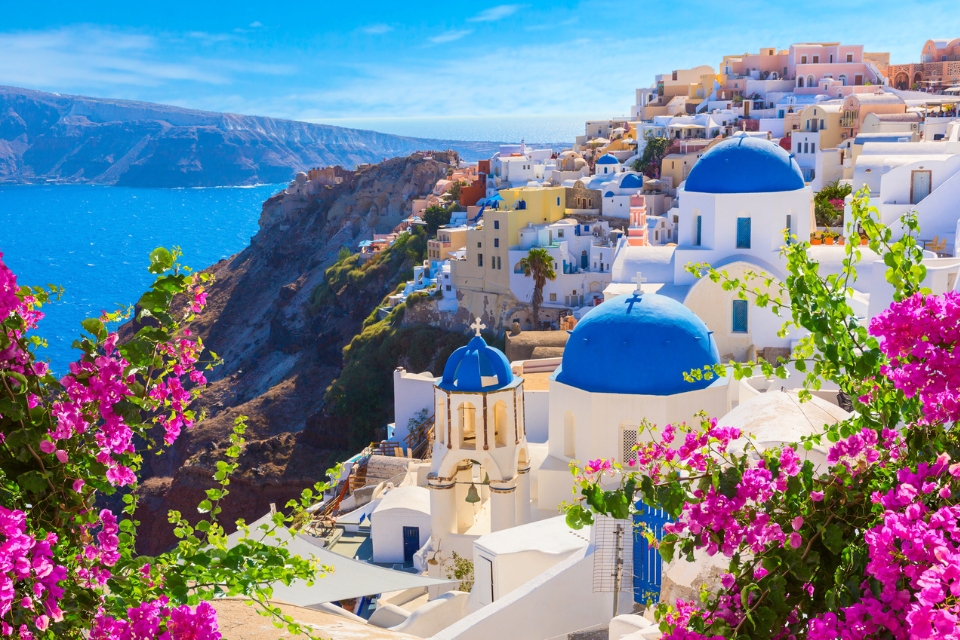
02
Dec 2025
Greece raked in over €20 billion from tourism between January and September 2025.
However, September saw receipts drop 3.6% as travelers spent less per trip despite a rise in visitor numbers.
Record growth masks shifting patterns
Greek City Times reported that Greece pulled in €20.1 billion from tourism in the first nine months of 2025, up 9% from the same period last year.
The country welcomed 31.6 million visitors during that span, a 4% increase that reflects strong demand from both European and international travelers.
However, the September numbers tell a different story. Tovima reported that tourism receipts that month fell 3.6% to €3.4 billion, even as visitor arrivals rose by 3.6%.
The issue wasn’t fewer tourists; it was that they spent less. The Bank of Greece reported that average spending per trip dropped 7.8% in September compared to the same month in 2024.
Over the nine-month period, the pattern looked different. Average spending per trip rose 4.3%, and inbound travel arrivals increased 4%.
Germany takes hit, Italy surges
The September downturn hit hardest among visitors from the eurozone. Receipts from EU-27 countries fell 10.2% to €1.8 billion, driven largely by a 13% drop in spending from eurozone residents.
Germany, Greece’s biggest tourism market, saw receipts plunge 28.3% to €477.5 million in September.
France and Italy bucked the trend. French visitor spending jumped 20% to €168.7 million, while Italian tourists boosted receipts by 42.5% to €212.5 million.
Receipts from non-EU-27 residents dropped 1.4% to €484.5 million in September. However, looking at non-EU countries overall, receipts from outside the European Union rose 3.6% in September to €1.5 billion.
The United Kingdom led the charge with a 27.4% increase to €612.7 million, while American tourist spending dropped 19.5% to €224.9 million.

(Image courtesy of jimmy teoh via Pexels)
Strong nine-month picture
Zooming out to the full January-September period, Greece’s tourism sector shows resilience. EU-27 travelers contributed €10.9 billion, up 5.6% year-over-year.
Non-EU visitors delivered €8.1 billion, a solid 12.7% gain that points to Greece’s growing appeal beyond Europe.
Air and road arrivals both climbed 4.3% over the nine months. EU-27 guests made up the majority at 18.8 million arrivals, but non-EU arrivals surged 9.3% to 12.7 million.
Germany still dominates overall, with 4.8 million visitors through September, up 8.2%. The UK sent 4 million tourists, a 4.3% increase, while the US contributed 1.2 million visitors, up 5.6%.
Russia, still recovering from travel restrictions and economic pressures, sent just 20,500 arrivals.
Not every market grew. French arrivals dipped 0.6%, and non-eurozone EU countries fell 8.1%.
New border systems add complexity
Travel logistics are shifting as Europe introduces new security measures. The Entry/Exit System (EES) launched on October 12, 2025, replacing passport stamps with digital registration for non-EU travelers entering Greece and other European countries.
The system collects fingerprint and facial recognition data at borders, tracking entries and exits to prevent overstays and identity fraud.
Looking ahead, the European Travel Information and Authorization System (ETIAS) will launch in late 2026. The program requires visa-exempt travelers from 59 countries—including the United States, UK, and Australia—to obtain travel authorization before visiting Greece and 29 other European nations.
The authorization costs €20, lasts three years, and works similarly to the US ESTA system.
These changes could affect travel patterns. Some tourists may find the added requirements inconvenient, while others may delay trips until systems stabilize.
Greece’s tourism industry will need to adapt its marketing to address traveler concerns about new border procedures.
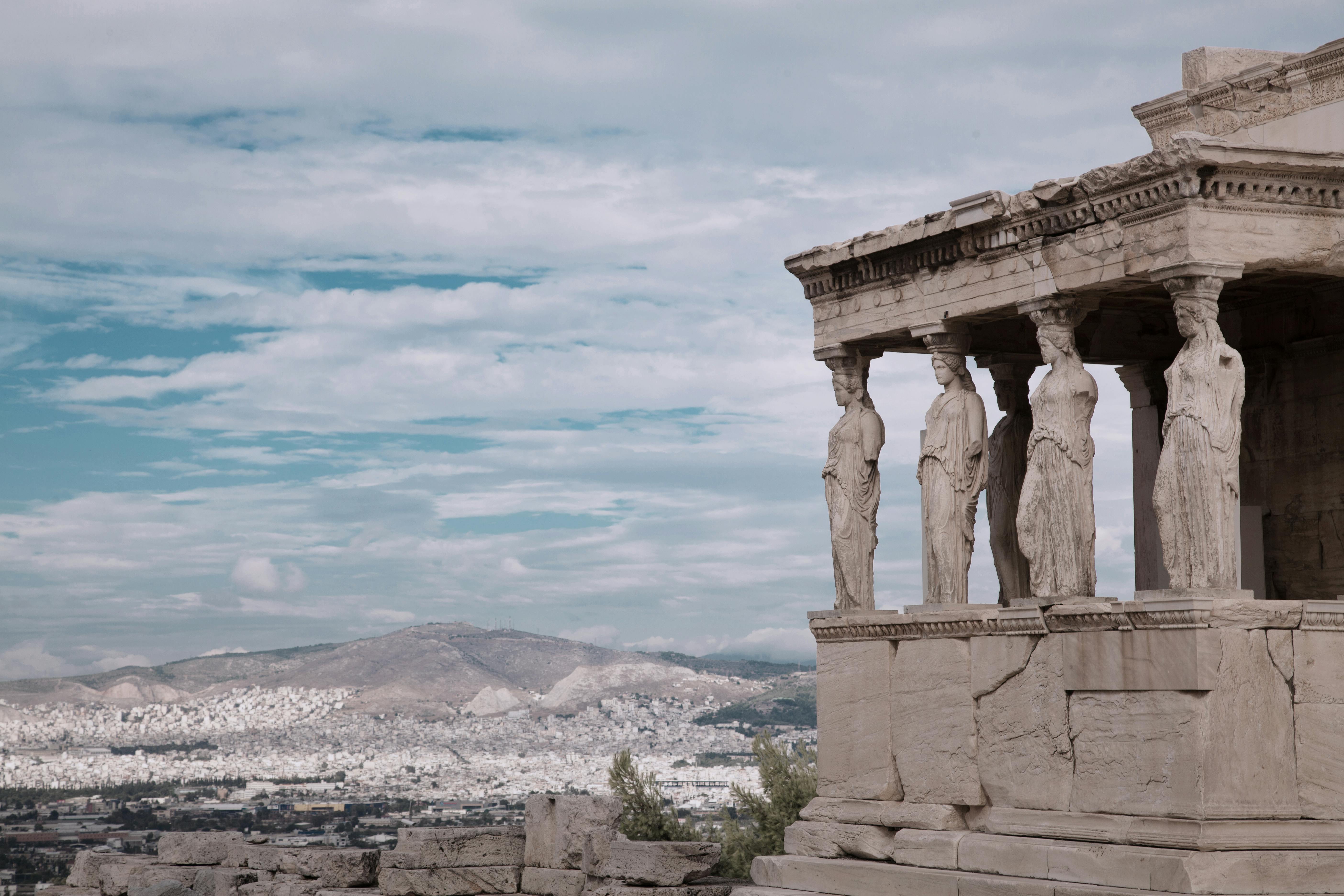
(Image courtesy of jimmy teoh via Pexels)
The billion-dollar balancing act
Greece’s tourism industry proved its strength in 2025, pulling in record revenue even as spending habits shifted.
The €20 billion milestone shows the country remains a top destination for global travelers, but the September dip signals a changing market where more visitors doesn’t automatically mean more money.
As Greece heads into 2026, the challenge will be balancing volume with value—finding ways to attract travelers who spend more, not just show up more.
For now, the numbers tell a story of success with a warning attached: adapt or risk leaving money on the table.