
2026 is going to be a difficult year if you’re a fashion editor or head of design at an affordable fashion retailer. The roles entail cherry-picking the options previewed by designer brands at the world’s fashion weeks and condensing everything neatly into some sort of trend direction for the consumer. Judging by the SS26 ‘mega debuts’ we saw in September, most notably Dior and Chanel, it will be a struggle.
Fashion was in need of a ctrl-alt-delete moment, what generous commentators have subsequently labelled the ‘Great Reset’, and it was far from it. While we are highly unlikely to ever have another 1947 New Look moment, what was shown on the catwalks of Paris has left many wondering, what now?
The initial hysteria and applause quickly died down and has left us in anticlimactic limbo. While not complete disasters, they weren’t the ‘fashion moment’ optimistically hoped for from a fashion industry that needed a boost. The two mega brand designer debuts were supposed to kickstart a fashion industry languishing in the doldrums. 2026 was supposed to the year where everything started to make sense and we could put the years of crazy behind us.

Both were a mish mash of designs; Matthieu Blazy’s Chanel had no two outfits the same, while Jonathan Anderson’s Dior did have some repetition, but no overarching theme. Neither of these shows had a thread running through to help the fashion industry make decisions for the next season and hopefully get the consumer excited and convince them into buying something new. The two shows that were supposed to provide an answer gave us little in terms of fashion trends and further Cruise collections a red carpet looks have just added to the confusion.
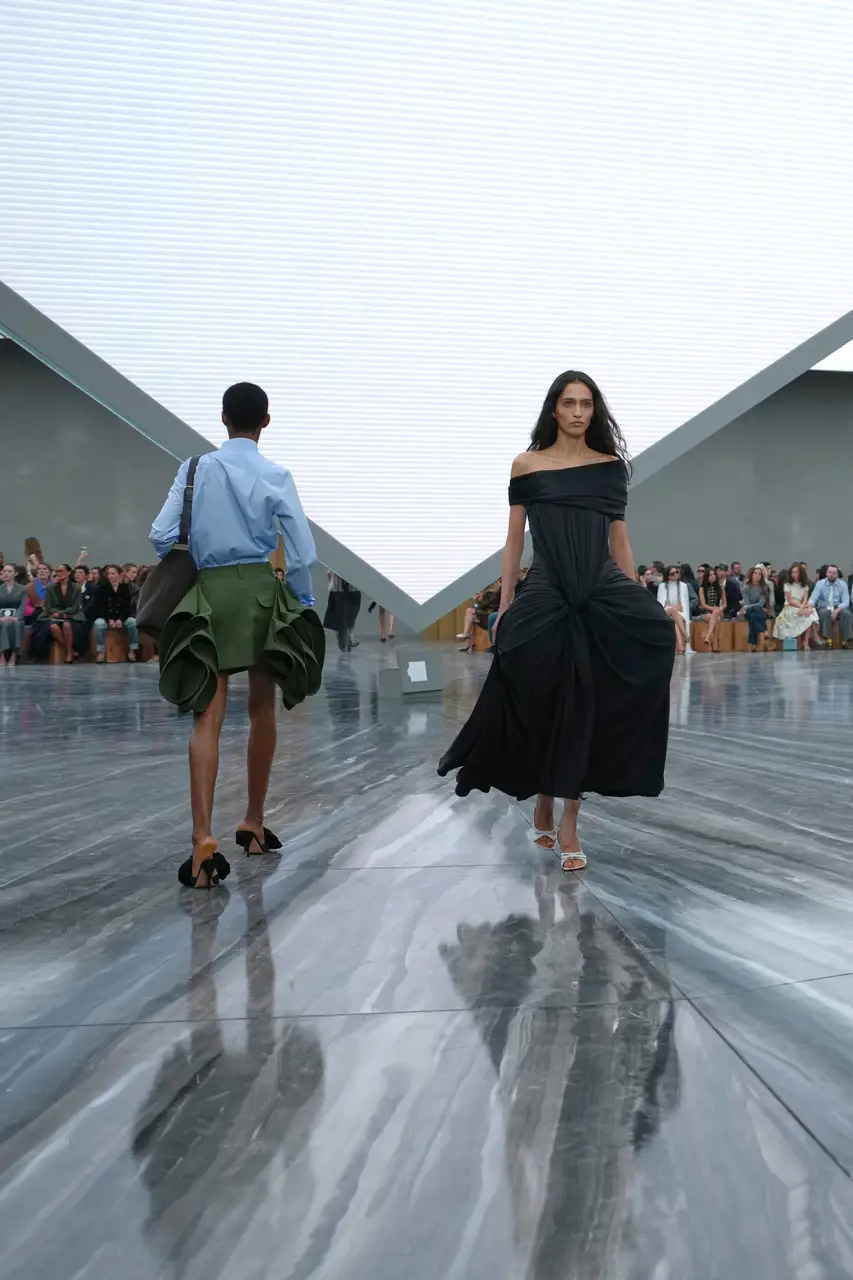
Jonathan Anderson’s Dior womenswear debut featured the bow shoe (AP/Aurelien Morissard: PA)
While we wait for the first of these collections to arrive in stores, the industry is in a sort of holding pattern. The media hysterics of the creative director appointments has died down, though it feels just as busy at the smaller brands, but we’re waiting for a decision or for something to become clearer on what the f**k we’re all supposed to be doing.
While it’s not Blazy and Anderson’s job to provide options for the entire fashion ecosystem, it would come naturally from collections produced at two of the biggest and most influential luxury fashion brands. Fashion needs consensus and these two collections were complete opposites; Blazy has gone down a minimal branding, fabric first route, while Anderson has gone for overly branded with the Dior name dominating everything.
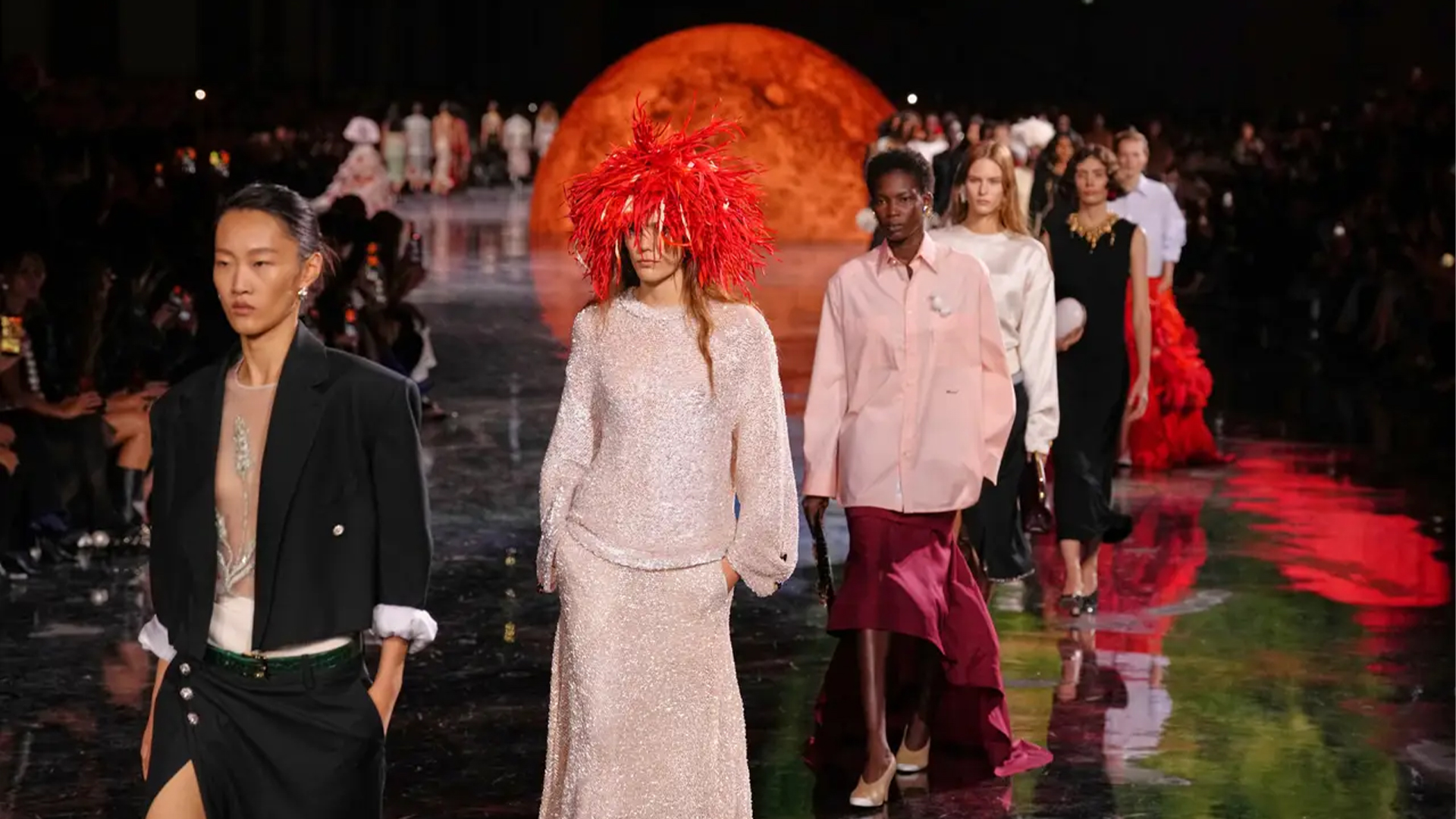
Blazy’s much-hyped Chanel debut featured minimal branding (PA)
For example, what will the windows look like next season? Where were the must-have bags and shoes? Anderson’s main footwear style looked like shiny satin bridesmaid shoe, and Blazy’s novelty bags were more collector’s pieces set for future resale sites than ‘It’ bags to copy.
It is disappointing and is a long way from designers like Tom Ford and Hedi Slimane who really knew how to make trends for the fashion industry. Trends drive sales and they illustrate a reason for buying something new. Fashion needed a catalyst and huge shot in the arm – we all know times are tough – and this wasn’t it.
Main image: Dior SS26, AP/Aurelien Morissard, PA