
When Baldur’s Gate 3 launched, it did more than dominate sales charts. It changed expectations for what a modern role-playing game could be. Deep reactivity, faithful tabletop mechanics, weighty choices, and cinematic storytelling combined into an experience that felt once in a generation. For many players, it also felt final. How could anything follow this? How could another studio step into the shadow of a game that seemed to redefine the genre overnight?
Yet the CRPG space has always thrived on ambition and iteration. Long before Baldur’s Gate 3 became a household name, smaller studios were quietly building their own interpretations of Dungeons and Dragons. These games did not have blockbuster budgets or cinematic motion capture, but they understood the rules, the dice, and the joy of tactical problem solving. One of those studios is now preparing its boldest step forward yet, and it may arrive sooner than many expect. Solasta 2 is poised to be the next big Dungeons & Dragons-inspired game, and I can’t wait to see how it compares to BG3.
Solasta 2 Is the Next Big Dungeons & Dragon RPG
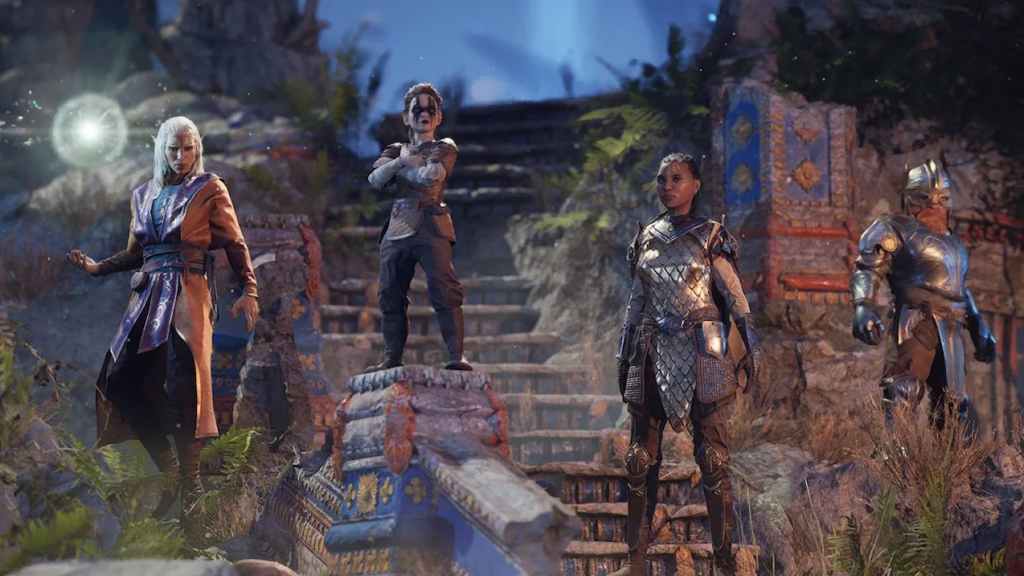
Solasta 2 enters early access on March 12th, positioning itself as one of the most anticipated Dungeons and Dragons role-playing games heading into early 2026. Like Baldur’s Gate 3, it embraces an early access model that invites players into the development process rather than waiting for a finished product. That approach proved crucial to Larian Studios, and Tactical Adventures appears ready to follow a similar path.
The original Solasta: Crown of the Magister earned a loyal following by doing something surprisingly rare. It translated the core rules of Dungeons and Dragons 5th Edition into a digital format with remarkable mechanical accuracy. Dice rolls were transparent, positioning mattered, and verticality was not just cosmetic but fundamental to combat. Players who loved tabletop sessions immediately recognized the logic behind every action and felt right at home, almost as if they were sitting around a table rolling dice with friends and family.
Early reception to the Solasta 2 demo suggests the sequel understands what players valued most. Fans have praised smoother animations, stronger character models, and a more expressive party. Most importantly, the systems remain intact. This still feels like Dungeons and Dragons, not a loose adaptation. For many CRPG fans, that fidelity is the entire appeal. While Baldur’s Gate 3 is widely separated, it deviates heavily from the core mechanics of D&D, so it will be interesting to see a more literal translation.
Solasta 2 Is Poised to Rival Baldur’s Gate 3
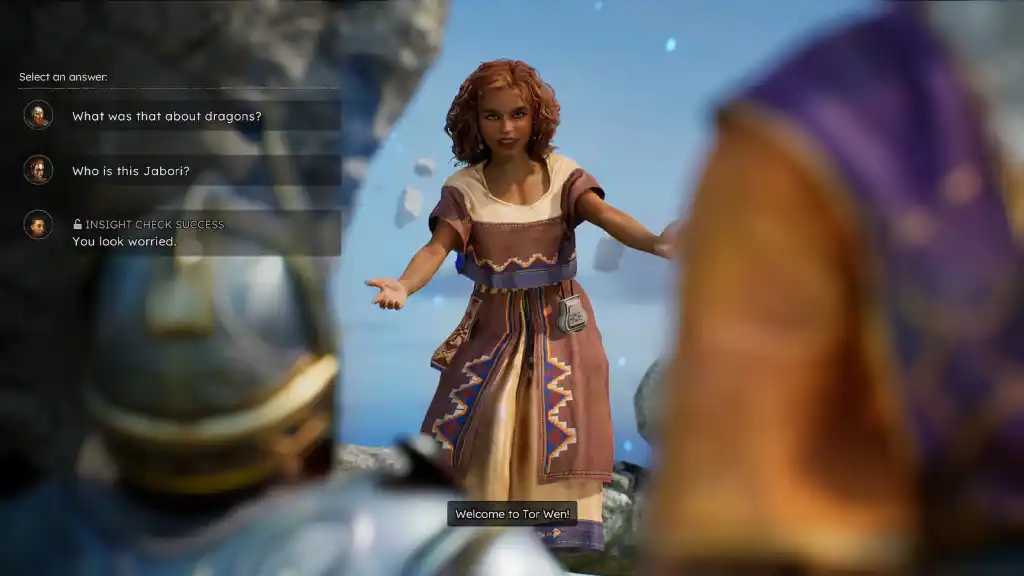
Comparisons to Baldur’s Gate 3 are inevitable, but Solasta 2 is not trying to out cinematic Larian. Instead, it is leaning into its strengths. Where Baldur’s Gate 3 excels in narrative reactivity and character performance, Solasta 2 focuses on tactical clarity and player agency within the ruleset. It is aiming to be one of the purest adaptations of Dungeons & Dragons 5.2E, the newest system by Wizards of the Coast. While the game may not officially be set in the Forgotten Realms, it almost feels like it because the world and mechanics are so intertwined with D&D.
Early access is key here. Baldur’s Gate 3 spent years evolving through player feedback, refining systems, rewriting quests, and rebalancing mechanics. That long runway is part of why it launched in such a polished state. With Solasta 2 entering early access in March, Tactical Adventures has the opportunity to do something similar. Player feedback can shape class balance, encounter design, and even story pacing over time. It can help shape Solasta 2 into the second Baldur’s Gate 3 of this generation.
There is also a hunger in the genre. Players who finished Baldur’s Gate 3 are searching for something that scratches the same itch without feeling like a pale imitation. Solasta 2 offers familiarity without redundancy. It respects the dice, the creativity, and the moment-to-moment decision-making that tabletop fans love. That alone positions it as a legitimate rival, even if its presentation remains more modest. Sometimes, less is more, and while Solasta 2 may not have the same budget and scope, it can deliver on heart and experience, giving CRPG and Dungeons & Dragons fans another incredible way to experience the game they love.
Building on Solasta: Crown of the Magister Shows the Sequel’s Strengths
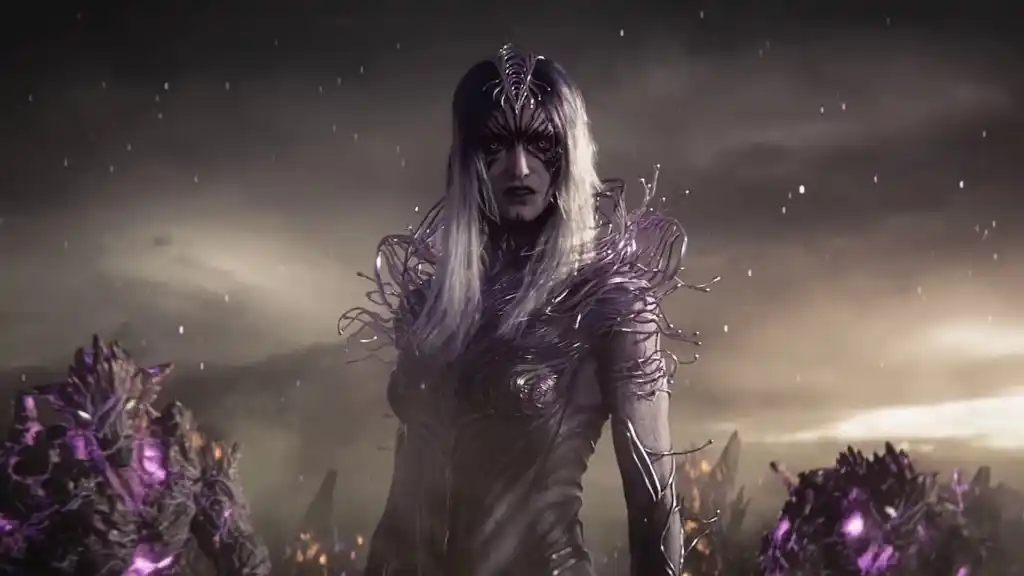
To understand why Solasta 2 matters, it helps to revisit what Solasta: Crown of the Magister did right and where it struggled. Combat was its strongest pillar. Encounters demanded positioning, elevation, and preparation. A poorly placed spell or reckless movement could wipe a party quickly. That tension felt authentic to tabletop play. However, the first game faltered in presentation. Character animations were stiff, facial expressions were limited, and dialogue delivery often undercut emotional moments. Storytelling was functional rather than memorable. Players enjoyed the systems but rarely fell in love with the cast.
The sequel directly addresses these weaknesses. Early footage and demo impressions point to significantly improved animations and more expressive dialogue scenes. Party members feel more like characters and less like stat blocks. Environmental design has also evolved, offering more detailed locations without sacrificing readability in combat. Another key improvement is pacing. Crown of the Magister sometimes felt episodic, with narrative beats serving as excuses for dungeon crawling. Solasta 2 appears more confident in its storytelling, weaving character motivations and world-building more naturally into progression.
Its connection to Dungeons and Dragons remains central. Tactical Adventures continues to work within official rules frameworks, something fans deeply appreciate and that Larian Studios took some liberties with, understandably so. Spell interactions behave as expected, class features are clearly communicated, and dice outcomes remain visible. For players who enjoy understanding why something succeeded or failed, this transparency builds trust.
Player reception to the demo reflects cautious optimism. Many fans describe it as a clear evolution rather than a reinvention. That may sound modest, but in a genre defined by complexity, refinement is often the hardest task. As early access unfolds, Solasta 2 has the chance to grow alongside its community, much like Baldur’s Gate 3 once did. It may not replace Larian’s masterpiece, but it does not need to. By offering a purer, more tactical Dungeons and Dragons experience, it stands ready to become the next essential CRPG for players who crave depth, dice, and deliberate choices.
What do you think? Leave a comment below and join the conversation now in the ComicBook Forum!