
Published on
December 27, 2025
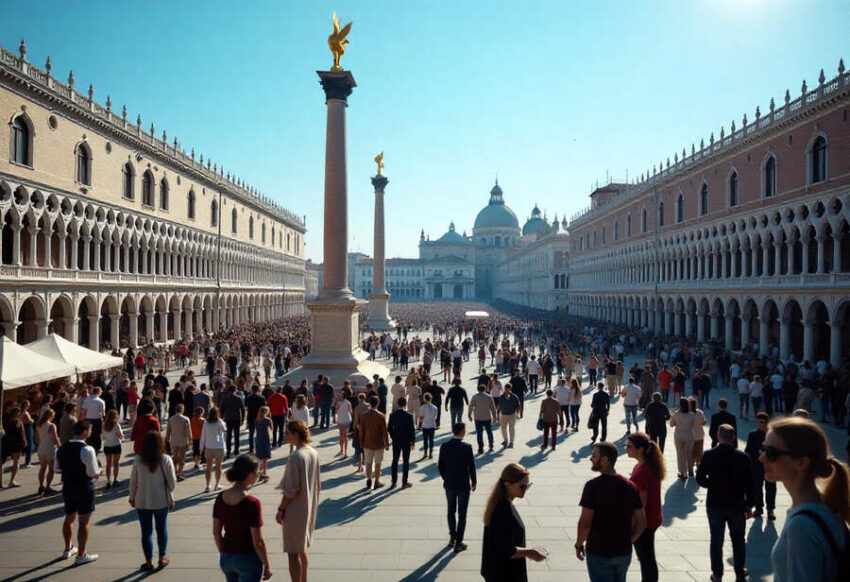
Europe’s ongoing battle with overtourism is intensifying in 2025, as Portugal, Greece, Italy, Croatia, Switzerland, Netherlands, Ireland, and more than six other countries introduce measures like fines, tourist taxes, and cruise restrictions to combat the negative impact of record visitor numbers. These steps are being taken to alleviate the strain on local infrastructure, preserve the environment, and restore a balance between tourism and local life, which has been threatened by years of unchecked growth in the sector. As Europe’s most iconic destinations face unprecedented levels of tourism, these countries are striving to protect their cultural, historical, and natural treasures. With overcrowding becoming a pressing issue, the new policies are designed to ensure that the tourism industry benefits both travelers and the communities they visit while reducing the negative impact on local ecosystems and resources.
In 2025, Europe’s travel landscape is entering a new phase, with overtourism presenting a growing challenge to some of the most iconic and beloved destinations across the continent. Over the past decade, the tourism industry has boomed, with 452 million overnight stays recorded in the European Union alone during Q1 2025. This surge in visitor numbers, paired with limited infrastructure and fragile ecosystems, has placed significant strain on cities, natural landscapes, and local residents. From Lisbon to the Swiss Alps, at least 12 European nations have implemented measures to address these challenges, such as introducing fines, taxes, cruise limits, visitor caps, and rental regulations to ensure that tourism remains sustainable for both residents and the environment.
As the battle to protect these destinations unfolds, countries like Portugal, Greece, Italy, Croatia, Switzerland, Netherlands, and Ireland are taking bold steps. Here’s a deeper dive into how these countries are responding to overtourism pressures and implementing strategies to ensure a sustainable future.
Portugal: Taking Action with Rental Freezes and Visitor Caps
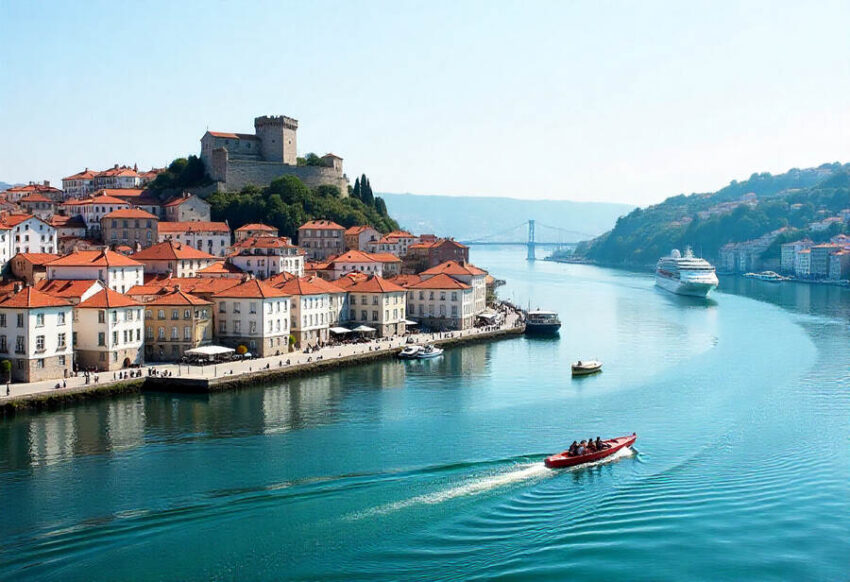
Portugal, especially in Lisbon and the Azores, has become one of the epicenters of the overtourism debate. With a booming tourism industry, Lisbon has struggled to balance the influx of visitors with its limited housing and infrastructure. To address these concerns, Portugal introduced rental freezes in certain neighborhoods, where short-term rentals like those listed on Airbnb have put tremendous pressure on the housing market. This move aims to alleviate the rising cost of living for locals and curb the impact of tourism on residential areas.
In addition to rental freezes, the city has increased tourist taxes for overnight stays. Visitors to Lisbon are now subject to a €4 per night tax aimed at supporting local infrastructure projects and mitigating the effects of mass tourism. Similarly, the Azores have implemented visitor caps during peak tourist months to protect the islands’ fragile ecosystems, ensuring that the environment is not overwhelmed by unchecked visitor numbers.
Key Measures:
- Rental freezes in Lisbon and the Azores to alleviate housing pressure.
- €4 per night tax in Lisbon to fund infrastructure improvements.
- Visitor caps in the Azores to preserve natural resources during peak seasons.
Greece: Cruise Limits and Timed Entry Tickets
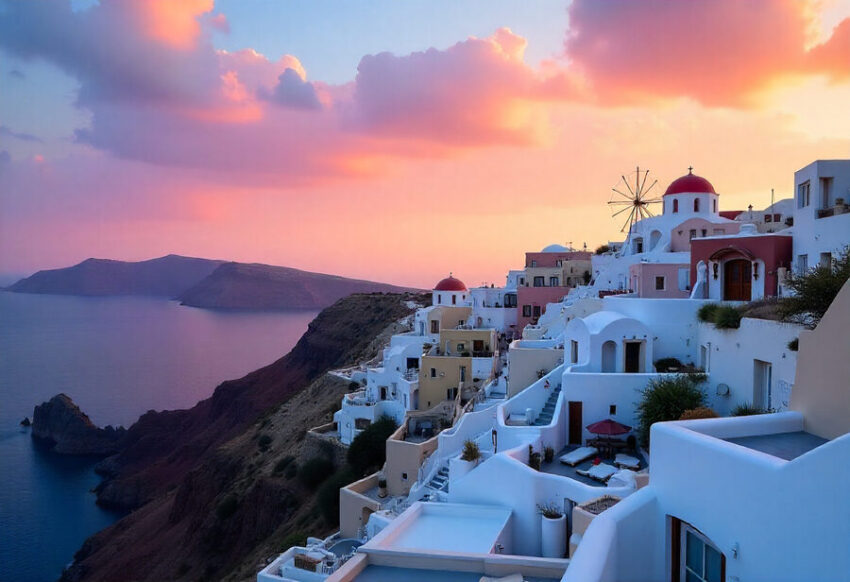
Greece’s iconic islands, particularly Santorini, Mykonos, and Crete, have become increasingly overcrowded as cruise ships flood the region during peak tourist months. To protect these culturally and ecologically significant locations, Greece has implemented several measures. Santorini, in particular, has limited the number of cruise passengers allowed on the island each day to 8,000. This move is paired with a €20 port fee during the busy summer months to discourage excessive day-trip tourism and help fund preservation efforts.
Furthermore, the Acropolis in Athens has introduced timed entry tickets to regulate the flow of visitors and prevent overcrowding at this UNESCO World Heritage site. These measures not only protect Greece’s historical and cultural treasures but also improve the experience for visitors by ensuring a less congested environment.
Key Measures:
- Cruise passenger limits of 8,000 per day on Santorini.
- €20 port fee during peak seasons to reduce day-trip tourism.
- Timed entry tickets for the Acropolis to manage crowds.
Italy: Day-Tripper Fees and Trail Access Cards
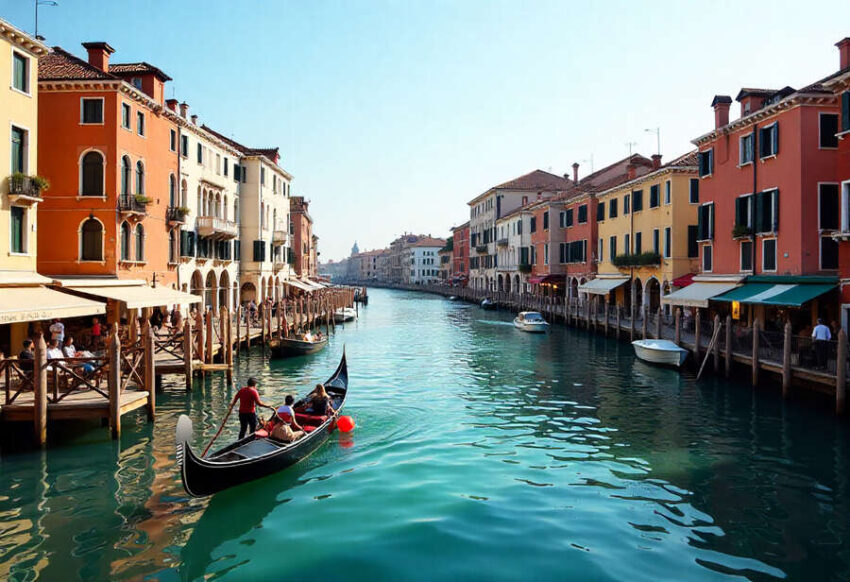
Italy has long been one of the world’s top tourist destinations, and its cities—Venice, Florence, and Rome—have experienced some of the worst effects of overtourism. In Venice, the local government expanded its day-tripper fee to €5-€10, targeting those who visit only for the day without staying overnight. This fee applies during peak tourist seasons and aims to discourage short-term tourism while funding cleaning, security, and crowd management efforts.
Cinque Terre, with its stunning coastline and historic trails, has introduced the Cinque Terre Card, which is required for access to the hiking trails. The cost of this card ranges from €7.50 to €18.20, depending on the season, and is intended to control the number of hikers and preserve the natural environment. Moreover, Florence has raised its tourist taxes on museum and historic site visits to fund restoration and conservation projects.
Key Measures:
- Day-tripper fee of €5-€10 in Venice during peak seasons.
- Cinque Terre Card required for trail access, priced at €7.50-€18.20.
- Tourist taxes for museum visits in Florence to fund heritage preservation.
Croatia: Cruise Caps and Souvenir Control
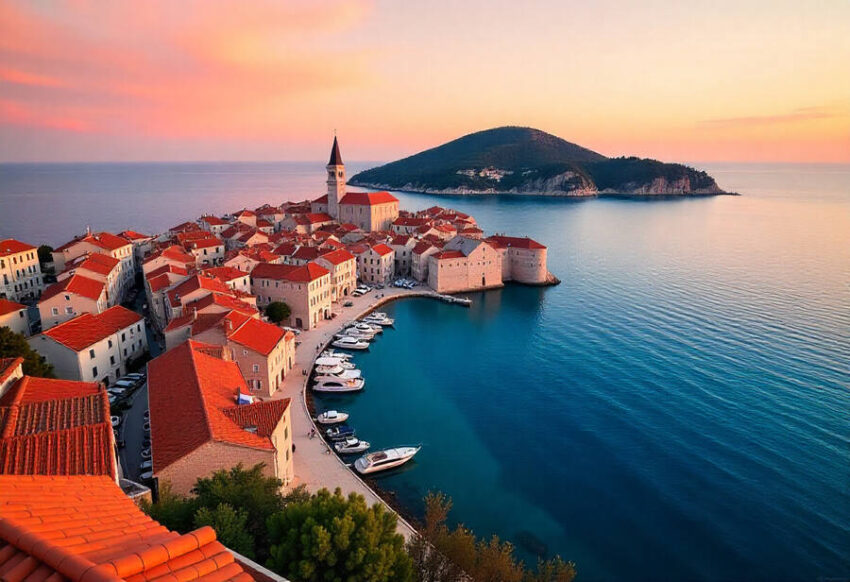
In Croatia, overtourism is a significant issue, especially in cities like Dubrovnik, where the beauty of the old town attracts millions of visitors each year. To prevent overcrowding, the Croatian government has implemented cruise caps, limiting the number of cruise ships allowed to dock at Dubrovnik’s port to 2-3 per day. This measure is designed to reduce the strain on local infrastructure and preserve the authenticity of the city.
Furthermore, Dubrovnik has introduced souvenir controls to ensure that local handicrafts maintain their authenticity and to limit the proliferation of mass-produced goods. These efforts are part of Croatia’s broader strategy to combat the commodification of its culture and natural resources.
Key Measures:
- Cruise caps limiting the number of ships to 2-3 per day in Dubrovnik.
- Souvenir controls to maintain authenticity in local crafts.
Switzerland: Alpine Villages Explore Sustainable Tourism Strategies
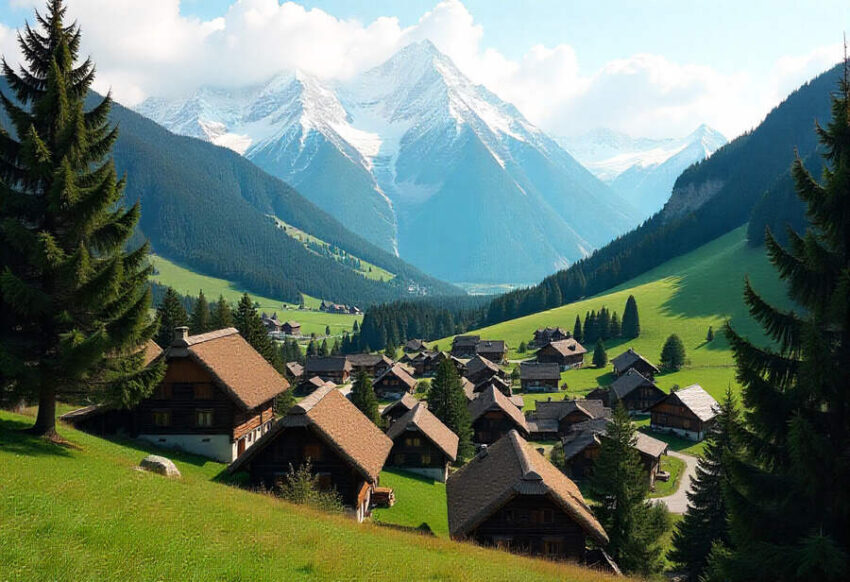
Switzerland’s Alpine villages, including Zermatt and Interlaken, have become increasingly popular among tourists seeking outdoor adventure and natural beauty. However, the influx of visitors has put pressure on the local environment and infrastructure. While no specific policies have been enacted yet, the government is in ongoing discussions about introducing visitor caps during high season to limit the number of tourists in these delicate environments.
In addition to visitor caps, Swiss authorities are exploring sustainable tourism strategies that promote eco-friendly travel options, such as reducing the carbon footprint of transportation and encouraging longer stays to spread out tourism demand. These efforts aim to strike a balance between economic benefit and environmental protection.
Key Measures:
- Visitor caps in discussion for popular Alpine destinations.
- Sustainable tourism strategies to reduce environmental impact and promote eco-friendly travel.
Netherlands: Tax Hikes and Cruise Restrictions

The Netherlands, particularly Amsterdam, is facing significant pressure from the influx of tourists and cruise ships. To manage the growing crowds, Amsterdam has introduced tax hikes on accommodations, with a 12.5% tourist tax now applied to hotel stays in the city center. In addition, cruise passenger fees have been set at €100 per person, a measure designed to discourage large cruise ships from docking in the central areas.
Moreover, Amsterdam has banned large cruise ships from using the central terminals to reduce congestion in the city’s core. These measures aim to improve the overall visitor experience while preserving the integrity of Amsterdam’s canals and historic architecture.
Key Measures:
- 12.5% tourist tax on accommodations in Amsterdam.
- €100 cruise passenger fee to dock in Amsterdam.
- Cruise ship dock bans in central Amsterdam.
Ireland: Rising Overtourism Pressure and Seasonal Adjustments
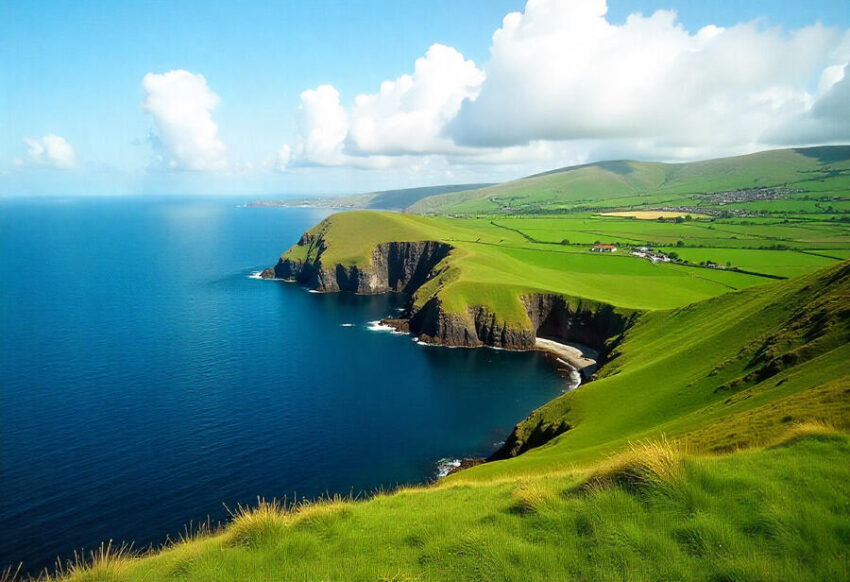
Ireland, known for its rolling green hills, charming villages, and historic landmarks, is experiencing rising overtourism pressure, particularly in popular areas like Dublin and the Ring of Kerry. The country has implemented seasonal adjustments to spread tourism demand more evenly throughout the year. These adjustments encourage visitors to travel during off-peak months to reduce congestion and overuse of popular sites.
In addition, Ireland has introduced fines for disruptive behaviors, such as loud groups or damage to cultural heritage sites. Group size restrictions at iconic locations like the Cliffs of Moher and Newgrange help control the number of visitors at once, ensuring a more pleasant experience for everyone.
Key Measures:
- Seasonal tourism adjustments to reduce peak season pressure.
- Fines for disruptive behavior at heritage sites.
- Group size restrictions at popular tourist destinations like Newgrange.
Broader European Trends: Protests and Resident-First Policies
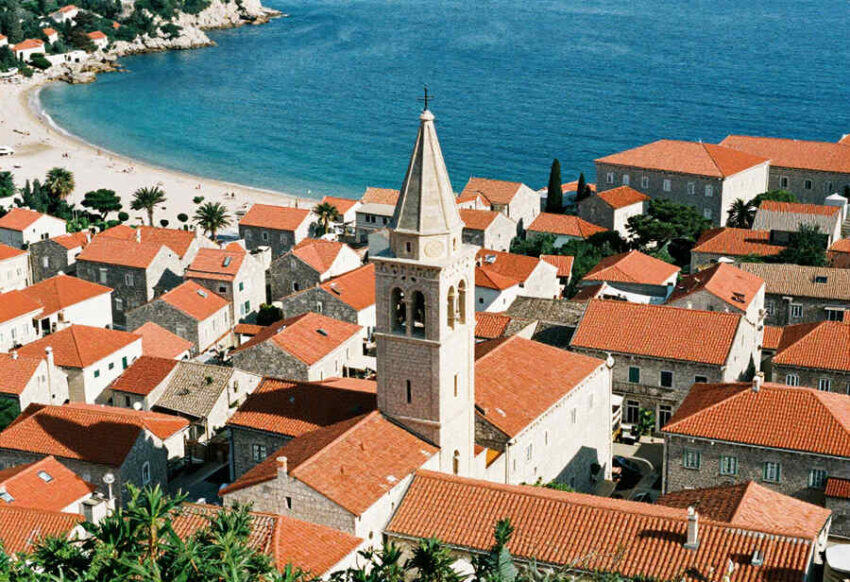
Across Europe, overtourism has sparked protests and public outcry from residents who are frustrated by the impact of tourism on their daily lives. Cities like Barcelona, Palma, and Tenerife have seen large demonstrations calling for stricter controls on tourism, particularly short-term rentals and day-trip tourists. In response, many cities have introduced short-term rental bans in central neighborhoods and imposed outdoor dining limits to reduce the presence of mass tourism.
Additionally, dynamic taxes are becoming a more common strategy to manage tourism. These taxes vary depending on the season, with higher rates during peak travel times and discounts offered during off-peak months to encourage longer stays.
Key Measures:
- Short-term rental bans in Barcelona and other Spanish cities.
- Outdoor dining limits in places like Palma and Tenerife.
- Dynamic tourist taxes that increase during peak seasons.
As overtourism continues to pose a significant challenge for European destinations, Portugal, Greece, Italy, Croatia, Switzerland, Netherlands, Ireland, and many other countries are taking decisive steps to protect their cultural, historical, and natural heritage. Through measures like fines, visitor caps, night stay taxes, and cruise restrictions, these countries are shaping a new era of sustainable tourism that prioritizes local residents, ecological preservation, and a high-quality visitor experience.
Europe’s overtourism crisis has reached a breaking point in 2025, prompting Portugal, Greece, Italy, Croatia, Switzerland, Netherlands, Ireland, and others to impose fines, taxes, and cruise limits to manage the overwhelming surge of visitors. These measures are being implemented to protect local infrastructure, preserve cultural heritage, and ensure that tourism benefits both travelers and residents in a more sustainable way.
Travelers are urged to adjust to the evolving landscape of tourism, as these measures are implemented to create a more balanced and sustainable future for Europe’s most cherished destinations. While these steps may mean a slightly higher price tag for visitors, they ensure that tourism continues to benefit both travelers and the communities they visit. With these measures, Europe is taking bold action to tackle overtourism head-on and pave the way for a more sustainable and enjoyable travel experience in the years to come.
