
Anyone who’s a movie fan knows that few genres have fallen as far out of favor in Hollywood as the musical. For a long time, it was treated as outdated, hard to sell, or even hard to get, and it was almost always associated with a niche audience that didn’t justify major investments. Even today, in some ways, it’s still treated that way, although there’s been some progress with big productions like the recent Wicked, Disney animations like Frozen and Moana, and even musician biopics like Elvis. But for this shift to happen, there had to be a pioneer, right?
In the early 2000s, the idea of releasing a musical that was more adult, sarcastic, and aimed at a wide audience still seemed like a huge gamble. Even when a title caught attention, it was seen as an exception, not the rule. Moulin Rouge! had long been considered the top of the genre, but it still couldn’t break through the bubble. Then came a film that made it clear the problem was never the genre itself — it was the way it had been handled. And it was a full 180-degree turn for a genre that was barely respected, but the gamble paid off massively.
Chicago Was the Biggest Musical of the 2000s
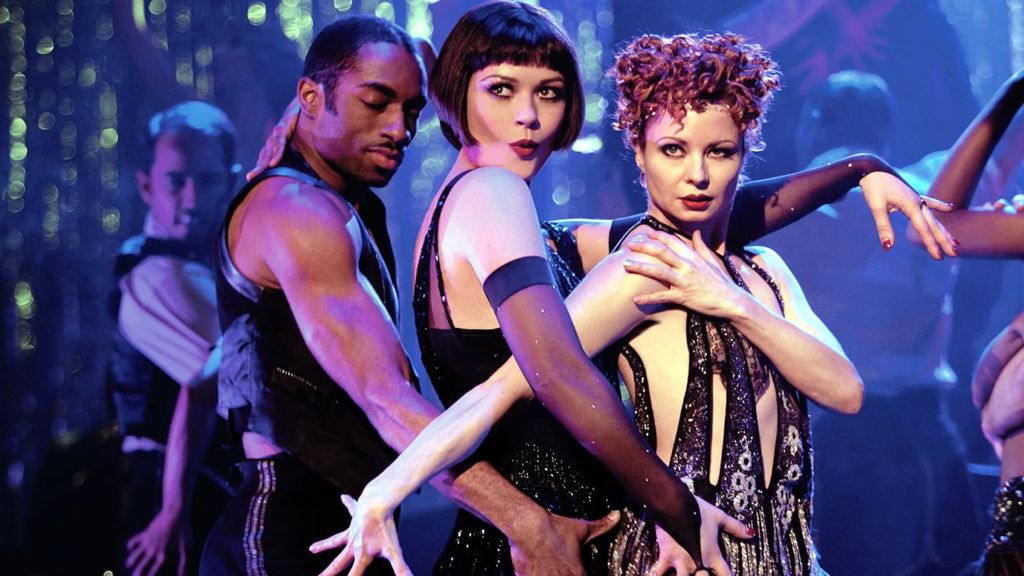
Who hasn’t heard of Chicago? You might not have seen it, but the title is instantly recognizable. Released in 2002, the film was a direct adaptation of the Broadway classic from 1975 and quickly showed it had no interest in following Hollywood’s traditional musical path. The story revolves around Roxie Hart (Renée Zellweger), a fame-obsessed woman who kills her lover and sees her trial as the perfect opportunity to become a celebrity. Alongside her is Velma Kelly (Catherine Zeta-Jones), also accused of murder, and Billy Flynn (Richard Gere), a lawyer who knows better than anyone how to turn crime into entertainment. From the synopsis alone, it’s clear the movie isn’t about redemption or romanticizing its characters — it’s about exposing a system where whoever controls the narrative always comes out on top, no matter the facts.
So what’s Chicago‘s real edge? It knows exactly what kind of film it wants to be: no filler, no frills, no excuses. While Moulin Rouge!, released a year earlier, leaned heavily on visual excess, genre romanticization, and a pop-heavy soundtrack to modernize itself, Chicago went in the opposite direction: it’s more restrained, sharper, and much more aware of its own commentary. Besides, every musical number works as an extension of the characters’ public performances, not as a break from reality. The musical format makes sense even to viewers who normally don’t get people bursting into song and dance. The soundtrack doesn’t pause the story to embellish it; it is the story, because it’s all a way to understand how the characters see themselves within the plot.
This choice makes a huge difference because, instead of trying to make the audience swoon over a big romance or a big moment, the film prefers to provoke discomfort. Roxie and Velma aren’t misunderstood victims of injustice; they know the system and learn to exploit it. They don’t need to be innocent or “good,” just interesting to watch. That makes you laugh, get impressed, and simultaneously realize how absurd it is to root for people clearly manipulating everything around them. That layer of irony gives the musical a freshness many others can’t pull off, because most stick to the classic genre structure.
On the technical side, Chicago also hits the mark by avoiding unnecessary excess (which scares a lot of people off). Rob Marshall’s direction prioritizes rhythm, tightly choreographed numbers, and staging that honors the story’s theatrical roots without making the movie feel stiff like a filmed play. On top of that, the editing is a bonus, turning every song scene into dynamic, fully relevant story beats. You can watch everything knowing it has purpose — it’s not just to dazzle. The pacing stays sharp throughout. In short, it’s a musical that understands energy doesn’t come from grandeur alone, because being visually rich doesn’t matter if you don’t know exactly what you’re trying to tell. Films like Cats, Dreamgirls, or The Greatest Showman are engaging, magical, and entertaining spectacles, but they falter when it comes to story.
How Chicago Took the Crown from Moulin Rouge! as the Greatest Musical Ever
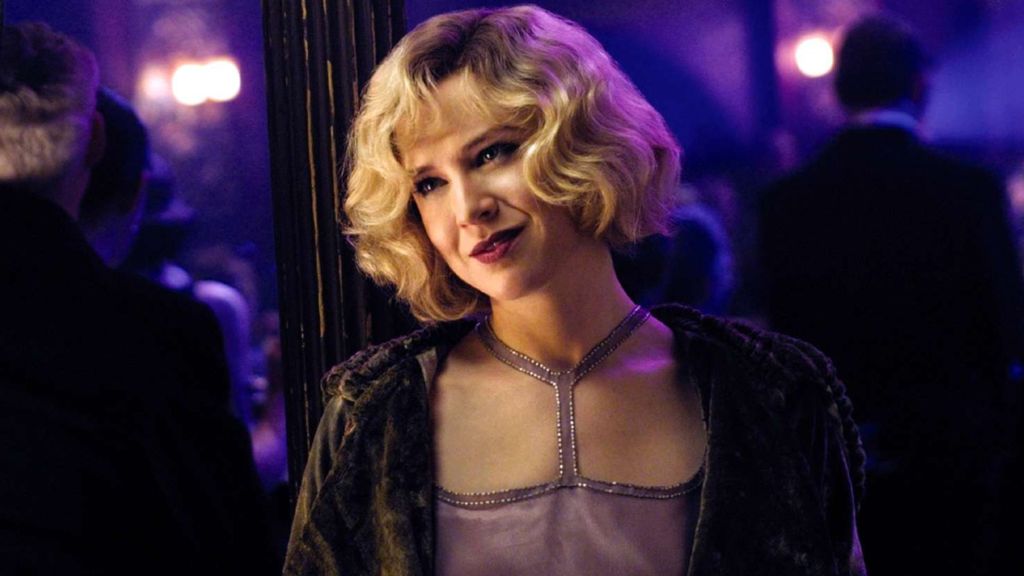
Looking at Moulin Rouge! and Chicago side by side, the difference becomes obvious over time. Baz Luhrmann’s film was crucial for reigniting public interest in the genre, no doubt about it, but its hyperactive aesthetic and heavy reliance on pop culture references make it age unevenly. Chicago, on the other hand, remains timeless because it doesn’t rely on trends. It comments on sensationalist media, instant fame, and turning violence into entertainment — and those things are just as recognizable today as they were back then.
And beyond audience approval and critical praise, industry recognition confirmed that Chicago wasn’t just a pretty musical. It won the Oscar for Best Picture (along with five other awards), something no musical had achieved in over 30 years. It’s a historic benchmark, without a doubt, hitting its goal perfectly: proving that musicals can compete head-to-head with dramas or Hollywood epics. It wasn’t a win for nostalgia or extravagant visuals; it was for the whole package: screenplay, performances, coherent musical numbers, and a unified vision that makes the film work from start to finish.

On top of that, its commercial success proved audiences were ready for something more mature in the genre. With a strong box office showing, Chicago demonstrated that musicals can be profitable without relying on exaggeration or clichés, while also winning over a new audience. Today, modern musicals like Mamma Mia!, La La Land, Tick, Tick… Boom!, Wicked, and even more daring Broadway-to-film adaptations owe some of their confidence to Chicago. The movie showed studios and directors that riskier stories, original plots, and fresh visual approaches could find an audience. Without it, many of these projects would likely still be considered too risky for contemporary cinema.
Twenty-three years later, it’s clear: Chicago‘s impact is undeniable, not just over Moulin Rouge! in consistency and legacy, but in setting the standard for what people now recognize as a musical film. The production understands the genre deeply, plays by its rules flawlessly, and does it all without trying to reinvent anything. That’s why it remains relevant, sharp, and impactful for any audience, with the crown firmly in charge of what a modern musical truly looks like.
Are you a fan of Chicago? What do you think of the movie? Leave a comment below and join the conversation now in the ComicBook Forum!