
Since the early days of gaming, video game mascots have been as important as the games themselves. These help establish a brand, and fans enjoy returning to play their favorite characters, which can potentially drive up sales and keep franchises alive. Unfortunately, not every company scores a character like Mario and Sonic the Hedgehog, as most come and go without much fanfare. Regardless, companies try to establish a solid foundation beneath mascots, and these five are some that never made it big despite the time and money spent on producing some fun games.
1) Cool Spot & The Noid
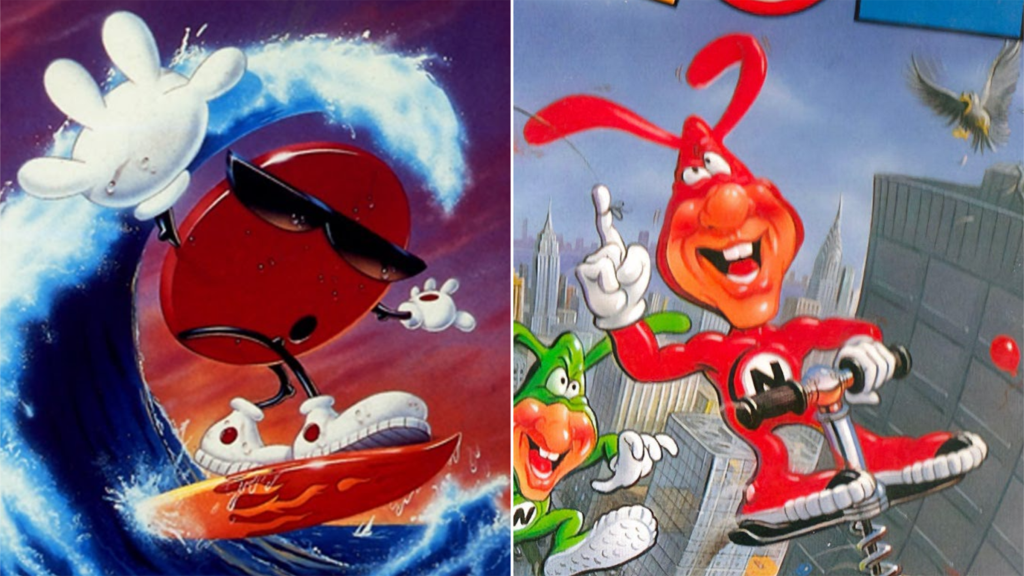
Corporate-sponsored video game mascots were all the rage back in the 1980s and ‘90s. Some were more effective at enticing gamers to purchase games, while others struggled with subpar titles that ultimately failed to gain traction. Two of the better-known examples are 7-Up’s Cool Spot and Domino’s Pizza’s Noid. These were essentially glorified advertisements in video game form, and they carved out a niche in popular culture. Cool Spot debuted in Cool Spot for various consoles, while the Noid found a home on the NES in Yo! Noid. They had their time in the spotlight, but quickly faded into obscurity. The brand’s current owner denied a comeback attempt for Cool Spot, so it doesn’t look like a revival will happen anytime soon.
2) Bubsy
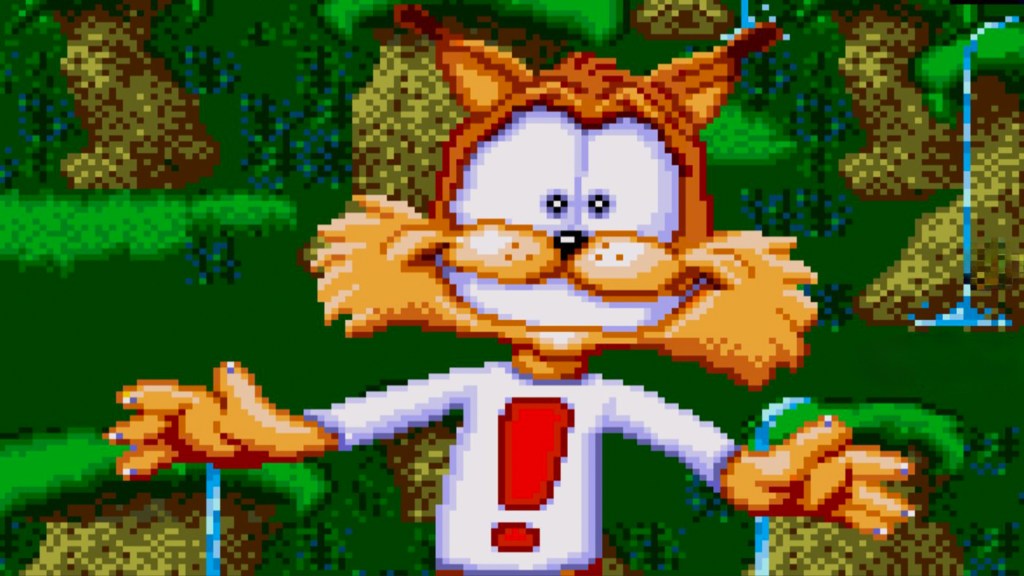
Bubsy is a traditional video game mascot initially created by Activision for 1993’s Bubsy in Claws Encounters of the Furred Kind for the Super NES and Sega Genesis. Bubsy is a cute, orange bobcat who wears a white shirt with an exclamation point. He has a catchphrase: “What could possibly go wrong?” and has appeared in several platformers over the years. While the franchise produced six titles, the character never gained widespread popularity, despite the release of Bubsy’s most recent title in 2019. He’s relatively unknown, except to gamers who played his games, but Bubsy is making a comeback. Bubsy 4D is set to come out in 2026 for all the major consoles, so he could regain the public’s attention through that venture.
3) Alex Kidd
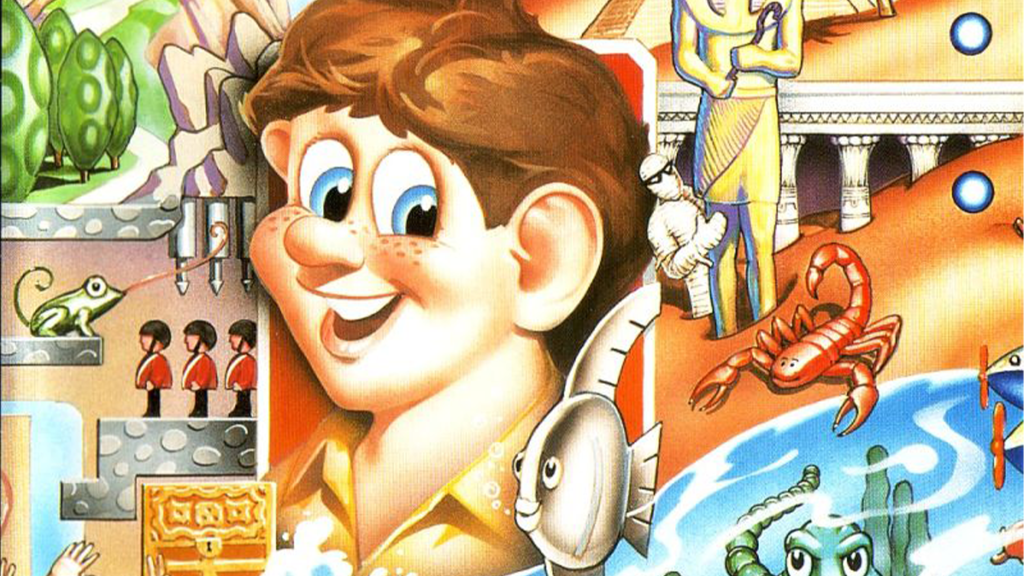
Alex Kidd is a platformer mascot who has appeared in several games over the years for Sega. The character predates Sonic the Hedgehog and was intended to be the company’s mascot, first appearing in Alex Kidd in Miracle World for the Sega Master System in 1986. He appeared in five more titles in the 1990s before quietly disappearing behind the rather large shadow cast by his successor, Sonic the Hedgehog. Despite falling into obscurity decades ago, Alex Kidd made a comeback in a remake of his first game in June 2021. Alex Kidd in Miracle World DX is the last time he’s had his own title, though it was available on every console upon release.
4) Gex
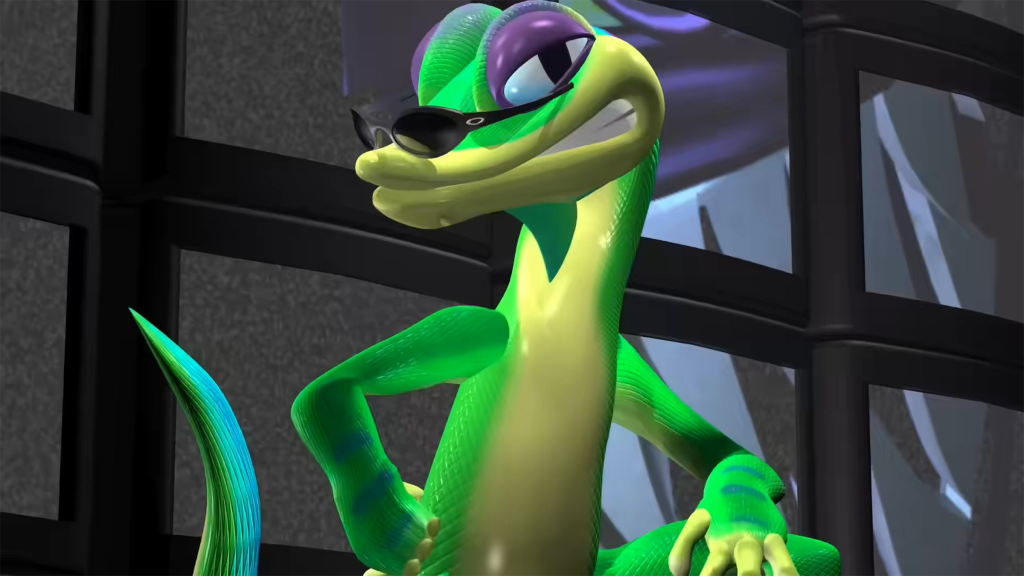
Gex is the name of a gecko mascot first introduced via Gex for the PlayStation in 1995. PlayStation made several attempts to create a viable mascot with characters like Crash Bandicoot, Spyro the Dragon, and Ratchet and Clank, so Gex had plenty of company. Between 1995 and 1999, Gex appeared in three titles. A fourth was in the works, but Eidos Interactive killed the concept, choosing instead to roll Gex 4’s elements into Whiplash for the PlayStation 2. Still, many fans remember Gex fondly, and they appreciated the release of the Gex Trilogy in 2025.
5) Bonk
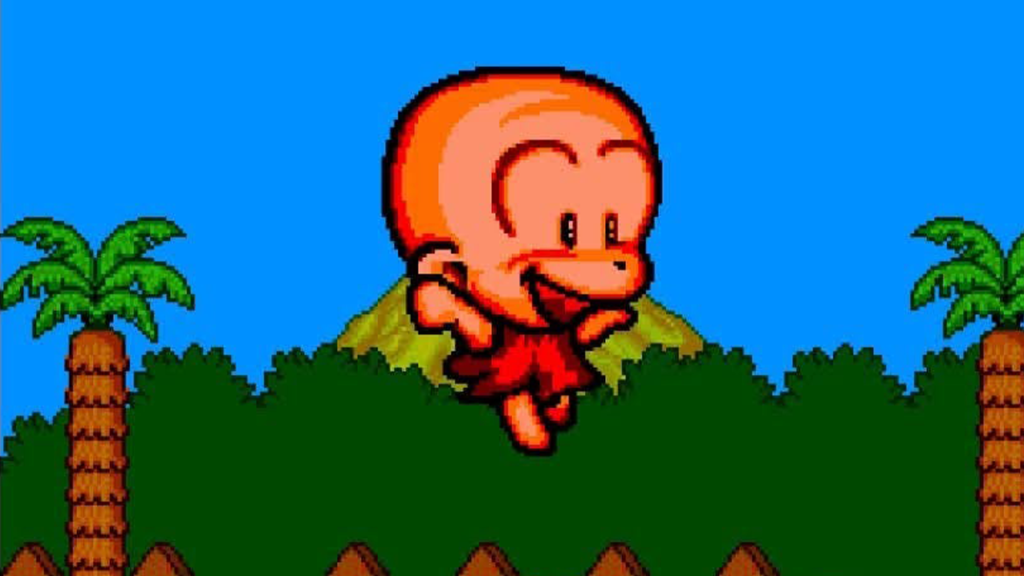
While it wasn’t a huge player during the console wars, the NEC TurboGrafx-16 (PC Engine in Japan) had a niche of the market in the 1990s. The console’s mascot was Bonk, a young caveman who travels throughout his side-scrolling platformer literally bonking enemies with his massive head. Bonk appeared in six titles throughout his era, and he spawned the spin-off Air Zonk franchise. While entertaining, Bonk, like the TG16, didn’t gain a significant foothold in the market. Bonk was ported to various consoles over the years, and he was last seen in Bonk’s Adventure on the TurboGrafx-16 Mini, though the game is entirely in Japanese.
Did we leave out your favorite failed mascot? Leave a comment below and join the conversation now in the ComicBook Forum!