
Published on
December 29, 2025
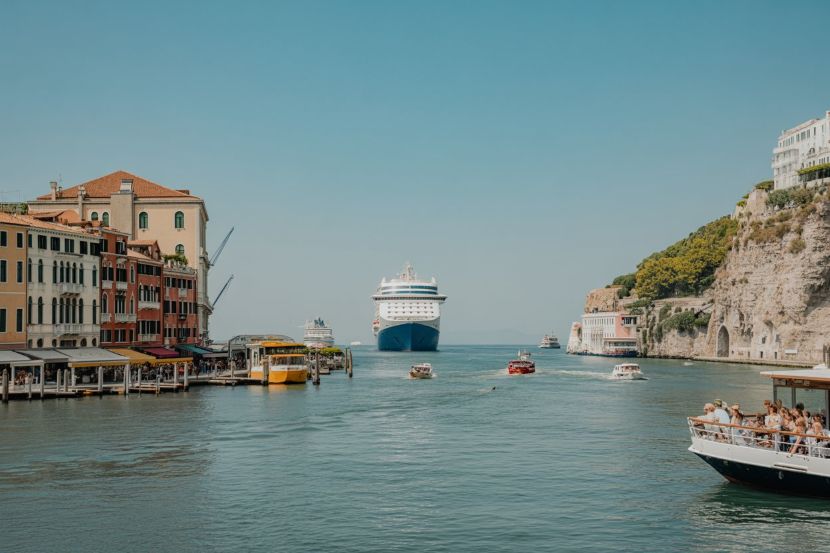
Greece joins other European heavyweights like Spain, Italy, and Portugal in the cruise tax revolution. This game-changing decision aims to protect the iconic destinations that millions of travellers dream of visiting. Greece’s decision to introduce new taxes for cruise passengers follows similar measures from Spain, Italy, and Portugal, as these nations work together to preserve their cultural and environmental treasures. By joining this revolution, Greece is taking a significant step towards ensuring that tourism remains sustainable and enjoyable for both locals and visitors. For those planning their dream European vacation, this means higher cruise costs, but it also offers a chance to contribute to the preservation of Europe’s most beloved spots. These changes will shape the future of travel in Europe and how we experience these stunning destinations.
Greece’s Seasonal Cruise Passenger Levy: A Step Towards Sustainable Tourism
In 2025, Greece has taken the crucial step of introducing a structured cruise passenger levy. This tax will be applied to passengers disembarking at high-traffic ports such as Santorini and Mykonos. These beautiful islands are some of the most popular cruise stops in the world, attracting millions of tourists every year. However, this massive influx has led to overcrowding and strain on local infrastructure.
To tackle this issue, Greece’s government has implemented a tax that will vary depending on the season. During peak months, the levy can reach up to €20 per passenger. The funds raised will be directed towards essential infrastructure upgrades and environmental preservation efforts. This move is seen as a positive step towards reducing the negative impacts of overtourism, especially in iconic locations that have been facing environmental and social pressures.
The Greek government’s action aligns with broader European trends, with many countries acknowledging the need to balance tourism growth with sustainability. Greece’s approach to cruise taxes signals a shift in how governments are managing the delicate balance between economic benefits and environmental protection.
The Netherlands: Tackling Overtourism with Increased Local Cruise Levies
The Netherlands is also moving forward with new cruise-related taxes. Local port authorities and municipalities, particularly in cities like Amsterdam, are increasing visitor levies to manage the high volume of tourists arriving by cruise. Amsterdam, known for its picturesque canals and rich cultural history, has been a major cruise hub for years. However, the growing number of visitors has been affecting the quality of life for locals and putting a strain on the city’s infrastructure.
The new tax measures will target cruise passengers and aim to fund sustainability projects. Amsterdam’s government, along with other port municipalities in the Netherlands, has confirmed that these increased fees will help protect the environment and improve local infrastructure. By 2025, tourists will see higher costs associated with docking in Dutch ports, but this is expected to contribute to a more sustainable and balanced tourism model.
This increase in local taxes aligns with the Netherlands’ broader sustainability goals, with tourism contributing to an overwhelming amount of waste and pollution. The extra revenue will help fund eco-friendly initiatives and support the city’s ambitions of becoming more resilient to the challenges of overtourism.
Spain’s Regional Cruise Fees: Balancing Tourism and Environmental Preservation
In Spain, the situation is somewhat similar. While the country has not introduced a nationwide cruise tax, regions such as Catalonia and the Balearic Islands are taking matters into their own hands. With the popularity of places like Barcelona and Mallorca, local governments are introducing higher port and tourist fees specifically targeting cruise passengers.
These fees are intended to combat the overcrowding of popular tourist spots and reduce the environmental impact of large ships. In particular, the Balearic Islands have been looking at ways to manage visitor numbers, and this new levy is one of the strategies being employed. By 2025, cruise passengers visiting the islands will face higher charges, with the funds raised being used for local environmental projects and infrastructure improvements.
Spain’s regional approach to cruise taxes highlights the importance of local governments in managing tourism’s impact. While the Spanish government has yet to introduce a nationwide levy, these regional initiatives are crucial in tackling the pressing issue of overtourism.
Italy’s Port and Visitor Fees: A Crucial Measure for Crowded Areas
Italy is another European destination that is restructuring its tourism fees. With iconic cities such as Venice and Rome, Italy has long struggled with overtourism, and cruise ships have been a major contributor to the issue. To address this, Italy is introducing updated port and visitor fees that will be implemented starting in late 2025 and early 2026.
Venice, in particular, has suffered from the strain of mass tourism, and this new levy will help manage the crowding and ensure the preservation of the city’s rich heritage. Cruise ships, which have been blamed for contributing to environmental degradation in Venice’s waters, will now face higher charges when docking. The revenue generated from these increased fees will be directed towards funding infrastructure projects, enhancing the visitor experience, and safeguarding Venice’s fragile ecosystem.
By taking these measures, Italy is showing its commitment to managing the negative impacts of tourism while ensuring that its cities remain viable for both residents and visitors. This move is likely to be followed by other high-profile destinations in Italy that are grappling with similar issues.

Portugal: Municipal Cruise and Port Taxes for Local Development
Portugal is introducing its own set of new taxes aimed at managing the growth of cruise tourism. Municipalities in areas like Madeira and Lisbon are expanding their visitor levies, which will now include cruise passengers. The taxes are designed to generate revenue for local services, including infrastructure maintenance and environmental initiatives.
Portugal’s decision to increase taxes for cruise passengers comes in response to the overwhelming number of visitors arriving at its ports each year. Popular cities like Lisbon and Porto, along with the islands of Madeira, are dealing with the pressures of large-scale tourism, and this tax is a step towards better management. By 2025, tourists will notice higher charges when arriving by cruise, but this move is expected to ensure the long-term sustainability of Portugal’s tourism industry.
The increased fees are part of a broader strategy to promote sustainable tourism and protect Portugal’s natural beauty. The funds raised will help maintain the charm of the country’s coastal areas, ensuring that future generations can continue to enjoy them.
Belgium: Local Cruise-related Charges to Manage Crowding
Belgium is taking similar steps to manage the impacts of cruise tourism. Local councils in cities such as Brussels, Bruges, and Antwerp are revising their tourism fees to apply to cruise passengers. These revised charges aim to reduce the strain that overtourism has placed on infrastructure and public services.
Belgium’s new approach to cruise taxes is part of a growing trend across Europe to control visitor numbers and ensure that tourism remains beneficial to both locals and the environment. By 2025, tourists arriving on cruise ships will face higher fees, which will contribute to efforts to reduce pollution, improve public spaces, and protect historical landmarks.
The Belgian government is encouraging this new approach to help curb the effects of mass tourism while still benefiting from the economic advantages that tourism brings. It is clear that Belgium is committed to a future where tourism is managed responsibly and sustainably.
Ireland’s Port Levies: A Step Towards Environmental Protection
Ireland, too, is moving forward with new port levies. The Irish government and port authorities are introducing new charges for cruise ships docking at major ports, including Cork and Dublin. These levies are aimed at reducing congestion at key tourist hubs and ensuring the environmental sustainability of the areas that attract visitors.
Ireland’s new port tourism levies will come into effect in late 2025, with the aim of protecting natural sites and reducing the ecological impact of tourism. Ireland’s famous landscapes, including its stunning coastlines and national parks, have been under increasing pressure from high visitor numbers. The new charges are expected to alleviate some of this pressure while generating funds to protect these areas.
This move demonstrates Ireland’s commitment to balancing economic growth with environmental protection, ensuring that future generations can continue to experience its natural beauty.
Croatia’s Cruise Visitor Contributions: Supporting Heritage Preservation
Croatia, with its breathtaking coastline and historic cities, is also introducing cruise visitor contribution charges in popular destinations like Dubrovnik and Split. These charges are designed to help preserve the country’s rich cultural and natural heritage, which has been threatened by the overwhelming number of visitors.
As part of its strategy, Croatia is raising funds to address the challenges posed by overtourism. By 2025, visitors arriving by cruise will contribute to the preservation of the country’s historic landmarks and natural sites. The revenue generated from these contributions will help fund sustainable tourism initiatives and improve the overall experience for both locals and tourists.
Croatia’s approach is a reminder that sustainable tourism is about preserving the uniqueness of a destination while still allowing visitors to experience its beauty.

Europe’s Pledge for a Sustainable Future
Europe’s decision to implement new cruise taxes in 2025 is a crucial step towards balancing tourism and environmental sustainability. Countries like Greece, the Netherlands, Spain, Italy, Portugal, Belgium, Ireland, and Croatia are leading the way in addressing overtourism, ensuring that the benefits of tourism are shared responsibly. By raising funds through cruise taxes, these nations are investing in the long-term preservation of their cultural, environmental, and historical assets.
As more European countries follow suit, the hope is that these measures will inspire other regions around the world to consider similar strategies. The ultimate goal is to create a tourism model that benefits both visitors and locals, while safeguarding the beauty of Europe for future generations.
