
Published on
December 29, 2025
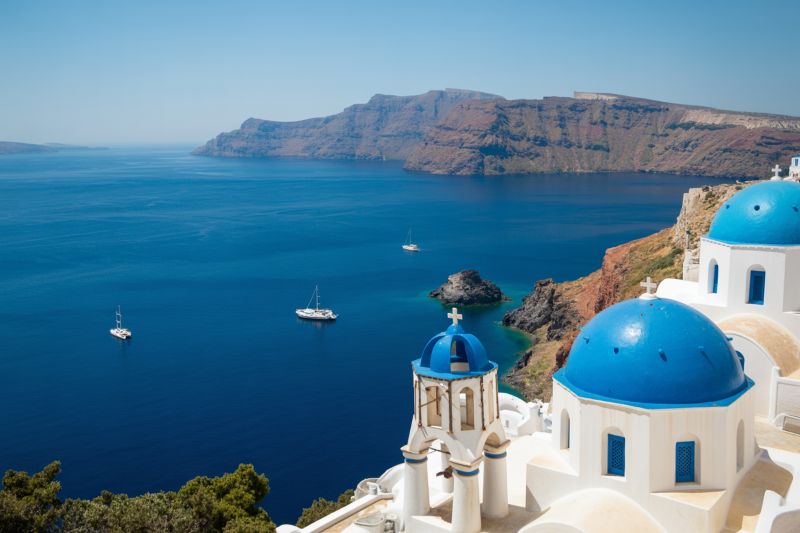
The tourism industry in Greece continues to see another record level of tourism in the year 2025, exceeding the mark of 37 million overseas visitors and earning the country significant tourism revenue. Yet, despite the Greek tourism triumph, the country currently stands at a turning point where the state of its infrastructure may hamper the sustained progress of the tourism industry in the face of the continually rising number of tourists, especially on Mykonos and Santorini islands.

Record Arrivals Mask Growing Infrastructure Strain
Greece’s tourism boom has become a hallmark of the country’s economic recovery, drawing millions of visitors each year. With a population of just over 10 million, the island nation welcomed a staggering 37 million foreign visitors in 2025, not including those arriving by cruise ships or private yachts. This influx has undeniably fueled the Greek economy, creating jobs and stimulating local businesses across the nation.
However, the sharp rise in arrivals has exposed several weaknesses in the country’s infrastructure. From traffic congestion and limited parking to issues with water supply, sanitation, and sewage management, the strain on resources is evident. Popular destinations like Mykonos and Santorini, which have long been at the epicenter of Greece’s tourism industry, have seen diminishing returns as a result of these issues. In fact, some islands have even witnessed a decline in visitors, signaling that overtourism may be taking its toll.
A Turning Point for Greece’s Tourism Industry
As Greece’s tourism industry reaches this tipping point, the country faces a critical challenge: how to manage the growing demand without compromising the quality of the visitor experience. The issues faced by the tourism sector go beyond infrastructure alone. The urban sprawl in popular destinations, combined with a lack of variety in activities for tourists, is increasingly evident. The cleanliness of public spaces, the availability of local information, and the overall operation of tourist destinations are areas where Greece is struggling to stay competitive.
Despite these growing concerns, the Greek tourism brand remains strong. Surveys conducted by the Institute of the Greek Tourism Confederation (INSETE) reveal that visitors continue to be drawn to Greece by its hospitality, food, stunning beaches, and vibrant landscapes. However, the country’s shortcomings in terms of infrastructure and the limited diversity of tourism offerings have raised alarm bells for experts who warn that these issues may hinder future growth.
Emerging Competition and Sustainability Challenges
The National Bank of Greece has highlighted the need for the country to adapt to changing trends in the tourism industry. According to a recent study, Greece is reaching the limits of what its mature tourist destinations can handle. While demand remains high, new sources of competition are emerging in other parts of the Mediterranean and beyond. Destinations that were once considered niche alternatives to Greece are now gaining popularity, offering similar attractions with fewer crowds and more sustainable tourism models.
“Greek tourism is at a turning point,” said the study’s authors, emphasizing the need for a strategic overhaul to ensure long-term sustainability. The solution, they argue, lies in managing the demand for the country’s most popular destinations while investing in infrastructure to meet the demands of modern tourism. Furthermore, focusing on promoting lesser-known, alternative destinations can help reduce the pressure on overcrowded areas, allowing visitors to discover the country’s “hidden treasures.”
Embracing Alternative Destinations and Sustainable Growth
In response to overtourism, experts are calling for a shift in focus toward lesser-explored regions of Greece. Many of the country’s islands and mainland areas are still relatively untapped, offering authentic experiences that can help balance tourism flows. By promoting these alternative destinations, Greece can provide a more sustainable and diverse travel experience for tourists, while also alleviating the burden on heavily visited spots like Mykonos and Santorini.
Additionally, the study emphasizes the importance of investing in Greece’s tourism infrastructure, particularly in the areas of water supply, waste management, and public transportation. To remain competitive, the country must also modernize its hospitality sector, with a focus on eco-friendly accommodations, improved accessibility for all visitors, and enhanced customer service.
The call for these improvements comes at a time when the global tourism industry is increasingly focused on sustainability. As travelers become more conscious of their environmental impact, countries that fail to adapt to these expectations risk losing their appeal. Greece’s ability to manage its success in the tourism sector, while addressing the challenges posed by overcrowding and infrastructure deficiencies, will determine whether it can maintain its status as a leading global destination.
The Road Ahead for Greek Tourism: A Balanced Approach
Looking ahead, the future of Greek tourism depends on the country’s ability to evolve and diversify its offerings. A balanced approach that promotes sustainable growth, improves infrastructure, and spreads tourism more evenly across the country will be key. While it is undeniable that tourism remains a pillar of the Greek economy, the sector must evolve to meet the challenges of a changing world.
The introduction of new destinations and the expansion of tourism offerings beyond the traditional “hotspots” can breathe new life into Greece’s tourism sector. By leveraging its rich history, diverse culture, and stunning landscapes, Greece has the potential to create a more resilient and inclusive tourism industry that benefits both visitors and locals.
Time for a New Chapter in Greek Tourism
The Greek tourism sector is at a very critical crossroad. While the success that the country has acquired in receiving millions of visitors is commendable, it is crucial that Greece deals with the threatening infrastructure issues that are likely to spoil the visitor experience. The next few years will be critical as the country tries to balance growth with sustainability, ensuring that the future is bright for it as a global destination.
